




How Do Empagliflozin, Sitagliptin, and Metformin Work Together?
Oct 21, 2026
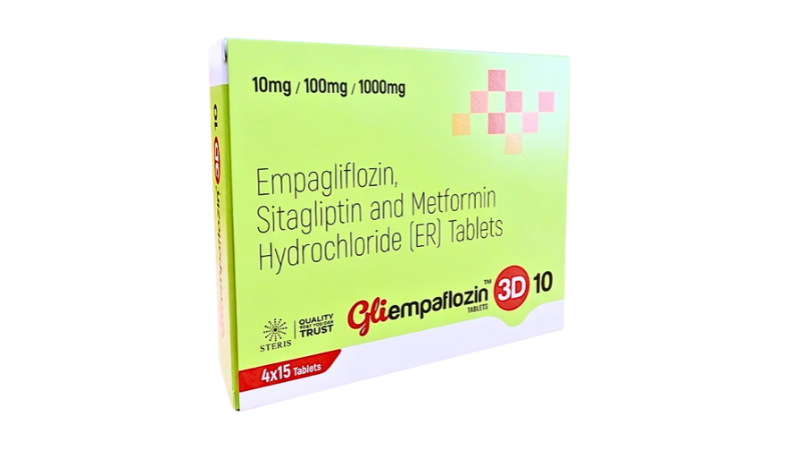
Gliempaflozin 3D 10 is prescribed as an add-on to diet and exercise to improve blood sugar control in adults with type 2 diabetes mellitus, usually when a doctor judges that a combination of these three medicines suits the person. Because it is a fixed-dose combination, it fits people who are already stable on these drugs taken separately, or who need all three to reach their target.
Here is what each ingredient is used for on its own:
- Empagliflozin tablet uses: lowering blood sugar in type 2 diabetes. Outside diabetes control, empagliflozin is also used in many countries to reduce cardiovascular death and hospitalization in people with type 2 diabetes and established heart disease, to treat heart failure, and to slow chronic kidney disease progression.
- Sitagliptin tablet uses: lowering blood sugar in type 2 diabetes, particularly after meals, with a low risk of causing hypoglycemia on its own. Sitagliptin 100 mg is the standard full dose for people with normal kidney function.
- Metformin hydrochloride tablets uses: first-line treatment for type 2 diabetes, helping the body respond better to insulin and reducing sugar production by the liver. Metformin is also used in some other conditions, such as polycystic ovary syndrome, under medical supervision.
This tablet is not for type 1 diabetes, not for diabetic ketoacidosis, and not a weight-loss product, although some people lose a little weight with empagliflozin and metformin.
Why Is Empagliflozin Sitagliptin Metformin Combination Important?
Type 2 diabetes is a progressive condition. Over time, the pancreas makes less insulin and the body becomes more resistant to it, so a single medicine often stops being enough. Poorly controlled blood sugar quietly damages the eyes, kidneys, nerves, heart, and blood vessels.
A well-chosen combination matters for several reasons:
- It attacks diabetes from three angles. Each ingredient works on a different part of the problem, so their effects add up.
- It simplifies treatment. One tablet replaces three, which can make it easier to take medicines regularly. Missing doses is a common reason for poor control.
- It reduces hypoglycemia risk. None of these three drugs commonly cause low blood sugar when used on their own, unlike sulfonylureas or insulin.
- It may support the heart and kidneys. Empagliflozin has outcome data for heart and kidney protection in suitable patients, beyond its sugar-lowering effect.
- It helps reach targets. Combination therapy can bring down HbA1c more than one drug alone, which lowers the long-term risk of complications.
Key Benefits
What Are the Benefits of Empagliflozin Sitagliptin Metformin?
1. Stronger blood sugar control. Three complementary mechanisms lower both fasting and after-meal glucose and reduce HbA1c more than most single drugs.
2. Low hypoglycemia risk. When not combined with insulin or a sulfonylurea, the risk of dangerous low sugar is low.
3. Modest weight and blood pressure benefits. Empagliflozin removes sugar and some water through urine, which can lead to small reductions in body weight and blood pressure. Metformin is generally weight-neutral, and sitagliptin is weight-neutral.
4. Cardiovascular and kidney support. Empagliflozin has shown reductions in cardiovascular death and heart failure hospitalization in people with type 2 diabetes and heart disease, and in kidney disease progression in dedicated trials. Sitagliptin has shown cardiovascular safety without increasing major cardiac events.
5. Pill burden reduced. A single daily tablet is easier to remember than a handful of separate ones.
6. Works with how your body behaves. Sitagliptin targets after-meal spikes, metformin lowers liver sugar output, and empagliflozin works independently of insulin, so it can still help when insulin production has declined.
7. Long track record of its parts. Metformin has decades of use, and sitagliptin and empagliflozin have large clinical programs.
Mechanism of Action:
The mechanism of action of empagliflozin sitagliptin metformin is a coordinated attack on high blood sugar.
Empagliflozin (SGLT2 inhibitor)
- Blocks sodium-glucose cotransporter 2 (SGLT2) in the kidney’s filtering tubes. Normally, this protein reabsorbs most of the filtered glucose back into the blood.
- With SGLT2 blocked, the kidney lets extra glucose leave in the urine, lowering blood sugar independently of insulin.
- Also causes mild fluid loss and modest weight and blood pressure reduction.
Sitagliptin (DPP-4 inhibitor)
- Blocks the enzyme dipeptidyl peptidase-4, which breaks down incretin hormones (GLP-1 and GIP) that your gut releases after meals.
- With more active incretins, the pancreas releases more insulin when blood sugar is high and the liver releases less glucagon. This effect depends on glucose levels, so the risk of low sugar is small.
Metformin hydrochloride (biguanide)
- Reduces glucose production by the liver.
- Improves insulin sensitivity in muscle and fat tissue, so the body uses its own insulin better.
- Slightly reduces glucose absorption from the gut.
- Works mainly through activating an energy-sensing enzyme called AMPK.
Together, empagliflozin clears sugar through the kidneys, sitagliptin boosts insulin after meals, and metformin reduces the sugar the liver releases and improves insulin response.
Indications, Efficacy and Clinical Evidence
Indications: Adjunct to diet and exercise to improve glycemic control in adults with type 2 diabetes mellitus who need treatment with all three components. Approved uses differ between countries, so follow the label for Gliempaflozin 3D 10.
What does the evidence say?
- Metformin: For decades, metformin has been the foundation of type 2 diabetes treatment. Long-term studies have linked it to better glycemic control, weight neutrality, and lower cardiovascular risk in people with overweight and diabetes.
- Sitagliptin 100 mg: Many randomized trials show sitagliptin lowers HbA1c when used alone or added to metformin, with a low hypoglycemia risk. The large TECOS trial found that sitagliptin did not increase the risk of major cardiovascular events compared with placebo when added to usual care.
- Empagliflozin: The EMPA-REG OUTCOME trial found that empagliflozin reduced major cardiovascular events and cardiovascular death in people with type 2 diabetes and established cardiovascular disease, and reduced hospitalization for heart failure. Later trials in heart failure (such as EMPEROR-Reduced and EMPEROR-Preserved) and chronic kidney disease (EMPA-KIDNEY) showed further benefits in those groups.
- Combination therapy: Studies of adding an SGLT2 inhibitor to a DPP-4 inhibitor and metformin show additional HbA1c reductions, consistent with their different mechanisms. Guidelines from major diabetes organizations accept using combinations of these classes when needed.
- Safety: The main concerns are genital and urinary infections, dehydration, rare ketoacidosis with empagliflozin, rare lactic acidosis with metformin, and rare pancreatitis with sitagliptin.
Dosage Guidelines
Always follow your doctor’s prescription and the leaflet in your pack. The dose is individualized, and this fixed-dose tablet is only suitable for people who need exactly this strength of all three drugs. General guidance:
- Adults: Usually one tablet by mouth as prescribed. Because sitagliptin 100 mg is the maximum daily dose for that ingredient, this strength is generally not taken more than once a day. Check the leaflet, because the schedule depends on whether the metformin is immediate-release or extended-release.
- How to take: Swallow the tablet whole with water, with or after a meal, to reduce stomach upset from metformin. Do not crush or chew extended-release tablets.
- Timing: Take it at the same time each day, commonly in the morning or with your main meal.
- Kidney function: Your doctor will check your eGFR before and during treatment. Because the sitagliptin dose must be lowered in moderate to severe kidney impairment, and metformin should not be used in severe kidney impairment, this fixed 100 mg sitagliptin tablet is generally not appropriate when kidney function is reduced below about eGFR 45. Your doctor will decide.
- Stay hydrated. Empagliflozin increases urination, so drink enough fluids unless your doctor has restricted them.
- Children and adolescents: Not recommended unless a specialist prescribes it.
- Elderly: Use with care, with kidney function and fluid status monitored.
- Missed dose: Take it when you remember, unless it is nearly time for the next dose. Do not take a double dose.
- Overdose: Seek urgent medical help. Metformin overdose can cause lactic acidosis, with symptoms such as vomiting, stomach pain, rapid breathing, and extreme tiredness.
Side Effects
Many people tolerate the combination well. Common side effects include:
- From metformin: nausea, diarrhea, stomach discomfort, gas, metallic taste, and loss of appetite (often improving over time and with food)
- From empagliflozin: increased urination, thirst, genital yeast infections (more common in women, but also seen in men), and urinary tract infections
- From sitagliptin: headache, runny or stuffy nose, sore throat, and mild stomach upset
- General: dizziness, especially on standing, if you become dehydrated
Tell your doctor if side effects bother you or do not settle. Good genital hygiene can reduce the risk of fungal infection.
Available Substitutes
If Gliempaflozin 3D 10 is unavailable, other triple fixed-dose combinations or separate tablets can provide the same medicines. Availability, strengths, and brand names vary by country, so ask your pharmacist to confirm the exact composition.
Options your doctor may consider include:
- The three drugs as separate tablets: empagliflozin, sitagliptin, and metformin, which allows flexible dose adjustment
- Sitagliptin and metformin combination tablets (for example, products such as Janumet in some markets), with empagliflozin taken separately
- Empagliflozin and metformin combination tablets (for example, products such as Synjardy in some markets), with sitagliptin taken separately
- Other SGLT2 inhibitor combinations: for example, with dapagliflozin or canagliflozin, plus a DPP-4 inhibitor and metformin
- Other DPP-4 inhibitors: such as linagliptin or vildagliptin, where available
- A GLP-1 receptor agonist or insulin, if combination tablets are not enough
Do not switch on your own, because dose, kidney suitability, and cost differ, and replacing one component may change your risk profile.
Precautions and Warnings
- Kidney function: Needed before starting and at least yearly, or more often if you have risk factors. Metformin must not be used in severe kidney impairment, and the 100 mg sitagliptin in this tablet is generally too high when kidney function is reduced.
- Liver disease: Avoid or use only with great caution, because metformin raises lactic acidosis risk in people with impaired liver function.
- Alcohol: Avoid heavy drinking and binge drinking, since alcohol increases the risk of lactic acidosis and low blood sugar.
- Type 1 diabetes and ketoacidosis: Not for use. Tell your doctor about any history of ketoacidosis, pancreatic disease, or very low insulin production.
- Pancreatitis: If you have had pancreatitis, discuss the risks with your doctor. Stop the medicine and seek help if severe stomach pain develops.
- Surgery, fasting, or serious illness: Tell your surgeon you take this medicine. Empagliflozin is usually stopped at least three days before planned surgery, and metformin is stopped around procedures as advised. During acute illness with vomiting, diarrhea, or poor intake, ask your doctor whether to pause it (“sick day rules”).
- Contrast dye: Tell the radiology team you take metformin. It may need to be paused before and after some scans that use iodinated contrast.
- Dehydration and low blood pressure: Take extra care if you are elderly, take diuretics, or have low blood pressure.
- Genital and urinary infections: Maintain hygiene, and report symptoms promptly.
- Foot care: Check your feet regularly, and report any new sores or pain, especially if you have poor circulation or neuropathy.
- Hypoglycemia: If you also take insulin or a sulfonylurea, your doctor may reduce those doses.
- Heart failure: Sitagliptin is generally considered neutral, and empagliflozin may help in heart failure, but tell your doctor about any heart condition.
- Vitamin B12: Long-term metformin can lower B12, so your doctor may check levels periodically.
- Pregnancy and breastfeeding: Not recommended. Discuss alternatives such as insulin with your doctor if you are pregnant or planning pregnancy.
- Other medicines: Tell your doctor about all medicines you take, including diuretics, steroids, and other diabetes drugs.
- Monitoring: Keep up with HbA1c, blood sugar checks, kidney tests, blood pressure, and eye and foot exams.
- Storage: Keep in a cool, dry place away from direct sunlight and moisture, in the original pack, and out of the reach of children.
Frequently Asked Questions (FAQs)
1. What is empagliflozin sitagliptin metformin used for?
It is used with diet and exercise to lower blood sugar in adults with type 2 diabetes who need all three medicines.
2. What is Gliempaflozin 3D 10?
It is a fixed-dose tablet by Steris Healthcare containing empagliflozin 10 mg, sitagliptin 100 mg, and metformin hydrochloride 1000 mg.
3. What are the uses of empagliflozin tablet?
Empagliflozin lowers blood sugar in type 2 diabetes, and in suitable patients it also reduces cardiovascular and heart failure risk and slows chronic kidney disease.
4. What are the uses of sitagliptin tablet?
Sitagliptin lowers blood sugar in type 2 diabetes by increasing insulin release after meals and reducing glucagon, with a low risk of hypoglycemia.
5. What is sitagliptin 100 mg used for?
Sitagliptin 100 mg is the standard daily dose for adults with type 2 diabetes and normal kidney function, taken alone or with other diabetes medicines.
6. What are metformin hydrochloride tablets used for?
Metformin is a first-line medicine for type 2 diabetes that lowers liver sugar production and improves insulin sensitivity.
7. How do I take Gliempaflozin 3D 10?
Swallow it whole with water, with or after a meal, at the same time each day, as your doctor prescribes.
8. Can I take it on an empty stomach?
It is best taken with or after food, because metformin can upset an empty stomach.
9. How long does it take to work?
Blood sugar often begins to fall within days, but your doctor will judge the full effect by HbA1c after about three months.
10. What are the side effects of empagliflozin sitagliptin metformin?
Common ones include nausea, diarrhea, increased urination, genital or urinary infections, and headache.
Conclusion
Gliempaflozin 3D 10 by Steris Healthcare is a fixed-dose combination of empagliflozin 10 mg, sitagliptin 100 mg, and metformin hydrochloride 1000 mg for adults with type 2 diabetes. Empagliflozin removes sugar through the urine, sitagliptin increases insulin after meals, and metformin reduces liver sugar output and improves insulin response. Together, they can improve blood sugar control with a low risk of hypoglycemia and, in the case of empagliflozin, possible heart and kidney benefits. It needs kidney function checks and attention to hydration, infection signs, and rare but serious risks such as ketoacidosis, lactic acidosis, and pancreatitis. Take it exactly as prescribed, keep up healthy habits and regular check-ups, and talk to your doctor before making any change.
For Further Information:
Mail Us: contact@sterispharma.com or info@sterispharma.com
Call Now: +91 8824175417, +91 9982524671
Recent Post
What Are Methylcobalamin Sublingual Tablets 1500 mcg Used For?

L Lysine Hydrochloride Syrup: Uses, Benefits, Dosage and Side Effects
What Is Amino Acids Injection Used For?
Empagliflozin, Sitagliptin, and Metformin: Uses, Benefits, and Side Effects
D-Panthenol and Sodium Hyaluronate Eye Drops: Uses and Precautions
How Do Ketorolac Tromethamine Eye Drops Work?
Ofloxacin and Dexamethasone Eye Drops: Uses, Benefits, and Side Effects
How Does S-Adenosyl-L-Methionine Support Normal Body Functions?
What Is S-Adenosyl-L-Methionine (SAMe)? Uses and Benefits
Benzydamine Mouthwash: How It Works for Mouth Pain and Inflammation

