




How Do Ketorolac Tromethamine Eye Drops Work?
Oct 21, 2026
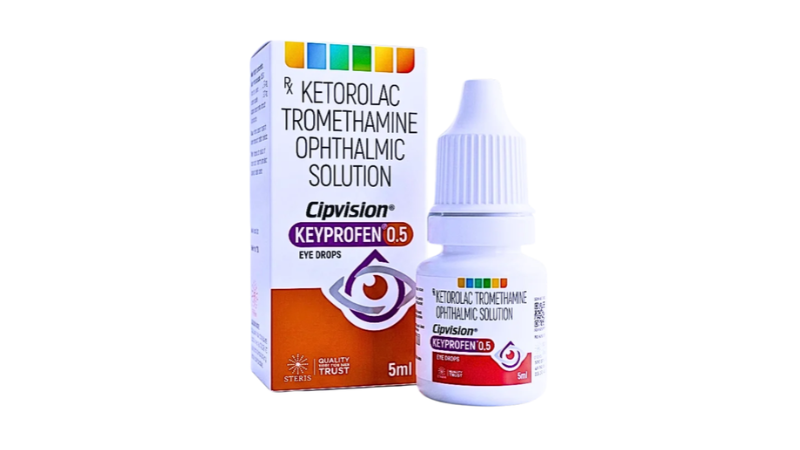
Cipvision Keyprofen 0.5 by Steris Healthcare is a ketorolac tromethamine eye drop, a sterile ophthalmic solution containing a non-steroidal anti-inflammatory drug (NSAID). It is used to relieve eye inflammation, pain, and itching, most often after cataract surgery or during seasonal allergic conjunctivitis.
Ketorolac tromethamine uses in eye care generally include:
- Inflammation after cataract surgery: to control redness, swelling, and discomfort in the days after the operation
- Pain and discomfort after eye surgery: including some refractive and other ocular procedures, as directed by the surgeon
- Seasonal allergic conjunctivitis: to relieve itching of the eyes
- Prevention or management of cystoid macular edema (CME): swelling at the center of the retina that can follow cataract surgery, used by many surgeons in selected patients
- Maintaining pupil size during surgery: certain NSAID drops are used before cataract surgery to help prevent the pupil from constricting, when the surgeon prescribes them
- Other mild ocular inflammation: where a doctor judges an NSAID is appropriate and a steroid is not wanted
The approved uses differ between countries, so follow the indications on the Cipvision Keyprofen 0.5 label and your doctor’s prescription.
Why Is Ketorolac Tromethamine Eye Drop Important?
After eye surgery, the eye becomes inflamed as part of normal healing. Some inflammation is expected, but too much can cause pain, light sensitivity, blurred vision, and, in some people, swelling of the retina that reduces the quality of vision.
Ketorolac eye drops matter for several reasons:
- They control post-surgical inflammation. This supports comfort and a smoother recovery.
- They offer a non-steroid option. Steroid drops can raise eye pressure and affect infection risk. An NSAID avoids those steroid-specific problems, which helps patients who are sensitive to steroids or who have glaucoma risk.
- They can be used alongside steroids. Many surgeons combine an NSAID with a steroid, because they work through different pathways and may improve results.
- They help prevent macular swelling. Reducing prostaglandin-driven inflammation lowers the risk of CME after cataract surgery.
- They relieve allergic itching. For people with seasonal allergic conjunctivitis, they can calm the itch without a steroid.
Key Benefits
What Are the Benefits of Ketorolac Eye Drop?
1. Effective pain relief after eye surgery. Many patients notice less aching, burning, and sensitivity when an NSAID drop is part of their post-operative routine.
2. Reduces inflammation. It lowers redness, swelling, and the inflammatory cells in the front of the eye.
3. Helps protect the macula. By reducing the inflammatory chemicals linked to retinal swelling, it plays a role in preventing post-cataract CME.
4. Steroid-free. It does not raise eye pressure the way steroids can, and it does not suppress local immunity in the same way.
5. Relieves itching in allergic conjunctivitis. It is a useful alternative for ocular itching when an antihistamine drop is not suitable or enough.
6. Convenient dosing. The usual schedule of a drop several times a day fits easily into a post-operative routine.
7. Works well in combination. It pairs with antibiotic and steroid drops as part of a typical cataract surgery regimen.
Mechanism of Action:
The mechanism of action of ketorolac tromethamine is the same as other NSAIDs, applied locally to the eye.
- Blocks cyclooxygenase (COX) enzymes. Ketorolac inhibits both COX-1 and COX-2, the enzymes that convert arachidonic acid into prostaglandins.
- Reduces prostaglandin production. Prostaglandins are chemical messengers that cause pain, redness, swelling, and leakage from blood vessels. In the eye, they also cause the pupil to constrict during surgery and can contribute to macular swelling.
- Reduces pain signaling. With fewer prostaglandins, pain nerves in the eye become less sensitive.
- Limits breakdown of the blood-ocular barrier. Less leakage means less swelling and inflammation in eye tissues.
Unlike steroids, ketorolac works on a narrower pathway, which is why it does not carry the same risk of raised eye pressure. The trade-off is that NSAIDs can slow corneal healing in some patients, so duration of use matters.
Indications, Efficacy and Clinical Evidence
Indications: Management of ocular inflammation and pain after cataract extraction, relief of ocular itching due to seasonal allergic conjunctivitis, and prevention or reduction of post-operative macular edema, as approved on the product label.
What does the evidence say?
- After cataract surgery: Controlled trials have shown that ketorolac eye drops reduce post-operative inflammation and pain compared with placebo or vehicle. They are widely used as part of standard post-cataract care.
- Cystoid macular edema: Studies and reviews have shown that topical NSAIDs, including ketorolac, reduce the incidence of angiographic and clinical CME after cataract surgery, particularly in higher-risk patients such as those with diabetes. Many surgeons now routinely add an NSAID to a steroid for this reason, though practice varies.
- Combined with steroids: Evidence suggests that adding an NSAID to a steroid can give better control of inflammation and lower CME risk than a steroid alone in some groups, though the size of the added benefit differs between studies.
- Allergic conjunctivitis: Trials have shown that ketorolac reduces ocular itching in seasonal allergic conjunctivitis compared with vehicle. Antihistamine and mast-cell stabilizer drops are usually the first choice, with ketorolac as an alternative or add-on.
- Safety: Topical ketorolac is generally well tolerated for short courses. Surface problems of the cornea, such as erosions or delayed healing, are the main concern with prolonged or high-frequency use, particularly in patients with existing corneal disease, diabetes, or dry eye.
Dosage Guidelines
Always follow your eye doctor’s prescription and the leaflet in your pack. General guidance for ketorolac tromethamine 0.5% eye drops:
- After cataract surgery (adults): Commonly 1 drop in the operated eye four times a day, usually starting about 24 hours after surgery and continuing for about 2 weeks, or as directed by the surgeon. Some regimens begin a day or more before surgery, and some continue longer for CME prevention in high-risk patients.
- Seasonal allergic conjunctivitis (adults): Commonly 1 drop in the affected eye(s) four times a day, for the shortest period needed.
- Children: Safety and effectiveness have not been established in young children for all uses. Use only if prescribed by a doctor, and check the age guidance on the label.
- Duration: Short term. Do not extend the course beyond what your doctor recommends, because prolonged use raises the risk of corneal problems.
How to put in eye drops:
- Wash your hands.
- Remove contact lenses if you wear them (see Precautions).
- Tilt your head back and pull down the lower eyelid to form a small pocket.
- Hold the bottle upside down above the eye, and squeeze one drop in without letting the tip touch your eye, lashes, or fingers.
- Close your eye gently for one to two minutes and press lightly on the inner corner of the eye to reduce drainage into the nose.
- Wipe away excess and replace the cap.
Other points:
- Using other drops: Wait at least 5 minutes between different eye drops. Apply eye ointments last.
- Missed dose: Use it when you remember, unless it is nearly time for the next dose. Do not double up.
- Overdose: An extra drop in the eye is usually harmless. Rinse with clean water. If it is swallowed in large amounts, seek medical advice, since NSAIDs can affect the stomach and kidneys.
Side Effects
Most people tolerate the drops well. Common side effects are mild and local:
- Temporary stinging or burning when the drop goes in
- Mild eye irritation or redness
- Itching
- Watery eyes
- A feeling that something is in the eye
- Brief blurred vision after instilling
- Headache (uncommon)
These usually settle quickly. Tell your doctor or pharmacist if they continue or bother you.
Available Substitutes
If Cipvision Keyprofen 0.5 is unavailable, other ketorolac tromethamine ophthalmic solutions are sold under various brand names, and availability differs by country. Your pharmacist can confirm a product with the same strength (0.5% or, in some markets, 0.4%) and a suitable preservative.
Other NSAID eye drops your doctor may consider include:
- Nepafenac (0.1% or 0.3%)
- Bromfenac (0.09% or 0.1%)
- Diclofenac (0.1%)
- Flurbiprofen (0.03%)
For allergic itching, doctors often choose olopatadine, ketotifen, or azelastine drops first. A steroid drop such as prednisolone or dexamethasone may be chosen for certain types of inflammation. Do not switch products on your own, because strengths, preservatives, and dosing schedules differ, and some people are intolerant of a particular preservative.
Precautions and Warnings
- Allergy: Do not use if you are allergic to ketorolac, aspirin, or other NSAIDs, or to any ingredient in the formulation.
- Asthma, nasal polyps, or aspirin sensitivity: Some people with these conditions can react to NSAIDs, including eye drops. Tell your doctor first.
- Bleeding disorders and blood-thinning medicines: Topical NSAIDs may prolong bleeding time in eye tissues. Tell your surgeon if you take aspirin, warfarin, or other anticoagulants.
- Corneal disease, dry eye, diabetes, or previous eye surgery: These raise the risk of corneal problems. Your doctor may limit the duration and monitor you more closely.
- Do not use for longer than advised: Prolonged use is linked to corneal thinning and delayed healing.
- Contact lenses: Remove them before using the drops and wait at least 15 minutes before reinserting. Many preservatives, such as benzalkonium chloride, can be absorbed by soft lenses. Avoid lenses entirely during an eye infection or after surgery unless your doctor says otherwise.
- Use with steroids: Using NSAID and steroid drops together can increase the risk of corneal healing problems in some patients. Follow your surgeon’s plan.
- Not an antibiotic: It will not treat a bacterial infection. If you have discharge, increasing redness, or pain, see your doctor.
- Pregnancy and breastfeeding: Use only if your doctor judges the benefit outweighs the risk. NSAIDs are generally avoided late in pregnancy, so tell your doctor if you are pregnant, planning pregnancy, or breastfeeding.
- Children: Use only on medical advice.
- Driving and machinery: Your vision may be blurred briefly after instilling. Wait until it clears before driving.
- Hygiene: Do not touch the dropper tip to any surface, and do not share the bottle.
- Other medicines: Tell your doctor about all eye drops, ointments, and tablets you use.
- Storage: Keep in a cool, dry place, away from direct sunlight, with the cap closed tightly. Discard the bottle about 28 days after first opening, or as stated on the label, and keep it out of the reach of children.
Frequently Asked Questions (FAQs)
1. What is ketorolac tromethamine eye drop used for?
It is used to reduce inflammation and pain in the eye, especially after cataract surgery, and to relieve itching in seasonal allergic conjunctivitis.
2. What is Cipvision Keyprofen 0.5?
It is a ketorolac tromethamine 0.5% ophthalmic solution by Steris Healthcare, an NSAID eye drop.
3. What are the uses of ketorolac tromethamine?
In the eye, common uses include post-cataract inflammation, post-surgical pain, allergic itching, and reducing the risk of macular edema after surgery.
4. What is the composition of ketorolac eye drop?
It typically contains ketorolac tromethamine 0.5% w/v in a sterile, buffered solution with a preservative. Check your pack for the exact formulation.
5. How do I use ketorolac tromethamine eye drops?
Wash your hands, tilt your head back, put one drop in the lower eyelid pocket, close your eye gently, and avoid touching the dropper tip to anything.
6. How often should I use ketorolac eye drops?
Commonly one drop four times a day, but your doctor will set the schedule for your condition.
7. How long can I use ketorolac eye drops?
Usually for a short course, such as about two weeks after cataract surgery. Longer use should be directed and monitored by your doctor.
8. Is ketorolac eye drop a steroid?
No. It is a non-steroidal anti-inflammatory drug (NSAID), so it does not carry the steroid risk of raised eye pressure.
9. Is ketorolac eye drop an antibiotic?
No. It reduces pain and inflammation and does not treat bacterial infection.
10. Can I use ketorolac eye drops with steroid drops?
Yes, they are often prescribed together after cataract surgery, but follow your surgeon’s schedule and spacing.
Conclusion
Cipvision Keyprofen 0.5 by Steris Healthcare is a ketorolac tromethamine eye drop that calms inflammation and pain in the eye, particularly after cataract surgery, and relieves itching in seasonal allergic conjunctivitis. It works by blocking COX enzymes and lowering prostaglandins, which helps control pain, swelling, and the risk of macular edema, without the pressure-raising effect of steroids. It is generally well tolerated over a short course, but prolonged use can harm the cornea, and it does not replace antibiotics. Use it exactly as prescribed, take care with contact lenses, and report any worsening pain, light sensitivity, or vision changes.
For Further Information:
Mail Us: contact@sterispharma.com or info@sterispharma.com
Call Now: +91 8824175417, +91 9982524671
Recent Post
What Is Amino Acids Injection Used For?
How Do Empagliflozin, Sitagliptin, and Metformin Work Together?
Empagliflozin, Sitagliptin, and Metformin: Uses, Benefits, and Side Effects
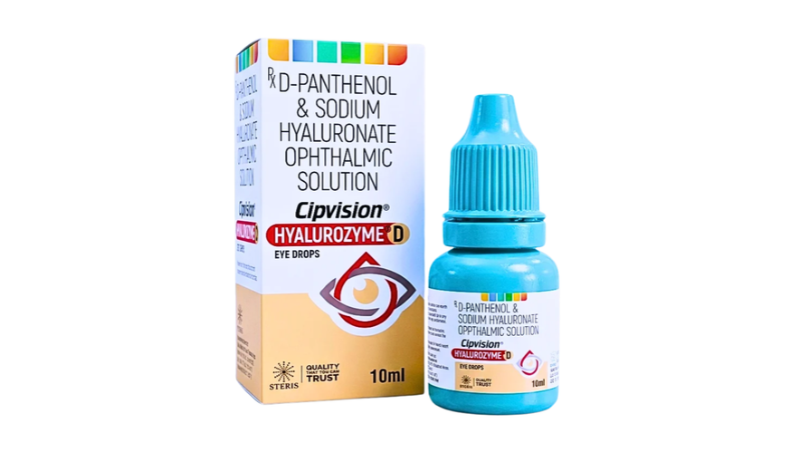
D-Panthenol and Sodium Hyaluronate Eye Drops: Uses and Precautions
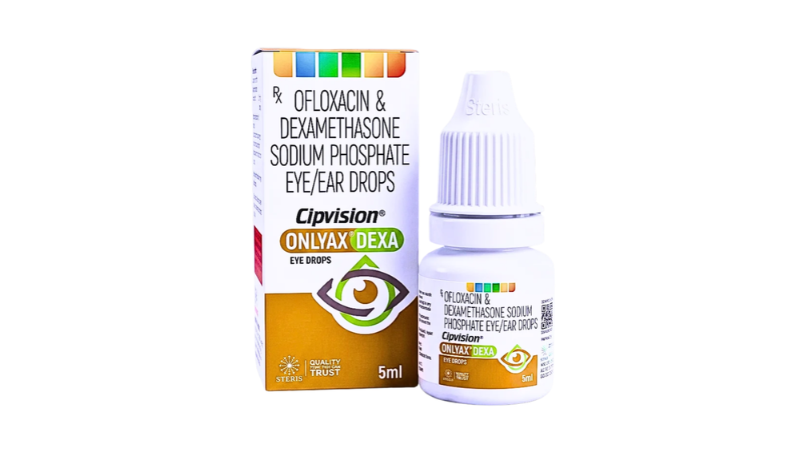
Ofloxacin and Dexamethasone Eye Drops: Uses, Benefits, and Side Effects
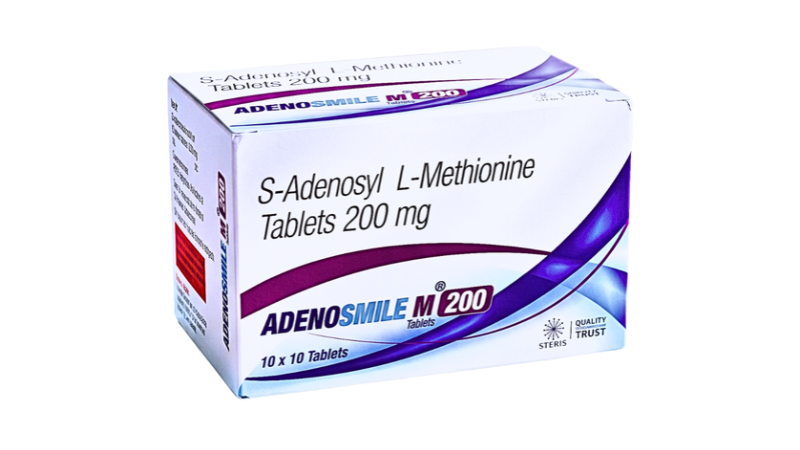
How Does S-Adenosyl-L-Methionine Support Normal Body Functions?
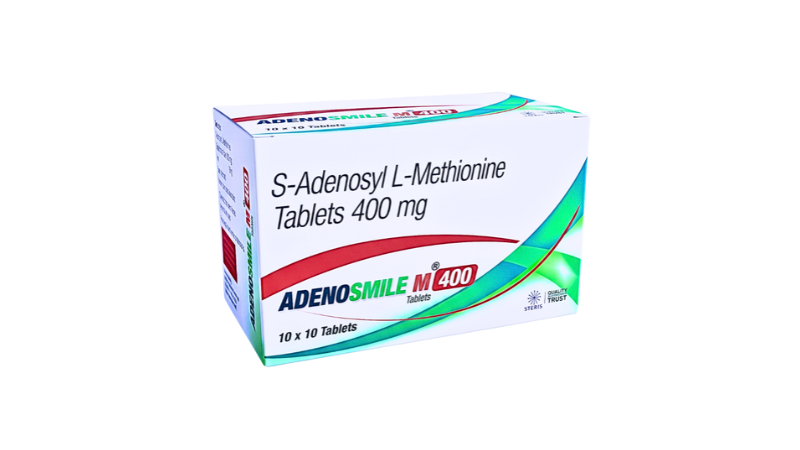
What Is S-Adenosyl-L-Methionine (SAMe)? Uses and Benefits
Benzydamine Mouthwash: How It Works for Mouth Pain and Inflammation
Polyethylene Glycol 3350 Powder: Uses, Dosage, Precautions, and Price
Probiotic Sachet with FOS, L-Glutamine & Colostrum – Uses and Benefits

