




What Is S-Adenosyl-L-Methionine (SAMe)? Uses and Benefits
Oct 21, 2026
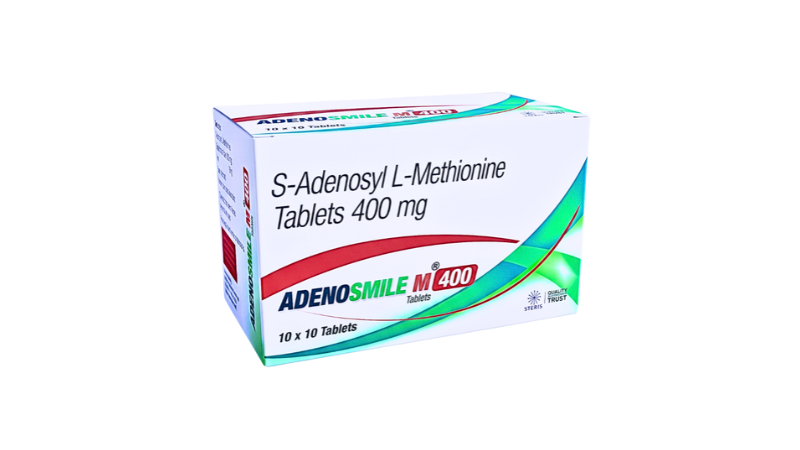
ADENOSMILE M 400 by Steris Healthcare is a tablet containing S adenosyl l methionine 400 mg, a naturally occurring compound your body makes in every cell. It is commonly used to support liver function, ease the symptoms of osteoarthritis, and, in some countries, help with low mood. If you have been told your liver needs support, your joints ache, or your doctor has mentioned SAMe, this guide explains what the tablet does, how it works, how to take it, and what to watch for.
What Is ADENOSMILE M 400 S Adenosyl L Methionine Tablet For?
S adenosyl l methionine, often shortened to SAMe (pronounced “sammy”), is formed in the body from the amino acid methionine and ATP, the cell’s energy molecule. It is involved in hundreds of reactions. Doctors use supplemental SAMe when natural levels may be too low to support the tissue that needs it.
S adenosyl l methionine uses generally include:
- Liver disorders: chronic liver disease, fatty liver, and intrahepatic cholestasis (reduced bile flow inside the liver), including cholestasis of pregnancy under specialist supervision
- Osteoarthritis: relief of joint pain and stiffness, particularly of the knee
- Depression: as an adjunct or alternative in mild to moderate depression, mainly in regions where it is approved for this use
- Drug- or alcohol-related liver stress: supportive use when the liver is under metabolic strain
- Fibromyalgia: some clinicians use it for pain and fatigue, though evidence is more limited
ADENOSMILE M 400 is best understood as a supportive therapy. It works alongside the treatment of the underlying cause, such as stopping alcohol, managing diabetes, or treating hepatitis, rather than replacing it.
Why Is S Adenosyl L Methionine Important?
SAMe is sometimes called the body’s “universal methyl donor.” Methylation is a chemical step that your cells use to switch genes on and off, build neurotransmitters, make cell membranes, and clear toxins. Without enough SAMe, these processes slow down.
It matters for several reasons:
- The liver depends on it. The liver is where most SAMe is made and used. In chronic liver disease, SAMe production falls, which can worsen injury.
- It supports bile flow. Healthy membranes and methylation help bile move properly. When they fail, cholestasis can result.
- It supports brain chemistry. SAMe takes part in making serotonin, dopamine, and norepinephrine, which influence mood.
- It helps cartilage. SAMe contributes to the production of proteoglycans, key building blocks of joint cartilage.
- It supports antioxidant defence. SAMe is a precursor of glutathione, one of the body’s main antioxidants.
Key Benefits
What Are the Benefits of S Adenosyl L Methionine 400 mg?
1. Supports liver function. Clinical studies, particularly in cholestatic liver disease, have reported improvements in liver enzymes and symptoms such as itching and fatigue.
2. Eases osteoarthritis pain. Several trials found SAMe relieved joint pain about as well as some NSAIDs, with a slower onset but fewer stomach side effects.
3. May lift mood. Meta-analyses suggest SAMe can reduce depressive symptoms compared with placebo, and the evidence is stronger for use alongside an antidepressant.
4. Supports antioxidant defence. By boosting glutathione, it may help protect liver cells from oxidative stress.
5. Helps with cholestatic itching. In some patients with intrahepatic cholestasis, it reduces the bile-related itch.
6. Generally gentle on the stomach. Compared with long-term NSAID use, SAMe is typically easier on the gut lining, which is attractive for people with arthritis.
7. Once-daily or divided dosing. The 400 mg strength allows flexible schedules under medical guidance.
Mechanism of Action
The mechanism of action of S adenosyl l methionine centres on three major metabolic pathways:
- Transmethylation: SAMe donates a methyl group to DNA, proteins, phospholipids, and neurotransmitters. In the liver, methylation of membrane phospholipids keeps cell membranes fluid and supports bile secretion. In the brain, it helps synthesize and metabolize monoamine neurotransmitters.
- Transsulfuration: After donating its methyl group, SAMe becomes homocysteine, which is then converted into cysteine and glutathione. This is how SAMe boosts the liver’s detoxification and antioxidant capacity.
- Aminopropylation: SAMe is also a precursor of polyamines such as spermidine and spermine, which are needed for cell growth and liver regeneration.
In joints, SAMe stimulates chondrocytes (cartilage cells) to produce proteoglycans and may have mild anti-inflammatory effects. In short, SAMe supplies a raw metabolic ingredient that stressed tissues can run short of.
Indications, Efficacy and Clinical Evidence
Indications: Supportive treatment of chronic liver disease and intrahepatic cholestasis, symptomatic relief of osteoarthritis, and adjunctive or alternative treatment of depression where approved. Indications differ between countries, so follow the approved label for ADENOSMILE M 400.
What does the evidence say?
- Liver disease: Studies in intrahepatic cholestasis, including cholestasis related to pregnancy and chronic liver disease, have shown improvements in liver function tests and itching. Large trials in alcoholic cirrhosis have produced mixed results, so benefits vary by condition and severity.
- Osteoarthritis: Randomized trials and meta-analyses have found SAMe comparable to NSAIDs such as celecoxib for knee osteoarthritis pain after a few weeks, with better gastrointestinal tolerability. Quality and dosing in trials have varied.
- Depression: Systematic reviews report SAMe to be better than placebo and, in some trials, similar to standard antidepressants. Many trials are small, short, and use different doses and routes, so more high-quality research is needed.
- Safety: Across studies, SAMe has generally been well tolerated at typical oral doses for short to medium durations.
Dosage Guidelines
Always follow your doctor’s prescription and the leaflet in your pack. General guidance for S adenosyl l methionine 400 mg tablets:
- Liver disease and cholestasis (adults): Commonly 800 to 1600 mg per day in divided doses, as directed by a specialist.
- Osteoarthritis (adults): Often 600 to 1200 mg per day, sometimes started higher and reduced once symptoms improve.
- Depression (adults): Typically 800 to 1600 mg per day under medical supervision.
- How to take: Swallow the tablet whole with water, ideally on an empty stomach (about 30 minutes before a meal), as this may improve absorption. Do not crush or chew enteric-coated tablets.
- Timing: Take earlier in the day, as SAMe may cause restlessness or sleep disturbance if taken late.
- Children: Not recommended unless prescribed by a specialist.
- Missed dose: Take it when you remember unless the next dose is close. Do not double up.
- Overdose: Excess intake may cause nausea, anxiety, or palpitations. Seek medical help if you suspect an overdose.
Side Effects
Most people tolerate it well. Common side effects are mild:
- Nausea or upset stomach
- Gas, bloating, or diarrhoea
- Dry mouth
- Headache
- Dizziness
- Restlessness, anxiety, or trouble sleeping
- Sweating
These often settle as your body adjusts. Taking the tablet with a small amount of food may help if your stomach is sensitive, though check with your pharmacist.
Available Substitutes
If ADENOSMILE M 400 is unavailable, other tablets containing S adenosyl l methionine are marketed under various brand names, and availability differs by country. Examples sold in some markets include Transmetil, Heptral, and Samyr, among others. Strengths (such as 200 mg, 400 mg, or 500 mg) and salt forms vary, so confirm the exact composition with your pharmacist. Do not switch to a product with a different active ingredient, such as ursodeoxycholic acid, silymarin, or glucosamine, without medical advice, because they work differently. Your doctor may also suggest other options depending on your condition.
Precautions and Warnings
- Bipolar disorder: SAMe may trigger mania. Use only under psychiatric supervision.
- Antidepressants and serotonergic drugs: Combining SAMe with SSRIs, SNRIs, tricyclics, MAOIs, tramadol, or St John’s wort may increase the risk of serotonin syndrome. Ask your doctor first.
- Levodopa (Parkinson’s disease): SAMe may reduce its effectiveness.
- Pregnancy and breastfeeding: Use only if your doctor judges it necessary. It has been studied in cholestasis of pregnancy under specialist care, but self-medication is not advised.
- Homocysteine and B vitamins: SAMe metabolism relates to folate, vitamin B12, and B6. Your doctor may check your levels or suggest supplementation.
- Kidney or heart conditions: Use with caution and under supervision.
- Surgery: Tell your surgeon you are taking SAMe, and consider stopping about two weeks before planned surgery if advised.
- Alcohol: Avoid alcohol where possible, particularly if you are taking this for liver support.
- Do not self-diagnose: Persistent fatigue, jaundice, dark urine, or low mood need a proper medical assessment.
- Storage: Keep tablets in the original blister pack, in a cool, dry place away from moisture and sunlight, as SAMe is sensitive to heat and humidity. Keep out of the reach of children and check the expiry date.
Frequently Asked Questions (FAQs)
1. What is S adenosyl l methionine used for?
It is used to support liver function, relieve osteoarthritis pain, and help with mild to moderate depression, depending on local approval.
2. What is ADENOSMILE M 400?
ADENOSMILE M 400 is a tablet by Steris Healthcare containing S adenosyl l methionine 400 mg.
3. What are the uses of S adenosyl l methionine 400 mg?
Common uses include chronic liver disease, intrahepatic cholestasis, osteoarthritis, and adjunctive treatment of depression.
4. How do I take S adenosyl l methionine 400 mg?
Swallow the tablet whole with water, ideally on an empty stomach, and follow your doctor’s dosing schedule.
5. What is the usual dose of S adenosyl l methionine?
Doses commonly range from 400 mg to 1600 mg a day depending on the condition. Your doctor will decide the right amount for you.
6. How long does S adenosyl l methionine take to work?
Some people notice improvement in one to two weeks, but full benefits often take four weeks or longer.
7. Is S adenosyl l methionine good for the liver?
It is used to support liver function and bile flow, particularly in cholestasis, though results vary by condition.
8. Can S adenosyl l methionine help with depression?
Some studies suggest it can reduce depressive symptoms, but it should be used under medical supervision.
9. Does it help with joint pain?
Yes, trials show it can relieve osteoarthritis pain, often with fewer stomach problems than NSAIDs.
10. What are the side effects of S adenosyl l methionine?
The most common are nausea, bloating, diarrhoea, headache, and restlessness.
Conclusion
ADENOSMILE M 400 by Steris Healthcare contains S adenosyl l methionine 400 mg, a natural compound that supports liver function, eases osteoarthritis symptoms, and may help with mood. It works through methylation, glutathione production, and cell membrane support. It is generally well tolerated, but it needs care in people with bipolar disorder, those taking antidepressants, and anyone with significant medical conditions. Take it as directed, give it a few weeks to work, and keep your doctor involved.
For Further Information:
Mail Us: contact@sterispharma.com or info@sterispharma.com
Call Now: +91 8824175417, +91 9982524671
Recent Post
Betahistine 16 mg Tablets: Uses, Benefits and Precautions
What Is Colchicine 0.5 mg Used For? A Complete Guide
Sitagliptin and Metformin Tablets for Type 2 Diabetes: Uses and Benefits
Fluticasone Furoate Nasal Spray: Uses, Benefits and Precautions
Atomoxetine 10 mg Tablet Price in India
L-Carnitine and CoQ10: Benefits, Uses and Precautions
Doxepin Hydrochloride 25 mg Tablets: Uses, Benefits & Price in India
Understanding the Benefits of Astaxanthin and Lycopene Tablets
Donepezil Hydrochloride 10 mg Tablet – Uses, Price & Buy Online in India
What Is Tiapride 50 mg Used For? A Complete Guide

