




Betahistine 16 mg Tablets: Uses, Benefits and Precautions
Oct 22, 2026
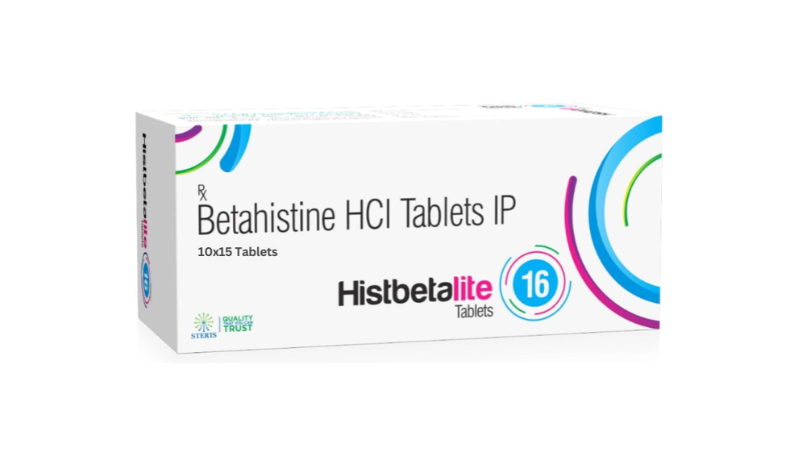
HISTBETALITE 16, from Steris Healthcare, is a tablet containing betahistine 16 mg. Betahistine is a histamine-analogue medicine used mainly to treat symptoms of vestibular disorders, the conditions that affect the balance organs of the inner ear.
The betahistine tablet uses that doctors commonly consider include:
- Vertigo (a spinning sensation) associated with Ménière’s disease
- Tinnitus (ringing or buzzing in the ear) linked to Ménière’s disease
- Hearing loss and a feeling of fullness in the ear in Ménière’s syndrome
- Balance disturbances of vestibular origin
- Vestibular vertigo in some patients, as decided by an ENT specialist or physician
Approved indications vary by country and brand. Betahistine is a prescription medicine, and your doctor will decide whether a betahistine tablet suits your diagnosis. Dizziness has many causes, including low blood pressure, anaemia, heart rhythm problems, medicine side effects and neurological conditions, so a proper evaluation matters before treatment.
Why Is Betahistine Important?
Ménière’s disease is a chronic inner-ear condition in which attacks of vertigo come in episodes lasting from twenty minutes to several hours, often with tinnitus, fluctuating hearing and ear fullness. It is thought to be linked to a build-up of fluid (endolymph) in the inner ear. Because attacks are unpredictable, many patients live in fear of the next one.
Here is why betahistine has an established place in treatment:
- It targets the inner ear and its circulation. Unlike sedating anti-vertigo drugs, it aims to address the mechanism behind the symptoms, not just suppress the sensation.
- It is generally non-sedating. Many older vertigo medicines, such as certain antihistamines and benzodiazepines, cause drowsiness. Betahistine usually does not, so patients can often continue daily activities.
- It can be used long term under supervision. For recurring Ménière’s attacks, doctors sometimes prescribe courses lasting several months, with periodic review.
- It supports vestibular recovery. In patients recovering from vestibular damage, betahistine is thought to aid central compensation, the brain’s process of adapting to altered balance signals.
- It has a long record of use in Europe and other regions, dating back decades.
For patients, the practical gain is fewer and milder spells of vertigo, less ringing and a return of confidence in walking, working and travelling.
Mechanism of Action
What Is in HISTBETALITE 16?
Each tablet contains betahistine 16 mg (commonly as the dihydrochloride salt), together with inactive ingredients that form the tablet. Always check the carton for the precise composition.
How Does Betahistine Work?
The exact mechanism is not fully understood, but research points to several actions:
- Histamine H3 receptor antagonism: Betahistine blocks H3 receptors in the brain and nerve endings. This increases the release of histamine and other neurotransmitters involved in balance regulation.
- Weak histamine H1 receptor agonism: This effect on blood vessels in the inner ear is thought to improve local blood flow.
- Improved microcirculation in the inner ear: Better blood flow in the cochlea and vestibular area may reduce the pressure and fluid imbalance associated with Ménière’s disease.
- Support for vestibular compensation: Increased histamine turnover in the brainstem may help the brain adapt to abnormal balance signals, which is particularly relevant after vestibular injury.
- Reduced firing of vestibular nerve cells: This may reduce the abnormal signals that produce the spinning sensation.
Betahistine is rapidly absorbed from the gut and is converted by the body to an inactive metabolite, which is excreted in the urine, mostly within 24 hours. Because its effect builds gradually, it is not a rescue medicine for an acute attack. Benefit usually appears over days to weeks of regular use.
Key Benefits
What Are the Benefits of HISTBETALITE 16?
- Reduces the frequency and severity of vertigo attacks in Ménière’s disease for many patients.
- Helps ease tinnitus and ear fullness, although responses vary.
- Generally non-sedating, so many people stay alert during the day.
- Flexible 16 mg strength, which allows a doctor to build a dose gradually, commonly as one tablet taken a few times a day.
- Well tolerated by most people, with side effects that are usually mild.
- Suitable for extended courses when prescribed, with regular review.
- Supports balance recovery in patients adapting to vestibular changes.
- Does not depress breathing or cause the dependence associated with some vertigo medicines.
Indications, Efficacy and Clinical Evidence
A balanced summary of what research shows:
- Observational and older trials: Many earlier studies and clinical experience reported reductions in vertigo frequency, tinnitus and ear fullness in patients with Ménière’s disease treated with betahistine.
- The BEMED trial: This large, well-designed, randomised, placebo-controlled trial tested betahistine at lower and higher doses in Ménière’s disease. It did not find a significant difference from placebo in the primary outcome of attack frequency. This is an important and honest finding that doctors take into account.
- Cochrane review conclusions: Systematic reviews have described the evidence for betahistine in Ménière’s disease as of low quality. They note that some studies suggest benefit but that the overall certainty is limited, and larger high-quality trials are still needed.
- Why it remains widely prescribed: Betahistine has a favourable safety profile, many clinicians and patients report symptomatic improvement, and the natural course of Ménière’s disease includes fluctuations that make the response hard to judge. Guidelines in several regions still list it as an option, often alongside lifestyle measures.
- Vestibular disorders beyond Ménière’s: Evidence is mixed. Some studies suggest benefit for vestibular vertigo and recovery after vestibular neuritis, but results are inconsistent.
- Practical takeaway: Betahistine is best viewed as one part of a plan that may include dietary salt reduction, trigger management, vestibular rehabilitation exercises and, if needed, other therapies chosen by an ENT specialist. A trial of therapy with review after a few weeks to months is common.
Dosage Guidelines
The dose must always be set by your doctor. The following is general information and not a prescription.
- Adults: A commonly used daily range is about 24 to 48 mg, divided into two or three doses. With 16 mg tablets, a doctor may prescribe one tablet two or three times a day, adjusted to the patient’s response. Different countries’ leaflets give different ranges, so follow the label and your doctor.
- How to take it: Take the tablet with or after meals. Food reduces the chance of mild stomach upset.
- Swallowing: Swallow with a glass of water. Do not crush unless instructed.
- Be patient: Improvement may be gradual and can take several weeks. Do not judge the medicine after a single day.
- Duration: Your doctor will decide how long to continue, sometimes for a few months, with review. Do not stop or extend treatment on your own.
- Missed dose: Take it when you remember, unless the next dose is near. Never take a double dose.
- Children: Betahistine is generally not recommended for children and adolescents under 18 because of limited data.
- Elderly patients: No routine adjustment is usually needed, but your doctor will review your overall health.
- Kidney or liver impairment: Data are limited, so use with caution and medical guidance.
Side Effects
Betahistine is usually well tolerated. When side effects occur, they are generally mild and may include:
- Nausea or an upset stomach
- Indigestion or a feeling of bloating
- Headache
- Mild abdominal discomfort
- Heartburn or acidity
- Skin itching or a mild rash
- Occasional drowsiness (uncommon)
Taking tablets with food often reduces stomach symptoms. Tell your doctor if side effects persist.
Available Substitutes
Several pharmaceutical companies market betahistine tablets in India and elsewhere, and strengths such as 8 mg, 16 mg and 24 mg are common. Betahistine is also available in some markets in slow-release or other forms. Strengths and dosing schedules differ between products, so they are not automatically interchangeable. Other medicines used for vertigo include cinnarizine, flunarizine, dimenhydrinate and prochlorperazine, but these work differently, may cause drowsiness and are used for different situations. Never switch products yourself. Ask your doctor or pharmacist to confirm the strength, schedule and suitability for you.
Precautions and Warnings
Do not use betahistine if you:
- Are allergic to betahistine or any ingredient in the tablet
- Have phaeochromocytoma, a rare adrenal tumour, because histamine-like effects may provoke a surge in blood pressure
Tell your doctor before starting if you:
- Have asthma or a history of bronchial asthma, since close monitoring is advised
- Have a peptic ulcer or a history of stomach ulcers
- Have urticaria, skin rashes or allergic rhinitis, as these may worsen
- Have low blood pressure or heart conditions
- Have kidney or liver problems
- Are pregnant or planning pregnancy. Safety data are limited, and it is generally better to avoid it unless the doctor decides the benefit outweighs the risk.
- Are breastfeeding. Betahistine passes into breast milk in animal studies, so discuss it with your doctor.
- Have intolerance to lactose or other excipients listed on the pack
Practical advice:
- Do not drive or operate machinery until you know how the medicine affects you, particularly because vertigo itself can make these tasks dangerous.
- Sit or lie down at once if you feel an attack starting.
- Reduce dietary salt, limit caffeine and alcohol, avoid smoking, and manage stress, since these can influence Ménière’s symptoms.
- Ask about vestibular rehabilitation exercises, which many patients find helpful.
- Keep a symptom diary of attacks, triggers and any medicine effects to help your doctor assess progress.
- Seek urgent care for sudden dizziness with severe headache, weakness, speech difficulty, chest pain or vision loss.
- Store the tablets in a cool, dry place, away from children.
Frequently Asked Questions (FAQs)
1. What is betahistine 16 mg used for?
Betahistine 16 mg is used to treat vertigo, tinnitus and ear fullness associated with Ménière’s disease and some other vestibular disorders.
2. What is HISTBETALITE 16?
HISTBETALITE 16 is a betahistine 16 mg tablet marketed by Steris Healthcare.
3. What are the main betahistine tablet uses?
Managing vertigo, ringing in the ears, hearing fluctuations and balance problems linked to inner-ear disorders, as decided by a doctor.
4. How does betahistine work?
It blocks histamine H3 receptors and has weak H1 activity, which is thought to improve inner-ear blood flow and reduce abnormal vestibular signalling.
5. Is betahistine a sedative?
No. It is generally non-sedating, although occasional drowsiness can occur.
6. How long does betahistine take to work?
Benefit is usually gradual and may take days to weeks of regular use.
7. Can betahistine stop a sudden vertigo attack?
It is not a rescue medicine. It is used regularly to reduce the frequency and severity of attacks, and acute attacks may need other treatment.
8. How many betahistine 16 mg tablets can I take in a day?
It depends on your doctor’s plan. Commonly the daily total is divided into two or three doses, and you should follow your prescription.
9. Should I take betahistine with food?
Yes, taking it with or after meals helps reduce stomach upset.
10. What are the common side effects of betahistine?
Nausea, indigestion, headache, bloating and mild stomach discomfort.
Conclusion
HISTBETALITE 16 by Steris Healthcare, containing betahistine 16 mg, is a histamine-analogue tablet used to manage vertigo, tinnitus and ear fullness in Ménière’s disease and certain vestibular disorders. It is typically non-sedating, generally well tolerated and can be used under supervision for extended periods. At the same time, the clinical evidence is mixed: some studies and many patients report benefit, while a large trial such as BEMED did not show a clear advantage over placebo. That is why betahistine works best as part of an individualised plan with a proper diagnosis, lifestyle adjustments and follow-up with your doctor. Report severe allergic symptoms, stomach bleeding signs or sudden neurological symptoms immediately.
For Further Information:
Mail Us: contact@sterispharma.com or info@sterispharma.com
Call Now: +91 8824175417, +91 9982524671
Recent Post

What Is Empagliflozin and Metformin? Uses, Benefits, and Side Effects
Hydrochlorothiazide 12.5 mg: Uses, Benefits & Side Effects
What Is Colchicine 0.5 mg Used For? A Complete Guide
Sitagliptin and Metformin Tablets for Type 2 Diabetes: Uses and Benefits

Fluticasone Furoate Nasal Spray: Uses, Benefits and Precautions
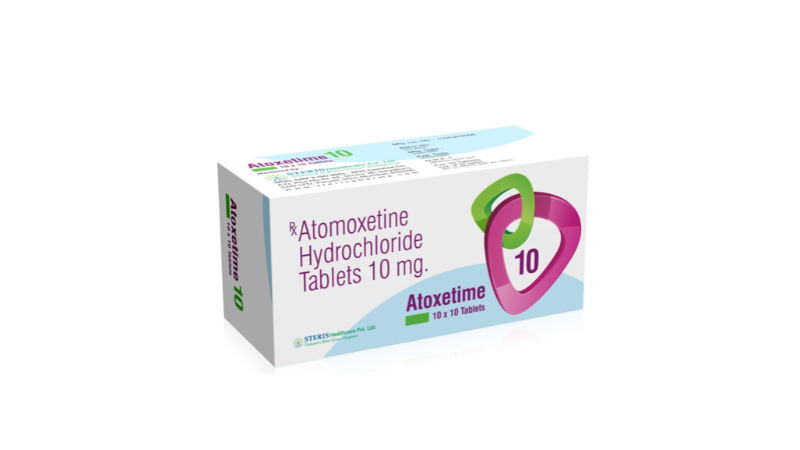
Atomoxetine 10 mg Tablet Price in India

L-Carnitine and CoQ10: Benefits, Uses and Precautions
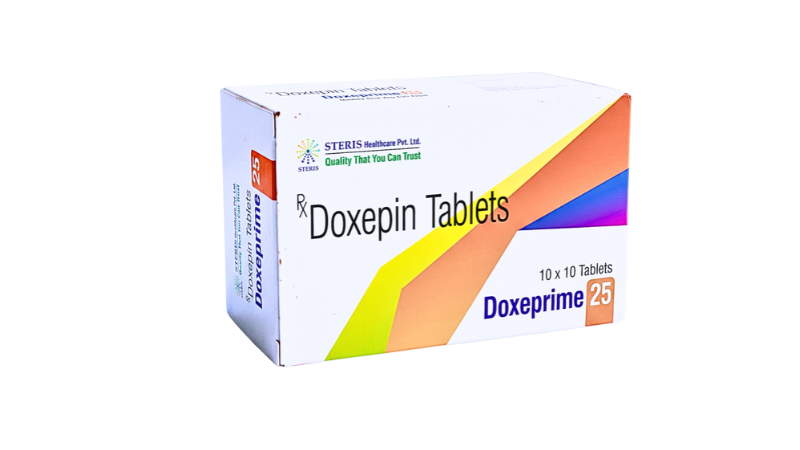
Doxepin Hydrochloride 25 mg Tablets: Uses, Benefits & Price in India
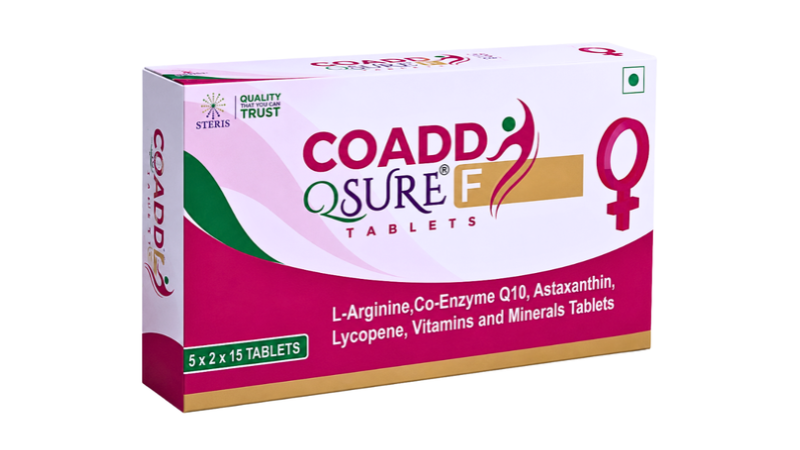
Understanding the Benefits of Astaxanthin and Lycopene Tablets
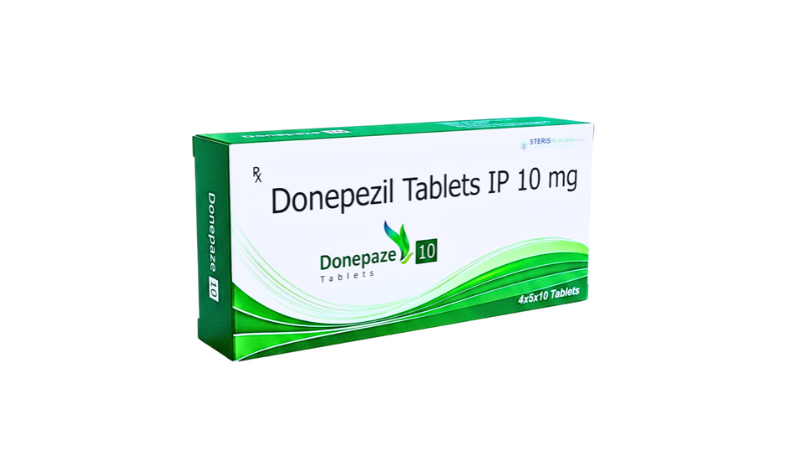
Donepezil Hydrochloride 10 mg Tablet – Uses, Price & Buy Online in India

