


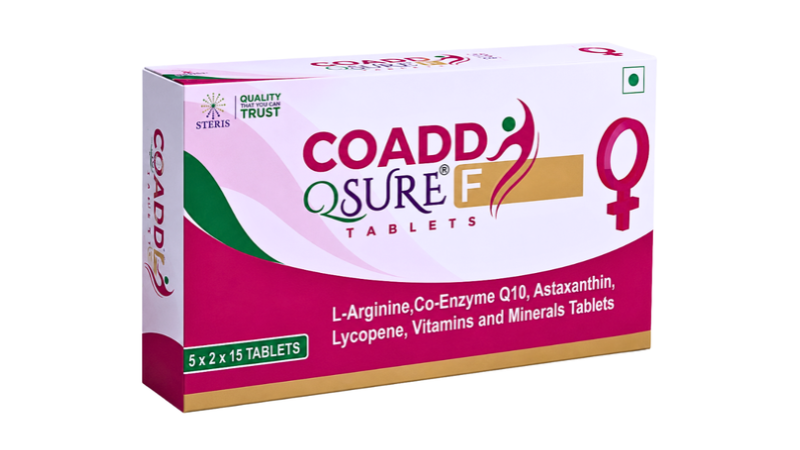


Understanding the Benefits of Astaxanthin and Lycopene Tablets
Oct 22, 2026
CO ADD Q SURE F, from Steris Healthcare, is a combination nutritional supplement that pairs two carotenoid antioxidants, astaxanthin and lycopene, with three nutrients central to blood health and nerve function: ferrous gluconate (iron), pyridoxine hydrochloride (vitamin B6) and vitamin B12.
Doctors and nutrition professionals may consider this type of astaxanthin tablet formulation for:
- Nutritional support in iron-deficiency states and mild anaemia
- Fatigue and weakness linked to low iron or B-vitamin intake
- Antioxidant support in people with high oxidative stress
- Recovery after illness or surgery, when nutritional demand rises
- Dietary gaps in vegetarians, older adults and people with poor appetite
- General cellular, skin and eye health support
This is a nutritional supplement, not a cure for any disease. It works best alongside a balanced diet, and any suspected anaemia should be confirmed with a blood test before you begin.
Why Is This Combination Important?
The body needs several nutrients working together to make healthy red blood cells and protect them from damage.
- Iron is the core building block of haemoglobin, the protein that carries oxygen in your blood. Without enough iron, tissues get less oxygen and you feel exhausted.
- Vitamin B6 helps the body use iron to make haemoglobin and supports hundreds of enzyme reactions, including those that make neurotransmitters.
- Vitamin B12 is essential for forming mature red blood cells and for keeping nerves healthy. A deficiency can cause a different kind of anaemia, along with tingling, memory problems and weakness.
- Astaxanthin and lycopene are carotenoids, plant pigments with antioxidant activity. They help neutralise free radicals, the unstable molecules that damage cells, fats and proteins.
Iron is also a pro-oxidant. In the gut and in tissues, it can generate free radicals. Pairing it with antioxidants is a sensible nutritional strategy, which is part of why such blends exist. The strength of the evidence for that specific benefit varies, and we cover this honestly in the evidence section below.
Mechanism of Action
Understanding each ingredient helps you use the tablet wisely.
Astaxanthin: Astaxanthin is a red-orange carotenoid found in microalgae (Haematococcus pluvialis), salmon, shrimp and krill. Its molecular structure lets it sit across cell membranes, where it can neutralise free radicals on both the inner and outer surface. It is often described as a potent antioxidant. It also appears to modulate inflammatory signalling. Because it is fat-soluble, it is better absorbed with a meal that contains some fat.
Lycopene: Lycopene is the carotenoid that gives tomatoes, watermelon and pink guava their colour. It is an efficient singlet-oxygen quencher, meaning it neutralises one particularly reactive form of oxygen. Lycopene has been studied for cardiovascular health, skin protection against UV damage and prostate health. It is also fat-soluble and better absorbed with food.
Ferrous Gluconate: Ferrous gluconate is an organic iron salt, with iron in the ferrous (Fe²⁺) form that the intestine absorbs readily. Once absorbed, iron is carried by transferrin to the bone marrow, where it is built into haemoglobin. Compared with ferrous sulphate, ferrous gluconate contains a lower percentage of elemental iron per milligram but is generally considered gentler on the stomach for some people.
Pyridoxine Hydrochloride (Vitamin B6): Once absorbed, pyridoxine is converted into pyridoxal-5-phosphate (PLP), the active coenzyme. PLP supports haem synthesis, amino-acid metabolism and the production of neurotransmitters such as serotonin and GABA.
Vitamin B12: Vitamin B12 works with folate in DNA synthesis, which red-cell production depends on. It also maintains the myelin sheath that insulates nerves.
Key Benefits
What Are the Benefits of CO ADD Q SURE F?
- Supports healthy haemoglobin and red blood cells: Iron, B6 and B12 address the main nutritional requirements for blood formation.
- May reduce fatigue: When tiredness is caused by iron or B12 deficiency, correcting it often improves energy over several weeks.
- Antioxidant protection: Astaxanthin and lycopene help counter oxidative stress.
- Nerve health: B12 and B6 support normal nerve function.
- Skin and eye support: Carotenoids accumulate in skin and the retina, where they may help protect against light-induced damage.
- Convenience: One tablet replaces several separate supplements, which can improve consistency.
- Gentler iron form: Ferrous gluconate is often better tolerated than some other iron salts.
Indications, Efficacy and Clinical Evidence
Here is an honest look at what research shows for each component.
- Iron: The evidence is strong. Oral iron is the standard treatment for iron-deficiency anaemia, and haemoglobin typically begins to rise within a few weeks. Iron should only be taken when needed, because excess iron is harmful.
- Vitamin B12: Strong evidence for treating deficiency and its anaemia and neurological effects. Benefits in people who are not deficient are not established.
- Vitamin B6: Well established for correcting deficiency and supporting haemoglobin synthesis. High doses over a long time can cause nerve damage, so more is not better.
- Astaxanthin: Small to moderate human trials suggest benefits for antioxidant markers, skin elasticity and moisture, eye fatigue and exercise recovery. Most trials are short and use varied doses, so the evidence is promising but not conclusive.
- Lycopene: Observational studies link higher lycopene intake with lower cardiovascular and prostate risk. Supplement trials show mixed results, and large well-controlled trials remain limited.
The takeaway: the iron and vitamin components have a solid evidence base for correcting deficiencies, while the carotenoid components are best viewed as supportive antioxidants with encouraging but still developing evidence.
Dosage Guidelines
Always follow the directions on your pack or your doctor’s prescription. General guidance:
- Adults: Usually one tablet once daily, or as directed by your physician.
- How to take it: Swallow the tablet whole with water. Taking it after a meal improves the absorption of the carotenoids and lowers the risk of stomach upset from iron.
- Duration: Iron-containing supplements are typically continued for a defined period, often a few months, and then reviewed with blood tests. Do not take iron indefinitely without checking your levels.
- Timing with other medicines: Keep a gap of about two hours between this tablet and thyroid medicine, certain antibiotics (tetracyclines, fluoroquinolones) and antacids, as iron can reduce their absorption.
- Tea and coffee: These can reduce iron absorption. Avoid them for an hour or two around the dose.
- Missed dose: Take it when you remember unless it is nearly time for the next one. Do not double up.
- Children: Not for children unless a paediatrician specifically advises it. Iron overdose in children is dangerous.
Side Effects
Most people tolerate this type of supplement well. Possible effects include:
- Nausea, stomach discomfort or heartburn
- Constipation or, less often, diarrhoea
- Dark green or black stools (a common, harmless effect of iron)
- Metallic taste
- Mild headache
- Slight orange-pink tinge to skin or stool with high carotenoid intake
- Mild skin rash or itching in sensitive individuals
Taking the tablet after food usually helps. Tell your doctor if symptoms persist.
Available Substitutes
Various companies market combination antioxidant and haematinic (blood-building) supplements with overlapping ingredients. However, formulations differ in strength and in the exact salts used. There is no guarantee that another brand is an exact match. Before switching, ask your doctor or pharmacist to compare the strengths of iron, B6 and B12 and to confirm that the product suits your needs. Do not combine two similar supplements, as this can lead to excessive iron or B6.
Precautions and Warnings
Do not use if you:
- Are allergic to any ingredient in the tablet
- Have haemochromatosis, thalassaemia major or any condition of iron overload
- Have anaemia not caused by iron deficiency, unless your doctor advises it
- Are receiving frequent blood transfusions
Use with caution and consult your doctor if you:
- Have peptic ulcers, inflammatory bowel disease or chronic gastrointestinal conditions
- Have kidney or liver disease
- Are pregnant or breastfeeding. Supplements need a doctor’s review for dose and safety.
- Take blood thinners, since carotenoids and some supplements may influence clotting in rare cases
- Take levodopa, as vitamin B6 can reduce its effect when taken without a decarboxylase inhibitor
- Are taking thyroid medicine, certain antibiotics or antacids, due to absorption interactions
Practical advice:
- Get a blood test (haemoglobin, ferritin and B12) before and during treatment.
- Store the tablets away from children. Accidental iron overdose is a medical emergency.
- Keep the pack in a cool, dry place, away from direct sunlight.
- Maintain a diet rich in colourful vegetables, leafy greens, pulses and, if suitable, lean protein.
- Do not exceed the recommended dose.
Frequently Asked Questions (FAQs)
1. What are astaxanthin tablets used for?
Astaxanthin tablets are used as an antioxidant supplement to support skin, eye health, exercise recovery and protection against oxidative stress.
2. What are the main astaxanthin benefits?
Research suggests it may support skin elasticity and hydration, reduce eye fatigue and help with muscle recovery. Evidence is promising but still developing.
3. What is CO ADD Q SURE F?
CO ADD Q SURE F is a combination supplement from Steris Healthcare containing astaxanthin, lycopene, ferrous gluconate, pyridoxine hydrochloride and vitamin B12.
4. What are lycopene uses?
Lycopene is used as an antioxidant that may support heart health, skin protection and prostate health.
5. What is a lycopene tablet used for?
A lycopene tablet supplies this antioxidant in concentrated form for people who may not get enough from foods such as tomatoes and watermelon.
6. What are ferrous gluconate tablets used for?
Ferrous gluconate tablets are used to prevent and treat iron deficiency and iron-deficiency anaemia.
7. Is ferrous gluconate better than ferrous sulphate?
It is often better tolerated by the stomach, though it contains less elemental iron per milligram. Your doctor will choose based on your needs.
8. What are pyridoxine hydrochloride uses?
It is vitamin B6, used to prevent and treat B6 deficiency and to support haemoglobin production, nerve function and amino-acid metabolism.
9. What is a pyridoxine tablet good for?
A pyridoxine tablet corrects low B6 levels and supports energy metabolism and nerve health.
10. What are vitamin B12 tablets used for?
Vitamin B12 tablets treat or prevent B12 deficiency, which can cause anaemia, fatigue and nerve problems.
Conclusion
CO ADD Q SURE F by Steris Healthcare brings together astaxanthin, lycopene, ferrous gluconate, pyridoxine hydrochloride and vitamin B12 in one tablet, combining antioxidant carotenoids with the core nutrients for healthy blood and nerves. The iron and vitamin components have well-established roles in correcting deficiency, while astaxanthin and lycopene offer promising antioxidant support. Used at the right dose, with a doctor’s guidance and periodic blood tests, it can be a practical nutritional aid. It is not a replacement for a healthy diet or for medical evaluation of persistent fatigue.
For Further Information:
Mail Us: contact@sterispharma.com or info@sterispharma.com
Call Now: +91 8824175417, +91 9982524671
Recent Post
What Is Colchicine 0.5 mg Used For? A Complete Guide
Sitagliptin and Metformin Tablets for Type 2 Diabetes: Uses and Benefits
Fluticasone Furoate Nasal Spray: Uses, Benefits and Precautions
Atomoxetine 10 mg Tablet Price in India
L-Carnitine and CoQ10: Benefits, Uses and Precautions
Doxepin Hydrochloride 25 mg Tablets: Uses, Benefits & Price in India
Donepezil Hydrochloride 10 mg Tablet – Uses, Price & Buy Online in India
What Is Tiapride 50 mg Used For? A Complete Guide
Tiapride 25 mg: Uses, Dosage and Possible Side Effects
Aceclofenac, Paracetamol and Serratiopeptidase: Uses, Dosage and Precautions

