


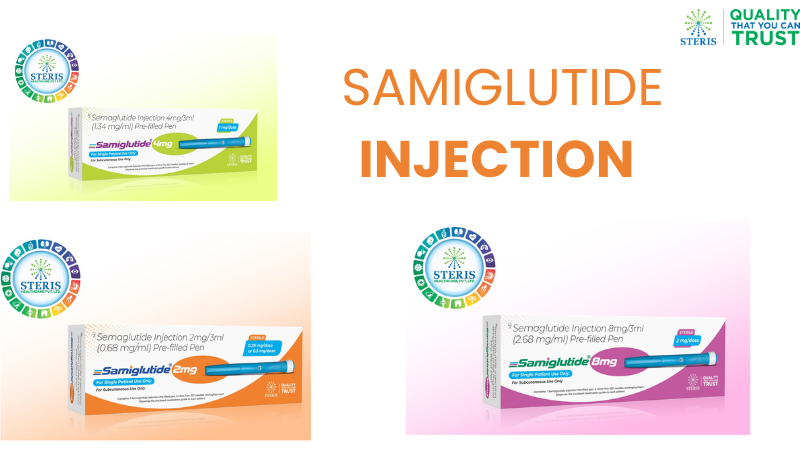



Semaglutide Injection: Uses, Benefits, Dosage, Side Effects & Precautions
Aug 24, 2026
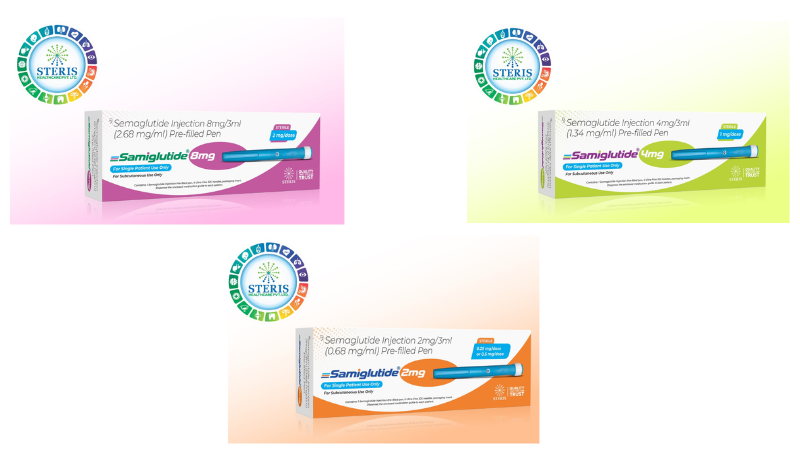
1. SAMIGLUTIDE 2 MG (Semaglutide Injection 2 mg / 1.5 mL or 2 mg total strength)
SAMIGLUTIDE 2 mg is designed for the initial phase of therapy. It provides low-dose administration to allow the gastrointestinal tract to adapt to GLP-1 receptor activation while minimizing adverse effects.
Key Benefits
-
Appetite & Craving Suppression: Reduces food intake by targeting the hypothalamus and satiety signals.
-
Blood Sugar Regulation: Improves baseline fasting and post-meal blood glucose levels without inducing unnecessary hypoglycemia when used as monotherapy.
-
Gradual Weight Reduction: Promotes early body weight loss by slowing gastric emptying rate.
-
Cardiovascular Support: Helps optimize metabolic parameters including HbA1c levels, lipid markers, and systemic inflammation.
Dosage & Administration
-
Starting Titration: Administer 0.25 mg once weekly for the first 4 weeks.
-
Dose Step-Up: Increase to 0.5 mg once weekly from Week 5 through Week 8.
-
Administration: Inject subcutaneously into the abdomen, thigh, or upper arm once every 7 days, with or without food, on the same day each week.
Side Effects
-
Common: Mild to moderate nausea, transient diarrhea, constipation, bloating, abdominal cramps, and headache.
-
Serious/Precautions: Risk of pancreatitis, acute gallbladder events (cholecystitis), dehydration-induced acute kidney injury, severe allergic reactions, and hypoglycemia when combined with insulin secretagogues.
Conclusion
SAMIGLUTIDE 2 mg serves as the gateway to GLP-1 therapy. It ensures patients achieve physiological tolerance before stepping up to higher therapeutic doses.
Frequently Asked Questions
-
What is SAMIGLUTIDE 2 mg used for?
It is used as an initial low-dose treatment for glycemic control in Type 2 Diabetes and to initiate weight management protocols.
-
How do I inject SAMIGLUTIDE 2 mg?
Inject subcutaneously under the skin into your stomach area, upper thigh, or upper arm once weekly.
-
Can I start SAMIGLUTIDE directly at a higher dose than 0.25 mg?
No. Starting at higher doses significantly increases the risk of severe gastrointestinal side effects like vomiting and severe nausea.
-
What should I do if I miss my weekly SAMIGLUTIDE 2 mg dose?
Take it as soon as remembered within 5 days. If more than 5 days have elapsed, skip the missed dose and resume on your regular day.
-
Do I need to take SAMIGLUTIDE 2 mg with meals?
No, it can be administered at any time of day, with or without food.
-
How long does one SAMIGLUTIDE 2 mg pen last?
Depending on the precise pen configuration, a 2 mg total content pen typically delivers four 0.25 mg doses and two 0.5 mg doses across early titration.
-
How does SAMIGLUTIDE 2 mg help with weight loss?
It slows down stomach emptying and signals fullness to the brain, helping you naturally consume fewer calories.
-
What are the most common initial side effects of SAMIGLUTIDE 2 mg?
Nausea, mild constipation, diarrhea, and decreased appetite are the most common.
-
Can SAMIGLUTIDE 2 mg cause low blood sugar (hypoglycemia)?
When used alone, risk is minimal because its action is glucose-dependent. Risk increases if combined with sulfonylureas or insulin.
-
How long does it take for SAMIGLUTIDE 2 mg to start working?
Appetite suppression and glycemic effects usually begin within the first 1 to 2 weeks.
-
Where should I store my SAMIGLUTIDE 2 mg pen?
Store unused pens in the refrigerator between 36°F to 46°F (2°C to 8°C). In-use pens can be stored at controlled room temperature.
-
Can SAMIGLUTIDE 2 mg cause hair loss?
Hair thinning can occur secondary to rapid weight loss rather than the drug itself, and is typically temporary.
-
Is SAMIGLUTIDE 2 mg safe during pregnancy?
No. Discontinue at least 2 months before a planned pregnancy due to potential fetal harm.
-
What foods should I avoid while on SAMIGLUTIDE 2 mg?
Avoid ultra-processed, fatty, fried, or high-sugar foods, which can worsen nausea and gastrointestinal distress.
-
Who should NOT take SAMIGLUTIDE 2 mg?
Individuals with a personal or family history of Medullary Thyroid Carcinoma (MTC) or Multiple Endocrine Neoplasia syndrome type 2 (MEN 2).
2. SAMIGLUTIDE 4 MG (Semaglutide Injection 4 mg / 3 mL)
SAMIGLUTIDE 4 mg provides intermediate therapeutic dosing. This stage transitions patients from low titration doses toward sustained glycemic control and weight reduction targets.
Key Benefits
-
Accelerated Fat Loss: Enhances metabolic output and maintains lean muscle while reducing visceral adiposity.
-
HbA1c Reduction: Achieves clinical HbA1c reductions in adult patients with Type 2 Diabetes.
-
Prolonged Satiety: Significantly extends gastric emptying times to eliminate impulse eating and night snacking.
-
Metabolic Health Optimization: Improves systemic insulin sensitivity and assists in blood pressure management.
Dosage & Administration
-
Therapeutic Step-Up: Administer 1.0 mg once weekly starting at Week 9 after completing lower titration steps.
-
Administration: Subcutaneous injection once weekly on a fixed day of the week. Rotate injection sites weekly between the abdomen, thigh, and upper arm to avoid tissue lipodystrophy.
Side Effects
-
Common: Moderate nausea, acid reflux/GERD, constipation, fatigue, vomiting, and loose stools.
-
Serious/Precautions: Symptomatic gallbladder disease (gallstones), pancreatitis, persistent severe abdominal pain radiating to the back, and potential renal impairment secondary to vomiting/dehydration.
Conclusion
SAMIGLUTIDE 4 mg provides steady glycemic control and progressive body weight management for patients who have tolerated early doses.
Frequently Asked Questions
-
What is SAMIGLUTIDE 4 mg pen used for?
It delivers intermediate weekly doses (such as 1.0 mg) for patients moving past the initial titration phase for diabetes or weight control.
-
How many weekly doses are in a SAMIGLUTIDE 4 mg pen?
When set to a standard 1.0 mg weekly injection, a 4 mg pen delivers 4 weekly doses.
-
Can I jump directly to SAMIGLUTIDE 4 mg if I missed previous months?
No. Skipping the escalation phase increases the risk of severe nausea, dehydration, and vomiting.
-
What is the recommended weekly maintenance dose delivered by SAMIGLUTIDE 4 mg?
The typical therapeutic target for Type 2 Diabetes control at this stage is 1 mg once weekly.
-
How do I manage nausea when stepping up to SAMIGLUTIDE 4 mg?
Eat smaller meals, avoid greasy foods, drink plenty of water, and refrain from lying down immediately after eating.
-
Can SAMIGLUTIDE 4 mg cause gallbladder problems?
Rapid weight loss and GLP-1 receptor activation can increase the risk of gallstones or cholecystitis.
-
Is it okay to change my injection day with SAMIGLUTIDE 4 mg?
Yes, provided the time between two doses is at least 48 hours (2 days).
-
How does SAMIGLUTIDE 4 mg affect fasting blood glucose?
It significantly reduces fasting and postprandial glucose levels by optimizing insulin response when blood sugar levels rise.
-
Can SAMIGLUTIDE 4 mg cause constipation?
Yes, slowed GI motility can lead to constipation. Increase dietary fiber and fluid intake to keep bowel movements regular.
-
What happens if I accidentally take too much SAMIGLUTIDE 4 mg?
Contact your doctor or local poison control immediately; severe overdose can cause prolonged nausea, vomiting, and low blood sugar.
-
Do I need to adjust my SAMIGLUTIDE 4 mg dose if I have mild kidney problems?
Dose adjustments are generally not required for mild to moderate renal impairment, but hydration must be closely monitored.
-
Can I use SAMIGLUTIDE 4 mg alongside metformin?
Yes, it is commonly co-prescribed with metformin to manage Type 2 Diabetes under medical supervision.
-
Why am I experiencing acid reflux on SAMIGLUTIDE 4 mg?
Delayed gastric emptying can cause stomach contents to remain longer, leading to heartburn or GERD symptoms.
-
How long can SAMIGLUTIDE 4 mg stay at room temperature?
Once in use, the pen can typically stay at room temperature (up to 86°F / 30°C) for up to 56 days (8 weeks), depending on specific storage guidelines.
-
Does SAMIGLUTIDE 4 mg alter the absorption of oral medications?
Because it delays gastric emptying, it may affect the absorption rate of certain oral co-medications.
3. SAMIGLUTIDE 8 MG (Semaglutide Injection 8 mg / 3 mL)
SAMIGLUTIDE 8 mg provides maximum therapeutic coverage. It is indicated for patients who require higher maintenance dosing to reach advanced glycemic targets and maximum chronic weight management outcomes.
Key Benefits
-
Maximum Weight Loss Outcomes: Helps patients reach long-term weight reduction goals combined with lifestyle modifications.
-
Superior Glycemic Control: Offers strong long-term HbA1c control for patients needing higher GLP-1 receptor activation.
-
Cardiovascular Risk Reduction: Helps reduce the risk of major adverse cardiovascular events (MACE) like cardiovascular death, non-fatal myocardial infarction, or stroke in high-risk adults.
-
Improved Metabolic Profile: Helps reduce waist circumference, hepatic fat content, and overall systemic inflammation.
Dosage & Administration
-
Maximum Maintenance Dose: Administer 1.7 mg to 2.0 mg (or up to 2.4 mg target) once weekly based on patient tolerance and therapeutic goal.
-
Administration: Subcutaneous injection once weekly into the upper arm, thigh, or abdomen.
-
Consistency: Take on the same day each week at any time of day.
Side Effects
-
Common: Persistent gastrointestinal symptoms (nausea, diarrhea, constipation, gas, belching, abdominal pain, fatigue).
-
Serious/Precautions: Acute pancreatitis, acute gallbladder disease, severe allergic reactions, elevated heart rate, and worsening of diabetic retinopathy in patients with pre-existing vascular eye conditions.
Conclusion
SAMIGLUTIDE 8 mg delivers high-tier maintenance treatment. It offers strong support for metabolic health, long-term glucose management, and chronic weight control under ongoing medical supervision.
Frequently Asked Questions
-
What is SAMIGLUTIDE 8 mg pen used for?
It is a high-capacity pen designed to deliver maximal therapeutic weekly maintenance doses (e.g., 2 mg per week) for long-term treatment.
-
Is SAMIGLUTIDE 8 mg suitable for beginners?
No. Beginners must start at 0.25 mg weekly (using 2 mg pens) to build gastrointestinal tolerance.
-
How many 2 mg doses are in an 8 mg SAMIGLUTIDE pen?
An 8 mg / 3 mL pre-filled pen delivers exactly four 2 mg weekly doses.
-
What should I do if my weight loss plateaus on SAMIGLUTIDE 8 mg?
Consult your healthcare provider to evaluate your dietary intake, daily activity, muscle mass, or potential dosing adjustments.
-
Does SAMIGLUTIDE 8 mg cause diabetic retinopathy complications?
Rapid reductions in blood sugar can temporarily exacerbate diabetic retinopathy. Regular ophthalmologic monitoring is recommended for diabetic patients.
-
Can SAMIGLUTIDE 8 mg increase resting heart rate?
GLP-1 receptor agonists can cause a slight increase in resting heart rate. Inform your doctor if you experience persistent heart palpitations.
-
How does SAMIGLUTIDE 8 mg compare to daily GLP-1 injections?
It provides extended-release, once-weekly dosing, eliminating the need for daily subcutaneous injections.
-
Can I use SAMIGLUTIDE 8 mg if I have thyroid nodules?
It is contraindicated if you have a personal or family history of medullary thyroid carcinoma (MTC) or MEN 2.
-
What happens if I stop taking SAMIGLUTIDE 8 mg abruptly?
Appetite suppression will decline, gastric emptying will return to baseline speeds, and lost weight or higher blood glucose levels may return over time.
-
Can I freeze SAMIGLUTIDE 8 mg pens to extend shelf life?
No. Never freeze SAMIGLUTIDE. If the solution freezes, it breaks down the protein structure and must be discarded.
-
How does SAMIGLUTIDE 8 mg affect kidney function?
It does not directly damage kidneys, but severe dehydration from persistent vomiting or diarrhea can lead to acute kidney failure. Adequate hydration is essential.
-
Can SAMIGLUTIDE 8 mg be taken alongside insulin?
Yes, but the insulin dose may need to be adjusted by a physician to reduce the risk of severe hypoglycemia.
-
Is SAMIGLUTIDE 8 mg approved for cardiovascular protection?
GLP-1 therapy helps reduce the risk of major adverse cardiovascular events (MACE) in adults with established cardiovascular disease.
-
What is the appearance of a normal SAMIGLUTIDE 8 mg solution?
The solution inside the pen should always be clear, colorless, and free of visible particles.
-
How long can I remain on the SAMIGLUTIDE 8 mg maintenance dose?
It is designed for chronic, long-term management as prescribed and monitored by your physician.
Recent Post
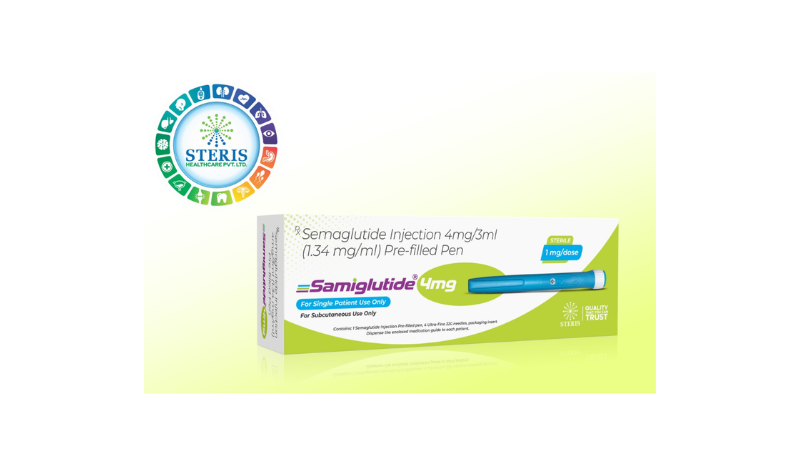
Semaglutide 4mg vs Pancreatitis Risk: What Doctors Want You to Know
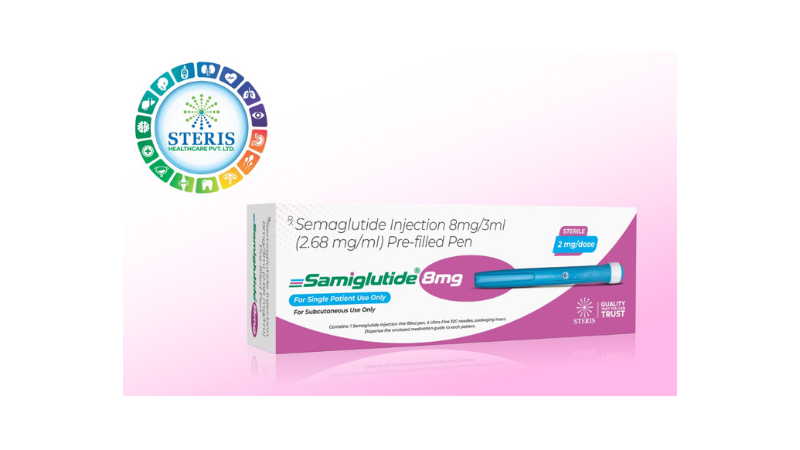
Semaglutide 8mg Injection: Frequently Asked Questions Answered by Experts
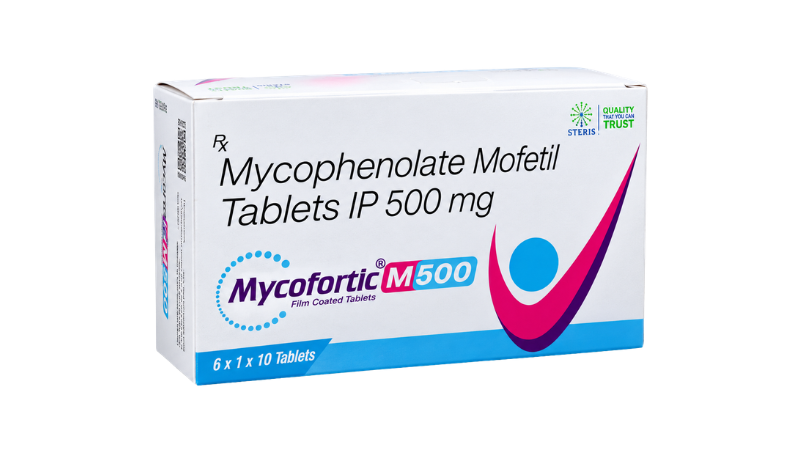
Mycophenolate Mofetil 500mg (Mycofortic M 500): Uses, Benefits & Precautions – Complete Guide
What is Bisogard 1.25? Bisoprolol 1.25mg Uses, Dosage & Side Effects Explained

Can Semaglutide Injection Be Used Without Diabetes?
What Are Nintedanib Soft Gelatin Capsules Used For? Complete Guide
Where to Buy Semaglutide Injection in India: Price, Pen & Prescription Guide
ERITOCOX BENZ 60/5 Dosage Guide: How to Take Etoricoxib & Cyclobenzaprine Tablets Safely
Gabapentin and Methylcobalamin Tablets Side Effects: What Patients Should Know
Thyroxine sodium tablets IP: उपयोग, फायदे और साइड इफेक्ट्स

