





Semaglutide 4mg vs Pancreatitis Risk: What Doctors Want You to Know
Sep 26, 2026
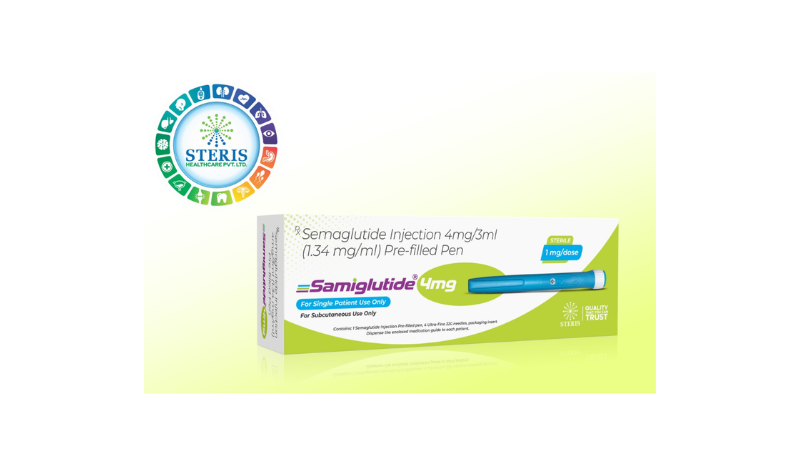
Samiglutide 4 mg is a prescription injectable medicine containing Semaglutide Injection 4mg/3ml (1.34mg/ml) in a convenient, pre-filled pen device. It belongs to a class of medicines called GLP-1 receptor agonists (Glucagon-Like Peptide-1 receptor agonists), and is prescribed for the management of Type 2 Diabetes Mellitus, and in specific cases, for chronic weight management under a doctor's guidance.
In simple terms: Semaglutide mimics a naturally occurring gut hormone called GLP-1, which the body releases after eating. This hormone plays several roles — it helps the pancreas release insulin when blood sugar is high, reduces the liver's excess glucose production, slows down stomach emptying (which helps you feel full for longer), and signals areas of the brain involved in appetite regulation. By mimicking this hormone at higher, sustained levels, semaglutide injection helps improve blood sugar control while often supporting meaningful reductions in body weight — a combination that has made this medicine one of the most talked-about treatment options in modern diabetes and weight management care.
The 4mg/3ml (1.34mg/ml) pre-filled pen format is specifically designed for once-weekly dosing, delivering precise, doctor-directed doses without the need for manual measuring or drawing up medicine from a vial — making it considerably easier for patients to manage long-term injectable therapy at home.
Samiglutide 4 mg should be used strictly under the supervision of an endocrinologist, diabetologist, or physician experienced in metabolic disease management, following a proper clinical assessment.
Why Samiglutide 4 mg Is Important
India carries one of the largest populations of people living with Type 2 diabetes in the world, and increasingly, obesity and metabolic syndrome are recognized as closely linked, compounding health risks for millions of patients. Managing blood sugar effectively — while also addressing excess body weight, a major driver of insulin resistance — has become one of the central challenges in modern diabetes care. This is precisely where a medicine like semaglutide injection has reshaped treatment expectations.
Here's why this medicine holds real clinical significance:
- It addresses two closely connected problems at once. Unlike many traditional diabetes medicines that primarily target blood sugar alone, semaglutide's appetite-regulating and gastric-emptying effects mean many patients experience improved glycemic control alongside meaningful weight reduction — a combination that directly tackles insulin resistance from two angles.
- India's dual burden of diabetes and obesity is rising sharply. Urbanization, dietary shifts toward processed and high-calorie foods, and sedentary lifestyles have driven a simultaneous rise in both conditions, often in the same patients — making dual-benefit treatments increasingly relevant to Indian clinical practice.
- It's backed by substantial global clinical evidence. Semaglutide has been studied extensively in large international clinical trial programs, both for glycemic control in Type 2 diabetes and for weight management, with consistently strong evidence supporting its efficacy and its comparatively favorable safety profile within the GLP-1 receptor agonist class.
- Once-weekly dosing supports better adherence. Compared to daily injectable therapies, a once-weekly pre-filled pen significantly reduces the treatment burden on patients, which is often a genuine barrier to consistent, long-term diabetes management.
- It may offer cardiovascular benefit in appropriate patients. Beyond blood sugar and weight, semaglutide has been studied for its potential role in reducing certain cardiovascular risk factors in patients with Type 2 diabetes and established cardiovascular disease, an area your doctor can discuss based on your specific risk profile.
For someone searching "semaglutide injection 4 mg" after a doctor recommends stepping up diabetes or weight management treatment, understanding this dual mechanism — blood sugar control paired with appetite and weight effects — helps explain why this particular medicine has become such a significant part of modern metabolic disease treatment conversations.
How Samiglutide 4 mg Works — Mechanism of Action
Semaglutide 4 mg injection works through several complementary physiological pathways:
- Stimulates glucose-dependent insulin secretion — it prompts the pancreas to release more insulin specifically when blood sugar levels are elevated, reducing the risk of triggering low blood sugar during normal fasting states compared to some older diabetes medicines
- Suppresses glucagon release — glucagon is a hormone that raises blood sugar; by reducing its release, semaglutide helps lower the liver's excess glucose production
- Slows gastric emptying — food moves more slowly from the stomach into the intestine, which contributes to a more gradual rise in post-meal blood sugar and extends the feeling of fullness after eating
- Acts on appetite-regulating centers in the brain — semaglutide crosses into areas of the brain involved in hunger and satiety signaling, contributing to reduced appetite and lower overall food intake in many patients
This multi-pathway mechanism is central to why semaglutide 4 mg injection uses extend beyond simple blood sugar reduction, offering a more comprehensive metabolic effect than many earlier-generation diabetes medicines.
Key Benefits
| Benefit | Real-World Impact |
|---|---|
| Improves blood sugar control | Supports meaningful HbA1c reduction as part of a comprehensive Type 2 diabetes treatment plan |
| Supports meaningful weight reduction | Appetite and gastric-emptying effects often lead to significant, sustained weight loss in appropriate patients |
| Once-weekly dosing convenience | Pre-filled pen format simplifies long-term injectable treatment adherence |
| Lower hypoglycemia risk (when used alone) | Glucose-dependent insulin action reduces the likelihood of blood sugar dropping too low compared to some other diabetes medicines |
| Potential cardiovascular benefit | May contribute to reduced cardiovascular risk in appropriate patients with Type 2 diabetes, as determined by your doctor |
| Backed by extensive clinical evidence | Supported by large-scale international clinical trial programs across diabetes and weight management indications |
What Are the Benefits of Samiglutide 4 mg?
Beyond the clinical measurements, patients using semaglutide injection therapy commonly report:
- Reduced day-to-day food preoccupation and easier portion control
- More predictable, stable blood sugar readings throughout the week
- Gradual, sustained weight loss that supports broader metabolic health improvement
- A simplified treatment routine, compared to multiple daily injections or tablets
- Improved confidence in long-term diabetes and weight management, particularly when combined with diet and lifestyle changes
Dosage Guidelines
- Semaglutide therapy is typically started at a low dose and gradually increased (titrated) over several weeks, allowing the body to adjust and minimizing gastrointestinal side effects
- Administered as a once-weekly subcutaneous injection, typically in the abdomen, thigh, or upper arm
- The pre-filled pen delivers precise doses as set by your doctor — proper training on pen use and injection technique is essential before starting, usually provided by your healthcare provider or pharmacist
- Can be injected at any time of day, with or without food, but should be taken on the same day each week, at a consistent, convenient time
- If a dose is missed and it's within 5 days of the scheduled dose, take it as soon as possible; if more than 5 days have passed, skip the missed dose and resume your regular weekly schedule — always confirm this with your doctor
- Do not adjust your own dose or injection frequency — titration schedules are specifically designed by your doctor to balance effectiveness with tolerability
- Store the pen as directed on the packaging (typically refrigerated before first use, with specific guidance for in-use storage) — check the pack insert for exact requirements
Precautions & Warnings
Inform your doctor before starting if you have:
- Personal or family history of medullary thyroid carcinoma (MTC) or Multiple Endocrine Neoplasia syndrome type 2 (MEN 2) — GLP-1 receptor agonists carry a specific warning related to thyroid C-cell tumors observed in animal studies, and this history is an important exclusion criterion that must be disclosed
- History of pancreatitis — semaglutide has been associated with reports of pancreatitis, and prior history requires careful discussion with your doctor
- Diabetic retinopathy — rapid improvement in blood sugar control has been associated with temporary worsening of diabetic eye disease in some patients; your doctor may recommend closer eye monitoring during treatment
- Kidney disease — particularly relevant if gastrointestinal side effects lead to dehydration, which can affect kidney function
- Gallbladder disease — GLP-1 receptor agonists have been associated with an increased risk of gallbladder-related problems, including gallstones
- Severe gastrointestinal conditions, including gastroparesis — semaglutide's effect on gastric emptying may worsen these conditions
- Pregnancy or breastfeeding — semaglutide is generally not recommended during pregnancy; discuss appropriate alternatives and contraception planning with your doctor, as it's typically advised to discontinue well before a planned pregnancy
- Type 1 diabetes or diabetic ketoacidosis — semaglutide is not indicated for Type 1 diabetes management
Side Effects
Most patients tolerate semaglutide injection reasonably well, particularly with gradual dose titration, though gastrointestinal effects are commonly reported, especially when starting treatment or increasing the dose.
Commonly reported semaglutide 4 mg side effects:
- Nausea (most common, often improves over time)
- Vomiting
- Diarrhea
- Constipation
- Stomach pain or discomfort
- Reduced appetite
- Mild fatigue
- Headache
Available Substitutes
Several other GLP-1 receptor agonist and related incretin-based medicines are available in India, prescribed based on individual patient needs, including other semaglutide-based formulations at different strengths, as well as alternative GLP-1 receptor agonists and dual-acting incretin therapies. Never switch between these medicines on your own — any change in your treatment plan should be made only under your doctor's specific guidance, as dosing, titration, and administration schedules differ significantly between products.
Frequently Asked Questions
1. What is Samiglutide 4 mg used for?
It's prescribed for managing Type 2 diabetes and, in specific cases, for chronic weight management, always under a doctor's guidance.
2. What is semaglutide injection 4 mg's primary mechanism of action?
It mimics the natural GLP-1 hormone, improving insulin release, reducing glucagon, slowing gastric emptying, and reducing appetite.
3. How is semaglutide 4 mg injection dosage determined?
Your doctor sets an individualized starting dose and gradually increases it (titration) over several weeks based on your response and tolerability.
4. How often is this injection given?
It's a once-weekly subcutaneous injection, taken on the same day each week.
5. Can I self-inject Samiglutide 4 mg at home?
Yes, after proper training from your healthcare provider on correct pen use and injection technique.
6. What is the semaglutide 4 mg injection price in India?
Pricing varies by pharmacy, region, and current market rates — check with your local licensed pharmacy or online pharmacy platform for current semaglutide injection price in India.
7. Is semaglutide injection price the same across all brands?
No, pricing can vary between different brands and manufacturers; always compare through licensed, verified pharmacy sources.
8. What are the most common semaglutide 4 mg side effects?
Nausea, vomiting, diarrhea, constipation, and reduced appetite are the most commonly reported effects, particularly during dose titration.
9. Can semaglutide cause low blood sugar?
On its own, the hypoglycemia risk is relatively low, but risk increases significantly when combined with insulin or sulfonylurea medicines.
10. Is semaglutide 4 mg suitable for Type 1 diabetes?
No, it is indicated for Type 2 diabetes management and is not intended for Type 1 diabetes.
11. Can I use this medicine for weight loss without diabetes?
Semaglutide may be prescribed for chronic weight management in certain non-diabetic patients, but only under a doctor's specific evaluation and prescription.
12. What should I do if I miss a weekly dose?
Take it within 5 days of the missed dose if possible; if more than 5 days have passed, skip it and resume your regular schedule — confirm with your doctor.
13. Does semaglutide interact with other diabetes medicines?
Yes, particularly insulin and sulfonylureas, which may require dose adjustment to avoid hypoglycemia; always disclose all current medicines to your doctor.
14. How long does it take to see benefits from semaglutide injection?
Blood sugar improvements may be noticeable within weeks, while meaningful weight changes typically build over several months of consistent use alongside lifestyle changes.
15. Is a prescription required to buy Samiglutide 4 mg in India?
Yes, this is a prescription-only injectable medicine and must be purchased and used strictly under medical supervision.
16. Can pregnant women use this medicine?
No, semaglutide is generally not recommended during pregnancy; discuss family planning and appropriate alternatives with your doctor well in advance.
17. What serious symptoms should prompt immediate medical attention?
Severe abdominal pain, signs of an allergic reaction, neck swelling or hoarseness, and sudden vision changes all require prompt medical evaluation.
Conclusion
Samiglutide 4 mg (Semaglutide Injection 4mg/3ml) reflects a genuinely significant shift in how Type 2 diabetes and, in appropriate cases, weight management are approached today — addressing blood sugar control and body weight through a single, well-studied mechanism, delivered through a convenient once-weekly pre-filled pen. Like any powerful medicine, its benefits come paired with important precautions, particularly around thyroid history, pancreatitis risk, and gastrointestinal tolerability during dose titration — all reasons why this treatment should only be started, adjusted, and monitored under a qualified doctor's care. For patients working closely with their healthcare provider, consistent use alongside dietary and lifestyle changes offers a meaningful, evidence-backed path toward better long-term metabolic health.
For Further Information:
Mail Us: contact@sterispharma.com or info@sterispharma.com
Call Now: +91 8824175417, +91 9982524671
Recent Post
Semaglutide 8mg Injection: Frequently Asked Questions Answered by Experts
Mycophenolate Mofetil 500mg (Mycofortic M 500): Uses, Benefits & Precautions – Complete Guide
What is Bisogard 1.25? Bisoprolol 1.25mg Uses, Dosage & Side Effects Explained

Can Semaglutide Injection Be Used Without Diabetes?
What Are Nintedanib Soft Gelatin Capsules Used For? Complete Guide

Where to Buy Semaglutide Injection in India: Price, Pen & Prescription Guide
ERITOCOX BENZ 60/5 Dosage Guide: How to Take Etoricoxib & Cyclobenzaprine Tablets Safely
Gabapentin and Methylcobalamin Tablets Side Effects: What Patients Should Know
Thyroxine sodium tablets IP: उपयोग, फायदे और साइड इफेक्ट्स
Semaglutide 2 mg Injection Dosage Guide: How to Use It Safely