


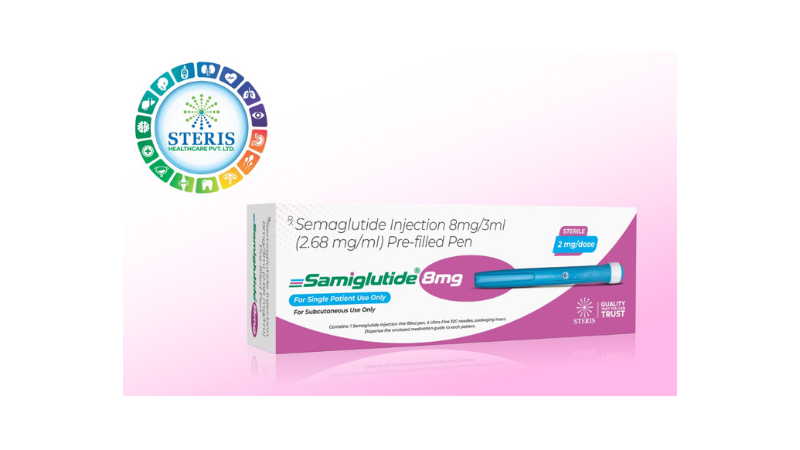



Semaglutide 8mg Injection: Frequently Asked Questions Answered by Experts
Sep 24, 2026
Semaglutide Injection 8mg is a once-weekly injectable formulation belonging to the GLP-1 receptor agonist (glucagon-like peptide-1 receptor agonist) class of medications, one of the most significant therapeutic advances in diabetes and weight management in recent years. Semaglutide mimics the action of the naturally occurring incretin hormone GLP-1, which plays a central role in regulating blood glucose and appetite.
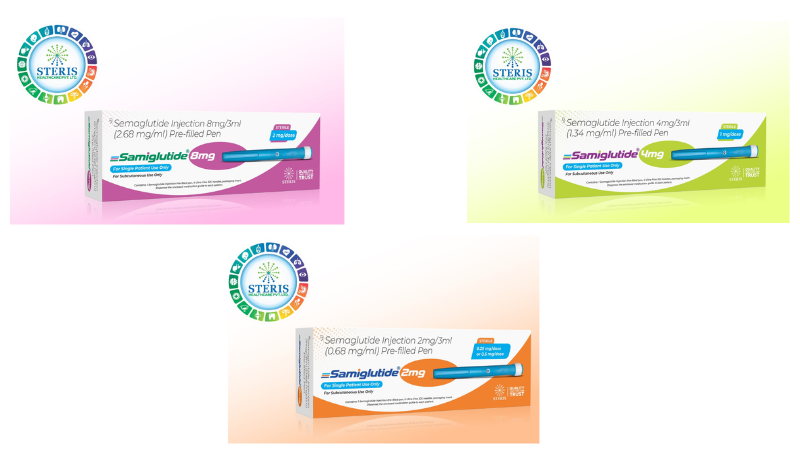
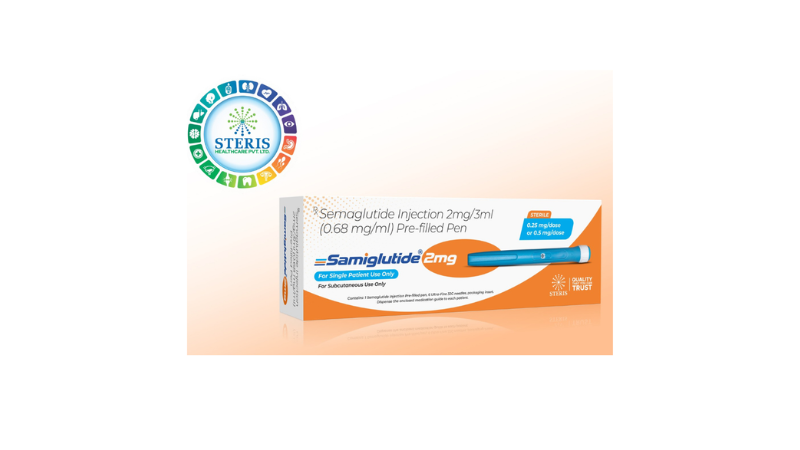
Under the brand name Samiglutide 8mg, manufactured by Steris Healthcare, this pre-filled pen formulation is designed for convenient, self-administered once-weekly subcutaneous injection, offering patients a practical and effective option for long-term glycemic and weight management under physician supervision.
Semaglutide 8mg injection uses include:
- Management of Type 2 Diabetes Mellitus in adults, as monotherapy or in combination with other antidiabetic agents such as metformin, SGLT2 inhibitors, or insulin.
- Chronic weight management in adults with obesity or who are overweight with associated weight-related comorbidities, under specialist guidance.
- Cardiovascular risk reduction in adults with Type 2 Diabetes and established cardiovascular disease, based on the drug class's demonstrated clinical evidence.
- Adjunctive therapy for patients who have not achieved adequate glycemic control on oral antidiabetic medications alone.
- Long-term maintenance therapy as part of a comprehensive diabetes or weight management plan, combined with diet and lifestyle modification.
Semaglutide 8mg injection in India is prescribed by endocrinologists, diabetologists, and physicians as part of an individualized, physician-supervised treatment plan, and is not intended for use in Type 1 Diabetes or diabetic ketoacidosis.
Why It's Important
Type 2 Diabetes and obesity represent two of the most pressing, interconnected public health challenges in India today, with the country experiencing rapidly rising rates of both conditions. Traditional oral antidiabetic therapies, while effective for many patients, often fail to adequately address the significant weight gain that frequently accompanies Type 2 Diabetes, and many patients continue to struggle with suboptimal glycemic control despite multiple medications.
Semaglutide's clinical importance lies in its ability to address both of these challenges simultaneously through a single mechanism. As a GLP-1 receptor agonist, semaglutide not only improves blood glucose control through insulin-dependent mechanisms but also produces clinically meaningful weight reduction — a combination that has made this drug class one of the most transformative developments in metabolic disease management in recent years. Landmark clinical trials evaluating semaglutide have demonstrated substantial reductions in HbA1c alongside significant body weight reduction, along with evidence of cardiovascular risk reduction in patients with established cardiovascular disease.
The clinical significance of the 8mg strength specifically lies in its role as a higher maintenance dose, often reached after patients have been gradually titrated up from lower starting doses to maximize therapeutic benefit while maintaining tolerability. This higher-dose formulation reflects the growing understanding that many patients achieve greater glycemic and weight-related benefit at higher semaglutide doses, provided the escalation is done carefully and gradually under physician supervision.
Key Benefits
What Are the Benefits of Samiglutide 8mg Injection?
Semaglutide Injection 8mg, as formulated in Samiglutide 8mg, offers several clinically meaningful semaglutide 8 mg injection benefits:
- Significant HbA1c reduction: Semaglutide has demonstrated substantial and sustained reductions in HbA1c levels in patients with Type 2 Diabetes, supporting improved long-term glycemic control.
- Clinically meaningful weight reduction: One of semaglutide's most notable benefits is its ability to produce significant body weight reduction, offering an important secondary benefit for the large proportion of Type 2 Diabetes patients who are also overweight or obese.
- Cardiovascular risk benefit: Clinical evidence in patients with Type 2 Diabetes and established cardiovascular disease has shown a reduction in major adverse cardiovascular events with semaglutide therapy.
- Convenient once-weekly dosing: Unlike many injectable diabetes therapies requiring daily administration, semaglutide's once-weekly dosing schedule significantly simplifies treatment and supports improved long-term adherence.
- Low intrinsic hypoglycemia risk: Because semaglutide's insulin-stimulating effect is glucose-dependent, it carries a comparatively low risk of causing hypoglycemia when used without concurrent insulin or sulfonylureas.
- Appetite regulation support: By slowing gastric emptying and acting on appetite-regulating centers in the brain, semaglutide helps patients feel fuller for longer, supporting sustainable dietary changes alongside pharmacological treatment.
- Pre-filled pen convenience: The pre-filled pen delivery system is designed for ease of self-administration, reducing dosing errors and supporting patient confidence with at-home injection.
- Trusted manufacturing standards: Samiglutide 8mg is manufactured by Steris Healthcare, a WHO-GMP and ISO 9001:2018 certified pharmaceutical company, ensuring consistent potency, sterility, and reliable pen performance across every unit.
Side Effects
Common semaglutide 8 mg injection side effects, particularly during dose initiation or escalation, include:
- Nausea, which is the most commonly reported side effect, particularly in the initial weeks of treatment or following dose increases
- Vomiting
- Diarrhea
- Constipation
- Abdominal pain or discomfort
- Reduced appetite
- Fatigue
- Mild injection site reactions, such as redness or itching
Most gastrointestinal side effects tend to be dose-related and often improve over time as the body adjusts, or with careful, gradual dose titration guided by the prescribing physician.
Available Substitute
Several alternative GLP-1 receptor agonists and antidiabetic therapies exist depending on individual patient needs and treatment goals. Alternatives include other semaglutide strengths for patients earlier in their dose titration, as well as other GLP-1 receptor agonists such as dulaglutide or liraglutide, which offer similar mechanisms with different dosing schedules. Dual GIP/GLP-1 receptor agonists represent a newer alternative class for patients requiring an alternative mechanism. For patients who cannot use injectable therapy, oral antidiabetic combinations involving SGLT2 inhibitors, DPP-4 inhibitors, or metformin-based regimens may be considered. Any substitution should be made exclusively by the treating endocrinologist or physician based on the patient's glycemic control, weight management goals, cardiovascular risk profile, and tolerability.
Dosage Guidelines
Semaglutide 8 mg injection dosage must always be individualized and determined by a qualified physician, typically following a structured dose-escalation protocol. General guidance typically followed in clinical practice includes:
- Dose Escalation Protocol: Semaglutide therapy is typically initiated at a lower starting dose and gradually increased over several weeks to months, with the 8mg strength generally reached as a higher maintenance dose once lower doses have been tolerated.
- Administration: The pre-filled pen is administered via subcutaneous injection once weekly, on the same day each week, and can be given at any time of day, with or without meals.
- Injection Sites: The injection is typically administered in the abdomen, thigh, or upper arm, with sites rotated to reduce the risk of injection site reactions.
- Missed Dose: If a dose is missed and it has been less than a specified number of days since the missed dose, it can generally be administered as soon as remembered; if too much time has passed, the missed dose should be skipped and the next dose taken on the regular scheduled day — specific guidance should be confirmed with the prescribing physician or product information.
- Storage: The pre-filled pen should be stored as per the manufacturer's instructions, typically refrigerated before first use, with specific guidance for storage once in use.
- Discontinuation: Any decision to stop or change semaglutide therapy should be made in consultation with the prescribing physician, given its role in a broader long-term treatment plan.
Precautions & Warnings
Before starting Samiglutide 8mg, patients and prescribers should carefully consider the following precautions:
- Thyroid Cancer History: Contraindicated in patients with a personal or family history of medullary thyroid carcinoma or Multiple Endocrine Neoplasia syndrome type 2.
- Pancreatitis History: Should be used with caution in patients with a history of pancreatitis, and discontinued promptly if pancreatitis is suspected.
- Diabetic Retinopathy: Patients with a history of diabetic retinopathy should be monitored for progression during treatment, given observations of retinopathy complications in some clinical studies.
- Gallbladder Disease: Caution is advised given the association between GLP-1 receptor agonists and increased risk of gallbladder-related conditions.
- Renal Function: Caution is advised in patients with renal impairment, particularly regarding the risk of dehydration from gastrointestinal side effects worsening kidney function.
- Pregnancy and Lactation: Semaglutide is generally not recommended during pregnancy or breastfeeding; women of childbearing potential should discuss contraception and treatment planning with their physician.
- Hypoglycemia Risk with Combination Therapy: When used alongside insulin or sulfonylureas, dose adjustments of those agents may be required to reduce hypoglycemia risk.
- Injection Technique: Proper injection technique and site rotation should be followed as per physician or pharmacist guidance to minimize injection site reactions.
- Not for Type 1 Diabetes: This medication is not indicated for the treatment of Type 1 Diabetes Mellitus or diabetic ketoacidosis.
Mechanism of Action & Semaglutide 8mg Injection Uses
Samiglutide 8mg exerts its therapeutic effects by mimicking the action of the naturally occurring incretin hormone GLP-1 (glucagon-like peptide-1):
- GLP-1 Receptor Agonism: Semaglutide binds to and activates GLP-1 receptors throughout the body, closely mimicking the physiological actions of endogenous GLP-1, but with a significantly extended half-life that supports once-weekly dosing.
- Glucose-Dependent Insulin Secretion: Semaglutide enhances insulin secretion from pancreatic beta cells specifically in response to elevated blood glucose levels, which contributes to its comparatively low intrinsic risk of hypoglycemia.
- Suppression of Glucagon Release: By reducing inappropriate glucagon secretion from pancreatic alpha cells, semaglutide helps reduce excessive hepatic glucose production, further supporting blood glucose control.
- Slowed Gastric Emptying: Semaglutide slows the rate at which food moves from the stomach into the small intestine, which contributes to increased satiety and more gradual post-meal glucose absorption.
- Central Appetite Regulation: Semaglutide acts on GLP-1 receptors in appetite-regulating centers of the brain, particularly the hypothalamus, reducing hunger and food intake — a mechanism central to its significant weight-reduction effect.
- Cardiovascular Protective Mechanisms: While not fully elucidated, semaglutide's cardiovascular benefit is believed to involve a combination of improved glycemic control, weight reduction, and direct effects on vascular and cardiac tissue.
This multi-faceted mechanism — spanning glucose regulation, appetite control, and cardiovascular protection — is what has established semaglutide as one of the most clinically significant advances in the management of Type 2 Diabetes and obesity in recent years.
Semaglutide Injection 8mg की जानकारी हिंदी में
Semaglutide Injection 8mg (सेमाग्लूटाइड) एक GLP-1 रिसेप्टर एगोनिस्ट इंजेक्शन है, जिसे Steris Healthcare द्वारा Samiglutide 8mg ब्रांड नाम से बनाया जाता है। इसका उपयोग मुख्य रूप से टाइप 2 डायबिटीज़ (मधुमेह) के प्रबंधन और वजन नियंत्रण के लिए किया जाता है। यह दवा शरीर में इंसुलिन स्राव को बढ़ाकर, भूख को नियंत्रित करके, और पाचन की गति को धीमा करके काम करती है। इसे सप्ताह में एक बार प्री-फिल्ड पेन के माध्यम से त्वचा के नीचे इंजेक्ट किया जाता है। इस दवा का सेवन केवल विशेषज्ञ चिकित्सक की सलाह और निगरानी में करना चाहिए, और गर्भावस्था के दौरान इसके उपयोग से बचना चाहिए।
Frequently Asked Questions (FAQs)
1. What is Semaglutide Injection 8mg used for?
It is used to manage Type 2 Diabetes Mellitus and, under specialist guidance, for chronic weight management in adults.
2. What is Samiglutide 8mg?
Samiglutide 8mg is the brand name under which Steris Healthcare markets Semaglutide Injection 8mg/3ml pre-filled pen.
3. What are the main semaglutide 8 mg injection uses?
It is primarily used for blood glucose control in Type 2 Diabetes and for weight management, with additional cardiovascular risk reduction benefit in appropriate patients.
4. How often is the semaglutide 8 mg injection pen used?
It is administered once weekly via subcutaneous injection, on the same day each week.
5. What are the common semaglutide 8 mg injection side effects?
Common side effects include nausea, vomiting, diarrhea, constipation, and reduced appetite, particularly during dose initiation.
6. Is semaglutide 8 mg injection available in India?
Yes, semaglutide 8 mg injection in India is available as a prescription-only Schedule H medication through registered pharmacies.
7. What is the correct semaglutide 8 mg injection dosage?
Dosage follows a structured titration protocol, typically starting at a lower dose and gradually increasing to the 8mg maintenance dose under physician supervision.
8. What are the key semaglutide 8 mg injection benefits?
Key benefits include significant HbA1c reduction, meaningful weight loss, cardiovascular risk reduction, and low intrinsic hypoglycemia risk.
9. Can Semaglutide Injection 8mg cause hypoglycemia?
The intrinsic hypoglycemia risk is low, but it increases when combined with insulin or sulfonylureas.
10. Is Semaglutide Injection 8mg safe during pregnancy?
No, it is generally not recommended during pregnancy or breastfeeding; alternative treatment should be discussed with a physician.
11. What are the serious side effects of Semaglutide Injection 8mg to watch for?
Serious effects include pancreatitis, gallbladder disease, signs of thyroid tumors, and diabetic retinopathy progression.
12. How should the semaglutide 8 mg injection pen be stored?
It should be stored as per manufacturer instructions, typically refrigerated before first use, with specific guidance for use once opened.
13. Are there substitutes for Semaglutide Injection 8mg?
Yes, alternatives include other GLP-1 receptor agonists like dulaglutide or liraglutide, and dual GIP/GLP-1 receptor agonists.
14. Can Semaglutide Injection 8mg be used for weight loss alone, without diabetes?
Yes, under appropriate specialist guidance, it is used for chronic weight management in adults with obesity or weight-related comorbidities.
15. What should I do if I miss a dose of Semaglutide Injection 8mg?
Guidance depends on how much time has passed since the missed dose; consult your physician or pharmacist promptly for specific instructions.
16. Is a prescription required for Semaglutide Injection 8mg?
Yes, it is a Schedule H prescription drug in India and should only be used under medical supervision.
Conclusion
Semaglutide Injection 8mg, available as Samiglutide 8mg from Steris Healthcare, represents a significant advancement in the management of Type 2 Diabetes Mellitus and chronic weight management, offering patients substantial glycemic improvement, meaningful weight reduction, and demonstrated cardiovascular benefit in appropriate patients. Its once-weekly, pre-filled pen delivery system provides a convenient, patient-friendly treatment option for long-term metabolic disease management. Given its potency and the need for careful dose titration and monitoring, Samiglutide 8mg should only be used under the close supervision of a qualified endocrinologist or physician, with regular follow-up throughout the course of treatment.
For Further Information:
Mail Us: contact@sterispharma.com or info@sterispharma.com
Call Now: +91 8824175417, +91 9982524671
Recent Post
Mycophenolate Mofetil 500mg (Mycofortic M 500): Uses, Benefits & Precautions – Complete Guide
What is Bisogard 1.25? Bisoprolol 1.25mg Uses, Dosage & Side Effects Explained

Can Semaglutide Injection Be Used Without Diabetes?
What Are Nintedanib Soft Gelatin Capsules Used For? Complete Guide
Where to Buy Semaglutide Injection in India: Price, Pen & Prescription Guide
ERITOCOX BENZ 60/5 Dosage Guide: How to Take Etoricoxib & Cyclobenzaprine Tablets Safely
Gabapentin and Methylcobalamin Tablets Side Effects: What Patients Should Know
Thyroxine sodium tablets IP: उपयोग, फायदे और साइड इफेक्ट्स
Semaglutide 2 mg Injection Dosage Guide: How to Use It Safely
Buy Multivitamin + L-Carnitine + Taurine Protein Powder | Sterimmune