


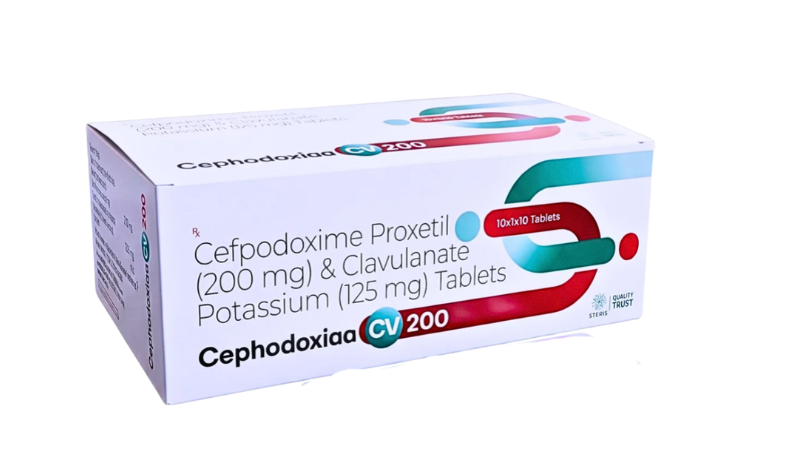


Cefpodoxime Proxetil 200 mg And Clavulanate Potassium 125 mg Tablets: Uses, Benefits
Nov 19, 2026
Product Overview
Cefpodoxime Proxetil 200 mg And Clavulanate Potassium 125 mg Tablets are a combination antibiotic formulation containing a third-generation cephalosporin antibiotic and a beta-lactamase inhibitor.
This combination is designed to treat selected bacterial infections caused by susceptible microorganisms. Cefpodoxime Proxetil works by interfering with bacterial cell-wall synthesis, while Clavulanic Acid helps inhibit certain beta-lactamase enzymes that can otherwise reduce the effectiveness of susceptible beta-lactam antibiotics.
The combination is used in selected clinical situations involving bacterial infections of the respiratory tract, urinary tract, skin and soft tissues, depending on the approved product indication and bacterial susceptibility.
It is particularly important to understand that this medicine is an antibiotic, not a general treatment for fever, cold, flu or viral infections. Appropriate antibiotic selection, dosage and treatment duration should always be determined by a qualified healthcare professional.
Composition of Cefpodoxime Proxetil 200 mg And Clavulanate Potassium 125 mg Tablets
Each film-coated tablet generally contains:
- Cefpodoxime Proxetil IP: Equivalent to Cefpodoxime 200 mg.
- Potassium Clavulanate Diluted IP: Equivalent to Clavulanic Acid 125 mg.
- Excipients: Quantity sufficient.
The exact composition should be verified against the manufacturer's approved product specifications.
1. Cefpodoxime Proxetil 200 mg
Cefpodoxime Proxetil is an orally administered, third-generation cephalosporin antibiotic. It is a prodrug that gets converted into active Cefpodoxime after absorption.
Its antibacterial action involves inhibiting bacterial cell-wall synthesis. It binds to specific penicillin-binding proteins (PBPs), interfering with the formation of the bacterial cell wall.
This weakens the bacterial structure and ultimately leads to bacterial cell death.
Its activity covers selected Gram-positive and Gram-negative bacteria, depending on organism susceptibility.
2. Clavulanate Potassium 125 mg
Clavulanate Potassium provides Clavulanic Acid, a beta-lactamase inhibitor.
Certain bacteria produce beta-lactamase enzymes that can destroy or inactivate susceptible beta-lactam antibiotics. Clavulanic Acid inhibits certain of these enzymes, helping protect Cefpodoxime from enzymatic degradation.
Its primary role is to support antibacterial activity against susceptible beta-lactamase-producing organisms.
Uses of Cefpodoxime Proxetil 200 mg And Clavulanate Potassium 125 mg Tablets
This combination may be prescribed for selected bacterial infections when the causative organisms are susceptible and the combination is appropriate.
1. Respiratory Tract Infections
Cefpodoxime and Clavulanic Acid may be prescribed for selected bacterial respiratory tract infections.
These may include:
- Certain bacterial upper respiratory tract infections.
- Selected lower respiratory tract infections.
- Bacterial infections involving the throat and tonsils.
- Certain cases of community-acquired respiratory infection, depending on clinical assessment.
2. Urinary Tract Infections (UTIs)
The combination may be used for selected bacterial urinary tract infections when the causative organism is susceptible.
Common UTI symptoms include:
- Burning sensation during urination.
- Frequent urination.
- Urinary urgency.
- Lower abdominal discomfort.
- Cloudy urine.
Urine culture and antibiotic susceptibility testing may help guide treatment, particularly in complicated or recurrent infections.
3. Skin and Soft Tissue Infections
Certain bacterial skin and soft tissue infections may be treated with this combination when the causative organisms are susceptible.
Examples may include selected bacterial infections involving the skin and underlying soft tissues.
4. Ear, Nose and Throat Infections
Depending on the approved product indication, Cefpodoxime-containing formulations may be prescribed for certain bacterial ear, nose and throat infections.
These may include selected cases of:
- Bacterial pharyngitis.
- Tonsillitis.
- Otitis media.
- Bacterial sinusitis.
Not every sore throat, earache or sinus infection requires antibiotics. Viral infections do not respond to antibacterial medicines.
5. Other Susceptible Bacterial Infections
The medicine may have applications in other bacterial infections only where supported by the approved product information and the susceptibility of the causative organism.
Key Benefits of Cefpodoxime Proxetil 200 mg And Clavulanate Potassium 125 mg Tablets
When prescribed for an appropriate bacterial infection, this combination offers several potential therapeutic advantages.
1. Dual Antibacterial Mechanism
The combination contains an antibiotic and a beta-lactamase inhibitor.
Cefpodoxime attacks bacterial cell-wall synthesis, while Clavulanic Acid inhibits certain beta-lactamase enzymes.
2. Activity Against Selected Beta-Lactamase-Producing Bacteria
Clavulanic Acid helps protect susceptible beta-lactam antibiotics against certain bacterial beta-lactamase enzymes.
This may improve antibacterial activity against selected susceptible organisms.
3. Broad Therapeutic Applications
Depending on the approved indication and bacterial susceptibility, the formulation may be considered for selected respiratory, urinary and skin-related bacterial infections.
4. Oral Tablet Formulation
The tablet dosage form provides a convenient oral route of administration for patients who are suitable for oral antibiotic treatment.
5. Defined Ingredient Strengths
The 200 mg Cefpodoxime and 125 mg Clavulanic Acid combination provides specified active ingredient quantities per tablet, supporting standardised prescription and product identification.
6. Complementary Pharmacological Actions
The two ingredients have different but complementary antibacterial roles. However, the combination should only be selected when the addition of Clavulanic Acid is clinically justified.
How Does Cefpodoxime and Clavulanate Combination Work?
The combination works through two different mechanisms.
Cefpodoxime Proxetil:
- Converts into active Cefpodoxime after absorption.
- Binds to bacterial penicillin-binding proteins.
- Interferes with bacterial cell-wall synthesis.
- Causes bacterial cell-wall damage and cell death.
Clavulanic Acid:
- Inhibits certain beta-lactamase enzymes.
- Helps prevent enzymatic inactivation of susceptible beta-lactam antibiotics.
- Supports the antibacterial activity of Cefpodoxime against selected susceptible organisms.
Together, these ingredients provide complementary antibacterial activity against certain susceptible bacterial pathogens.
Possible Side Effects of Cefpodoxime Proxetil and Clavulanate Potassium Tablets
Like other antibiotics, this combination may cause side effects. Their occurrence depends on individual sensitivity, dosage, treatment duration and other health factors.
Common Side Effects
Possible side effects include:
- Nausea.
- Vomiting.
- Diarrhoea.
- Abdominal discomfort.
- Indigestion.
- Headache.
- Skin rash.
- Itching.
- Fungal overgrowth, such as oral or vaginal candidiasis.
Most mild gastrointestinal effects are temporary, but persistent or severe symptoms require medical evaluation.
Serious Side Effects
Certain adverse reactions require immediate medical attention.
1. Severe Allergic Reactions
Symptoms may include:
- Swelling of the face, lips or tongue.
- Difficulty breathing.
- Severe skin rash.
- Widespread itching.
Patients with a history of serious cephalosporin or penicillin allergy should inform their doctor before taking this medicine.
2. Antibiotic-Associated Diarrhoea
Antibiotic treatment can disturb normal intestinal bacteria. In some patients, this may lead to severe antibiotic-associated diarrhoea, including Clostridioides difficile-associated colitis.
Seek medical attention for persistent watery diarrhoea, abdominal cramps or bloody stools.
3. Liver-Related Reactions
Although uncommon, liver enzyme abnormalities and other hepatic reactions may occur.
4. Severe Skin Reactions
Rarely, serious allergic skin reactions may develop. Severe blistering, peeling or widespread rash requires urgent medical assessment.
Precautions and Safety Information
Before using Cefpodoxime Proxetil 200 mg and Clavulanate Potassium 125 mg tablets, patients should inform their doctor about existing medical conditions and current medicines.
Important precautions include:
- Antibiotic allergy: Inform your doctor about previous allergic reactions to cephalosporins, penicillins or other beta-lactam antibiotics.
- Kidney function: Patients with impaired kidney function may require dosage or dosing-interval adjustments.
- Liver conditions: Patients with a history of liver disease should discuss their condition before treatment.
- Pregnancy: Use during pregnancy only when considered appropriate by a healthcare professional.
- Breastfeeding: Discuss suitability with a doctor before taking the medicine.
- Gastrointestinal disorders: Patients with a history of colitis or severe gastrointestinal problems require medical assessment.
- Drug interactions: Inform your doctor about antacids, H2 blockers, anticoagulants and other medicines.
- Antibiotic resistance: Avoid unnecessary antibiotic use and never share prescription antibiotics.
Patients should complete the prescribed course unless their doctor advises otherwise. Do not independently change the dosage or extend treatment.
Dosage and Administration
The dosage of Cefpodoxime Proxetil 200 mg and Clavulanate Potassium 125 mg tablets depends on the infection, its severity, bacterial susceptibility, kidney function and the patient's clinical condition.
General administration considerations include:
- Take the medicine according to the doctor's prescription.
- Follow the product-specific instructions regarding food.
- Swallow the tablet with water.
- Do not crush or chew the tablet unless the product information permits it.
- Maintain the prescribed dosing schedule.
- Do not stop treatment or increase the dosage without medical advice.
There is no single dosage schedule appropriate for every infection. The prescribing doctor should determine the treatment duration.
Why Choose a Quality-Assured Cefpodoxime Proxetil and Clavulanate Tablet Formulation?
For pharmaceutical manufacturers, distributors, wholesalers and healthcare procurement professionals, evaluating antibiotic products requires attention to both manufacturing quality and regulatory compliance.
Important product considerations include:
1. Verified Ingredient Strengths
Confirm that the formulation contains Cefpodoxime Proxetil equivalent to 200 mg Cefpodoxime and Clavulanate Potassium equivalent to 125 mg Clavulanic Acid.
2. Raw Material Quality
Check the identity, purity and quality specifications of both active pharmaceutical ingredients.
3. Manufacturing Standards
Review the manufacturer's applicable licences, GMP compliance and quality assurance procedures.
4. Product Documentation
Request:
- Certificate of Analysis (COA).
- Product specifications.
- Stability data.
- Batch manufacturing records, where appropriate.
- Approved product information.
- Applicable regulatory permissions.
5. Packaging and Shelf Life
Verify packaging integrity, batch number, manufacturing date, expiry date and storage requirements.
6. Regulatory Compliance
Confirm that the product and manufacturing facility have the appropriate permissions for the intended market.
7. Reliable Pharmaceutical Supply
Evaluate supplier credentials, batch consistency, manufacturing capacity, distribution arrangements and commercial supply terms.
Buyer Guide: What Should Pharmaceutical Distributors Check Before Purchasing?
For B2B pharmaceutical buyers, the purchasing decision should consider more than the product's listed price.
Before placing a bulk order, evaluate:
- Manufacturer's credentials and business registration.
- Applicable drug manufacturing licence.
- GMP certification and quality systems.
- Verified active ingredient specifications.
- COA and stability documentation.
- Available packaging configurations.
- Minimum order quantity (MOQ).
- Product shelf life.
- Batch traceability.
- Delivery timelines and commercial quotation.
Buyers should obtain current product documentation and quotations directly from authorised manufacturers or distributors rather than relying on unverified online product listings.
Conclusion
Cefpodoxime Proxetil 200 mg And Clavulanate Potassium 125 mg Tablets combine a third-generation cephalosporin antibiotic with a beta-lactamase inhibitor to provide antibacterial activity against selected susceptible bacterial organisms.
Cefpodoxime works by interfering with bacterial cell-wall synthesis, while Clavulanic Acid inhibits certain beta-lactamase enzymes that may otherwise inactivate susceptible antibiotics. The combination may be prescribed for selected respiratory tract, urinary tract and skin and soft tissue infections, depending on the approved product indication and bacterial susceptibility.
Key therapeutic considerations include its complementary antibacterial mechanisms, defined ingredient strengths and convenient oral tablet formulation. However, the medicine is not suitable for every bacterial infection and should not be used for viral illnesses such as common colds or influenza.
Frequently Asked Questions
1. What are Cefpodoxime Proxetil 200 mg and Clavulanate Potassium 125 mg tablets used for?
These tablets are prescription antibiotic medicines used for selected bacterial infections caused by susceptible organisms. Depending on the approved product indication, they may be prescribed for certain respiratory tract, urinary tract and skin and soft tissue infections.
2. What are the main benefits of Cefpodoxime and Clavulanate tablets?
The combination provides two complementary antibacterial actions. Cefpodoxime interferes with bacterial cell-wall synthesis, while Clavulanic Acid inhibits certain beta-lactamase enzymes that can inactivate susceptible antibiotics.
3. Is Cefpodoxime Clavulanate used for throat infections?
It may be prescribed for selected bacterial throat infections, such as susceptible bacterial pharyngitis or tonsillitis, when clinically appropriate. Viral sore throats do not require antibiotic treatment.
4. Can Cefpodoxime Proxetil and Clavulanate treat urinary tract infections?
The combination may be prescribed for selected bacterial urinary tract infections when the causative bacteria are susceptible. Urine culture and antibiotic susceptibility testing may help guide treatment.
5. What are the common side effects of Cefpodoxime Clavulanate tablets?
Common or possible side effects include nausea, vomiting, diarrhoea, abdominal discomfort, indigestion, headache and skin rash. Serious allergic reactions and persistent antibiotic-associated diarrhoea require immediate medical attention.
6. Is Cefpodoxime Clavulanate an antibiotic?
Yes. Cefpodoxime is a third-generation cephalosporin antibiotic, while Clavulanic Acid is a beta-lactamase inhibitor. Together, they provide antibacterial activity against selected susceptible organisms.
7. Can Cefpodoxime and Clavulanate tablets be taken for fever?
Fever alone does not establish a bacterial infection. A doctor should identify the underlying cause before prescribing this antibiotic. It is not effective against viral fever, common cold or influenza.
8. How does Clavulanic Acid improve the action of Cefpodoxime?
Clavulanic Acid inhibits certain bacterial beta-lactamase enzymes that can destroy susceptible beta-lactam antibiotics. This helps protect Cefpodoxime from enzymatic inactivation in selected susceptible organisms.
9. Can Cefpodoxime Clavulanate cause diarrhoea?
Yes. Diarrhoea is a possible side effect of antibiotic treatment. Persistent, severe or bloody diarrhoea requires prompt medical evaluation because it may indicate antibiotic-associated colitis.
10. Is Cefpodoxime Proxetil 200 mg and Clavulanate Potassium 125 mg safe during pregnancy?
Pregnant women should use this combination only after consulting a qualified healthcare professional. The doctor should assess the potential benefits, risks and availability of appropriate alternatives.
11. Who should avoid Cefpodoxime Clavulanate tablets?
Patients with a history of serious allergy to Cefpodoxime, cephalosporins or other beta-lactam antibiotics should avoid the medicine unless a specialist determines otherwise. Patients with kidney impairment or significant gastrointestinal disease also require medical assessment.
12. Does Cefpodoxime Clavulanate work against antibiotic-resistant bacteria?
Clavulanic Acid inhibits certain beta-lactamase enzymes, but it does not overcome all forms of antibiotic resistance. The combination should only be used when the suspected or confirmed organism is susceptible.
13. What should buyers check before purchasing Cefpodoxime Clavulanate tablets?
Pharmaceutical buyers should verify the manufacturer's licence, GMP compliance, active ingredient strengths, COA, stability information, batch traceability, packaging, shelf life and applicable regulatory permissions.
14. Where can pharmaceutical distributors source Cefpodoxime Proxetil 200 mg and Clavulanate Potassium 125 mg tablets?
Distributors should source the product through authorised pharmaceutical manufacturers or licensed distributors. Before placing bulk orders, verify manufacturing credentials, regulatory documentation, available pack sizes, MOQ and commercial quotations.
Recent Post
Etifoxine Hydrochloride Capsules 50 mg: Uses, Benefits, Side Effects & Precautions
Glutathione with Astaxanthin Tablets: Benefits, Side Effects and Skin Health
Flavoxate 200 mg + Nitrofurantoin 100 mg Tablets: Uses, Benefits and Side Effects
Atomoxetine 10mg के उपयोग, फायदे और नुकसान: पूरी जानकारी।
Apixaban 2.5mg: खून के थक्के बनने से रोकने में कैसे मदद करती है?
Apixaban 2.5mg Uses, Benefits and Side Effects
Amisulpride Tablets क्या हैं? मानसिक स्वास्थ्य के उपचार में इनके उपयोग जानें।
Alfuzosin SR 10 mg: बढ़े हुए प्रोस्टेट (BPH) के इलाज में कैसे मदद करती है?
Acamprosate 666 mg के उपयोग, फायदे और नुकसान: पूरी जानकारी
Buy Bisoprolol 5mg + Cilnidipine 10mg Tablets Online – Price & Availability

