


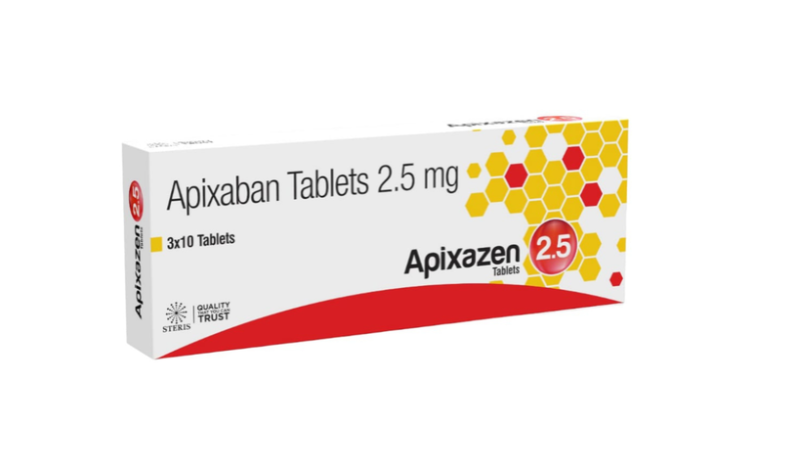


Apixaban 2.5mg Uses, Benefits and Side Effects
Nov 18, 2026
What Is Apixaban 2.5mg?
Apixaban 2.5mg is a prescription anticoagulant medicine used to help prevent harmful blood clots in certain medical conditions. It belongs to a class of medicines known as Factor Xa inhibitors, commonly called blood thinners.
The active ingredient in this medicine is Apixaban. It works by blocking Factor Xa, an important protein involved in the blood-clotting process. By reducing Factor Xa activity, Apixaban helps decrease the formation of blood clots and lowers the risk of complications associated with certain clotting disorders.
Doctors may prescribe Apixaban 2.5mg for specific patients following hip or knee replacement surgery, to reduce the risk of recurrent Deep Vein Thrombosis (DVT) or Pulmonary Embolism (PE), and for selected patients with Non-Valvular Atrial Fibrillation.
Apixaban is available in different strengths, including 2.5mg and 5mg tablets. The appropriate strength depends on the patient's medical condition, age, weight, kidney function, and treatment requirements.
What Are the Uses of Apixaban 2.5mg?
Apixaban 2.5mg is primarily used to prevent blood clots and reduce the risk of certain clot-related complications.
Its important medical uses include:
1. Prevention of Deep Vein Thrombosis (DVT)
Deep Vein Thrombosis is a condition in which a blood clot develops in a deep vein, commonly in the legs.
Apixaban 2.5mg helps prevent DVT in certain patients, particularly those recovering from hip or knee replacement surgery.
2. Prevention of Pulmonary Embolism (PE)
Pulmonary Embolism occurs when a blood clot travels to the lungs and blocks blood flow. In selected patients, Apixaban helps prevent recurrent blood clots that could lead to pulmonary embolism.
3. Prevention of Blood Clots After Surgery
Patients undergoing major orthopedic procedures, such as hip or knee replacement surgery, may have an increased risk of developing blood clots.
Doctors commonly prescribe Apixaban 2.5mg after these procedures to reduce the risk of postoperative DVT and PE.
4. Reduction of Recurrent DVT and PE
Patients who have completed an initial course of treatment for DVT or PE may require continued anticoagulant therapy.
Apixaban 2.5mg is an approved option for reducing the risk of recurrent DVT and PE after at least six months of initial treatment.
5. Stroke Prevention in Certain Heart Patients
Non-Valvular Atrial Fibrillation is a heart rhythm disorder that can increase the risk of blood clots and stroke.
In selected patients, Apixaban 2.5mg may be prescribed to reduce the risk of stroke and systemic embolism. The reduced dose is generally used when patients meet at least two specific criteria involving age, body weight, and kidney function.
How Does Apixaban 2.5mg Work?
Apixaban works by inhibiting Factor Xa, a key component of the body's natural blood-clotting system.
Normally, Factor Xa helps convert prothrombin into thrombin. Thrombin plays an important role in forming fibrin, which creates the structure of a blood clot.
When Apixaban blocks Factor Xa activity, thrombin generation decreases. This reduces the body's ability to form harmful blood clots.
In simple terms, Apixaban helps prevent unwanted blood clot formation and reduces the risk of complications such as DVT, PE, and certain types of stroke.
Key Benefits of Apixaban 2.5mg
When prescribed for an appropriate medical condition, Apixaban 2.5mg offers several important benefits.
1. Helps Prevent Blood Clots
Apixaban reduces the formation of harmful blood clots by inhibiting Factor Xa.
2. Reduces the Risk of DVT
It helps prevent deep vein thrombosis in patients undergoing hip or knee replacement surgery.
3. Helps Prevent Recurrent Pulmonary Embolism
For eligible patients who have completed initial anticoagulant treatment, Apixaban 2.5mg can reduce the risk of another DVT or PE.
4. Supports Stroke Prevention
In selected patients with Non-Valvular Atrial Fibrillation, it helps reduce the risk of stroke and systemic embolism.
5. Convenient Oral Treatment
Apixaban is available as an oral tablet that can be taken with or without food, making it convenient for patients following a prescribed treatment schedule.
Apixaban 2.5mg Dosage and Administration
The correct dosage of Apixaban depends on the condition being treated and the patient's individual medical profile.
Common approved adult dosing regimens include:
- After hip or knee replacement surgery: 2.5mg twice daily.
- Prevention of recurrent DVT or PE: 2.5mg twice daily after completing at least six months of initial anticoagulant treatment.
- Non-Valvular Atrial Fibrillation: 2.5mg twice daily for patients who meet at least two of the following criteria:
- Age 80 years or older.
- Body weight 60kg or less.
- Serum creatinine 1.5mg/dL or higher.
Follow your doctor's instructions carefully.
Additional administration guidelines:
- Take the tablet at the prescribed times.
- It can be taken with or without food.
- Try to maintain a consistent daily schedule.
- Do not double the dose to compensate for a missed tablet.
- Never stop treatment without consulting your doctor.
Side Effects of Apixaban 2.5mg
Like other prescription medicines, Apixaban 2.5mg may cause side effects. Its most important potential adverse effect is increased bleeding.
Not everyone experiences these side effects.
Common Side Effects
Some commonly reported side effects include:
- Easy bruising.
- Nosebleeds.
- Bleeding gums.
- Blood in the urine.
- Heavy menstrual bleeding.
- Nausea.
- Anaemia.
- Skin rash.
- Prolonged bleeding from minor cuts.
Serious Side Effects
Apixaban can occasionally cause serious or life-threatening bleeding.
Seek immediate medical attention if you experience:
- Blood in vomit.
- Black or bloody stools.
- Coughing up blood.
- Severe or persistent bleeding.
- Sudden severe headache.
- Unexplained weakness or confusion.
- Fainting or severe dizziness.
- Significant bleeding after surgery or an injury.
Serious allergic reactions, including swelling of the face or throat and difficulty breathing, also require emergency medical attention.
Precautions Before Taking Apixaban 2.5mg
Before starting Apixaban, inform your doctor about your medical history and all medicines or supplements you currently take.
1. Kidney Problems
Patients with kidney disease may require careful medical assessment before using Apixaban.
2. Liver Disease
Patients with severe liver impairment or liver disease associated with clotting abnormalities may not be suitable candidates for this medicine.
3. Stomach Ulcers
People with active stomach ulcers or a history of gastrointestinal bleeding may have an increased risk of bleeding.
4. Pregnancy and Breastfeeding
Apixaban is generally not recommended during pregnancy or breastfeeding under current US prescribing information. Consult a specialist regarding safer treatment options.
5. Surgery and Dental Procedures
Inform your surgeon or dentist if you take Apixaban. The medicine may need to be temporarily interrupted before certain procedures under medical supervision.
6. Spinal or Epidural Procedures
Apixaban may increase the risk of bleeding around the spinal cord during spinal puncture or epidural procedures. Always inform your healthcare provider before such procedures.
Drug Interactions: Medicines to Use With Caution
Certain medicines can increase the risk of bleeding or change the amount of Apixaban in the bloodstream.
Examples include:
- Aspirin.
- Clopidogrel.
- Warfarin.
- Ibuprofen.
- Naproxen.
- Diclofenac.
- Certain antifungal medicines.
- Some antibiotics.
- Certain HIV medicines.
- Other anticoagulant medicines.
Do not combine Apixaban with additional blood thinners or painkillers without medical advice.
Who Should Avoid Apixaban 2.5mg?
Apixaban may not be suitable for everyone.
It is generally contraindicated in people with:
- Active pathological bleeding.
- Severe allergy to Apixaban or its ingredients.
It is also not recommended for certain patients with prosthetic heart valves or triple-positive antiphospholipid syndrome.
A doctor should assess the risks and benefits before prescribing this medicine.
Conclusion
Apixaban 2.5mg is an important anticoagulant medicine used to prevent harmful blood clots and reduce the risk of complications such as Deep Vein Thrombosis, Pulmonary Embolism, and certain types of stroke.
It works by inhibiting Factor Xa, an essential component of the blood-clotting process. Its benefits include preventing postoperative blood clots, reducing recurrent DVT and PE, and supporting stroke prevention in selected patients with Non-Valvular Atrial Fibrillation.
However, Apixaban can increase the risk of bleeding, including serious internal bleeding. Therefore, it should only be used according to a doctor's prescription.
Always follow the recommended dosage, discuss potential drug interactions with your healthcare professional, and never discontinue Apixaban without medical advice.
Frequently Asked Questions
1. What is Apixaban 2.5mg used for?
Apixaban 2.5mg is used to prevent blood clots after hip or knee replacement surgery, reduce the risk of recurrent DVT and PE after initial treatment, and prevent stroke in selected patients with Non-Valvular Atrial Fibrillation.
2. Is Apixaban 2.5mg a blood thinner?
Yes. Apixaban is an anticoagulant medicine commonly called a blood thinner. It works by blocking Factor Xa and reducing the formation of harmful blood clots.
3. How many times a day should Apixaban 2.5mg be taken?
For several approved indications, the usual prescribed dose is 2.5mg twice daily. However, the correct frequency and dosage depend on the patient's medical condition and doctor's instructions.
4. What are the common side effects of Apixaban 2.5mg?
Common side effects include easy bruising, nosebleeds, bleeding gums, nausea, anaemia, blood in the urine, and prolonged bleeding from minor cuts.
5. Does Apixaban 2.5mg prevent heart attacks?
Apixaban is not primarily a heart attack prevention medicine. It is prescribed to prevent certain blood clots and reduce stroke risk in eligible patients with Non-Valvular Atrial Fibrillation.
6. Can Apixaban 2.5mg be taken after knee replacement surgery?
Yes. Doctors commonly prescribe Apixaban 2.5mg twice daily after knee replacement surgery to reduce the risk of DVT and PE.
7. Can Apixaban 2.5mg be stopped suddenly?
No. Stopping Apixaban without medical advice may increase the risk of blood clots and stroke. Always consult your doctor before discontinuing treatment.
8. Can Apixaban 2.5mg cause bleeding?
Yes. Increased bleeding is the most important potential side effect. Severe or unexplained bleeding requires immediate medical attention.
9. Is Apixaban 2.5mg safe for kidney patients?
Some patients with kidney disease may be prescribed Apixaban, but kidney function and other medical factors must be assessed by a doctor before treatment.
10. Can Apixaban 2.5mg be taken with food?
Yes. Apixaban tablets can generally be taken with or without food. Follow the prescribed schedule and take the medicine consistently.
11. Is Apixaban 2.5mg used for blood clots in the legs?
Yes. It can be used in specific treatment plans to reduce the risk of recurrent DVT and to prevent DVT after hip or knee replacement surgery.
12. What should I do if I miss a dose of Apixaban 2.5mg?
Follow the missed-dose instructions in your medicine leaflet or contact your pharmacist. Do not take a double dose to compensate for a missed tablet.
For Further Information:
Mail Us: contact@sterispharma.com or info@sterispharma.com
Call Now: +91 8824175417, +91 9982524671
Recent Post
Amisulpride Tablets क्या हैं? मानसिक स्वास्थ्य के उपचार में इनके उपयोग जानें।
Alfuzosin SR 10 mg: बढ़े हुए प्रोस्टेट (BPH) के इलाज में कैसे मदद करती है?
Acamprosate 666 mg के उपयोग, फायदे और नुकसान: पूरी जानकारी
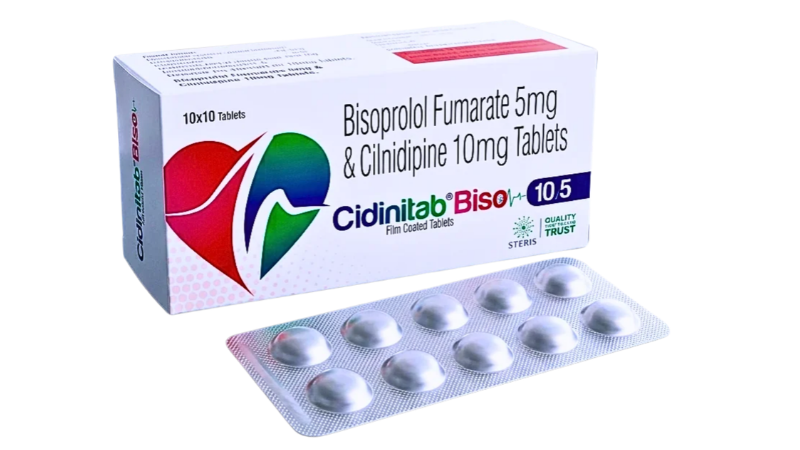
Buy Bisoprolol 5mg + Cilnidipine 10mg Tablets Online – Price & Availability
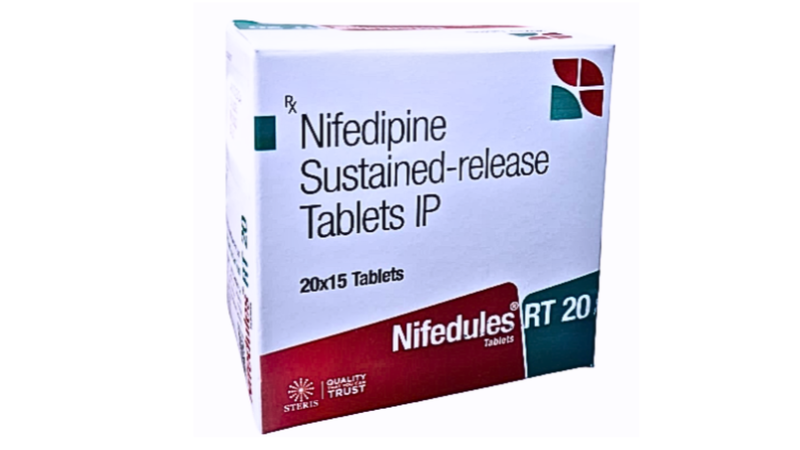
Buy Nifedipine Sustained Release Tablets IP 20mg – Price, Uses & Benefits in India | NIFEDULES RT 20
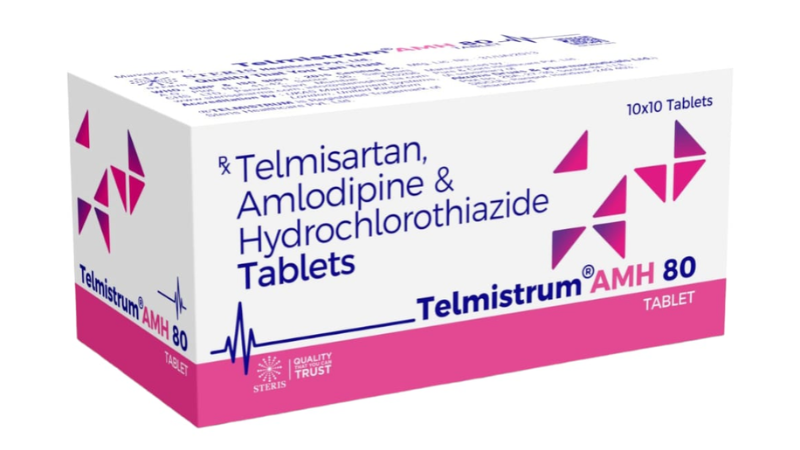
Buy Telmisartan Amlodipine and Hydrochlorothiazide Tablets: Price, Uses, Benefits & Online Ordering Guide in India
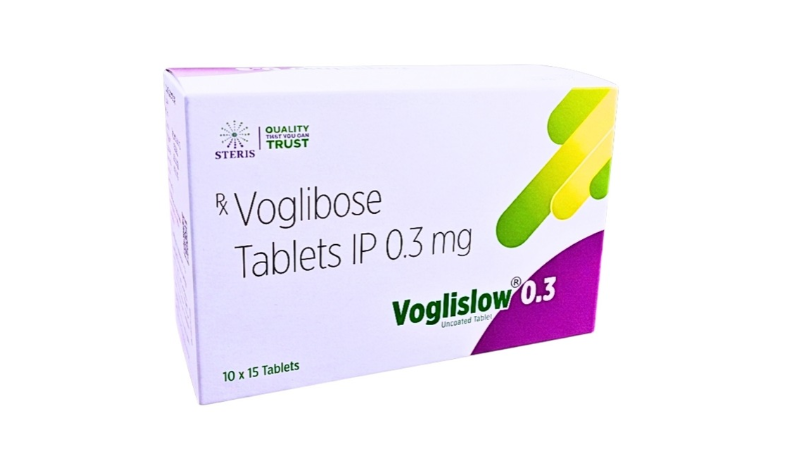
Voglibose 0.3 mg: Uses, Benefits, Dosage, Side Effects & Precautions
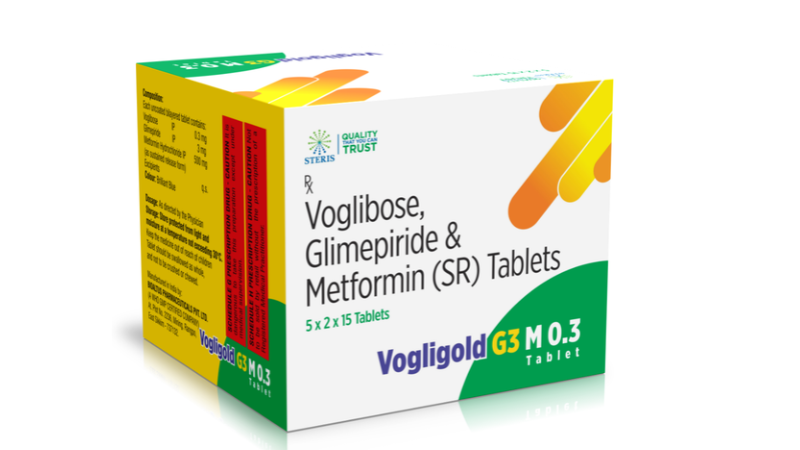
Glimepiride Voglibose and Metformin Tablets – Uses & Benefits
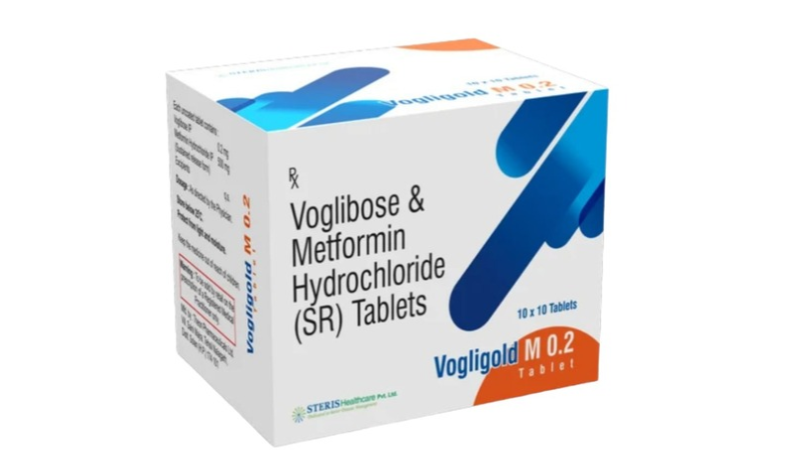
Voglibose and Metformin Hydrochloride Tablets – Uses & Benefits
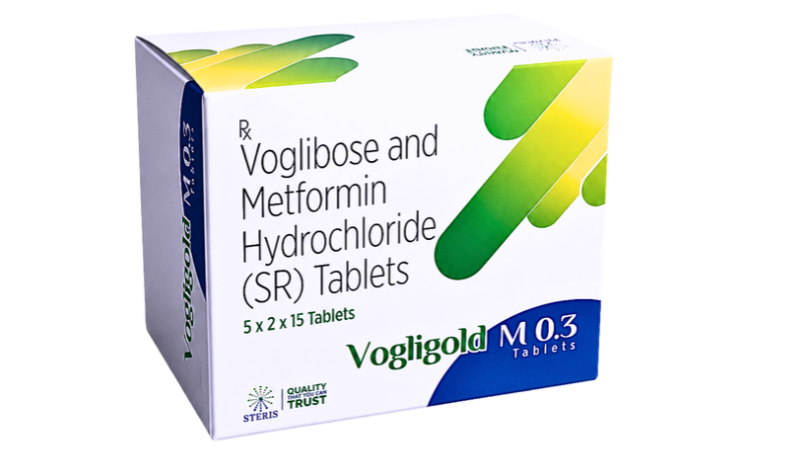
Voglibose 0.3 mg + Metformin SR 500 mg: Uses & Benefits

