


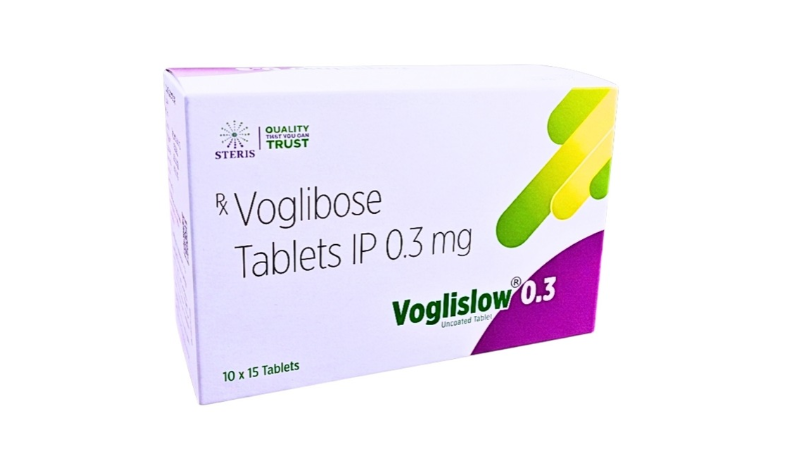


Voglibose 0.3 mg: Uses, Benefits, Dosage, Side Effects & Precautions
Nov 16, 2026
Voglibose 0.3 mg is an oral antidiabetic medicine prescribed to help manage post-meal blood sugar levels in people with type 2 diabetes mellitus. It belongs to a class of medicines called alpha-glucosidase inhibitors, which work by slowing the digestion and absorption of carbohydrates in the small intestine. This action helps reduce sudden increases in blood glucose levels after eating.
For people who experience high postprandial blood glucose (blood sugar after meals), Voglibose 0.3 mg may be prescribed as part of a comprehensive diabetes management plan that includes a balanced diet, regular physical activity, blood glucose monitoring, and other prescribed medications when necessary.
What Is Voglibose 0.3 mg Used For?
Voglibose 0.3 mg is primarily used to improve postprandial hyperglycemia in adults with type 2 diabetes. Postprandial hyperglycemia occurs when blood sugar rises excessively after consuming carbohydrate-containing foods such as rice, bread, potatoes, and other starch-rich meals.
Unlike some other antidiabetic medicines, voglibose does not stimulate insulin secretion. Instead, it acts in the digestive system to slow carbohydrate breakdown, helping control the rise in blood glucose following meals.
Doctors may prescribe Voglibose 0.3 mg:
- To help control elevated blood sugar after meals.
- To improve overall glycemic control in people with type 2 diabetes.
- When diet and exercise alone do not provide adequate blood glucose control.
- Alongside other oral antidiabetic medicines or insulin when clinically appropriate.
Treatment suitability depends on an individual's blood glucose levels, medical history, existing medications, and response to therapy.
How Does Voglibose 0.3 mg Work?
Voglibose works by reversibly inhibiting alpha-glucosidase enzymes located in the brush border of the small intestine.
These enzymes normally break down complex carbohydrates and disaccharides into simpler sugars that can be absorbed into the bloodstream.
When Voglibose inhibits these enzymes:
- Carbohydrate digestion takes place more slowly.
- Glucose absorption from the intestine is delayed.
- The sudden rise in blood sugar after meals is reduced.
- Postprandial blood glucose management may improve.
Because its action is primarily within the gastrointestinal tract, voglibose is particularly useful for addressing post-meal glucose elevations.
Key Benefits of Voglibose 0.3 mg
When prescribed appropriately, Voglibose 0.3 mg offers several potential benefits for type 2 diabetes management.
1. Helps Control Post-Meal Blood Sugar
Its primary benefit is reducing excessive increases in blood glucose after meals. This makes it useful for patients whose post-meal glucose readings remain elevated.
2. Supports Better Glycemic Control
By controlling postprandial glucose levels, voglibose can contribute to an overall diabetes management strategy. Its effectiveness should be assessed through regular blood glucose monitoring and HbA1c testing as advised by a healthcare professional.
3. Works Through a Different Mechanism
Voglibose acts on carbohydrate-digesting enzymes rather than directly stimulating insulin secretion. This provides a different mechanism of action compared with several other antidiabetic drug classes.
4. Can Be Used in Combination Therapy
Depending on individual requirements, doctors may prescribe voglibose alongside other antidiabetic medicines or insulin. Combination treatment requires appropriate monitoring because the risk of hypoglycemia may increase.
5. Targets Carbohydrate Digestion
Voglibose specifically delays the breakdown of dietary carbohydrates, helping reduce rapid post-meal glucose absorption.
It is important to understand that these benefits do not mean voglibose cures diabetes. Long-term blood sugar management also requires appropriate nutrition, physical activity, medical supervision, and regular monitoring.
How to Take Voglibose 0.3 mg
Voglibose is generally prescribed immediately before meals or at the beginning of a meal, according to the specific product instructions and the treating doctor's advice.
Important administration guidelines include:
- Take the medicine exactly as prescribed.
- Follow the recommended meal-time schedule.
- Do not increase or decrease the dose independently.
- Do not take an additional dose to compensate for a missed dose.
- Continue recommended dietary and exercise measures.
- Monitor blood glucose regularly.
Voglibose 0.3 mg Side Effects
Like other prescription medicines, Voglibose 0.3 mg may cause side effects. Most commonly reported reactions involve the digestive system because the medicine changes how carbohydrates are broken down in the intestine.
Common side effects include:
- Flatulence (excessive gas).
- Abdominal bloating.
- Stomach discomfort or abdominal pain.
- Diarrhea or loose stools.
- Constipation.
- Nausea.
- Vomiting.
- Loss of appetite.
- Heartburn or indigestion.
These effects may vary between individuals. Contact your doctor if symptoms persist, become troublesome, or worsen.
Important serious precautions: Severe or persistent abdominal pain, marked abdominal distension, vomiting, or symptoms suggestive of intestinal obstruction require prompt medical evaluation. Rare but serious liver-related reactions have also been reported. Seek medical attention if you notice yellowing of the skin or eyes, unusual fatigue, or loss of appetite.
Does Voglibose 0.3 mg Cause Low Blood Sugar?
Voglibose used alone generally has a low risk of causing hypoglycemia because it does not stimulate insulin secretion.
However, when combined with other diabetes medicines, particularly insulin or sulfonylureas, low blood sugar can occur.
Symptoms may include:
- Excessive sweating.
- Shaking or trembling.
- Sudden hunger.
- Dizziness.
- Palpitations.
- Weakness or confusion.
If hypoglycemia occurs, glucose (dextrose) should be used as directed by a healthcare professional. Ordinary table sugar may not work effectively because voglibose delays sucrose digestion.
Severe confusion, seizures, or unconsciousness require emergency medical assistance.
Who Should Take Precautions Before Using Voglibose?
Before starting Voglibose 0.3 mg, inform your doctor about existing health conditions and all medicines or supplements you use.
Extra caution or medical assessment may be necessary for people with:
- Kidney or liver disorders.
- Inflammatory bowel disease.
- Intestinal obstruction or significant digestive disorders.
- Severe gastrointestinal conditions.
- Pregnancy or breastfeeding.
- A history of allergic reactions to voglibose.
Voglibose is not appropriate for everyone. The prescribing doctor should evaluate potential benefits and risks before recommending treatment.
Why Is Medical Supervision Important?
Type 2 diabetes requires individualized treatment. Although Voglibose 0.3 mg can help manage post-meal blood sugar levels, it should not replace a complete diabetes care plan.
Regular monitoring of fasting blood glucose, postprandial blood glucose, and HbA1c helps healthcare professionals evaluate treatment effectiveness.
Patients should not discontinue, change, or combine diabetes medicines without medical advice.
Conclusion
Voglibose 0.3 mg is an alpha-glucosidase inhibitor used to help manage postprandial hyperglycemia in people with type 2 diabetes. By slowing carbohydrate digestion and glucose absorption in the small intestine, it helps reduce excessive blood sugar increases after meals.
Its key advantages include targeted post-meal glucose management, a different mechanism of action from insulin-stimulating medicines, and the potential to be included in combination diabetes therapy. However, gastrointestinal side effects, possible hypoglycemia when combined with other antidiabetic medicines, and individual medical conditions must be considered.
For safe and effective diabetes management, Voglibose 0.3 mg should be taken only under medical supervision, alongside appropriate dietary habits, exercise, and regular blood glucose monitoring.
Frequently Asked Questions
1. What is Voglibose 0.3 mg used for?
Voglibose 0.3 mg is used to help manage high blood sugar levels after meals in people with type 2 diabetes. It slows carbohydrate digestion in the small intestine, reducing the rapid rise in blood glucose following food consumption.
2. How does Voglibose 0.3 mg work in the body?
Voglibose inhibits alpha-glucosidase enzymes in the small intestine. These enzymes break down carbohydrates into absorbable sugars. By slowing this process, voglibose delays glucose absorption and helps control post-meal blood sugar levels.
3. When should I take Voglibose 0.3 mg?
Voglibose is generally taken immediately before meals or at the beginning of a meal, depending on the prescribed formulation. Follow your doctor's instructions and the product-specific directions.
4. What are the common side effects of Voglibose 0.3 mg?
Common side effects include gas, abdominal bloating, stomach pain, diarrhea, constipation, nausea, vomiting, and indigestion. Consult your doctor if these symptoms persist or become severe.
5. Does Voglibose 0.3 mg cause hypoglycemia?
Voglibose alone generally has a low risk of causing hypoglycemia because it does not stimulate insulin release. However, when combined with insulin or certain other diabetes medicines, low blood sugar may occur.
6. Can Voglibose 0.3 mg be taken with metformin?
Doctors may prescribe voglibose and metformin together when additional blood sugar control is needed. The combination should be used only under medical supervision, with appropriate monitoring.
7. Is Voglibose 0.3 mg effective for controlling post-meal blood sugar?
Yes. Voglibose is specifically used to improve postprandial hyperglycemia. It slows the breakdown and absorption of carbohydrates, helping reduce excessive glucose increases after meals.
8. Does Voglibose 0.3 mg help with weight loss?
Voglibose is not a weight-loss medicine. It is prescribed for blood glucose management, particularly post-meal glucose elevations. Any weight-related changes should not be assumed to be a therapeutic benefit.
9. Can Voglibose 0.3 mg be taken every day?
It may be prescribed for regular daily use as part of a diabetes treatment plan. The dose, frequency, and duration depend on the patient's medical condition and doctor's recommendation.
10. Is Voglibose 0.3 mg suitable for all people with diabetes?
No. Voglibose is primarily used in the management of type 2 diabetes and is not suitable for everyone. People with certain intestinal, kidney, or liver conditions and pregnant or breastfeeding individuals require medical assessment before use.
11. What happens if I miss a dose of Voglibose 0.3 mg?
Follow your doctor's or product leaflet's missed-dose instructions. Generally, a missed meal-time dose should not be compensated for by taking an extra dose later. Never double the dose.
12. Can Voglibose 0.3 mg be used with other diabetes medicines?
Yes, doctors may prescribe it with other oral antidiabetic medicines or insulin when clinically appropriate. Combination therapy may increase the risk of hypoglycemia, so regular monitoring is important.L
Recent Post
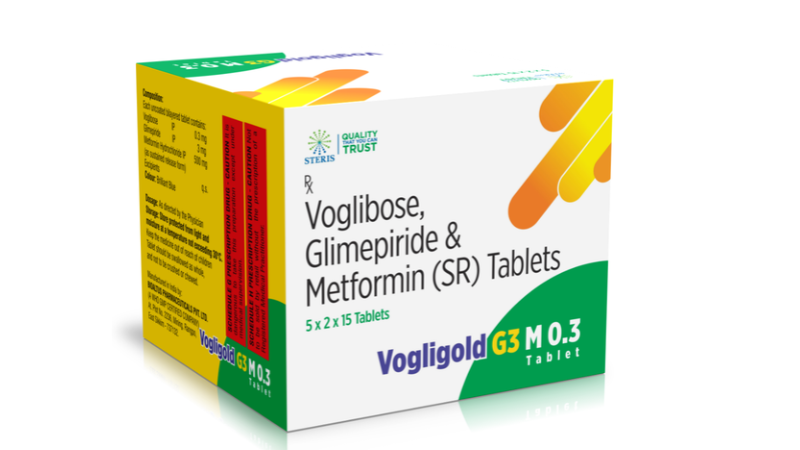
Glimepiride Voglibose and Metformin Tablets – Uses & Benefits
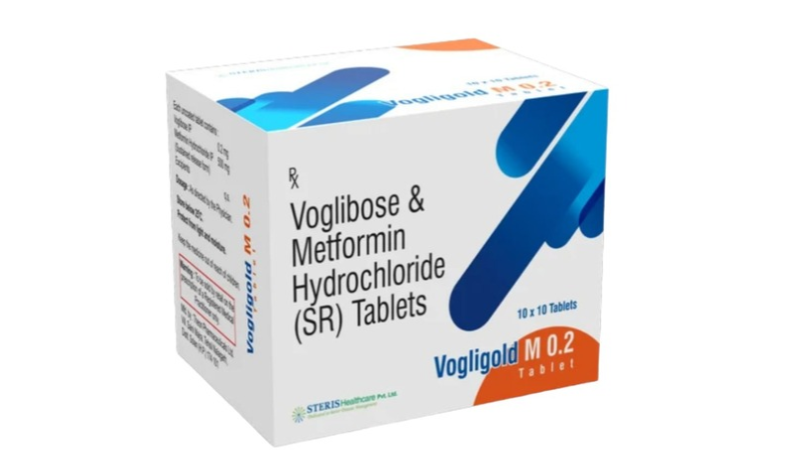
Voglibose and Metformin Hydrochloride Tablets – Uses & Benefits
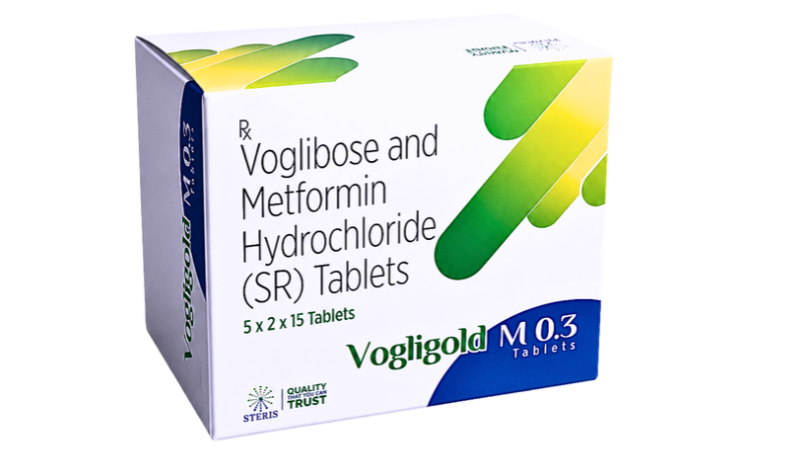
Voglibose 0.3 mg + Metformin SR 500 mg: Uses & Benefits
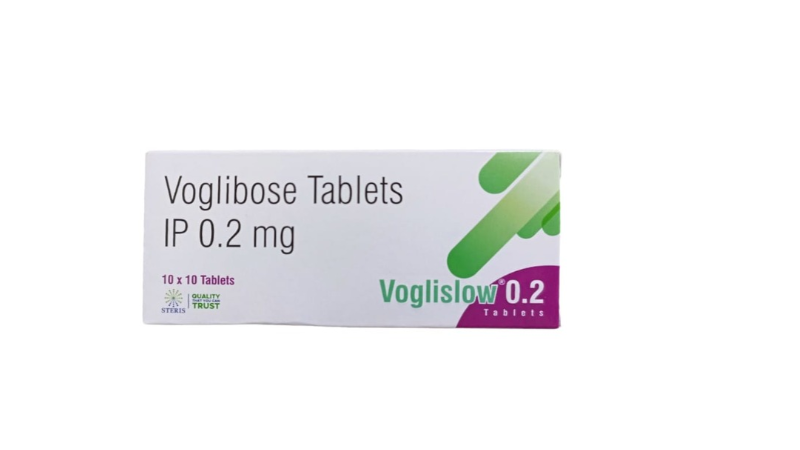
Voglibose 0.2mg: Uses, Benefits, Dosage & Side Effects
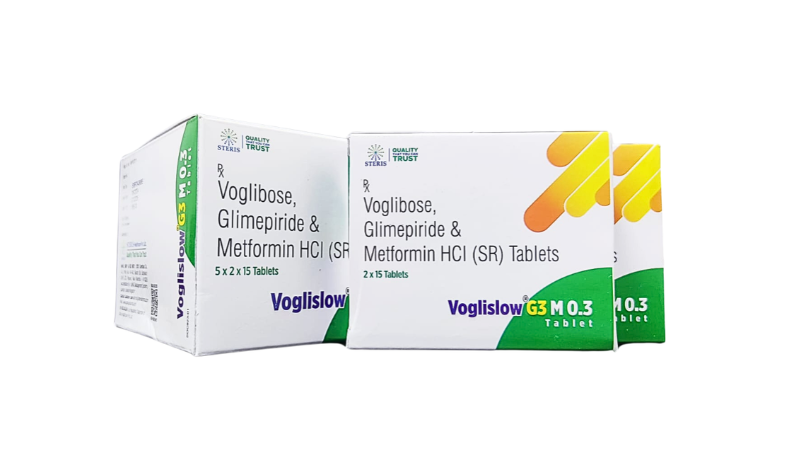
VOGLISLOW G3 M 0.3: Uses, Benefits & Side Effects
Valganciclovir Tablet IP 450 mg: Uses, Benefits, Dosage, Side Effects
Vonoprazan 10 mg: for Acid Reflux and GERD
Vonoprazan 20 mg: Uses, Benefits, Dosage, Side Effects
Ondansetron 4 mg Orally Disintegrating Tablets IP – Uses, Benefits & Precautions
Ondansetron 8 mg Orally Disintegrating Tablets IP : Uses, Benefits, Dosage & Side Effects

