


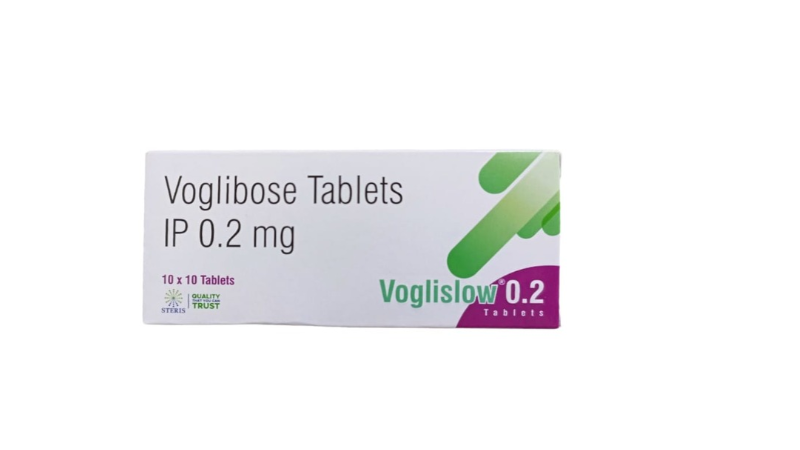


Voglibose 0.2mg: Uses, Benefits, Dosage & Side Effects
Nov 16, 2026
Product Description
Voglibose 0.2mg is an oral antidiabetic medication used to help manage blood glucose levels in adults with type 2 diabetes mellitus, particularly the rise in blood sugar that occurs after meals (postprandial hyperglycemia). It belongs to a class of medicines known as alpha-glucosidase inhibitors, which work by slowing down the digestion and absorption of carbohydrates in the small intestine.
Voglibose 0.2mg is generally prescribed when dietary modifications, regular physical activity, and other diabetes management measures are not sufficient to maintain appropriate post-meal blood glucose levels. Depending on individual requirements, healthcare professionals may prescribe it alone with lifestyle management or alongside other antidiabetic medicines.
How Does Voglibose 0.2mg Work?
The active ingredient, Voglibose, inhibits alpha-glucosidase enzymes responsible for breaking down complex carbohydrates and disaccharides into simpler sugars. By slowing this digestive process, Voglibose delays glucose absorption into the bloodstream.
As a result, it helps reduce sudden increases in blood sugar after eating. Unlike some other diabetes medications, Voglibose primarily targets post-meal glucose levels rather than directly stimulating insulin secretion.
Key Benefits of Voglibose 0.2mg
Some important benefits of Voglibose 0.2mg include:
- Helps control post-meal blood sugar: Reduces rapid increases in blood glucose after carbohydrate-containing meals.
- Supports type 2 diabetes management: Helps improve postprandial glycemic control as part of an overall diabetes treatment plan.
- Works through the digestive system: Slows carbohydrate breakdown and glucose absorption in the small intestine.
- Can be used with other diabetes medicines: Doctors may prescribe it alongside selected oral antidiabetic medications or insulin when additional glucose control is needed.
- Complements lifestyle management: Works alongside a balanced diet, regular exercise, and routine blood glucose monitoring.
Uses of Voglibose 0.2mg
Voglibose 0.2mg is primarily prescribed for:
- Management of postprandial hyperglycemia in adults with type 2 diabetes.
- Helping control elevated blood sugar levels after meals.
- Improving overall blood glucose management when diet and exercise alone are insufficient.
- Supporting combination therapy with other prescribed antidiabetic medications when clinically appropriate.
Important: Voglibose is not a substitute for insulin in people who require insulin therapy and is not intended for treating diabetic emergencies.
Voglibose 0.2mg Dosage and How to Take It
The dosage of Voglibose 0.2mg depends on the patient's blood glucose levels, medical history, treatment response, and doctor's recommendation.
It is commonly prescribed immediately before meals because its action is associated with carbohydrate digestion. A commonly described adult regimen is 0.2mg three times daily before meals, but the appropriate dose and frequency must be determined by the treating doctor.
- Take the medicine according to your prescription.
- Follow the recommended timing in relation to meals.
- Maintain a diabetes-friendly diet and exercise routine.
- Monitor blood glucose regularly.
- Do not increase, decrease, or discontinue the dose without medical advice.
Possible Side Effects of Voglibose 0.2mg
Like other prescription medicines, Voglibose 0.2mg may cause side effects. Most commonly reported reactions involve the digestive system because the medicine changes how carbohydrates are broken down in the intestine.
Common side effects include:
- Flatulence (excessive gas)
- Abdominal discomfort or stomach pain
- Diarrhea or loose stools
- Abdominal bloating
- Constipation
- Nausea
- Vomiting
- Loss of appetite
- Indigestion or heartburn
These symptoms may vary between individuals. Contact your healthcare professional if they persist, become severe, or interfere with daily activities.
Less common but potentially serious effects:
- Allergic reactions, including skin rash and itching.
- Liver dysfunction, including jaundice.
- Intestinal obstruction or severe abdominal symptoms.
- Hypoglycemia (low blood sugar), particularly when Voglibose is combined with insulin or sulfonylurea medicines.
Seek immediate medical attention for severe abdominal pain, persistent vomiting, yellowing of the eyes or skin, or symptoms of serious hypoglycemia.
Precautions and Safety Information
Before using Voglibose 0.2mg, inform your doctor about your medical history and all medicines you currently take.
- Liver problems: Patients with liver disease may require additional monitoring.
- Kidney problems: Inform your doctor about impaired kidney function.
- Digestive disorders: People with intestinal obstruction, inflammatory bowel disease, or certain serious gastrointestinal conditions may not be suitable candidates.
- Pregnancy and breastfeeding: Consult a doctor before using Voglibose during pregnancy or breastfeeding.
- Combination diabetes treatment: The risk of low blood sugar may increase when Voglibose is combined with insulin or sulfonylureas.
- Diet and exercise: Continue following the prescribed diabetes management plan.
If hypoglycemia occurs while taking Voglibose with other antidiabetic medicines, glucose (dextrose) is generally preferred for treatment because ordinary table sugar (sucrose) may be broken down and absorbed more slowly.
Who Should Use Voglibose 0.2mg?
Voglibose 0.2mg may be prescribed to adults with type 2 diabetes who experience elevated blood glucose after meals and need additional support to achieve their glucose targets.
It is not suitable for everyone. A qualified healthcare professional should evaluate the patient's health condition, existing medications, kidney and liver function, and gastrointestinal health before prescribing it.
Conclusion
Voglibose 0.2mg is an oral antidiabetic medicine that helps manage post-meal blood sugar levels in adults with type 2 diabetes. By inhibiting alpha-glucosidase enzymes and slowing carbohydrate digestion, it helps reduce sudden increases in blood glucose after eating.
Its targeted action on postprandial hyperglycemia makes it a useful option in diabetes management, particularly when dietary changes and exercise alone do not provide adequate control. It can also be prescribed in combination with other antidiabetic treatments when necessary.
FAQs
1. What is Voglibose 0.2mg used for?
Voglibose 0.2mg is used to help manage post-meal blood sugar levels in adults with type 2 diabetes. It slows carbohydrate digestion and glucose absorption in the small intestine, helping reduce sudden increases in blood glucose after meals.
2. How does Voglibose 0.2mg work in the body?
Voglibose 0.2mg works by inhibiting alpha-glucosidase enzymes in the small intestine. These enzymes break down carbohydrates into simpler sugars. By slowing this process, the medicine delays glucose absorption and helps control postprandial hyperglycemia.
3. When should I take Voglibose 0.2mg, before or after food?
Voglibose 0.2mg is generally prescribed immediately before meals because it needs to work during carbohydrate digestion. Follow the exact timing and instructions provided by your doctor or pharmacist.
4. What are the main benefits of Voglibose 0.2mg?
The main benefit of Voglibose 0.2mg is improved control of blood sugar levels after meals. It slows carbohydrate digestion, reduces rapid post-meal glucose increases, and can support overall type 2 diabetes management when combined with diet, exercise, and other prescribed treatments.
5. What are the common side effects of Voglibose 0.2mg?
Common side effects include gas, bloating, abdominal discomfort, diarrhea, constipation, nausea, and indigestion. These effects are mainly related to its action on carbohydrate digestion. Consult your doctor if symptoms persist or become severe.
6. Does Voglibose 0.2mg cause low blood sugar?
Voglibose alone generally has a low risk of causing hypoglycemia because it does not directly stimulate insulin release. However, when combined with insulin or sulfonylurea medicines, low blood sugar can occur. Glucose or dextrose is generally recommended to treat hypoglycemia in patients taking Voglibose.
7. Can Voglibose 0.2mg be taken with Metformin?
Yes. Doctors may prescribe Voglibose with Metformin when additional blood sugar control is required, particularly for post-meal glucose levels. However, the combination, dosage, and suitability should always be determined by a healthcare professional.
8. Is Voglibose 0.2mg suitable for type 2 diabetes?
Voglibose 0.2mg is prescribed for adults with type 2 diabetes who need better control of post-meal blood glucose. Whether it is suitable depends on the individual's medical condition, glucose levels, and existing treatment plan.
9. Can Voglibose 0.2mg be taken daily?
Voglibose 0.2mg may be prescribed daily as part of a diabetes treatment plan. The frequency and duration depend on the doctor's instructions. Do not change your dosage or stop treatment without consulting your healthcare professional.
10. Is Voglibose 0.2mg used for weight loss?
No. Voglibose 0.2mg is an antidiabetic medicine intended to improve post-meal blood glucose control. It is not approved as a weight-loss medication and should not be used for weight management without an appropriate medical indication.
11. What happens if I miss a dose of Voglibose 0.2mg?
If you miss a dose, follow your doctor's or pharmacist's instructions. Do not take an extra dose to compensate. Since Voglibose is associated with meal timing, ask your healthcare professional what to do if you remember after finishing your meal.
12. Can Voglibose 0.2mg be taken with other diabetes medicines?
Yes. It may be combined with selected antidiabetic medicines, including Metformin, sulfonylureas, or insulin, when prescribed. However, combination treatment requires appropriate blood glucose monitoring because the risk of hypoglycemia may increase with certain medicines.
Recent Post
VOGLISLOW G3 M 0.3: Uses, Benefits & Side Effects
Valganciclovir Tablet IP 450 mg: Uses, Benefits, Dosage, Side Effects
Vonoprazan 10 mg: for Acid Reflux and GERD
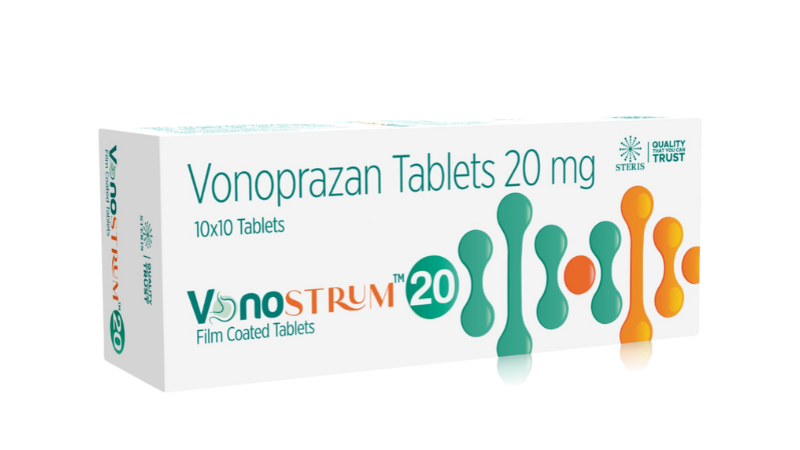
Vonoprazan 20 mg: Uses, Benefits, Dosage, Side Effects
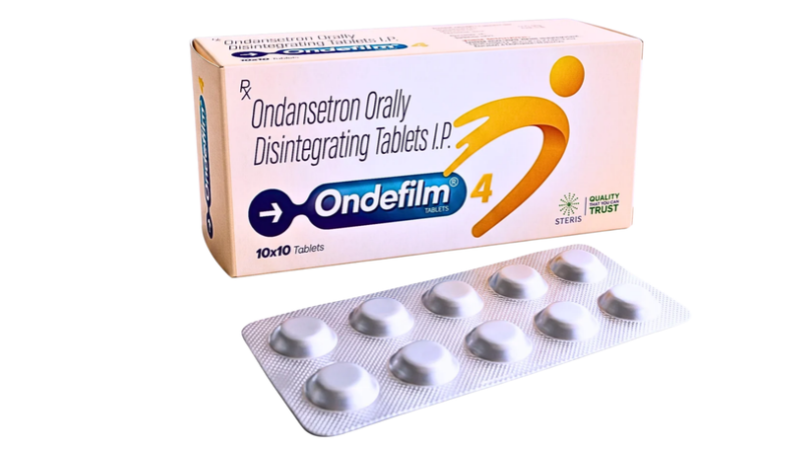
Ondansetron 4 mg Orally Disintegrating Tablets IP – Uses, Benefits & Precautions
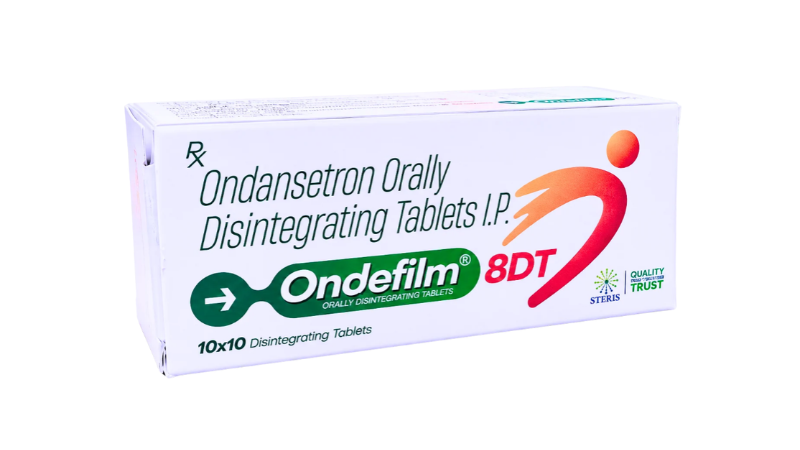
Ondansetron 8 mg Orally Disintegrating Tablets IP : Uses, Benefits, Dosage & Side Effects
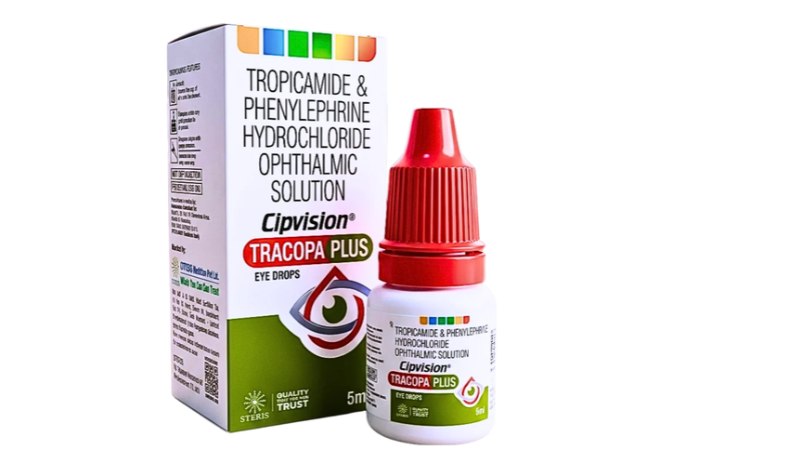
Tropicamide and Phenylephrine Hydrochloride Ophthalmic Solution: Uses, Benefits & Precautions
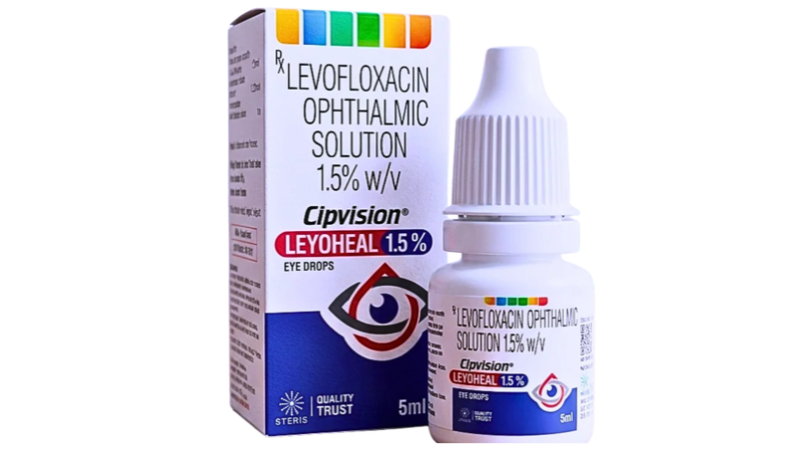
Levofloxacin Ophthalmic Solution 1.5% w/v – Uses, Benefits & Side Effects
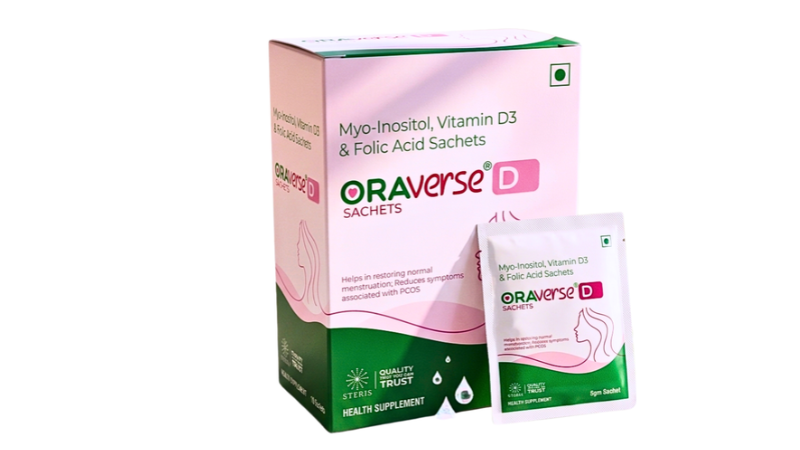
Myo-inositol, Vitamin D3 & Folic Acid Sachets: Uses, Benefits & Side Effects
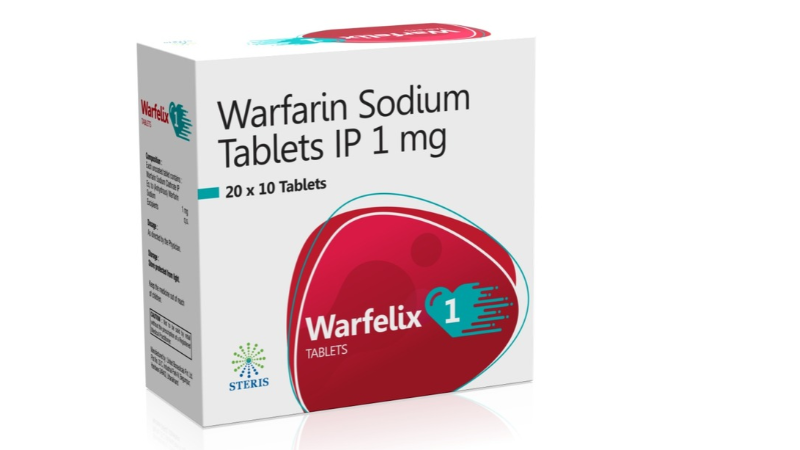
Warfarin Sodium IP 1mg Uses, Benefits, Side Effects & Precautions

