





Vonoprazan 20 mg: Uses, Benefits, Dosage, Side Effects
Nov 16, 2026
What Is Vonoprazan 20 mg?
Vonoprazan 20 mg is a prescription medication used to reduce stomach acid production and manage certain acid-related gastrointestinal conditions. It belongs to a class of medicines known as Potassium-Competitive Acid Blockers (P-CABs). It works by blocking the gastric proton pump responsible for producing acid in the stomach.
Excess stomach acid can irritate the lining of the esophagus and stomach, contributing to symptoms such as heartburn, acid regurgitation, and discomfort. By controlling acid secretion, Vonoprazan 20 mg helps create a favorable environment for healing acid-related damage.
Unlike conventional proton pump inhibitors (PPIs), vonoprazan directly and reversibly blocks the gastric H+/K+-ATPase enzyme through potassium-competitive inhibition. This mechanism provides potent and sustained acid suppression.
Key Uses of Vonoprazan 20 mg
Vonoprazan 20 mg is prescribed by healthcare professionals for several gastrointestinal conditions.
1. Treatment of Erosive Esophagitis
Erosive esophagitis occurs when stomach acid repeatedly flows backward into the esophagus, damaging its protective lining. Vonoprazan 20 mg helps reduce acid exposure, supporting the healing of inflammation and erosions.
2. Management of Acid Reflux and Heartburn
Acid reflux can cause burning sensations in the chest, sour taste, and discomfort after meals or when lying down. By reducing gastric acid secretion, vonoprazan can help relieve heartburn associated with certain reflux conditions.
3. Treatment of Helicobacter pylori Infection
Helicobacter pylori is a bacterium associated with stomach inflammation and peptic ulcers. Vonoprazan is used as part of combination treatment with prescribed antibiotics, such as amoxicillin and, in appropriate regimens, clarithromycin.
It is important to understand that vonoprazan alone does not eradicate H. pylori. Successful treatment requires the complete prescribed combination therapy.
4. Gastric and Duodenal Ulcer Management
In countries where these indications are approved, vonoprazan may be prescribed to help heal gastric ulcers and duodenal ulcers. Reduced acid production helps create conditions that support the natural healing process of the gastrointestinal lining.
5. Prevention of Certain Ulcer Recurrences
Depending on the country's approved prescribing information, vonoprazan may also be used to prevent the recurrence of certain ulcers in patients taking low-dose aspirin or non-steroidal anti-inflammatory drugs (NSAIDs).
How Does Vonoprazan 20 mg Work?
Vonoprazan 20 mg works by inhibiting the H+/K+-ATPase enzyme, commonly known as the gastric proton pump. This enzyme is located in the acid-producing parietal cells of the stomach.
The proton pump plays an essential role in the final stage of gastric acid secretion. Vonoprazan competes with potassium at this pump, reducing the release of acid into the stomach.
Its working mechanism offers several important characteristics:
- Direct acid suppression: Blocks the final stage of gastric acid production.
- Rapid onset of action: Its acid-suppressing effect can begin within a few hours.
- Sustained activity: Helps maintain reduced stomach acid secretion over an extended period.
- Potent acid control: Provides substantial suppression of gastric acid production.
By reducing excessive acidity, Vonoprazan 20 mg supports the treatment of acid-related gastrointestinal conditions.
Key Benefits of Vonoprazan 20 mg
When prescribed for an appropriate medical condition, Vonoprazan 20 mg offers several potential therapeutic benefits.
1. Effective Acid Suppression
Its potassium-competitive mechanism provides potent suppression of gastric acid secretion, helping manage acid-related disorders.
2. Supports Esophageal Healing
Reduced acid exposure helps the damaged esophageal lining recover in patients with erosive esophagitis.
3. Helps Relieve Heartburn
By controlling stomach acid, vonoprazan can help reduce heartburn associated with approved reflux indications.
4. Useful in H. pylori Combination Therapy
When combined with suitable antibiotics, vonoprazan helps create conditions that support the eradication of H. pylori infection.
5. Sustained Acid-Control Activity
Vonoprazan has a prolonged acid-suppressing effect, which can help maintain gastric acid control with the prescribed dosing schedule.
Recommended Dosage and How to Take Vonoprazan 20 mg
The appropriate dosage of Vonoprazan 20 mg depends on the condition being treated, the patient's medical history, and the prescribing guidelines applicable in their country.
For example, under the US-approved prescribing information, the recommended adult dosage for healing erosive esophagitis is 20 mg once daily for eight weeks.
For H. pylori infection, vonoprazan is prescribed with specific antibiotics, and the dosing schedule differs according to the selected treatment regimen.
General administration guidance includes:
- Take the medicine exactly as prescribed by your doctor.
- It can generally be taken with or without food.
- Swallow the tablet whole rather than crushing or chewing it.
- Follow the prescribed treatment duration.
- Do not increase or decrease the dose without medical advice.
Important: Vonoprazan 20 mg is not the correct dose for every acid-related condition. The 20 mg strength should not be used as a substitute for an individualized prescription.
Side Effects of Vonoprazan 20 mg
Like other prescription medicines, Vonoprazan 20 mg may cause side effects in some individuals. The severity and frequency can vary depending on the patient, treatment duration, and combination medicines.
Common Side Effects
Reported adverse reactions include:
- Diarrhea
- Nausea
- Abdominal pain
- Bloating or abdominal distension
- Gastritis
- Constipation
- Indigestion
- Headache
These effects may be mild in some patients, but persistent or worsening symptoms should be discussed with a healthcare professional.
Serious Side Effects and Precautions
Although uncommon, certain important risks have been identified in prescribing information:
- Allergic reactions and severe skin reactions.
- Kidney inflammation, including acute tubulointerstitial nephritis.
- Clostridioides difficile-associated diarrhea.
- Low magnesium levels, particularly with prolonged treatment or in susceptible patients.
- Vitamin B12 deficiency associated with long-term acid suppression.
- Increased risk of certain bone fractures with prolonged use.
- Development of fundic gland polyps with long-term treatment.
Seek immediate medical attention if you experience difficulty breathing, facial swelling, severe skin reactions, or severe persistent diarrhea.
Precautions Before Taking Vonoprazan 20 mg
Before starting treatment, inform your doctor about your existing medical conditions and all medicines you currently use.
Special consideration may be necessary for:
- Patients with kidney or liver problems.
- Pregnant or breastfeeding women.
- Patients with a history of allergic reactions to vonoprazan.
- Individuals taking multiple prescription medicines.
- Patients requiring long-term acid-suppressing treatment.
Vonoprazan also has clinically relevant drug interactions. For example, its use with rilpivirine-containing products is contraindicated under the US prescribing information. Always provide your doctor with a complete list of your medicines.
Long-term treatment should be medically supervised, with the duration limited to what is appropriate for the diagnosed condition.
Frequently Asked Questions
1. What is Vonoprazan 20 mg used for?
Vonoprazan 20 mg is used to reduce stomach acid and treat conditions such as erosive esophagitis. It may also be prescribed as part of combination therapy for Helicobacter pylori infection. Other ulcer-related indications depend on the country's approved product information.
2. Is Vonoprazan 20 mg used for acidity and heartburn?
Yes. Vonoprazan reduces stomach acid production and can help relieve heartburn associated with certain diagnosed acid reflux conditions. It should be used according to a doctor's prescription.
3. How does Vonoprazan 20 mg work in the stomach?
Vonoprazan blocks the gastric H+/K+-ATPase proton pump through potassium-competitive inhibition. This reduces acid secretion and helps manage acid-related gastrointestinal conditions.
4. What are the common side effects of Vonoprazan 20 mg?
Commonly reported side effects include diarrhea, nausea, abdominal pain, bloating, gastritis, constipation, and indigestion. Contact a healthcare professional if symptoms persist or become severe.
5. Can Vonoprazan 20 mg help treat stomach ulcers?
Yes, it may be prescribed for gastric or duodenal ulcer treatment where these uses are approved. Its acid-suppressing action helps create favorable conditions for ulcer healing.
6. Can Vonoprazan 20 mg be taken daily?
It can be prescribed once daily for certain conditions, including the healing of erosive esophagitis under US-approved guidelines. However, the appropriate frequency and duration depend on the diagnosis and individual prescription.
7. Is Vonoprazan 20 mg better than traditional PPIs?
Vonoprazan works through a different mechanism from conventional proton pump inhibitors. It can provide potent and sustained acid suppression. Whether it is a better option depends on the patient's condition, treatment response, and medical history.
8. Can Vonoprazan 20 mg be taken with antibiotics?
Yes. Vonoprazan is used with specific antibiotics, including amoxicillin and, in selected regimens, clarithromycin, to treat H. pylori infection. The combination and dosage must be prescribed by a doctor.
9. Should Vonoprazan 20 mg be taken before or after food?
According to the US prescribing information, vonoprazan can be taken with or without food. Follow the instructions provided with your specific product.
10. How long does Vonoprazan 20 mg take to work?
Its acid-suppressing activity can begin within approximately two to three hours after a dose. However, symptom improvement and healing of the underlying condition may take longer and vary between individuals.
Conclusion
Vonoprazan 20 mg is an important acid-suppressing medication used in the management of selected gastrointestinal conditions, including erosive esophagitis and certain H. pylori treatment regimens. Its potassium-competitive acid-blocking mechanism provides potent and sustained suppression of gastric acid production. The key benefits of Vonoprazan 20 mg include supporting esophageal healing, reducing acid-related heartburn, and improving the effectiveness of prescribed antibiotic combinations for H. pylori eradication.
Recent Post
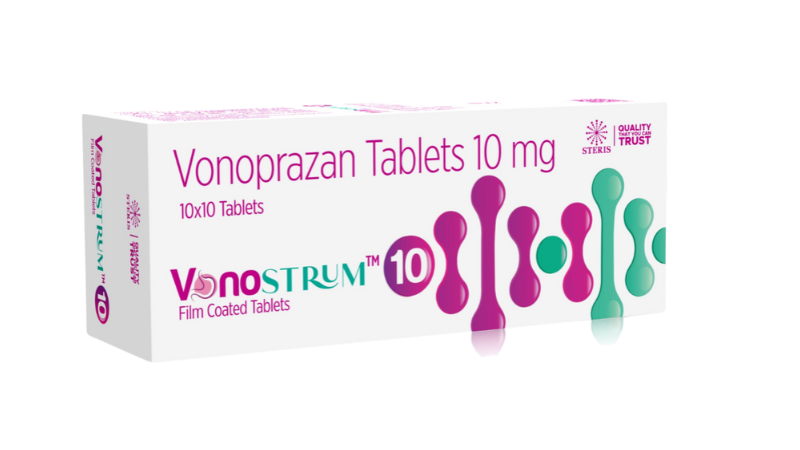
Vonoprazan 10 mg: for Acid Reflux and GERD

Ondansetron 4 mg Orally Disintegrating Tablets IP – Uses, Benefits & Precautions

Ondansetron 8 mg Orally Disintegrating Tablets IP : Uses, Benefits, Dosage & Side Effects
Tropicamide and Phenylephrine Hydrochloride Ophthalmic Solution: Uses, Benefits & Precautions
Levofloxacin Ophthalmic Solution 1.5% w/v – Uses, Benefits & Side Effects
Myo-inositol, Vitamin D3 & Folic Acid Sachets: Uses, Benefits & Side Effects
Warfarin Sodium IP 1mg Uses, Benefits, Side Effects & Precautions
Warfarin Sodium IP 2mg Helps Prevent Blood Clots

Warfarin Sodium IP 3mg Uses, Benefits, Side Effects & Dosage Guide
Warfarin Sodium IP 5mg Uses, Benefits, Dosage, Side Effects

