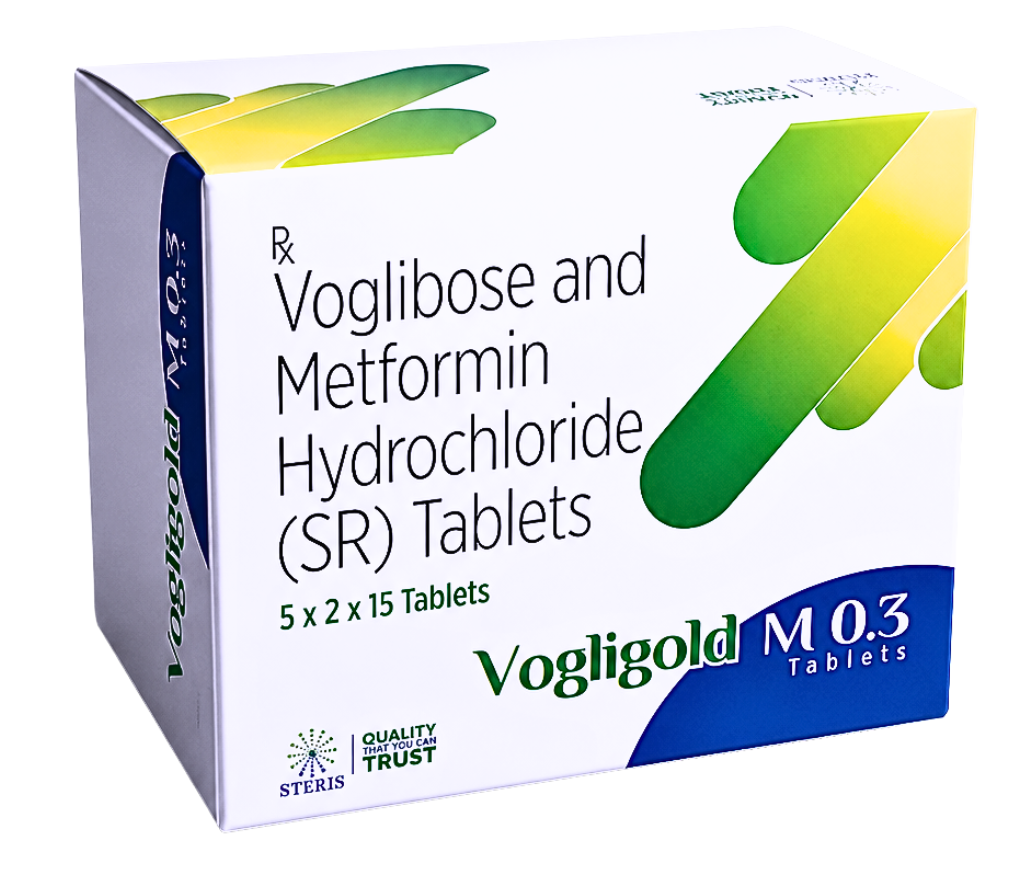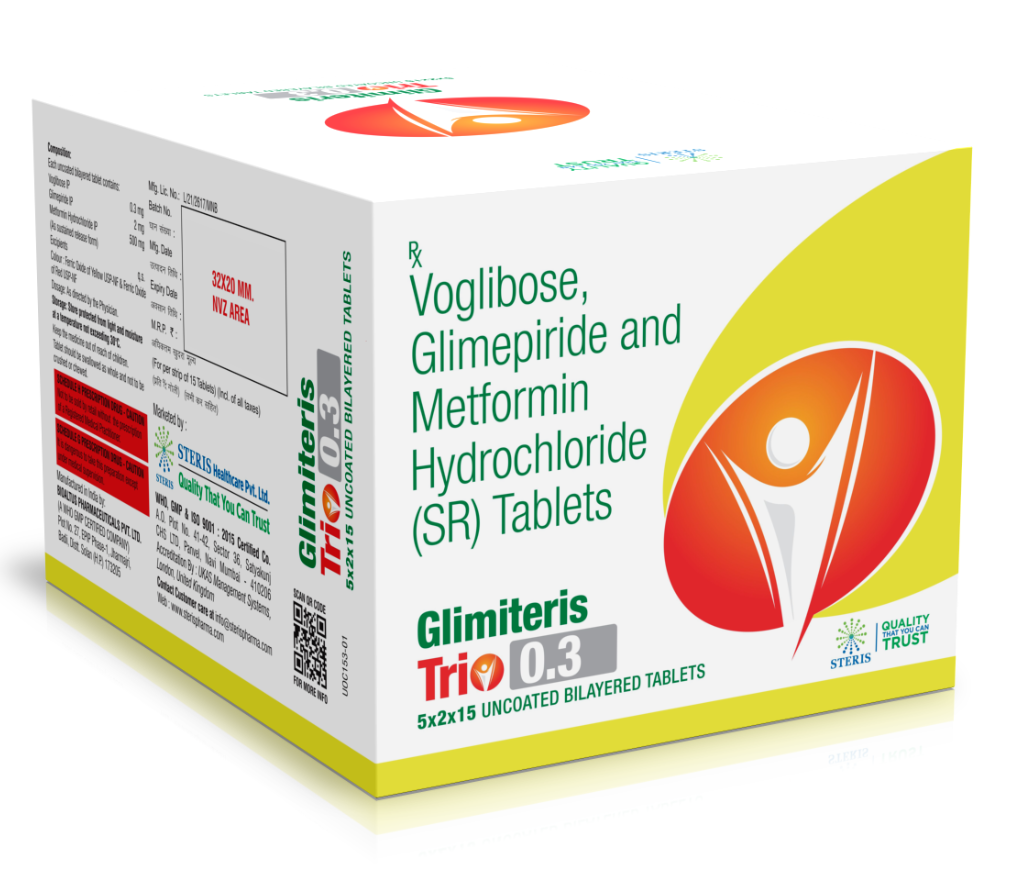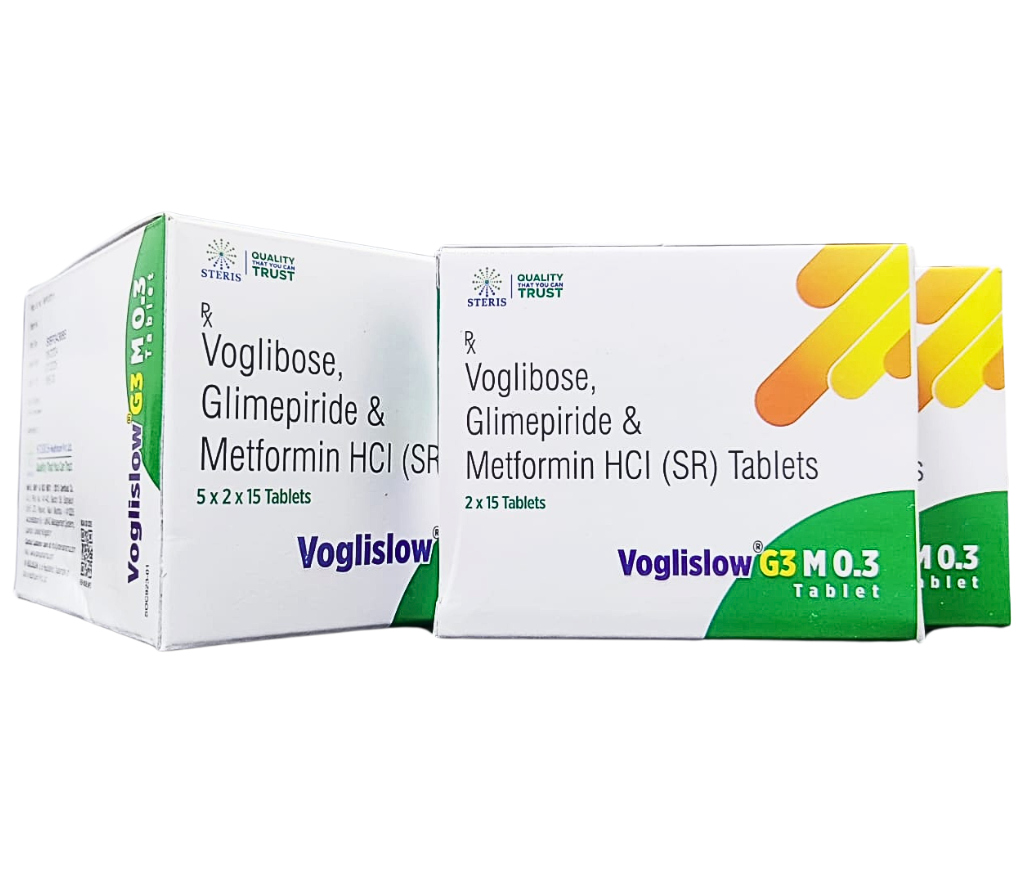


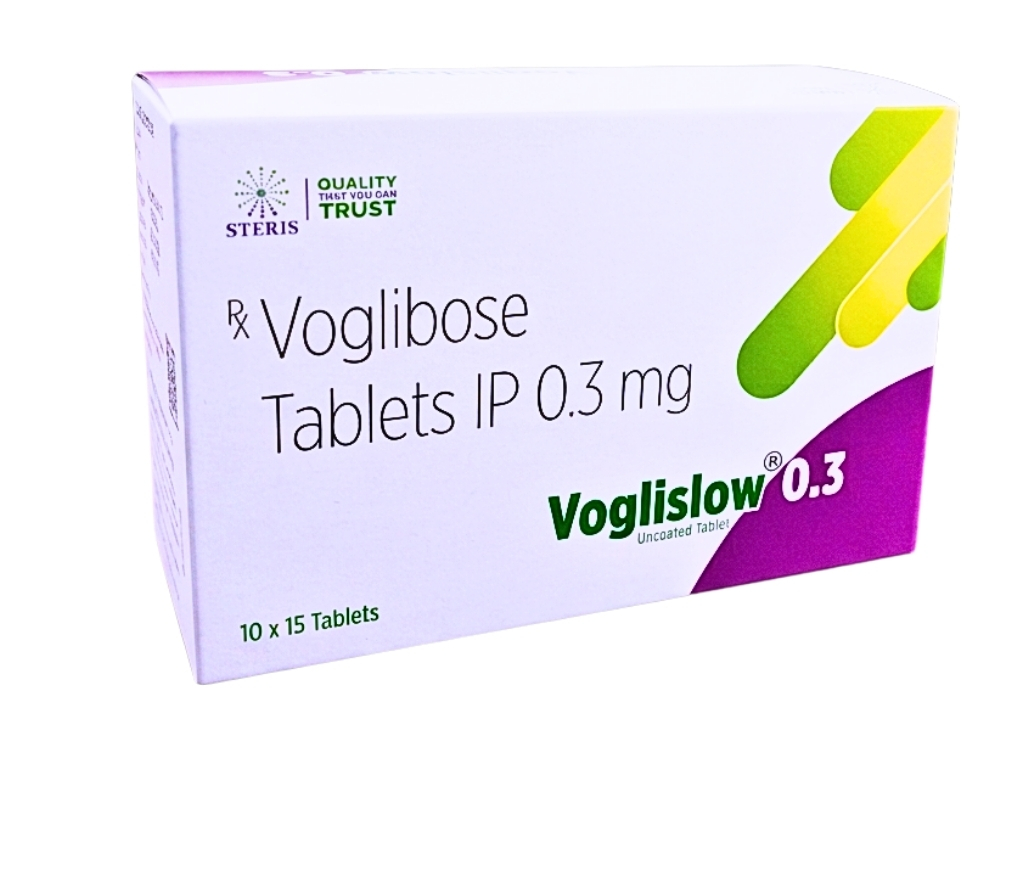
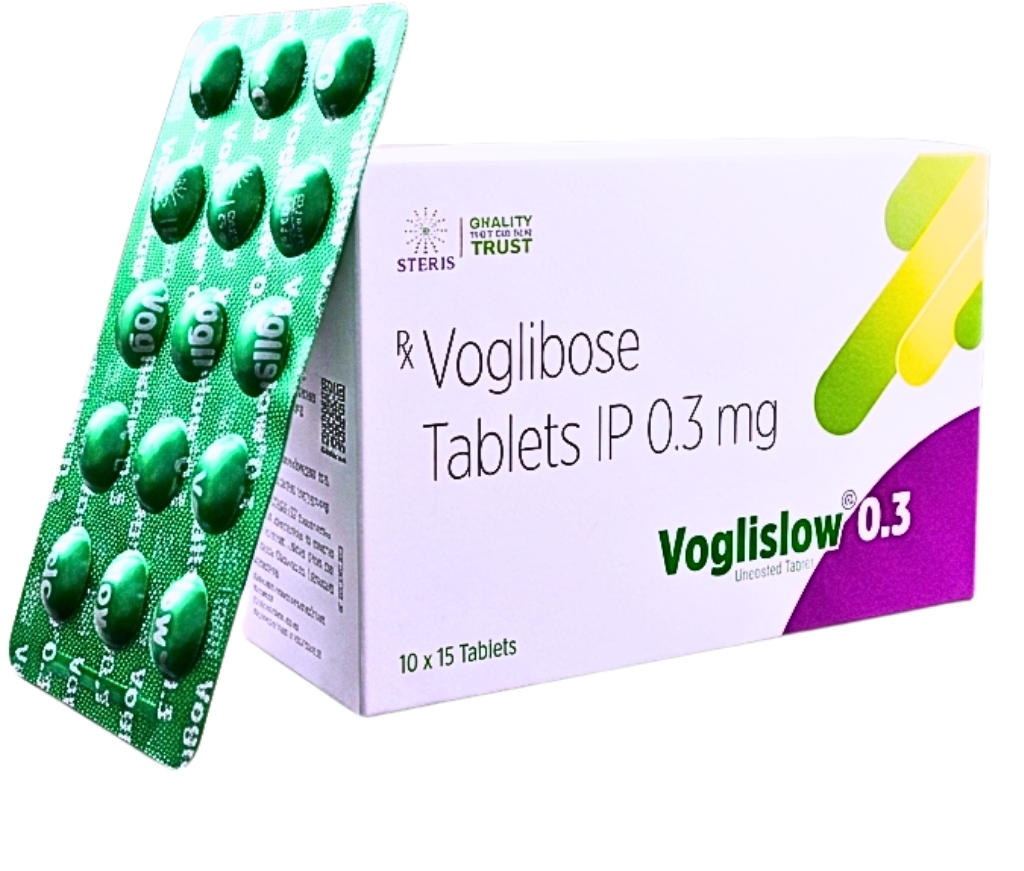
VOGLIGOLD 0.3
 Item requires a valid prescription
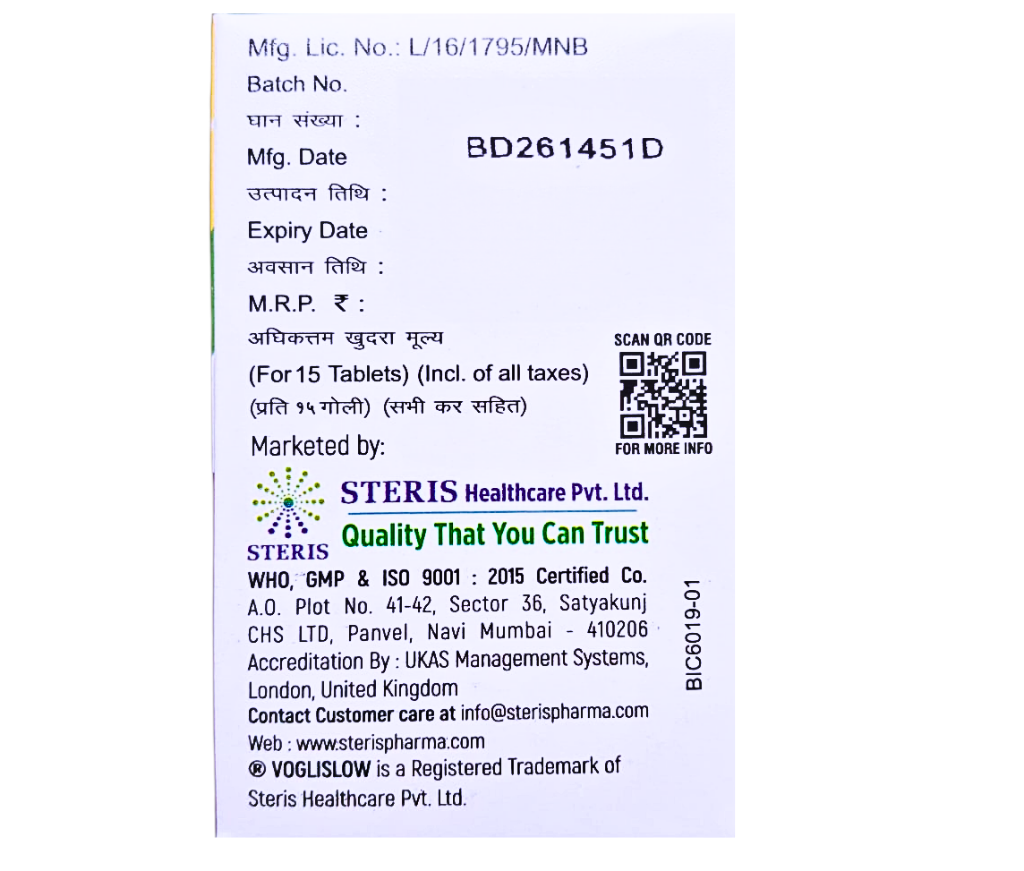
Manufactured By Steris Healthcare Pvt Ltd
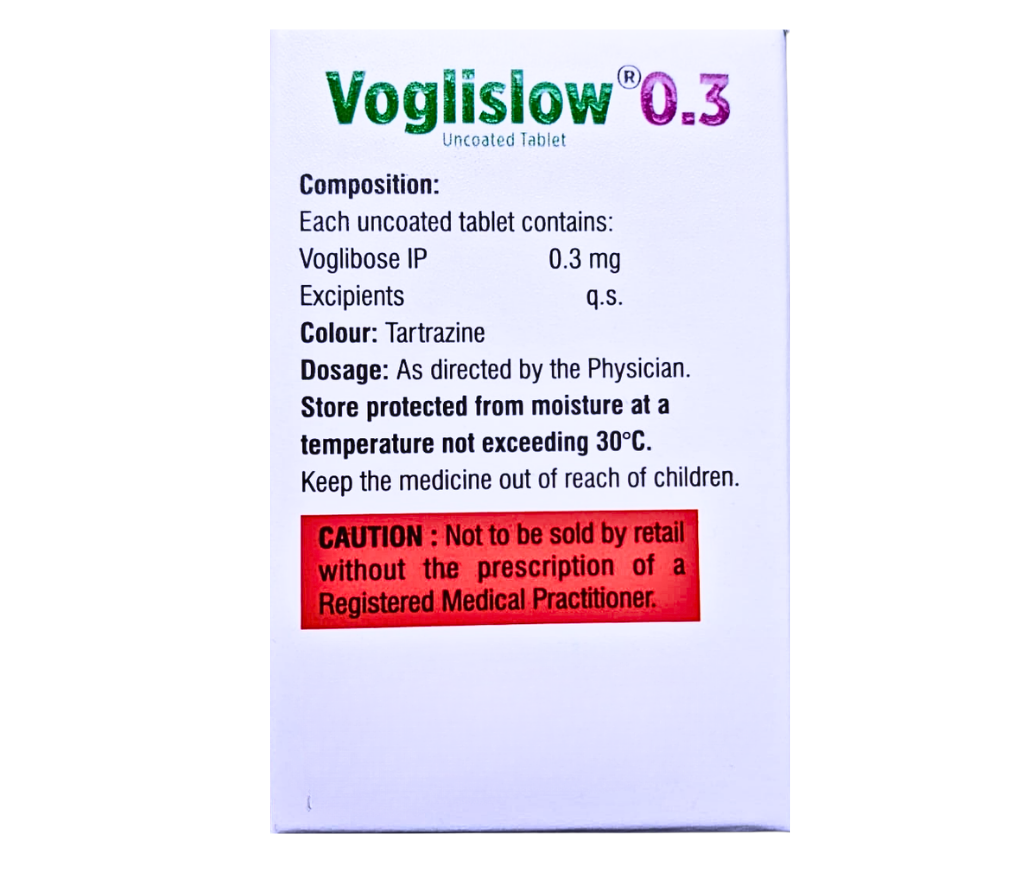
Composition voglibose 0.3 mg
Rs 117.50
MRP Rs 167.50
(30% OFF)
Includes all taxes
Package SIZE
( For 10 Tablets )

100% Authentic
Products

Free
Shipping*

Products
Return Policy
Description:
Voglibose 0.3 is a prescription An oral medication for adults with type 2 diabetes that helps manage post-meal (postprandial) blood sugar spikes. It works in the small intestine by slowing the breakdown of complex carbohydrates into glucose, which flattens the sugar spike that normally follows a meal. Voglibose 0.3 mg is typically taken three times a day, just before each main meal (with the first bite), and is often prescribed alongside metformin, sulfonylureas, or insulin for combination therapy. It does not treat type 1 diabetes and carries a low risk of hypoglycemia when used alone. Common side effects are gastrointestinal—flatulence, bloating, and loose stools—because undigested carbohydrates reach the colon.
Clinical Indications At a Glance
| Parameter | Details |
|---|---|
| Drug class | Alpha-glucosidase inhibitor (AGI) |
| Primary use | Type 2 diabetes mellitus—post-meal (post-prandial) glucose control |
| Strength discussed | Voglibose 0.3 mg tablet |
| Typical dosing frequency | 3 times daily, with the first bite of each main meal |
| Used with diet/exercise? | Yes—always as an adjunct, never a standalone lifestyle replacement |
| Common combination partners | Metformin, sulfonylureas (glimepiride), insulin |
| Prescription status | Rx – prescription only |
| Not recommended for | Type 1 diabetes, diabetic ketoacidosis, severe hepatic/renal impairment (physician discretion required), pregnancy/lactation unless advised |
How Voglibose 0.3 Works
When you eat a meal containing carbohydrates, enzymes in the small intestine called alpha-glucosidases break down complex sugars (starches, disaccharides) into simple glucose that the body absorbs into the bloodstream. In type 2 diabetes, this absorption happens too quickly, causing a sharp after-meal glucose spike.
Voglibose works by competitively inhibiting these intestinal alpha-glucosidase enzymes (including sucrase, maltase, and isomaltase). This slows carbohydrate digestion and delays glucose absorption, spreading it out over a longer period rather than releasing it all at once. The practical result is a flatter, more controlled post-meal blood sugar curve, without directly stimulating insulin release from the pancreas — which is why it carries a comparatively low standalone hypoglycemia risk.
Key Benefits of Voglibose 0.3
1. Targets Post-Meal (Post-Prandial) Blood Sugar Spikes
Voglibose 0.3 is specifically designed to blunt the after-meal glucose surge that fasting-glucose-focused medicines may not fully address — an important piece of overall glycemic control.
2. Supports HbA1c Management as Part of Combination Therapy
By reducing repeated daily post-meal spikes, Voglibose contributes to better long-term average blood sugar control (HbA1c) when used consistently alongside diet, exercise, and other prescribed antidiabetic medicines.
3. Low Standalone Hypoglycemia Risk
Because it does not force the pancreas to release extra insulin, Voglibose used alone has a lower risk of triggering low blood sugar compared with insulin secretagogues like sulfonylureas.
4. Weight-Neutral Profile
Unlike some antidiabetic drug classes associated with weight gain, alpha-glucosidase inhibitors are generally considered weight-neutral, which can be a meaningful consideration for patients managing both diabetes and weight.
5. Flexible Add-On Therapy
Voglibose 0.3 is commonly added to existing regimens (metformin, sulfonylureas, or insulin) when post-meal glucose remains poorly controlled despite baseline therapy, making it a useful step-up option rather than a first-line replacement.
6. Convenient Mealtime Dosing
Because it is taken directly with meals, dosing is easy to anchor to daily routine, which can help with long-term adherence.
Dosage Guidance
- Standard adult dose: Voglibose 0.3 mg, taken orally three times a day, immediately before or with the first bite of each main meal (breakfast, lunch, dinner).
- Missed dose: If a dose is missed and the meal has already started, skip that dose and resume with the next meal — do not double the dose.
- Administration tip: Taking Voglibose after a meal significantly reduces its effectiveness, since its mechanism depends on being present in the gut as carbohydrates are being digested.
- Duration: Voglibose 0.3 is a long-term maintenance therapy for type 2 diabetes; it is not a short-course medicine. Continue only as directed by your physician, with periodic blood sugar and HbA1c monitoring.
- Dose adjustments for elderly patients, renal impairment, or hepatic impairment should always be individualized by a treating physician.
Side Effects of Voglibose 0.3
Common Side Effects
- Flatulence (gas)
- Abdominal bloating or distension
- Loose motions / diarrhea
- Abdominal discomfort or mild pain
- Borborygmi (audible bowel/stomach sounds)
Less Common / Serious Side Effects (Seek Medical Advice)
- Signs of liver dysfunction — unusual fatigue, yellowing of skin/eyes, dark urine (rare; periodic liver function monitoring may be advised by your doctor)
- Severe abdominal pain or intestinal obstruction symptoms
- Signs of an allergic reaction — rash, itching, swelling, difficulty breathing
- Hypoglycemia symptoms when combined with insulin or sulfonylureas — sweating, shakiness, confusion, rapid heartbeat
Precautions & Who Should Avoid Voglibose 0.3
- Not for type 1 diabetes or diabetic ketoacidosis.
- Use with caution in patients with a history of intestinal obstruction, inflammatory bowel disease, or major abdominal surgery, since GI side effects may be more pronounced.
- Liver and kidney function should be evaluated before and periodically during long-term use, especially in patients with pre-existing hepatic or renal conditions.
- Pregnancy and breastfeeding: use only if clearly advised by a physician, as safety data in these groups is limited.
- Combination with insulin/sulfonylureas: monitor for hypoglycemia; if it occurs, treat with glucose (dextrose), not table sugar (sucrose), because Voglibose blocks the breakdown of sucrose into glucose.
- Inform your doctor about all other medicines, supplements, and herbal products you take to avoid interactions.
- Avoid alcohol or discuss alcohol use with your doctor, as it can affect blood sugar control and increase GI discomfort.
Voglibose 0.3 vs Other Antidiabetic Options
| Feature | Voglibose 0.3 (AGI) | Metformin | Sulfonylureas (e.g., Glimepiride) |
|---|---|---|---|
| Primary target | Post-meal glucose spikes | Fasting glucose + insulin sensitivity | Stimulates insulin release |
| Hypoglycemia risk (alone) | Low | Very low | Higher |
| Weight effect | Neutral | Neutral/mild loss | May cause weight gain |
| Common side effects | Gas, bloating, loose stools | GI upset, metallic taste | Hypoglycemia, weight gain |
| Dosing timing | With first bite of each meal | With/after meals | Before meals |
| Typical use | Add-on for post-prandial control | First-line therapy | Add-on/alternative therapy |
Conclusion
Voglibose 0.3 plays a focused, practical role in type 2 diabetes management: controlling the after-meal blood sugar spikes that fasting-glucose-centered medicines can miss. Taken correctly — with the first bite of each main meal, consistently, and alongside diet and exercise — it can be a valuable addition to a broader antidiabetic regimen, particularly for patients whose post-meal readings remain elevated despite other therapy. Its low standalone hypoglycemia risk and weight-neutral profile make it a commonly considered add-on option, though gastrointestinal side effects are the trade-off most patients should be prepared for.
As with any prescription antidiabetic medicine, Voglibose 0.3 should only be started, adjusted, or stopped under the guidance of a qualified physician, with regular blood sugar, HbA1c, liver, and kidney monitoring as advised. If you're evaluating Voglibose 0.3 as part of your diabetes care plan, discuss your full medical history and current medications with your doctor to determine if it's the right fit for you.
Frequently Asked Questions
1. What are the benefits of using Voglibose?
Voglibose helps control post-meal (post-prandial) blood sugar spikes in type 2 diabetes by slowing carbohydrate digestion in the intestine. It supports better overall glycemic control, has a low standalone hypoglycemia risk, and is generally weight-neutral, making it a useful add-on to diet, exercise, and other diabetes medicines.
2. What is the difference between Voglibose and metformin?
Voglibose is an alpha-glucosidase inhibitor that mainly targets after-meal glucose spikes by slowing carbohydrate breakdown in the gut. Metformin primarily reduces glucose production by the liver and improves insulin sensitivity, addressing fasting blood sugar levels. They work through different mechanisms and are sometimes prescribed together for complementary effects.
3. What should I avoid while taking Voglibose?
Avoid taking the tablet after meals instead of before, since timing affects its efficacy. Avoid excess alcohol, and be cautious with sugary foods if you're on combination therapy with insulin or sulfonylureas — if hypoglycemia occurs, use glucose (dextrose) rather than regular table sugar, since Voglibose can blunt sucrose breakdown.
4. Is Voglibose 0.3 safe to take?
Voglibose 0.3 is generally considered safe for most adults with type 2 diabetes when prescribed and monitored by a doctor. Like all medicines, it carries potential side effects (mainly gastrointestinal) and should not be self-prescribed. Always follow your doctor's dosage instructions and attend recommended monitoring visits.
5. Does Voglibose reduce HbA1c?
Voglibose can contribute to lower HbA1c over time by consistently reducing post-meal glucose spikes, which form part of the overall glycemic picture that HbA1c reflects. The degree of reduction varies by individual and is generally more meaningful as part of a combination regimen rather than as a standalone therapy — your doctor can set realistic expectations based on your specific case.
6. Can metformin and Voglibose be taken together?
Yes, metformin and Voglibose are commonly prescribed together because they act through different, complementary mechanisms — metformin addresses fasting glucose and insulin sensitivity, while Voglibose targets post-meal spikes. This combination should only be started or adjusted under a doctor's supervision.
7. When is the best time to take Voglibose to lower blood sugar levels?
Voglibose should be taken with the first bite of each main meal (breakfast, lunch, and dinner), not after the meal has been eaten. Taking it right before or with the start of a meal ensures it's active in the intestine when carbohydrates are being digested, which is essential for its effect.
8. Which is the safest medicine for type 2 diabetes? There is no single "safest" medicine for everyone — the right choice depends on individual factors like kidney function, liver health, weight, risk of hypoglycemia, and other health conditions. Metformin is often used as a first-line option for many patients, but the safest medicine for you is the one your doctor selects based on your complete medical profile.
9. Is Voglibose safe for the kidneys?
Voglibose is minimally absorbed systemically since it acts mainly in the intestine, which is generally considered favorable from a kidney standpoint compared to some other antidiabetic drugs. However, patients with significant renal impairment should still use it only under close medical supervision, as individual dosing and monitoring needs can vary.
10. What is the best medicine to reduce HbA1c?
No single medicine is universally "best" for reducing HbA1c — effectiveness depends on the individual's diabetes type, stage, other health conditions, and how well the medicine is tolerated. Metformin, SGLT2 inhibitors, GLP-1 receptor agonists, sulfonylureas, and alpha-glucosidase inhibitors like Voglibose each contribute differently, and combination therapy is often used for meaningful HbA1c improvement. Your doctor can recommend the most suitable option for your specific case.
11. Can Voglibose 0.3 cause weight gain?
No, Voglibose is generally considered weight-neutral. Unlike some antidiabetic medicines, it does not directly stimulate insulin release or promote fat storage, so it is not typically associated with weight gain.
12. How long does it take for Voglibose to start working?
Voglibose acts locally in the intestine and begins affecting carbohydrate digestion from the very meal it's taken with. However, meaningful improvements in overall blood sugar control and HbA1c typically become measurable after several weeks of consistent use, as advised by your doctor.
13. Can I take Voglibose 0.3 if I have gas or bloating problems already?
If you already have a sensitive digestive system or a history of bowel-related conditions, inform your doctor before starting Voglibose, since gas, bloating, and loose stools are among its most common side effects. Your doctor may recommend a lower starting dose or an alternative medicine.
14. Is Voglibose available without a prescription?
No. Voglibose 0.3 is a prescription-only medicine and should not be started, stopped, or self-adjusted without consulting a registered physician.
15. Does Voglibose interact with other medicines?
Voglibose can interact with certain medicines, including other antidiabetic drugs (increasing hypoglycemia risk in combination), and its absorption profile can be affected by digestive enzyme preparations. Always share your complete list of medicines and supplements with your doctor before starting Voglibose.
16. Can Voglibose 0.3 be taken by elderly patients?
Voglibose can be used in elderly patients, but dosing and monitoring should be individualized, considering kidney/liver function and the higher likelihood of other coexisting health conditions. Your doctor will determine the appropriate approach.