


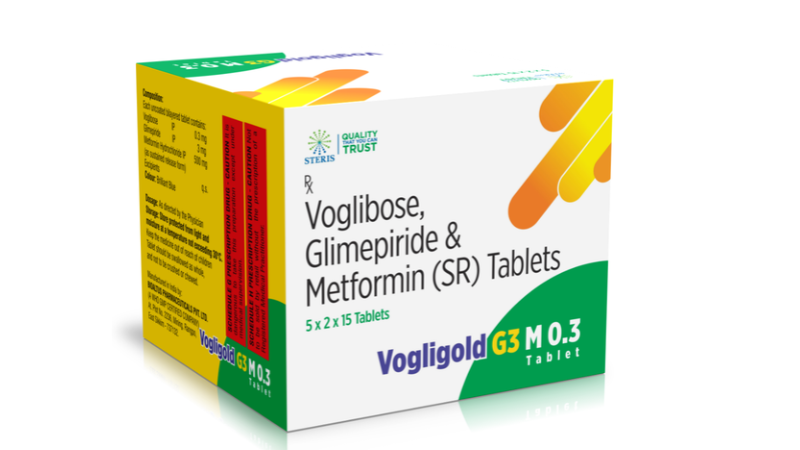


Glimepiride Voglibose and Metformin Tablets – Uses & Benefits
Nov 16, 2026
Product Description
Glimepiride Voglibose and Metformin Hydrochloride Tablets are combination antidiabetic medicines prescribed for the management of type 2 diabetes mellitus in adults who require additional blood glucose control. This triple-combination formulation contains three active ingredients that work through different mechanisms to help regulate blood sugar levels and improve glycemic control.
The three ingredients are Glimepiride, Voglibose, and Metformin Hydrochloride. Together, they target different aspects of blood glucose regulation, including insulin secretion, carbohydrate digestion, glucose absorption, and glucose production in the liver.
Glimepiride belongs to the sulfonylurea class of antidiabetic medicines. It works by stimulating insulin release from the pancreatic beta cells, helping the body lower elevated blood glucose levels.
Voglibose belongs to the alpha-glucosidase inhibitor class. It slows the breakdown of carbohydrates into simple sugars in the small intestine, delaying glucose absorption and helping reduce sudden increases in blood sugar after meals, also known as postprandial hyperglycemia.
Metformin Hydrochloride belongs to the biguanide class of medicines. It helps reduce glucose production in the liver, improves insulin sensitivity, and decreases intestinal glucose absorption. This allows the body to use insulin more effectively and supports better overall blood glucose management.
The combination of Glimepiride, Voglibose, and Metformin Hydrochloride offers a complementary three-way approach to type 2 diabetes treatment. While Glimepiride stimulates insulin secretion, Voglibose helps control post-meal glucose spikes, and Metformin addresses excessive glucose production and insulin resistance.
What Are Glimepiride Voglibose and Metformin Hydrochloride Tablets Used For?
The primary use of Glimepiride Voglibose and Metformin Hydrochloride tablets is the management of type 2 diabetes mellitus in adults who need additional glycemic control.
Doctors may prescribe this combination for:
- Managing elevated blood glucose levels in type 2 diabetes.
- Helping control post-meal blood sugar spikes.
- Supporting overall blood glucose regulation.
- Improving glycemic control through complementary mechanisms.
- Managing diabetes when treatment with fewer medicines is insufficient.
- Supporting individualized diabetes treatment alongside diet and exercise.
How Do Glimepiride, Voglibose and Metformin Work?
Each active ingredient works differently to support blood glucose regulation.
1. Glimepiride – Stimulates Insulin Release
Glimepiride stimulates insulin secretion from pancreatic beta cells by acting on ATP-sensitive potassium channels. Increased insulin release helps the body lower blood glucose levels.
Its action depends on the presence of functioning pancreatic beta cells.
2. Voglibose – Helps Control Post-Meal Blood Sugar
Voglibose inhibits alpha-glucosidase enzymes in the small intestine. These enzymes break down carbohydrates into absorbable sugars.
By slowing carbohydrate digestion, Voglibose delays glucose absorption into the bloodstream and helps reduce postprandial blood glucose increases.
3. Metformin Hydrochloride – Reduces Glucose Production
Metformin primarily reduces glucose production in the liver. It also improves insulin sensitivity, increases peripheral glucose utilization, and decreases intestinal glucose absorption.
Together, these three medicines target insulin secretion, post-meal glucose absorption, and excessive glucose production.
Key Benefits of Glimepiride Voglibose and Metformin Hydrochloride Tablets
This triple-combination antidiabetic medicine may offer several potential benefits when prescribed to suitable adults with type 2 diabetes.
1. Supports Overall Blood Sugar Management
The combination works through three different mechanisms to help improve blood glucose regulation.
2. Helps Control Post-Meal Blood Sugar Spikes
Voglibose slows carbohydrate digestion and glucose absorption, helping manage postprandial hyperglycemia.
3. Supports Insulin Secretion
Glimepiride stimulates insulin release from the pancreas, helping lower elevated blood glucose levels.
4. Helps Improve Insulin Sensitivity
Metformin improves the body's response to insulin and reduces excessive glucose production in the liver.
5. Three Complementary Mechanisms of Action
The three active ingredients address different pathways involved in diabetes, offering a comprehensive pharmacological approach when triple therapy is clinically appropriate.
6. Supports Individualized Diabetes Treatment
Doctors may prescribe this combination for patients who do not achieve their glucose targets with less intensive treatment.
Dosage and How to Take Glimepiride Voglibose and Metformin Hydrochloride Tablets
The appropriate dosage depends on the exact product strength, blood glucose levels, kidney and liver function, meal schedule, other medicines, and individual treatment response.
The timing of administration is particularly important because the three ingredients have different actions:
- Glimepiride is generally taken with breakfast or the first main meal.
- Voglibose is generally taken immediately before meals.
- Metformin is generally taken with food, depending on its formulation.
Follow the specific product's prescribing information and your doctor's instructions. Do not independently change the timing or dosage of a fixed-dose combination.
Additional precautions:
- Take the medicine exactly as prescribed.
- Do not skip meals, particularly when taking Glimepiride.
- Maintain a consistent and balanced diet.
- Monitor blood glucose regularly.
- Avoid excessive alcohol consumption.
- Do not crush or chew sustained-release formulations unless the product instructions specifically permit it.
- Never take an additional dose to compensate for a missed dose.
Possible Side Effects of Glimepiride Voglibose and Metformin Hydrochloride Tablets
Like other prescription antidiabetic medicines, this combination may cause side effects. The type and severity of reactions can vary depending on the individual and the prescribed dose.
Common Side Effects
- Hypoglycemia (low blood sugar).
- Nausea and vomiting.
- Diarrhea or loose stools.
- Abdominal discomfort or stomach pain.
- Flatulence (excessive gas).
- Abdominal bloating.
- Constipation.
- Loss of appetite.
- Headache.
- Dizziness.
- Changes in taste.
Serious Side Effects
1. Severe Hypoglycemia
Glimepiride increases insulin secretion and can cause low blood sugar, particularly when meals are missed, food intake is insufficient, or the medicine is combined with other glucose-lowering treatments.
Symptoms may include sweating, shaking, intense hunger, dizziness, confusion, blurred vision, and loss of consciousness.
Severe hypoglycemia requires immediate medical attention.
2. Lactic Acidosis
Metformin can rarely cause a serious condition called lactic acidosis, especially in patients with significant kidney impairment or other risk factors.
Warning symptoms may include unusual muscle pain, severe weakness, breathing difficulty, abdominal discomfort, and unusual sleepiness.
3. Gastrointestinal Problems
Voglibose and Metformin may cause digestive symptoms such as diarrhea, gas, bloating, nausea, and abdominal discomfort.
4. Allergic Reactions
Some patients may experience skin rashes, itching, swelling, or other allergic reactions. Seek urgent medical care for breathing difficulty or facial or throat swelling.
5. Vitamin B12 Deficiency
Long-term Metformin treatment may reduce vitamin B12 absorption in some patients. Monitoring may be recommended when clinically appropriate.
Contact your healthcare professional if side effects persist, worsen, or interfere with daily activities.
Precautions and Safety Information
Before taking Glimepiride Voglibose and Metformin Hydrochloride tablets, inform your doctor about your medical history and all medicines you currently use.
- Kidney disease: Metformin requires careful assessment of kidney function and may be unsuitable in severe renal impairment.
- Liver disease: Patients with liver impairment require medical evaluation because Glimepiride and Metformin may require special precautions.
- Missed meals: Avoid skipping meals because Glimepiride can increase the risk of hypoglycemia.
- Alcohol consumption: Excessive alcohol intake can increase the risk of hypoglycemia and Metformin-associated lactic acidosis.
- Pregnancy and breastfeeding: Consult your healthcare professional because this combination may not be appropriate during these periods.
- Heart conditions: Patients with certain serious cardiac conditions require careful evaluation.
- Other diabetes medicines: Combining this medicine with insulin or other glucose-lowering medicines may increase the risk of hypoglycemia.
- Surgery and contrast imaging: Metformin may need temporary interruption around certain procedures or iodinated contrast investigations, depending on clinical circumstances.
Who Can Use Glimepiride Voglibose and Metformin Hydrochloride Tablets?
This combination may be prescribed to adults with type 2 diabetes who need additional blood glucose control and are suitable candidates for all three active ingredients.
It may be considered when less intensive treatment does not achieve individualized glucose targets.
However, it is not suitable for everyone. Patients with type 1 diabetes, diabetic ketoacidosis, severe kidney impairment, metabolic acidosis, certain serious gastrointestinal conditions, or known hypersensitivity to the ingredients may need alternative treatment.
A qualified healthcare professional should evaluate the patient's blood glucose levels, kidney and liver function, nutritional status, and current medication before prescribing this combination.
Conclusion
Glimepiride Voglibose and Metformin Hydrochloride tablets are triple-combination antidiabetic medicines designed to support blood glucose management in adults with type 2 diabetes mellitus. The three active ingredients work through complementary mechanisms to address different aspects of glucose regulation.
Glimepiride stimulates insulin secretion, Voglibose slows carbohydrate digestion to help control post-meal blood sugar spikes, and Metformin reduces glucose production in the liver while improving insulin sensitivity.
This combination may be considered when less intensive diabetes treatment does not provide adequate glycemic control. Its three-way mechanism of action offers a comprehensive approach to managing both postprandial and overall blood glucose levels.
For effective diabetes management, patients should follow their prescribed treatment, maintain regular meal timings, adopt a balanced diet, exercise appropriately, and monitor blood glucose levels regularly. Kidney function and other relevant health parameters should also be monitored as recommended.
Always consult a qualified healthcare professional before starting, changing, or discontinuing this medicine.
FAQs –
1. What are Glimepiride Voglibose and Metformin Hydrochloride tablets used for?
Glimepiride Voglibose and Metformin Hydrochloride tablets are used to manage blood glucose levels in adults with type 2 diabetes mellitus. They combine three medicines that stimulate insulin release, slow carbohydrate digestion, and reduce glucose production in the liver.
2. What are the main benefits of Glimepiride Voglibose and Metformin tablets?
The main benefits include support for overall blood glucose management, improved post-meal glucose control, increased insulin secretion, improved insulin sensitivity, and complementary action through three different antidiabetic mechanisms.
3. How do Glimepiride, Voglibose and Metformin work together?
Glimepiride stimulates insulin release from the pancreas, Voglibose slows carbohydrate digestion and glucose absorption in the intestine, and Metformin reduces glucose production in the liver while improving insulin sensitivity.
4. What are the common side effects of Glimepiride Voglibose and Metformin tablets?
Common side effects include low blood sugar, nausea, vomiting, diarrhea, abdominal pain, gas, bloating, constipation, headache, and dizziness. Severe hypoglycemia and lactic acidosis are important but less common risks.
5. Can Glimepiride Voglibose and Metformin control blood sugar after meals?
Yes. Voglibose helps control post-meal blood sugar increases by slowing carbohydrate digestion and glucose absorption. Glimepiride and Metformin provide additional support for overall glucose regulation.
6. When should Glimepiride Voglibose and Metformin tablets be taken?
The timing depends on the product formulation. Glimepiride is generally taken with breakfast or the first main meal, Voglibose immediately before meals, and Metformin with food. Follow the exact instructions for your prescribed combination.
7. Can Glimepiride Voglibose and Metformin be used for type 2 diabetes?
Yes. This combination may be prescribed for adults with type 2 diabetes who need additional blood glucose control when less intensive treatment is insufficient.
8. Does Glimepiride Voglibose and Metformin cause low blood sugar?
Yes. Glimepiride can cause hypoglycemia by stimulating insulin release. The risk may increase if meals are skipped, physical activity increases without appropriate adjustments, or other diabetes medicines are used simultaneously.
9. What should I do if I experience low blood sugar while taking this medicine?
If you are conscious and able to swallow, follow your healthcare professional's hypoglycemia plan. Fast-acting glucose is generally recommended. Severe confusion, unconsciousness, or inability to swallow requires emergency medical assistance. Do not give food or drink to an unconscious person.
10. Can Glimepiride Voglibose and Metformin be taken after food?
The recommended timing differs between the ingredients. Glimepiride is generally taken with a meal, Voglibose immediately before a meal, and Metformin with food. Follow your specific product's instructions and doctor's advice.
11. Is Glimepiride Voglibose and Metformin suitable for long-term diabetes management?
It may be prescribed for ongoing management of type 2 diabetes when clinically appropriate. Regular monitoring of blood glucose, kidney function, and other relevant health parameters is important.
12. Can Glimepiride Voglibose and Metformin be taken with other diabetes medicines?
Additional diabetes medicines may sometimes be prescribed, but combining treatments can increase the risk of hypoglycemia and other adverse effects. Such combinations require medical supervision and appropriate dose adjustments.
13. Who should avoid Glimepiride Voglibose and Metformin tablets?
People with type 1 diabetes, diabetic ketoacidosis, metabolic acidosis, severe kidney impairment, certain serious gastrointestinal conditions, or allergies to the ingredients may need to avoid this combination. A doctor must assess individual suitability.
14. Does Glimepiride Voglibose and Metformin cause weight gain?
Glimepiride may cause weight gain in some patients because it stimulates insulin secretion. Weight changes vary between individuals. This combination is not a weight-loss medicine.
15. Is Glimepiride Voglibose and Metformin better than Metformin alone?
Not necessarily for every patient. The combination provides three different mechanisms of action and may be appropriate when Metformin alone does not provide adequate glucose control. The best treatment depends on individual glucose targets, medical history, kidney function, and hypoglycemia risk.
Recent Post
Voglibose and Metformin Hydrochloride Tablets – Uses & Benefits
Voglibose 0.3 mg + Metformin SR 500 mg: Uses & Benefits
Voglibose 0.2mg: Uses, Benefits, Dosage & Side Effects
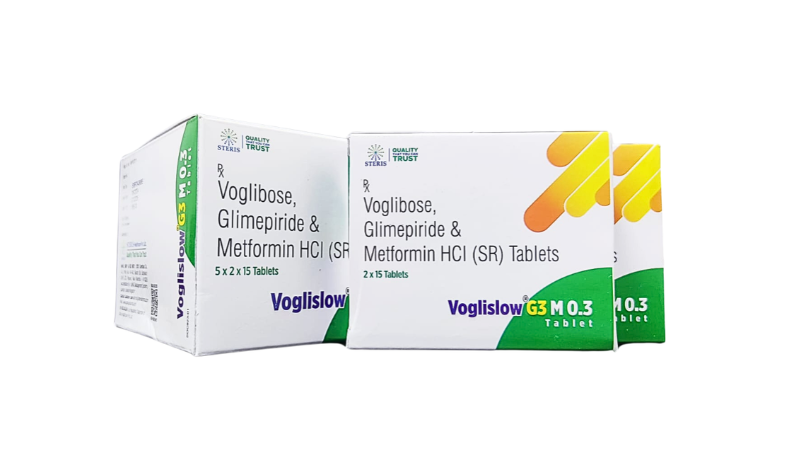
VOGLISLOW G3 M 0.3: Uses, Benefits & Side Effects
Valganciclovir Tablet IP 450 mg: Uses, Benefits, Dosage, Side Effects
Vonoprazan 10 mg: for Acid Reflux and GERD
Vonoprazan 20 mg: Uses, Benefits, Dosage, Side Effects
Ondansetron 4 mg Orally Disintegrating Tablets IP – Uses, Benefits & Precautions

Ondansetron 8 mg Orally Disintegrating Tablets IP : Uses, Benefits, Dosage & Side Effects
Tropicamide and Phenylephrine Hydrochloride Ophthalmic Solution: Uses, Benefits & Precautions

