


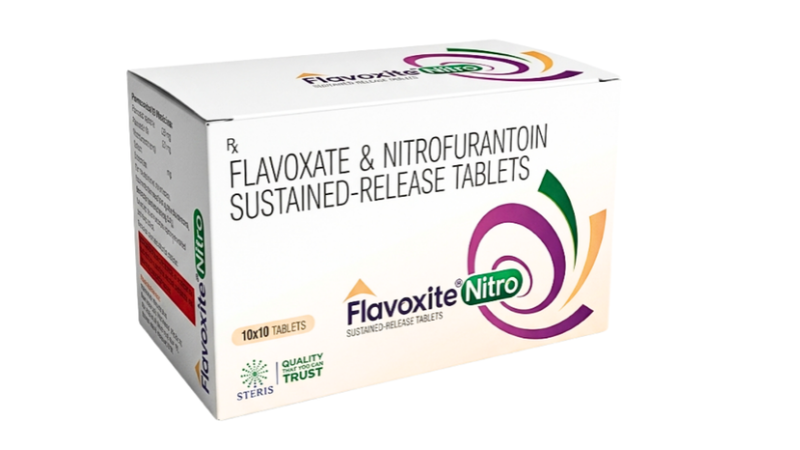


Flavoxate 200 mg + Nitrofurantoin 100 mg Tablets: Uses, Benefits and Side Effects
Nov 19, 2026
Product Overview
Flavoxate Hydrochloride 200 mg And Nitrofurantoin 100 mg Sustained Release Tablets combine two active pharmaceutical ingredients that have different but complementary roles in urinary tract management. Flavoxate Hydrochloride is a urinary antispasmodic that helps relieve bladder-related discomfort, while Nitrofurantoin is an antibacterial medicine used to treat certain bacterial urinary tract infections (UTIs).
This combination is designed to address two important aspects of urinary tract conditions: uncomfortable urinary symptoms and bacterial infection, when the combination is appropriate for the patient's clinical condition.
Urinary tract infections can cause symptoms such as burning during urination, frequent urination, sudden urinary urgency and lower abdominal discomfort. Selecting appropriate treatment depends on the suspected infection, urine culture results, kidney function and individual patient factors.
Composition of Flavoxate Hydrochloride 200 mg And Nitrofurantoin 100 mg Sustained Release Tablets
The formulation contains two active ingredients:
1. Flavoxate Hydrochloride 200 mg
Flavoxate Hydrochloride belongs to the urinary antispasmodic category. It works by relaxing smooth muscles in the urinary tract and reducing unwanted bladder contractions.
Its primary role is symptomatic relief from urinary discomfort, including:
- Frequent urination.
- Urinary urgency.
- Burning or painful urination.
- Bladder spasms.
- Lower abdominal or suprapubic discomfort.
Flavoxate helps manage urinary symptoms but does not kill the bacteria responsible for a bacterial UTI.
2. Nitrofurantoin 100 mg Sustained Release
Nitrofurantoin is an antibacterial agent primarily used for certain susceptible bacterial infections of the lower urinary tract.
It works by interfering with essential bacterial processes, including protein synthesis and other cellular functions, ultimately inhibiting bacterial growth and causing bacterial death.
Its therapeutic role includes:
- Treatment of susceptible bacterial urinary tract infections.
- Management of uncomplicated bacterial cystitis when clinically appropriate.
- Targeted antibacterial treatment based on clinical assessment and bacterial susceptibility.
The sustained-release designation describes a modified drug-release formulation. Its actual release characteristics and administration instructions must be confirmed from the specific manufacturer's product information.
Uses of Flavoxate Hydrochloride 200 mg And Nitrofurantoin 100 mg Tablets
The two ingredients address different urinary tract concerns.
1. Management of Lower Urinary Tract Infections
Nitrofurantoin is used against susceptible bacteria responsible for certain lower urinary tract infections. It is particularly relevant to uncomplicated bacterial cystitis when the organism is susceptible and the patient's clinical condition supports its use.
2. Relief from Burning During Urination
Flavoxate helps reduce bladder-related discomfort and urinary spasms. This may help patients experiencing painful or uncomfortable urination.
3. Relief from Frequent Urination
Bladder muscle relaxation can help reduce involuntary contractions associated with urinary frequency.
4. Management of Urinary Urgency
Flavoxate may help relieve the sudden urge to urinate associated with bladder spasms and certain lower urinary tract conditions.
5. Management of Bladder Discomfort
The antispasmodic action of Flavoxate may help relieve suprapubic discomfort and bladder-related pain.
Key Benefits of Flavoxate Hydrochloride 200 mg And Nitrofurantoin 100 mg
When prescribed for an appropriate indication, this formulation offers several potential therapeutic advantages.
1. Two Different Therapeutic Actions
Flavoxate provides urinary antispasmodic activity, while Nitrofurantoin provides antibacterial activity against susceptible organisms.
2. Helps Address Urinary Discomfort
The antispasmodic action of Flavoxate may help relieve bladder spasms, urgency and urinary frequency.
3. Targeted Antibacterial Activity
Nitrofurantoin is an established antibacterial option for certain uncomplicated lower urinary tract infections.
4. Supports Symptom Management Alongside Infection Treatment
When clinically appropriate, the two ingredients can address different aspects of a urinary condition rather than relying on symptom relief alone.
5. Sustained-Release Formulation
If the specific product has a validated sustained-release delivery system, it may provide a modified release profile. Actual duration of action, dosing frequency and clinical advantages must be established by the product's approved formulation data.
How Does This Combination Work?
The therapeutic action involves two distinct mechanisms.
- Flavoxate Hydrochloride: Acts on urinary tract smooth muscles to reduce involuntary contractions and bladder spasms.
- Nitrofurantoin: Acts against susceptible bacteria by interfering with multiple essential bacterial cellular processes.
Together, their different pharmacological actions may support the management of selected lower urinary tract conditions when prescribed by a qualified healthcare professional.
Possible Side Effects
Like other prescription medicines, Flavoxate Hydrochloride and Nitrofurantoin may cause side effects. Their occurrence and severity vary between individuals.
Common or Recognised Side Effects
Potential adverse effects include:
- Nausea or vomiting.
- Stomach discomfort.
- Indigestion.
- Diarrhoea.
- Dry mouth.
- Headache or dizziness.
- Drowsiness.
- Blurred vision.
- Skin rash.
Serious Side Effects Requiring Medical Attention
Nitrofurantoin has been associated with rare but potentially serious adverse reactions, including:
- Pulmonary reactions, such as breathing difficulties or inflammation of lung tissue.
- Liver injury or hepatitis.
- Peripheral neuropathy, which may cause tingling, numbness or weakness.
- Haemolytic anaemia, particularly in susceptible individuals with G6PD deficiency.
- Severe allergic reactions.
Seek immediate medical attention if serious breathing problems, facial swelling, severe allergic reactions, jaundice or unusual neurological symptoms develop.
Precautions and Safety Information
Before taking Flavoxate Hydrochloride 200 mg And Nitrofurantoin 100 mg tablets, patients should inform their doctor about existing medical conditions and other medicines they are taking.
Important precautions include:
- Kidney function: Nitrofurantoin suitability depends on renal function. Patients with impaired kidney function require careful medical assessment.
- Pregnancy: The suitability of both ingredients depends on the stage of pregnancy. Nitrofurantoin is generally avoided near term and during labour.
- Breastfeeding: Medical advice is necessary, particularly when the infant has G6PD deficiency or is otherwise at risk.
- Liver conditions: A history of liver disease or previous nitrofurantoin-associated liver injury must be disclosed.
- Glaucoma: Flavoxate may be unsuitable for certain patients with glaucoma.
- Urinary retention: Flavoxate requires caution in patients with urinary retention.
- Drug interactions: Inform your doctor about all prescription medicines, non-prescription medicines and supplements.
The medicine should only be taken in the prescribed dose and for the recommended duration. Do not discontinue, extend or change antibiotic treatment without medical advice.
Why Choose Flavoxate Hydrochloride 200 mg And Nitrofurantoin 100 mg Tablets?
For pharmaceutical buyers, distributors and healthcare professionals evaluating this formulation, the combination offers two distinct pharmacological components in one dosage form.
Key product considerations include:
- Clearly specified active pharmaceutical ingredient strengths.
- Antispasmodic and antibacterial therapeutic components.
- Potential application in selected lower urinary tract conditions.
- Modified-release formulation, subject to verified product specifications.
- Manufacturing quality and batch consistency.
- Appropriate packaging, storage and product documentation.
Pharmaceutical purchasers should verify the manufacturer's credentials, applicable manufacturing licences, product registration, GMP compliance, batch-specific Certificate of Analysis (COA), stability information and approved product literature before procurement.
Dosage and Administration
The appropriate dosage depends on the exact formulation, its release characteristics, the patient's age, kidney function and the diagnosed condition.
Patients should follow the prescribing doctor's instructions and the manufacturer's approved package insert.
Do not assume that conventional Nitrofurantoin dosing applies to a sustained-release combination tablet. The tablet should not be crushed, split or chewed unless the product literature specifically permits it.
Conclusion
Flavoxate Hydrochloride 200 mg And Nitrofurantoin 100 mg Sustained Release Tablets combine the urinary antispasmodic properties of Flavoxate Hydrochloride with the antibacterial action of Nitrofurantoin. Their different mechanisms may offer a complementary approach to managing selected lower urinary tract conditions when prescribed appropriately.
Flavoxate helps relieve bladder spasms, urinary urgency and frequency, whereas Nitrofurantoin targets susceptible bacteria responsible for certain urinary tract infections. Potential benefits include addressing urinary discomfort alongside appropriate antibacterial treatment.
However, the formulation is not suitable for every UTI, and Nitrofurantoin should not be relied upon for kidney infections or systemic infections. Kidney function, pregnancy status, bacterial susceptibility, possible drug interactions and individual contraindications must be evaluated before treatment.
For healthcare professionals, pharmaceutical distributors and procurement teams, product quality, regulatory compliance, verified sustained-release specifications and reliable manufacturing documentation are essential considerations when evaluating this formulation.
Frequently Asked Questions
1. What are Flavoxate Hydrochloride 200 mg And Nitrofurantoin 100 mg Sustained Release Tablets used for?
These tablets combine an antispasmodic ingredient and an antibacterial ingredient. Flavoxate helps relieve bladder spasms, urinary urgency and frequency, while Nitrofurantoin treats certain susceptible bacterial urinary tract infections. Their combined use depends on the doctor's diagnosis and the approved product indication.
2. Does Flavoxate Hydrochloride and Nitrofurantoin treat urinary tract infections?
Nitrofurantoin treats certain bacterial lower urinary tract infections. Flavoxate helps manage associated urinary discomfort and bladder spasms. Flavoxate itself does not treat bacterial infection.
3. What are the benefits of Flavoxate Hydrochloride 200 mg and Nitrofurantoin 100 mg?
Potential benefits include urinary antispasmodic activity, relief from bladder-related discomfort and antibacterial action against susceptible urinary pathogens. The combination may be useful in selected clinical situations under medical supervision.
4. What are the common side effects of Flavoxate and Nitrofurantoin tablets?
Possible side effects include nausea, vomiting, indigestion, diarrhoea, dry mouth, dizziness, drowsiness, blurred vision and skin rash. Rare but serious reactions may affect the lungs, liver, nerves or blood cells.
5. Is Nitrofurantoin 100 mg effective for bacterial UTI?
Nitrofurantoin is an established treatment option for certain uncomplicated bacterial lower urinary tract infections, particularly when the causative bacteria are susceptible. Treatment selection should consider urine culture results, local resistance patterns and kidney function.
6. Can these tablets be used for kidney infections?
Nitrofurantoin is generally not recommended for kidney infections (pyelonephritis) because it does not achieve adequate concentrations in kidney tissue. Patients with fever, chills, flank pain or vomiting require prompt medical assessment.
7. Is Flavoxate an antibiotic?
No. Flavoxate Hydrochloride is a urinary antispasmodic. It helps relax urinary tract smooth muscles and relieve bladder-related symptoms. Nitrofurantoin is the antibacterial component of this combination.
8. Can Flavoxate Hydrochloride and Nitrofurantoin be taken during pregnancy?
Pregnant women should not take this combination without medical advice. Nitrofurantoin has specific restrictions near the end of pregnancy, while Flavoxate is generally avoided as a precaution during pregnancy because of limited human safety data.
9. Why is Nitrofurantoin available in sustained-release formulations?
Modified-release formulations are designed to alter how an active ingredient is released. The exact release profile and dosing advantages depend on the specific product formulation and must be confirmed through approved product documentation.
10. Do Flavoxate and Nitrofurantoin tablets require a prescription?
These are prescription medicines in many markets. Patients should obtain them through authorised pharmaceutical channels and use them only under appropriate medical supervision.
11. How long does Nitrofurantoin take to work for a UTI?
Clinical improvement varies according to the infection, bacterial susceptibility and patient factors. Symptoms should be reassessed if they worsen or fail to improve within the period advised by the treating doctor.
12. Can these tablets prevent recurrent urinary tract infections?
This combination should not automatically be considered a preventive treatment for recurrent UTIs. Recurrent infections require clinical investigation and an individualised prevention or treatment strategy.
Recent Post
Atomoxetine 10mg के उपयोग, फायदे और नुकसान: पूरी जानकारी।
Apixaban 2.5mg: खून के थक्के बनने से रोकने में कैसे मदद करती है?
Apixaban 2.5mg Uses, Benefits and Side Effects
Amisulpride Tablets क्या हैं? मानसिक स्वास्थ्य के उपचार में इनके उपयोग जानें।
Alfuzosin SR 10 mg: बढ़े हुए प्रोस्टेट (BPH) के इलाज में कैसे मदद करती है?
Acamprosate 666 mg के उपयोग, फायदे और नुकसान: पूरी जानकारी
Buy Bisoprolol 5mg + Cilnidipine 10mg Tablets Online – Price & Availability

Buy Nifedipine Sustained Release Tablets IP 20mg – Price, Uses & Benefits in India | NIFEDULES RT 20
Buy Telmisartan Amlodipine and Hydrochlorothiazide Tablets: Price, Uses, Benefits & Online Ordering Guide in India
Voglibose 0.3 mg: Uses, Benefits, Dosage, Side Effects & Precautions

