


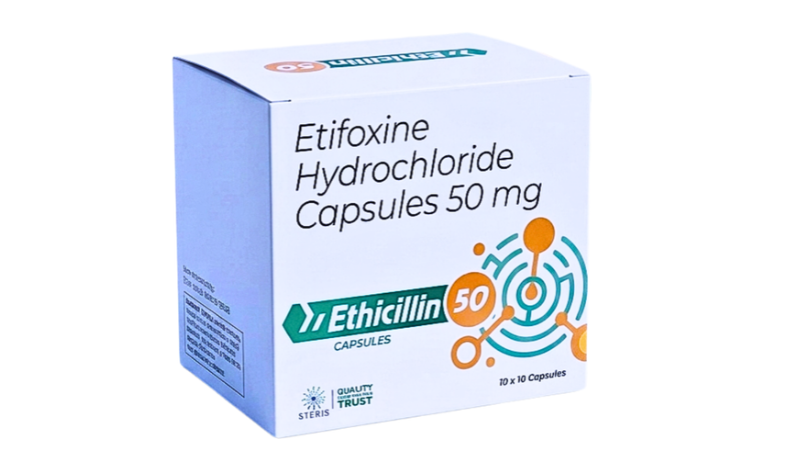


Etifoxine Hydrochloride Capsules 50 mg: Uses, Benefits, Side Effects & Precautions
Nov 19, 2026
Product Overview
Etifoxine Hydrochloride Capsules 50 mg are prescription medicines belonging to the anxiolytic (anti-anxiety) category. They are indicated for the management of psychosomatic manifestations of anxiety, where emotional stress and anxiety may be associated with physical symptoms.
Anxiety can affect both mental and physical well-being. Individuals experiencing anxiety may report excessive worrying, nervousness, restlessness, sleep disturbances, muscle tension, palpitations and other stress-related physical complaints.
Etifoxine Hydrochloride is a pharmacologically active compound that acts through mechanisms involving GABAergic neurotransmission and neurosteroid pathways. These mechanisms are associated with the regulation of neuronal activity and anxiety-related responses.
The 50 mg capsule formulation provides a defined strength for prescription-based treatment. Its suitability, dosage and treatment duration should be determined by a qualified medical practitioner after assessing the patient's symptoms, medical history and other medications.
Composition of Etifoxine Hydrochloride Capsules 50 mg
Each capsule contains:
- Active ingredient: Etifoxine Hydrochloride IP – 50 mg.
- Excipients: Quantity sufficient.
- Dosage form: Hard gelatin capsule.
Etifoxine belongs to the benzoxazine class of compounds and is classified as an anxiolytic medicine.
Uses of Etifoxine Hydrochloride Capsules 50 mg
Etifoxine Hydrochloride 50 mg is primarily indicated for psychosomatic manifestations of anxiety, according to the relevant Indian regulatory approval.
Its therapeutic application may include the following anxiety-related symptoms, depending on clinical assessment.
1. Management of Anxiety Symptoms
Etifoxine is prescribed to help manage anxiety-related emotional and physical manifestations. Anxiety may involve excessive worry, nervousness, restlessness and difficulty maintaining emotional balance.
2. Relief from Psychosomatic Manifestations
Psychosomatic manifestations refer to physical symptoms associated with psychological factors such as anxiety and emotional stress.
Examples may include:
- Muscle tension.
- Physical restlessness.
- Stress-related discomfort.
- Palpitations associated with anxiety.
- Other bodily manifestations associated with emotional distress.
These symptoms require appropriate medical evaluation because they can also have non-psychological causes.
3. Support in Anxiety-Related Nervousness
Anxiety can affect everyday activities, concentration and emotional well-being. Etifoxine may be prescribed as part of an individualised treatment plan for patients with clinically assessed anxiety symptoms.
4. Management of Stress-Associated Physical Symptoms
In selected patients, anxiety can present through physical complaints rather than only emotional symptoms. Etifoxine is indicated for psychosomatic manifestations of anxiety, as specified in its approved product information.
Important: Etifoxine is not a general-purpose stress supplement or a treatment for every psychiatric condition. It should only be used for its approved indication under medical supervision.
Key Benefits of Etifoxine Hydrochloride Capsules 50 mg
When prescribed appropriately, Etifoxine offers several potential therapeutic advantages.
1. Anxiolytic Action
Etifoxine has anxiolytic properties and is used for the management of anxiety-related symptoms.
2. Acts Through GABA-Related Mechanisms
Etifoxine influences GABAergic neurotransmission through mechanisms different from conventional benzodiazepine receptor binding. GABA is an important inhibitory neurotransmitter involved in regulating neuronal activity.
3. Addresses Physical and Emotional Manifestations of Anxiety
The approved indication includes psychosomatic manifestations of anxiety, making the medicine relevant to patients experiencing both emotional and associated physical symptoms.
4. Defined 50 mg Capsule Strength
The capsule provides a standardised active ingredient strength, allowing healthcare professionals to prescribe treatment according to the patient's clinical requirements.
5. Prescription-Based Treatment
Medical supervision allows healthcare professionals to evaluate treatment suitability, monitor adverse reactions and reassess the patient's response.
The clinical benefits should not be overstated. Treatment response differs between individuals, and evidence does not establish Etifoxine as universally superior to other anxiety treatments.
How Does Etifoxine Hydrochloride Work?
Etifoxine is believed to influence the central nervous system through GABAergic pathways and the modulation of neurosteroid synthesis.
GABA (gamma-aminobutyric acid) is an important inhibitory neurotransmitter that helps regulate neuronal excitability.
Etifoxine's pharmacological action involves:
- Modulation of GABA-related neurotransmission.
- Interaction with mechanisms associated with neurosteroid synthesis.
- Regulation of neuronal activity through its anxiolytic pharmacological effects.
Unlike conventional benzodiazepines, Etifoxine does not act by directly binding to the classical benzodiazepine receptor site.
Its precise clinical effects and long-term benefit-risk profile should be interpreted in accordance with approved prescribing information and available clinical evidence.
Possible Side Effects of Etifoxine Hydrochloride 50 mg Capsules
Like other prescription medicines, Etifoxine can cause adverse reactions. Some are relatively mild, while others are rare but potentially serious.
Common or Reported Side Effects
Possible side effects include:
- Drowsiness.
- Mild dizziness.
- Fatigue.
- Skin rash or itching.
- Gastrointestinal discomfort.
The frequency and severity of adverse reactions may vary between individuals.
Serious Side Effects
Although uncommon, important adverse reactions associated with Etifoxine include:
1. Severe Skin Reactions
Rare but serious skin reactions have been reported, including:
- DRESS syndrome (Drug Reaction with Eosinophilia and Systemic Symptoms).
- Stevens-Johnson syndrome.
- Generalised exfoliative dermatitis.
2. Liver Injury
Etifoxine has been associated with rare cases of serious liver injury, including hepatitis.
Warning signs may include:
- Yellowing of the skin or eyes.
- Dark-coloured urine.
- Unusual tiredness.
- Persistent nausea or vomiting.
- Abdominal pain.
3. Severe Diarrhoea
Persistent or watery diarrhoea requires medical assessment because rare cases of lymphocytic colitis have been reported.
Stop the medicine and seek urgent medical attention if severe skin reactions, symptoms of liver injury or persistent watery diarrhoea occur.
Precautions and Safety Information
Before taking Etifoxine Hydrochloride Capsules 50 mg, patients should discuss their medical history and current medicines with their healthcare professional.
Important precautions include:
- Liver disease: Patients with severe liver impairment should not use Etifoxine. Individuals at increased risk of liver problems may require liver function testing before treatment and approximately one month after starting.
- Kidney disease: Patients with severe renal impairment should not use the medicine.
- Previous allergic reactions: Patients who previously experienced severe skin reactions following Etifoxine treatment must not take it again.
- Previous liver injury: Individuals who developed severe hepatitis or serious liver damage following Etifoxine use must avoid the medicine.
- Myasthenia gravis: Etifoxine is contraindicated in patients with myasthenia.
- Pregnancy and breastfeeding: Consult a doctor before use. The medicine should not be used during pregnancy or breastfeeding unless its approved prescribing information and specialist assessment support its use.
- Other medicines: Inform the doctor about sedatives, sleeping medicines, alcohol use and other medicines that can affect the central nervous system.
- Drowsiness: Avoid driving or operating machinery if the medicine causes sleepiness or dizziness.
The European Medicines Agency has specifically highlighted restrictions related to severe skin reactions and liver injury. These warnings should be considered when preparing patient information and prescribing guidance.
Dosage and Administration
Etifoxine Hydrochloride 50 mg capsules should be taken only according to the prescription provided by a qualified healthcare professional.
The dosage and treatment duration depend on:
- The severity of anxiety symptoms.
- The patient's age and medical history.
- Liver and kidney function.
- Other medicines being taken.
- Individual response to treatment.
Swallow the capsule with water as directed by the prescribing doctor.
Do not increase the dose, discontinue treatment or extend the treatment period without medical advice. Do not share this prescription medicine with another person.
What Should Pharmaceutical Buyers Check Before Purchasing Etifoxine Hydrochloride Capsules 50 mg?
For pharmaceutical distributors, wholesalers, hospitals and procurement professionals, product selection should focus on quality, regulatory compliance and manufacturing reliability.
Consider these important purchasing factors:
1. Active Pharmaceutical Ingredient Quality
Verify the identity, purity and quality specifications of Etifoxine Hydrochloride used in the formulation.
2. Manufacturing Standards
Check the manufacturer's applicable manufacturing licence, GMP compliance and quality management systems.
3. Product Documentation
Request relevant documentation, including:
- Certificate of Analysis (COA).
- Product specifications.
- Stability data.
- Batch manufacturing details.
- Approved product information.
- Applicable regulatory permissions.
4. Packaging and Shelf Life
Verify the packaging configuration, batch number, manufacturing date, expiry date and storage instructions.
5. Regulatory Compliance
Confirm that the manufacturer and product have the appropriate permissions for the intended Indian market and comply with applicable drug regulations.
6. Supplier Reliability
Evaluate manufacturing capacity, quality consistency, commercial supply arrangements and distribution credentials.
For bulk procurement, buyers should request verified quotations, available pack sizes, minimum order quantities and delivery terms directly from authorised manufacturers or distributors.
Why Choose a Quality-Assured Etifoxine Hydrochloride 50 mg Capsule Formulation?
Etifoxine Hydrochloride 50 mg is a specialised prescription formulation intended for the management of psychosomatic manifestations of anxiety.
Important product quality considerations include:
- Clearly declared active ingredient strength.
- Consistent capsule manufacturing.
- Verified raw material specifications.
- Appropriate quality control testing.
- Regulatory documentation.
- GMP-compliant manufacturing processes.
- Reliable batch traceability and packaging.
For healthcare providers, product quality and approved prescribing information are essential for responsible use. For pharmaceutical buyers, verified documentation and regulatory credentials should remain the primary purchasing considerations.
Conclusion
Etifoxine Hydrochloride Capsules 50 mg are prescription anxiolytic medicines indicated for psychosomatic manifestations of anxiety. They work through pharmacological mechanisms involving GABAergic neurotransmission and neurosteroid pathways, helping address anxiety-related emotional and physical symptoms in appropriately selected patients.
The key therapeutic considerations include its anxiolytic action, distinct mechanism compared with conventional benzodiazepines and defined 50 mg capsule strength. However, treatment suitability must always be assessed by a qualified healthcare professional.
Possible side effects include drowsiness, dizziness, fatigue, skin reactions and gastrointestinal disturbances. Rare but serious risks include severe skin reactions and liver injury, which require immediate medical attention. Patients with severe liver or kidney impairment, myasthenia or a history of serious Etifoxine-related skin or liver reactions must observe the relevant contraindications.
For pharmaceutical manufacturers, wholesalers and distributors, quality-assured production, approved manufacturing permissions, GMP compliance, product documentation and post-marketing safety monitoring are essential considerations.
Choosing a properly authorised and quality-tested Etifoxine Hydrochloride 50 mg capsule formulation supports responsible pharmaceutical procurement and appropriate patient care.
Frequently Asked Questions
1. What are Etifoxine Hydrochloride Capsules 50 mg used for?
Etifoxine Hydrochloride 50 mg capsules are prescription anxiolytic medicines indicated for psychosomatic manifestations of anxiety. They are used to manage certain emotional and physical symptoms associated with anxiety under medical supervision.
2. What are the main benefits of Etifoxine Hydrochloride 50 mg?
The main therapeutic benefit is its anxiolytic action. It acts through GABA-related neurotransmission and neurosteroid pathways and is prescribed for selected anxiety-related emotional and physical manifestations.
3. Is Etifoxine 50 mg used for anxiety?
Yes. Etifoxine Hydrochloride 50 mg is indicated for psychosomatic manifestations of anxiety in India. A doctor should determine whether it is appropriate for an individual patient.
4. What are the common side effects of Etifoxine Hydrochloride capsules?
Possible side effects include drowsiness, dizziness, fatigue, itching, skin rash and gastrointestinal discomfort. Rare but serious reactions include severe skin disorders and liver injury.
5. Does Etifoxine cause drowsiness?
Yes, drowsiness may occur in some patients. Individuals should avoid driving or operating machinery if they experience sleepiness, dizziness or reduced alertness.
6. Is Etifoxine a benzodiazepine?
No. Etifoxine belongs to the benzoxazine class of compounds. Although it has anxiolytic properties and influences GABA-related pathways, its mechanism differs from conventional benzodiazepines.
7. Can Etifoxine Hydrochloride 50 mg cause liver problems?
Rare cases of serious liver injury, including hepatitis, have been reported. Warning signs include jaundice, dark urine, abdominal pain, unusual tiredness and persistent nausea. Patients experiencing these symptoms should stop treatment and seek urgent medical attention.
8. Who should avoid Etifoxine Hydrochloride 50 mg capsules?
Patients with severe liver impairment, severe renal impairment, myasthenia, shock states or a history of serious Etifoxine-related skin or liver reactions should not use the medicine. Individual contraindications should be checked against the approved prescribing information.
9. Can Etifoxine Hydrochloride be taken daily?
The medicine may be prescribed according to a defined treatment schedule. Daily use, dose and duration must be determined by the treating doctor. Patients should not self-medicate or extend treatment independently.
10. Is Etifoxine Hydrochloride 50 mg approved in India?
CDSCO records list Etifoxine Hydrochloride 50 mg capsules among approvals dated 21 March 2024 for psychosomatic manifestations of anxiety. Individual product marketing and manufacturing permissions should be independently verified.
11. What precautions should be followed while taking Etifoxine 50 mg?
Patients should follow the prescribed dosage, disclose their medical history, avoid alcohol and other sedating substances unless cleared by their doctor, and seek medical advice if serious skin, liver or gastrointestinal symptoms develop.
12. What should pharmaceutical buyers check before purchasing Etifoxine Hydrochloride 50 mg capsules?
Buyers should verify the manufacturing licence, applicable marketing authorisation, GMP compliance, active ingredient specifications, COA, stability data, packaging, shelf life and batch traceability.
13. Does Etifoxine have a risk of dependence or abuse?
Dependence and abuse are important safety-monitoring considerations. India's CDSCO expert committee specifically recommended post-marketing surveillance evaluating these risks in Indian patients. Patients should use the medicine only as prescribed and should not increase the dose independently.
14. Can Etifoxine Hydrochloride 50 mg be taken with other medicines?
Potential interactions should be reviewed by a healthcare professional, particularly with sedatives and other central nervous system depressants. Provide your doctor with a complete list of medicines and supplements before starting treatment.
Recent Post
Glutathione with Astaxanthin Tablets: Benefits, Side Effects and Skin Health
Flavoxate 200 mg + Nitrofurantoin 100 mg Tablets: Uses, Benefits and Side Effects
Atomoxetine 10mg के उपयोग, फायदे और नुकसान: पूरी जानकारी।
Apixaban 2.5mg: खून के थक्के बनने से रोकने में कैसे मदद करती है?
Apixaban 2.5mg Uses, Benefits and Side Effects
Amisulpride Tablets क्या हैं? मानसिक स्वास्थ्य के उपचार में इनके उपयोग जानें।
Alfuzosin SR 10 mg: बढ़े हुए प्रोस्टेट (BPH) के इलाज में कैसे मदद करती है?
Acamprosate 666 mg के उपयोग, फायदे और नुकसान: पूरी जानकारी
Buy Bisoprolol 5mg + Cilnidipine 10mg Tablets Online – Price & Availability
Buy Nifedipine Sustained Release Tablets IP 20mg – Price, Uses & Benefits in India | NIFEDULES RT 20

