






Can Semaglutide Injection Be Used Without Diabetes?
Sep 22, 2026
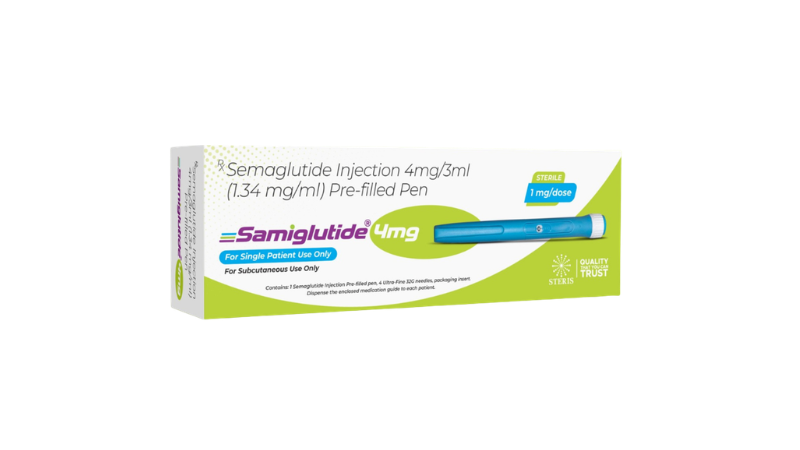
If you've been researching semaglutide injection for managing blood sugar or supporting weight loss, you're likely trying to understand whether this treatment is right for you. This detailed guide covers Semaglutide Injection by Steris Healthcare Pvt. Ltd., supplied as a 3ml (1.34mg/ml) pre-filled pen, designed for once-weekly subcutaneous administration. We'll walk through its uses, mechanism of action, dosage, benefits, side effects, precautions, and answer the most commonly searched questions — including whether it can be used without diabetes.
Semaglutide Injection belongs to a class of medicines called GLP-1 receptor agonists, primarily used in the management of Type 2 Diabetes Mellitus and, in appropriate clinical settings, for chronic weight management in adults with obesity or excess weight accompanied by weight-related health conditions. The pre-filled pen format makes self-administration simpler and more consistent, an important factor for a medicine that requires long-term, regular use.
Why It's Important
Type 2 diabetes and obesity are two of the most significant, interconnected public health concerns in India today, with rising prevalence across both urban and semi-urban populations. Poor long-term blood sugar control contributes to serious complications — kidney disease, vision loss, nerve damage, and increased cardiovascular risk — while excess body weight independently worsens insulin resistance and cardiovascular strain.
Semaglutide Injection matters because it addresses both blood sugar regulation and weight management through a single mechanism, offering a treatment approach that goes beyond older diabetes medicines that primarily focus on glucose control alone. For many patients who haven't achieved adequate control with oral medications, or who struggle with weight as a complicating factor in their diabetes management, this injectable therapy represents a meaningful treatment option that can be integrated into a broader care plan involving diet, physical activity, and regular medical monitoring.
Its once-weekly dosing schedule is also clinically significant — for patients managing multiple daily medications, a once-a-week injection can meaningfully improve treatment adherence compared to daily dosing regimens.
Key Benefits
What Are the Benefits?
- Improved blood glucose control: Semaglutide Injection helps lower HbA1c levels and supports more stable blood sugar throughout the day and week.
- Clinically meaningful weight reduction: Its appetite-suppressing and gastric-emptying effects contribute to significant weight loss in many patients, particularly when combined with dietary changes.
- Cardiovascular risk consideration: Some patients with type 2 diabetes and established cardiovascular disease may see cardiovascular risk-related benefits, based on clinical evidence reviewed by their treating physician.
- Once-weekly convenience: A single injection per week significantly reduces the treatment burden compared to daily injectable or multiple-dose oral regimens.
- Low risk of hypoglycemia when used alone: Because insulin release is glucose-dependent, the risk of low blood sugar is lower compared to some other diabetes medicine classes, particularly when not combined with insulin or sulfonylureas.
- Supports comprehensive metabolic management: Addresses both glycemic control and weight — two closely linked factors — through a single treatment approach.
Side Effects
Most patients tolerate Semaglutide Injection reasonably well, especially as the body adjusts during the initial weeks, but side effects can occur:
- Nausea (most commonly reported, especially when starting treatment or increasing dose)
- Vomiting
- Diarrhea or constipation
- Abdominal pain or bloating
- Decreased appetite
- Fatigue
- Headache
- Injection site reactions (mild redness, itching, or swelling)
These effects are often most noticeable during dose escalation and tend to lessen over time as your body adjusts.
Available Substitute For Semaglutide Injection
Depending on your doctor's clinical assessment, alternative or complementary treatment options within the GLP-1 receptor agonist class or related categories may include:
- Liraglutide injection
- Dulaglutide injection
- Tirzepatide injection (dual GIP/GLP-1 agonist)
- Oral Semaglutide tablets (a non-injectable alternative, where clinically appropriate)
Never switch, substitute, or combine any of these medicines on your own. Any change in your treatment plan — including switching between GLP-1 agonists or adjusting from injection to oral form — must be guided and supervised by your prescribing doctor, since dosing, titration schedules, and monitoring requirements differ between these options.
Mechanism of Action
Understanding how Semaglutide works helps explain both its benefits and its side-effect profile.
Semaglutide is a synthetic analogue of human GLP-1 (glucagon-like peptide-1), a naturally occurring incretin hormone released by the intestine in response to food intake. Semaglutide mimics this hormone's actions but with a much longer duration in the body, allowing for once-weekly dosing. Its actions include:
- Enhancing glucose-dependent insulin secretion: Semaglutide stimulates the pancreas to release insulin specifically when blood glucose levels are elevated, reducing the risk of dangerously low blood sugar compared to some other diabetes medicines.
- Suppressing glucagon release: By reducing glucagon (a hormone that raises blood sugar) secretion from the pancreas, Semaglutide helps prevent the liver from releasing excess glucose into the bloodstream.
- Slowing gastric emptying: Semaglutide slows the rate at which the stomach empties food into the intestine, which contributes to a feeling of fullness and reduced appetite.
- Acting on appetite centers in the brain: Semaglutide interacts with GLP-1 receptors in areas of the brain involved in hunger and satiety regulation, helping to reduce overall calorie intake.
Together, these combined actions on the pancreas, liver, stomach, and brain explain why Semaglutide Injection can improve both glycemic control and support meaningful weight reduction in appropriate patients.
Dosage Guidelines for Semaglutide Injection
Dosage must always be individualized by your doctor based on your specific condition, treatment goals, and response. General principles include:
- Treatment typically begins at a low starter dose, which is gradually increased over several weeks to reach the target maintenance dose, minimizing gastrointestinal side effects.
- Administered as a subcutaneous (under-the-skin) injection, typically in the abdomen, thigh, or upper arm, once weekly, on the same day each week.
- Can be taken with or without meals, and the time of day can be adjusted as needed, as long as weekly spacing is maintained.
- If a dose is missed, it should generally be administered as soon as possible within a specific window (as advised by your doctor) — but if too much time has passed, the missed dose is skipped and the regular weekly schedule resumed. Never double up doses.
- The pre-filled pen should be inspected before use — the solution should be clear and colorless; do not use if discoloration or particles are visible.
- Proper injection site rotation helps reduce the risk of skin reactions with repeated weekly use.
Your doctor will schedule regular follow-ups to monitor your blood sugar levels, weight trends, and any side effects, adjusting your dose as clinically necessary.
Precautions & Warnings
Do not use Semaglutide Injection if you:
- Have a personal or family history of Medullary Thyroid Carcinoma (MTC) or Multiple Endocrine Neoplasia syndrome type 2 (MEN 2)
- Have a known hypersensitivity to Semaglutide or any component of the formulation
- Have Type 1 diabetes or diabetic ketoacidosis (Semaglutide is not indicated for these conditions)
Can Semaglutide Injection Be Used Without Diabetes?
It depends on the clinical indication and your doctor's assessment. Semaglutide is approved in certain formulations and doses specifically for chronic weight management in adults with obesity or overweight status accompanied by weight-related conditions, even without a diabetes diagnosis. However, this use requires a proper medical evaluation, appropriate dosing (which may differ from diabetes-focused regimens), and ongoing supervision. Self-prescribing or using this medicine without medical guidance — for diabetes or weight management — is not safe and should never be attempted based on general information alone.
Frequently Asked Questions
1. What is Semaglutide Injection used for?
Semaglutide Injection is primarily used to manage blood sugar levels in Type 2 diabetes and, in certain approved uses, for chronic weight management in adults with obesity or weight-related health conditions.
2. How does Semaglutide Injection work?
It mimics the natural GLP-1 hormone, enhancing glucose-dependent insulin release, suppressing glucagon, slowing gastric emptying, and reducing appetite via brain receptor activity.
3. Can Semaglutide Injection be used without diabetes?
Yes, in specific clinical situations it may be prescribed for weight management even without a diabetes diagnosis, but only under a doctor's evaluation and supervision.
4. What is the usual dosage schedule for Semaglutide Injection?
It's typically started at a low dose and gradually increased over several weeks, administered once weekly via subcutaneous injection, as directed by your doctor.
5. What are the common side effects of Semaglutide Injection?
Nausea, vomiting, diarrhea, constipation, abdominal discomfort, and decreased appetite are among the most commonly reported side effects, especially during dose escalation.
6. Are there serious side effects to watch for with Semaglutide Injection?
Yes — signs of pancreatitis, gallbladder problems, severe allergic reactions, and unusual neck swelling or hoarseness should prompt immediate medical attention.
7. How is Semaglutide Injection administered?
It's given as a subcutaneous injection using a pre-filled pen, typically in the abdomen, thigh, or upper arm, once a week.
8. Is Semaglutide Injection available in India?
Yes, Semaglutide Injection is available in India as a prescription-only medicine through licensed pharmacies with a valid doctor's prescription.
9. What is the price of Semaglutide Injection in India?
Pricing varies by pack size, dosage strength, and pharmacy; consult a licensed pharmacy or your prescribing doctor for current, accurate pricing information.
10. Can Semaglutide Injection cause low blood sugar (hypoglycemia)?
The risk is generally low when used alone, since it stimulates insulin release only when blood sugar is elevated, but risk increases when combined with insulin or sulfonylureas.
11. How long does it take for Semaglutide Injection to show results?
Blood sugar improvements may be noticeable within weeks, while meaningful weight-related changes typically develop over several months of consistent use alongside lifestyle changes.
12. Can I stop Semaglutide Injection once my blood sugar or weight improves?
Do not stop without consulting your doctor, as discontinuation may lead to a return of prior blood sugar or weight patterns without an appropriate maintenance plan.
13. Is Semaglutide Injection safe for long-term use?
Many patients use it long-term under medical supervision; however, ongoing monitoring for side effects and periodic health assessments are an essential part of safe long-term therapy.
14. What should I do if I miss a weekly dose of Semaglutide Injection?
Follow your doctor's specific guidance on missed-dose timing; generally, if within a permitted window, take it as soon as possible, otherwise skip and resume your regular schedule.
15. Can Semaglutide Injection be combined with other diabetes medications?
Yes, it's often used alongside other diabetes treatments, but this must be carefully managed by your doctor to adjust doses and reduce the risk of low blood sugar.
Conclusion
Semaglutide Injection by Steris Healthcare Pvt. Ltd., available as a convenient 3ml (1.34mg/ml) pre-filled pen, represents a significant option in modern metabolic disease management — addressing both blood glucose control and weight through a single, well-studied mechanism of action. Its once-weekly dosing offers a practical advantage for long-term adherence, while its dual benefits make it a valuable tool for patients managing type 2 diabetes, obesity, or both together. That said, this is a prescription-only medicine requiring careful dose titration, regular monitoring, and honest communication with your doctor about side effects and overall response. If you believe this treatment may be right for you, the most important first step is a thorough consultation with a qualified physician or endocrinologist who can assess your complete health picture and guide you safely through treatment.
For Further Information:
Mail Us: contact@sterispharma.com or info@sterispharma.com
Call Now: +91 8824175417, +91 9982524671
Recent Post
What Are Nintedanib Soft Gelatin Capsules Used For? Complete Guide

Where to Buy Semaglutide Injection in India: Price, Pen & Prescription Guide
ERITOCOX BENZ 60/5 Dosage Guide: How to Take Etoricoxib & Cyclobenzaprine Tablets Safely
Gabapentin and Methylcobalamin Tablets Side Effects: What Patients Should Know
Thyroxine sodium tablets IP: उपयोग, फायदे और साइड इफेक्ट्स
Semaglutide 2 mg Injection Dosage Guide: How to Use It Safely
Buy Multivitamin + L-Carnitine + Taurine Protein Powder | Sterimmune
Semaglutide Injection Pen 8 mg: Step-by-Step Dosage & Precautions
BEST semaglutide injection price in india
How Semaglutide Injection 4 mg Helps Control Blood Sugar

