


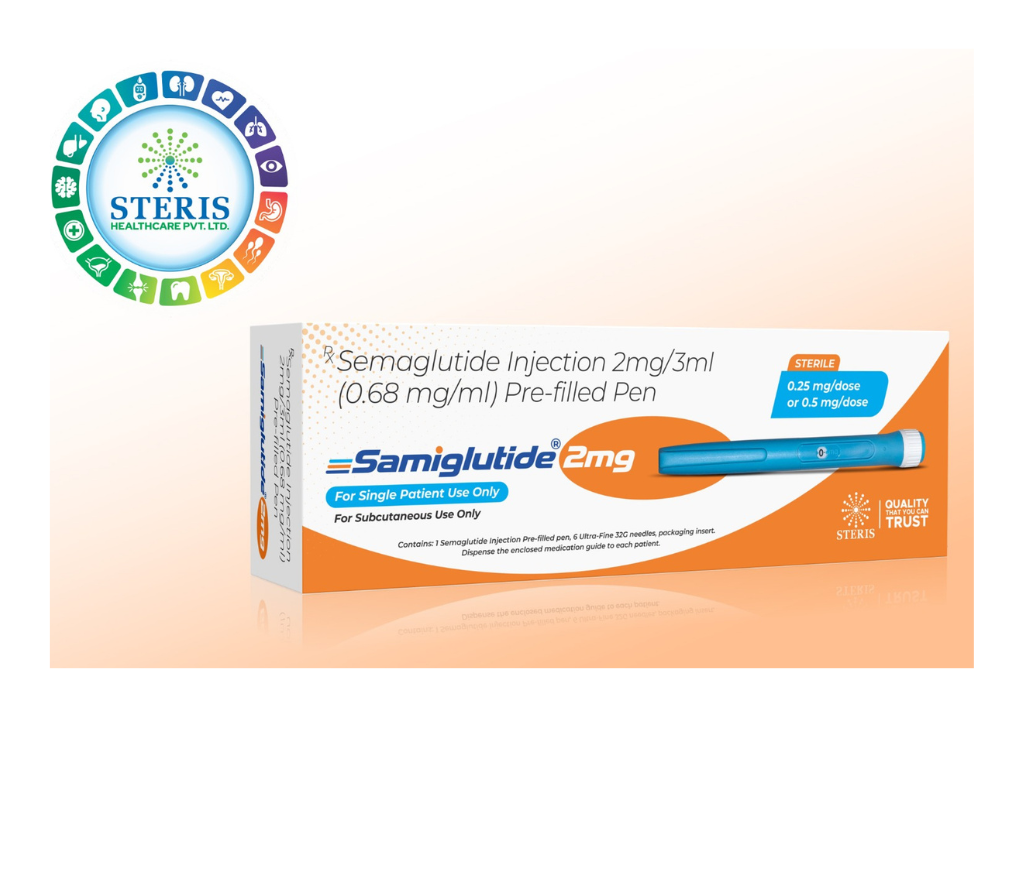
SAMIGLUTIDE 2MG
 Item requires a valid prescription
Manufactured By Steris Healthcare Pvt Ltd
Composition Semaglutide injection 2 mg/3ml (0.68mg/ml) pre- filled pen
Rs 3920.00
MRP Rs 5600.00
(30% OFF)
Includes all taxes
Package SIZE
( 3ML )

100% Authentic
Products

Free
Shipping*

Products
Return Policy
Description:
Semaglutide injection 2 mg is a once-weekly injection (like Ozempic) that lowers blood sugar in adults with type 2 diabetes.
What is Semaglutide Injection 2 mg?
Semaglutide injection is a synthetic peptide that mimics the human incretin hormone GLP-1. In a 2 mg / 3 mL liquid formulation, the medication has a concentration of 0.68 mg per milliliter.
-
Active Ingredient: Semaglutide
-
Concentration: 0.68 mg/mL (2 mg per 3 mL total volume)
-
Administration Route: Subcutaneous injection (abdomen, thigh, or upper arm)
-
Frequency: Once weekly, on the same day each week
How Semaglutide Works in the Body
Semaglutide binds to and activates GLP-1 receptors throughout the gastrointestinal tract and central nervous system:
-
Glucose-Dependent Insulin Secretion: It stimulates pancreatic beta cells to release insulin when blood glucose levels rise.
-
Glucagon Suppression: It reduces hepatic glucose output by suppressing inappropriate glucagon secretion.
-
Gastric Emptying Delay: It slows the rate at which food leaves the stomach, prolonging post-meal fullness.
-
Central Appetite Regulation: It targets neural circuits in the hypothalamus to reduce hunger signals and lower overall caloric intake.
2. Clinical Uses & Indications
Semaglutide injection is prescribed under FDA-approved brand guidelines for several primary indications:
-
Type 2 Diabetes Mellitus: As an adjunct to diet and exercise to lower HbA1c and maintain glycemic control in adults.
-
Cardiovascular Risk Reduction: To reduce the risk of major adverse cardiovascular events (MACE), including non-fatal myocardial infarction, stroke, and cardiovascular death in adults with type 2 diabetes or obesity with established heart disease.
-
Chronic Kidney Disease (CKD) Management: To reduce the risk of kidney function decline, end-stage renal disease, and cardiovascular death in adults with type 2 diabetes and CKD.
-
Chronic Weight Management: Used off-label or under specific brand indications alongside lifestyle modifications for long-term weight management in individuals with high BMI or weight-related comorbidities.
3. Key Benefits of Semaglutide 2 mg
Clinical trials demonstrate several therapeutic outcomes for patients on weekly semaglutide therapy:
| Clinical Outcome | Key Mechanism / Result |
| Glycemic Control | Significant reduction in HbA1c levels, helping maintain normal blood sugar levels. |
| Sustained Weight Loss | Promotes clinically meaningful weight reduction by lowering appetite and curbing cravings. |
| Cardiovascular Protection | Lowers overall MACE risks in patients with pre-existing cardiovascular vulnerabilities. |
| Renal Function Preservation | Decreases stress on kidney filtration systems in patients with chronic kidney disease. |
| Dosing Convenience | Subcutaneous once-weekly administration simplifies schedule adherence compared to daily medications. |
4. Side Effects & Safety Precautions
While semaglutide is generally well tolerated, side effects can occur—particularly during the initial titration phase.
Common Side Effects
-
Nausea and Vomiting: Frequently reported during the first few weeks or following a dose increase.
-
Diarrhea or Constipation: Changes in bowel movements due to altered gastric motility.
-
Abdominal Discomfort: Mild to moderate bloating, gas, or stomach cramps.
-
Decreased Appetite: A normal pharmacological effect that can occasionally lead to insufficient nutrient intake if unmanaged.
Serious Risks and Contraindications
-
Risk of Thyroid C-Cell Tumors: Contraindicated in patients with a personal or family history of Medullary Thyroid Carcinoma (MTC) or Multiple Endocrine Neoplasia syndrome type 2 (MEN 2).
-
Pancreatitis: Patients experiencing persistent, severe abdominal pain radiating to the back should discontinue use and seek immediate medical evaluation.
-
Acute Kidney Injury: Dehydration caused by severe gastrointestinal side effects (vomiting, diarrhea) can impair renal function.
-
Hypoglycemia: Increased risk when co-administered with insulin secretagogues (e.g., sulfonylureas) or exogenous insulin.
-
Gallbladder Disease: Rapid weight loss or altered biliary motility may increase the incidence of cholelithiasis or cholecystitis.
5. Dosing & Administration Guide
To minimize gastrointestinal discomfort, therapy begins with a low initiation dose and scales slowly.
Week 1–4:   0.25 mg once weekly (Initiation phase, not for therapeutic control)
Week 5–8:   0.50 mg once weekly (First therapeutic dose tier)
Week 9–12:  1.00 mg once weekly (Intermediate dose, if further control is needed)
Week 13+:   2.00 mg once weekly (Maximum maintenance dose tier for injection pens)
Frequently Asked Questions
1. How long will 2ml of semaglutide last?
How long 2 mL lasts depends directly on your prescribed weekly dose. At an initiation dose of 0.25 mg weekly (using a standard 0.68 mg/mL concentration), 2 mL contains approximately 1.36 mg total, lasting around 5 to 6 weeks. If you are on a maintenance dose of 0.5 mg weekly, 2 mL lasts approximately 2.5 to 3 weeks.
2. What is semaglutide injection used for?
Semaglutide injection is primarily used to improve glycemic control in adults with type 2 diabetes mellitus, lower the risk of major cardiovascular events (like heart attack or stroke), slow the progression of chronic kidney disease, and support long-term weight management when combined with diet and exercise.
3. How much is 2 ml of semaglutide?
The out-of-pocket cost for 2 mL of semaglutide varies depending on brand name, pharmacy discounts, insurance coverage, and whether it is acquired via retail pharmacy or compound sourcing. On average, standard brand-name pens cost between $800 and $1,200 without insurance, while insurance copays or manufacturer savings cards can significantly reduce this price.
4. How much weight can I lose with semaglutide in 2 months?
On average, clinical trial data shows patients lose roughly 3% to 5% of their total body weight within the first 2 months of treatment. For a 200-lb individual, this translates to about 6 to 10 pounds, depending on individual metabolism, adherence to dietary changes, and baseline dose escalation.
5. Will I lose weight the first week on semaglutide?
Some patients notice modest weight loss (1 to 3 pounds) in the first week, primarily due to reduced water retention and lower overall intake as gastric emptying slows. However, the initial 0.25 mg dose is intended to acclimate your body to the medication rather than drive maximum weight loss.
6. What foods should you avoid while taking semaglutide?
To prevent nausea, bloating, and acid reflux, avoid high-fat meals, fried foods, sugary drinks, heavily processed snacks, and excessive alcohol. Focus instead on lean proteins, fiber-rich vegetables, and complex carbohydrates in smaller, more frequent portions.
7. What are the dangers of taking semaglutide?
Serious risks include acute pancreatitis, gallbladder disease (gallstones), kidney injury secondary to severe dehydration, low blood sugar (when combined with insulin), and a potential risk of thyroid C-cell tumors. Always discuss personal medical history with a licensed health care provider prior to initiating treatment.
8. Can I eat bananas while on semaglutide?
Yes, you can eat bananas while taking semaglutide. Bananas provide valuable potassium and dietary fiber. However, because semaglutide slows digestion, eat them in moderation alongside protein sources to maintain stable blood sugar levels.
9. What happens when you stop semaglutide?
When you discontinue semaglutide, the medication gradually leaves your body over several weeks. Appetite, hunger hormones, and gastric emptying rates return to baseline, which often leads to an increase in appetite and a rebound in blood sugar levels or body weight if behavioral habits are not maintained.
10. What is the best time to take semaglutide?
Semaglutide injection can be administered at any time of day, with or without food. The best time is whichever time allows you to remain consistent on your chosen weekly day.
11. What are the long-term effects of semaglutide?
Long-term studies indicate sustained glycemic control, reduced cardiovascular risk, ongoing renal protection, and persistent weight maintenance. Regular check-ups are recommended to monitor kidney function, thyroid health, and overall nutritional status over extended use.
12. How fast does semaglutide work to lower blood sugar?
Semaglutide starts working in the body shortly after the first injection. Noticeable improvements in fasting blood glucose typically occur within 1 to 2 weeks, with maximum HbA1c reductions achieved as the dosage escalates to maintenance levels.
13. Can I keep weight off after stopping semaglutide?
Keeping weight off after stopping semaglutide requires maintaining a caloric deficit through consistent physical activity, strength training, and structured dietary habits. Because appetite signals return after stopping the drug, ongoing lifestyle changes are vital to prevent weight regain.
14. What should I do if I miss a dose of semaglutide?
If you miss a dose, take it as soon as possible within 5 days of the missed dose. If more than 5 days have passed, skip the missed dose and administer your next dose on your regularly scheduled day.
15. Can semaglutide be injected into the stomach area?
Yes, the abdomen is one of the recommended subcutaneous injection sites, alongside the front of the thighs or the upper arm. Rotate your injection site each week to prevent localized skin irritation.
Conclusion
Semaglutide injection 2 mg (0.68 mg/mL) provides a proven, once-weekly therapeutic option for managing type 2 diabetes, supporting cardiovascular health, preserving kidney function, and aiding weight management. While it delivers significant clinical benefits, safe treatment relies on proper dosage escalation, dietary modifications, and routine oversight from a qualified healthcare professional.