


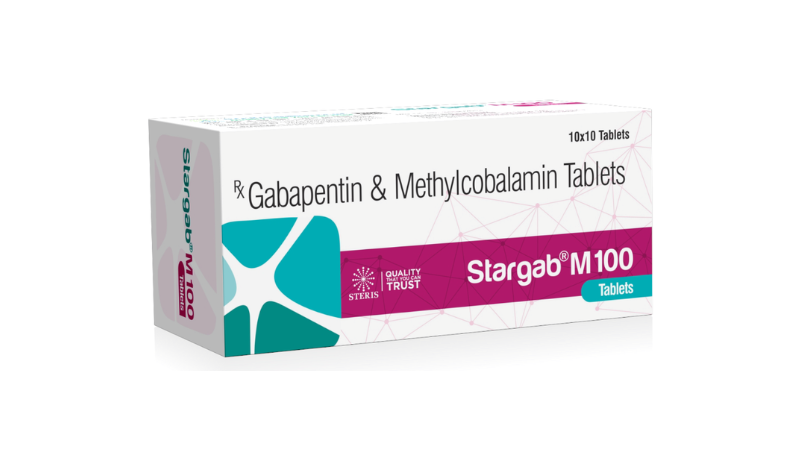



Gabapentin and Methylcobalamin Tablets Side Effects: What Patients Should Know
Sep 19, 2026
Gabapentin and Methylcobalamin Tablets is a combination medicine designed specifically to address nerve-related pain and associated nerve health concerns. Marketed by Steris Healthcare under the brand name STARGAB M 100, this tablet combines gabapentin, a medicine originally developed as an anticonvulsant but now widely used for managing neuropathic pain, with methylcobalamin, a bioactive and readily usable form of vitamin B12 that plays a central role in nerve tissue health and repair.
This combination is primarily prescribed for neuropathic pain — a distinct type of pain that arises from nerve damage or dysfunction rather than ordinary tissue injury. Common conditions where this combination is used include diabetic peripheral neuropathy (nerve pain caused by long-term diabetes), postherpetic neuralgia (nerve pain following shingles/herpes zoster infection), and other forms of chronic nerve pain where both pain modulation and nerve-supportive nutrition are needed together.
Why It's Important
Nerve pain behaves very differently from the pain caused by an injury or inflammation, and it often doesn't respond well to standard painkillers. This is exactly why a targeted combination like gabapentin and methylcobalamin plays such an important role in modern pain management:
- Neuropathic pain — often described as burning, tingling, shooting, or electric-shock-like — arises from damaged or malfunctioning nerves, and ordinary analgesics frequently fail to provide adequate relief
- Conditions like diabetic neuropathy and postherpetic neuralgia are common and can significantly affect sleep, mobility, and quality of life if left inadequately managed
- Vitamin B12, in its active methylcobalamin form, is essential for maintaining the protective myelin sheath around nerves and supporting nerve repair processes, making it a meaningful complement to pain-modulating therapy rather than just an add-on
- Addressing both the pain signal itself (through gabapentin) and the underlying nerve health (through methylcobalamin) reflects a more complete approach to managing chronic nerve-related discomfort
For patients living with persistent nerve pain, having access to a combination therapy that addresses both symptom relief and nerve-supportive nutrition can make a genuine, day-to-day difference in comfort and function.
Key Benefits
H3: What Are the Benefits of Gabapentin and Methylcobalamin Tablets?
- Targeted neuropathic pain relief – Gabapentin specifically addresses the abnormal nerve signaling that causes burning, tingling, or shooting nerve pain, unlike standard painkillers that primarily target inflammation.
- Nerve health and repair support – Methylcobalamin, as an active form of vitamin B12, supports the maintenance and repair of nerve tissue, particularly relevant in conditions involving nerve damage.
- Improved sleep and daily function – By reducing nerve pain intensity, this combination can help improve sleep quality and the ability to carry out daily activities without persistent discomfort.
- Complementary, dual-action approach – Combining a pain-modulating agent with a nerve-supportive vitamin addresses two different aspects of neuropathic pain management in a single tablet.
- Widely used, well-established combination – Gabapentin and methylcobalamin together are among the most commonly prescribed options for nerve pain in India, reflecting broad clinical familiarity and experience.
- Manufactured under WHO-GMP standards – Produced by Steris Healthcare, a WHO-GMP and ISO 9001:2018 certified pharmaceutical manufacturer, ensuring consistent quality and safety compliance.
Gabapentin and Methylcobalamin Tablets Uses
Gabapentin and methylcobalamin tablets uses primarily include:
- Management of diabetic peripheral neuropathy (nerve pain related to long-term diabetes)
- Treatment of postherpetic neuralgia (persistent nerve pain following a shingles/herpes zoster infection)
- Management of other neuropathic pain conditions, such as nerve pain following injury or surgery, as determined by the treating doctor
- Supporting nerve health in conditions where vitamin B12-related nerve dysfunction may be contributing to symptoms
Beyond these specific uses, gabapentin uses more broadly also include management of certain seizure disorders (its original approved indication), though within this combination product, its role is specifically focused on neuropathic pain management. Methylcobalamin uses, independent of pain conditions, extend to supporting general nerve health and addressing vitamin B12 deficiency-related nerve symptoms, which is part of why it's frequently paired with gabapentin in nerve pain formulations.
Mechanism of Action:
Gabapentin works by binding to a specific subunit (alpha-2-delta) of voltage-gated calcium channels in the central nervous system. By modulating these channels, gabapentin reduces the release of certain excitatory neurotransmitters involved in transmitting pain signals along damaged or overactive nerves. This helps calm the abnormal, amplified nerve signaling that characterizes neuropathic pain, without directly affecting normal pain pathways related to routine tissue injury — which is why gabapentin is specifically effective for nerve-type pain rather than general aches.
Methylcobalamin, the active coenzyme form of vitamin B12, plays an essential role in the synthesis of myelin, the protective sheath surrounding nerve fibers that allows efficient, well-insulated nerve signal transmission. It's also involved in DNA synthesis within nerve cells and supports the metabolic processes necessary for nerve repair and regeneration. In cases of nerve damage — whether from diabetes, viral infection, or other causes — adequate methylcobalamin availability supports the body's own nerve-healing processes alongside gabapentin's pain-modulating effect.
Together, gabapentin and methylcobalamin address neuropathic pain from two complementary angles: calming the abnormal nerve signal generating the pain, while supporting the underlying nerve tissue's ability to heal.
Side Effects
Common, generally manageable side effects can include:
- Drowsiness or sedation, particularly when starting treatment or after a dose increase
- Dizziness
- Fatigue
- Mild nausea or digestive upset
- Mild swelling in the hands or feet
- Dry mouth
Available Substitute
Other neuropathic pain treatment options include pregabalin-based combinations, duloxetine, or standalone gabapentin and methylcobalamin formulations at different strengths, depending on individual patient response and tolerability. Steris Healthcare also offers other formulations within its neurology and pain-management portfolio. Since the right choice depends on the specific type and severity of nerve pain, along with the patient's overall health profile, any substitution should be made only under a doctor's direct guidance rather than self-selected.
Dosage Guidelines
Gabapentin and methylcobalamin tablets dosage must always be individualized by the treating physician. General principles followed in clinical practice include:
- Starting dose: Gabapentin is typically started at a lower dose and gradually increased ("titrated") over several days to weeks to minimize side effects like drowsiness and dizziness.
- Titration schedule: Your doctor will determine the pace of dose increase based on your response and tolerability, often adjusting the frequency and total daily dose gradually.
- Administration: Taken orally, generally with food to reduce the likelihood of stomach upset, and swallowed whole with water.
- Frequency: Often prescribed to be taken two to three times daily, depending on the total daily dose and specific condition being treated.
- Missed dose: Take as soon as remembered, unless the next dose is due soon — skip it in that case rather than doubling up, and follow your doctor's specific instructions.
- Discontinuation: Never stop this medicine abruptly; your doctor will typically taper the dose gradually if discontinuation is needed, to avoid withdrawal-related symptoms.
This is general information only. Exact dosing must be determined and periodically reviewed by the prescribing doctor based on the specific condition, response, and any kidney function considerations, since gabapentin dosing is often adjusted based on kidney function.
Precautions & Warnings
- Not recommended for use without a confirmed diagnosis of neuropathic pain or a related nerve condition from a qualified doctor.
- Use with caution in elderly patients, given increased sensitivity to drowsiness and dizziness, which can raise fall risk.
- Dose adjustment is typically required in patients with kidney impairment, since gabapentin is primarily cleared through the kidneys.
- Avoid combining with alcohol or other sedating medicines unless specifically approved by your doctor, as this can increase drowsiness and impair coordination.
- Report any new or worsening mood changes, including symptoms of depression or thoughts of self-harm, to your doctor promptly.
- Avoid driving or operating machinery until you know how this medicine affects you, particularly during the initial dose titration period.
- Pregnant or breastfeeding women should use only under specific medical guidance, with risks and benefits carefully weighed by the doctor.
- Never stop this medicine suddenly; always follow your doctor's guidance on tapering the dose if discontinuation becomes necessary.
- Inform your doctor of all other medications you're taking, to check for potential interactions, particularly with other central nervous system-affecting drugs.
Frequently Asked Questions
1. What are gabapentin and methylcobalamin tablets used for?
They're used together to manage neuropathic pain conditions such as diabetic peripheral neuropathy and postherpetic neuralgia, combining pain relief with nerve health support.
2. What is STARGAB M 100?
STARGAB M 100 is the brand name under which Steris Healthcare markets its Gabapentin and Methylcobalamin Tablets.
3. What are gabapentin's uses beyond nerve pain?
Gabapentin is also used to manage certain types of seizures, though within this combination, its role is specifically for neuropathic pain management.
4. What is a gabapentin 100 mg tablet used for?
A gabapentin 100 mg tablet is commonly used as part of a gradually increasing dose schedule for managing neuropathic pain conditions.
5. What is methylcobalamin used for?
Methylcobalamin, an active form of vitamin B12, is used to support nerve health, repair, and function, particularly in conditions involving nerve damage or vitamin B12-related nerve symptoms.
6. How does the gabapentin and methylcobalamin combination work?
Gabapentin calms abnormal nerve signaling responsible for neuropathic pain, while methylcobalamin supports the health and repair of the underlying nerve tissue.
7. Is this combination effective for diabetic nerve pain?
Yes, it's commonly prescribed for diabetic peripheral neuropathy, a common complication of long-term diabetes affecting the nerves.
8. How long does it take for gabapentin and methylcobalamin tablets to work?
Pain relief often improves gradually over several weeks as the dose is titrated; consistent use as prescribed is important for full benefit.
9. What are the common side effects of this combination?
Drowsiness, dizziness, fatigue, and mild digestive upset are among the most commonly reported effects, particularly during initial dose adjustment.
10. Can I stop taking gabapentin suddenly if I feel better?
No, gabapentin should never be stopped abruptly; your doctor will guide a gradual dose reduction to avoid withdrawal-related symptoms.
11. Is this medicine safe for elderly patients?
It can be used in elderly patients with appropriate dose adjustment and caution, given increased sensitivity to drowsiness and fall risk.
12. Can gabapentin and methylcobalamin tablets be taken with other pain medicines?
This should only be done under a doctor's guidance, since combining with other central nervous system-affecting medicines can increase drowsiness.
13. Is a prescription required for STARGAB M 100 in India?
Yes, it is a prescription medicine and should only be used under the guidance of a registered medical practitioner.
14. Can this combination be used for sciatica or back-related nerve pain?
It may be considered by a doctor for certain nerve-related pain conditions beyond diabetic neuropathy, depending on the specific diagnosis and clinical assessment.
15. Does methylcobalamin have side effects on its own?
Methylcobalamin is generally well tolerated; mild side effects like nausea or headache are uncommonly reported when taken as directed.
16. Can this medicine cause weight gain?
Some patients may experience mild fluid retention or weight changes; this should be discussed with your doctor if it becomes bothersome.
17. Is gabapentin and methylcobalamin tablet use in Hindi-speaking regions common?
Yes, this combination is widely prescribed across India, including Hindi-speaking regions, for managing common neuropathic pain conditions like diabetic neuropathy.
Conclusion
Gabapentin and Methylcobalamin Tablets, available as STARGAB M 100 from Steris Healthcare, offers a targeted, dual-action approach to managing neuropathic pain conditions like diabetic neuropathy and postherpetic neuralgia. By combining gabapentin's pain-modulating action with methylcobalamin's nerve-supportive properties, this combination addresses both the abnormal nerve signaling responsible for pain and the underlying nerve tissue health that supports long-term recovery. As with any medicine affecting nerve function, correct dose titration, consistent use, and regular follow-up with a doctor are essential to using this treatment safely and getting the most benefit from it.
For Further Information:
Mail Us: contact@sterispharma.com or info@sterispharma.com
Call Now: +91 8824175417, +91 9982524671
Recent Post
ERITOCOX BENZ 60/5 Dosage Guide: How to Take Etoricoxib & Cyclobenzaprine Tablets Safely
Thyroxine sodium tablets IP: उपयोग, फायदे और साइड इफेक्ट्स
Semaglutide 2 mg Injection Dosage Guide: How to Use It Safely
Buy Multivitamin + L-Carnitine + Taurine Protein Powder | Sterimmune
Semaglutide Injection Pen 8 mg: Step-by-Step Dosage & Precautions
BEST semaglutide injection price in india
How Semaglutide Injection 4 mg Helps Control Blood Sugar
What Is Telmisartan and Metoprolol Succinate Combination Used For?
TELMISTRUM TRIO 6.25: Telmisartan, Cilnidipine & Chlorthalidone Uses & Side Effects
TELMISTRUM AZ 16: Telmisartan 40mg & Azelnidipine 16mg Uses, Dosage & Side Effects