


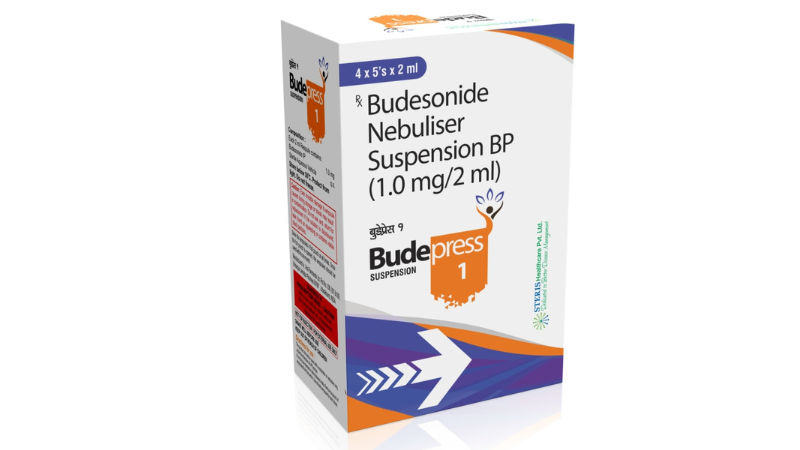



R.S. BUDEPRESS 1.0 : Powerful Relief for Respiratory Conditions..
Jul 10, 2024
R.S. BUDEPRESS 1.0, manufactured by Steris Healthcare, contains Budesonide Nebuliser Suspension BP at a strength of 1.0 mg/2 ml, an inhaled corticosteroid formulated as a ready-to-use suspension for administration via nebulizer. It is primarily indicated for the maintenance and prophylactic treatment of bronchial asthma in both adults and children, including patients who require regular anti-inflammatory therapy to control persistent symptoms. It is also used in the management of croup (acute laryngotracheobronchitis) in pediatric patients and can play a supportive role in COPD management as part of a broader treatment plan. Patients and caregivers searching for "budesonide nebuliser suspension BP uses" or "budesonide inhaler" alternatives for children who cannot use handheld devices effectively will find R.S. BUDEPRESS 1.0 formulated specifically to meet this need through its nebulizer-based delivery format, which requires minimal technique or coordination compared to metered-dose inhalers.
Why It's Important
Asthma is a chronic inflammatory airway disease that, if left inadequately controlled, leads to recurrent wheezing, breathlessness, nighttime symptoms, and a significant risk of acute exacerbations requiring emergency care or hospitalization. Unlike quick-relief bronchodilators that only address acute bronchospasm, the underlying problem in persistent asthma is ongoing airway inflammation—a process that continues silently even between symptomatic episodes if untreated. This is precisely why budesonide nebuliser suspension plays such a central role in long-term asthma management: it directly targets and suppresses this chronic inflammatory process rather than merely masking symptoms temporarily.
For young children, who often cannot coordinate the breath-actuation technique required for metered-dose inhalers or dry powder devices, nebulized budesonide offers a practical, effective alternative that ensures the medication is delivered consistently to the lower airways regardless of the child's ability to follow inhaler technique instructions. This is especially relevant for parents searching "budesonide nebuliser suspension BP uses in Hindi" or similar queries, reflecting the widespread use of this therapy across Indian households managing pediatric asthma and recurrent wheezing. Additionally, in cases of croup, where inflammation of the upper airway causes the characteristic barking cough and stridor, nebulized budesonide provides rapid anti-inflammatory relief that can meaningfully reduce the severity and duration of symptoms, often preventing the need for hospitalization.
Key Benefits
What are the benefits?
- Reduces chronic airway inflammation in persistent asthma
- Helps prevent asthma exacerbations with regular, consistent use
- Suitable for young children who cannot use handheld inhaler devices effectively
- Provides effective relief in pediatric croup (laryngotracheobronchitis)
- Supports overall improvement in lung function and symptom control over time
- Ready-to-use nebuliser suspension ensures accurate, consistent dosing
- Manufactured under WHO-GMP and ISO 9001:2018 certified facility standards by Steris Healthcare, ensuring assured potency and quality
INDICATIONS, EFFICACY, AND CLINICAL EVIDENCE
R.S. BUDEPRESS 1.0 is indicated for the maintenance treatment of bronchial asthma requiring regular inhaled corticosteroid therapy, for the management of croup in pediatric patients, and as adjunctive therapy in select COPD cases. Budesonide is one of the most extensively studied and widely used inhaled corticosteroids globally, with a well-documented clinical profile supporting its efficacy in reducing airway hyperresponsiveness, decreasing exacerbation frequency, and improving overall asthma control indices when used consistently.
Clinical use of budesonide nebuliser suspension BP has demonstrated measurable improvements in lung function parameters and symptom scores in both adult and pediatric asthma populations, with its nebulized delivery format offering particular clinical value in young children, patients with severe exacerbations who cannot effectively use handheld inhalers, and situations requiring higher deposited doses during acute flare-ups. In pediatric croup, nebulized budesonide has shown efficacy in rapidly reducing airway edema and inflammatory symptoms, supporting its established role in both emergency department and outpatient pediatric respiratory care protocols across India and globally.
Side Effects
Common side effects of R.S. BUDEPRESS 1.0 may include throat irritation, hoarseness of voice, dry cough, mild headache, or a bitter taste following nebulization. Local effects such as oral thrush can occur if the mouth is not rinsed with water after each session, and these are generally the most frequently reported concerns with regular inhaled corticosteroid use.
Available Substitute
Several branded budesonide nebulizer suspension formulations are available in the Indian pharmaceutical market at comparable strengths and resale presentations. Patients and caregivers should not switch between brands or nebulizer suspension formats without consulting their physician, as differences in suspension stability, particle size distribution, and delivery consistency can influence the amount of medication effectively reaching the lower airways, particularly important in pediatric dosing precision.
Dosage Guidelines
Dosage of R.S. BUDEPRESS 1.0 is individualized by the treating physician based on patient age, asthma severity, and clinical response, with the full 2 ml dose typically administered once or twice daily depending on the treatment phase. During acute exacerbations or croup episodes, dosing frequency may be temporarily adjusted before returning to a lower maintenance schedule as symptoms stabilize. The suspension should be used immediately after the reservoir is opened and should not be reused or stored once the seal is broken. Patients and caregivers should ensure the mouth is rinsed and gargled with water after each session to minimize the risk of oral thrush and hoarseness. Missed doses should be taken as soon as remembered, without doubling the next scheduled dose.
Precautions & Warnings
R.S. BUDEPRESS 1.0 should be used with caution in patients with active or latent pulmonary tuberculosis, respiratory tract infections, ocular herpes simplex, or systemic fungal infections, given the localized immunosuppressive effect of inhaled corticosteroids. It should not be relied upon as a rescue medication for acute, severe bronchospasm, which requires fast-acting bronchodilator therapy instead. Long-term use in pediatric patients should include periodic monitoring of growth parameters, and in adults, consideration of bone mineral density with prolonged high-dose therapy. Patients should be gradually tapered off therapy rather than stopping abruptly, as directed by their physician, to avoid rebound inflammation. Inform your doctor of all current medications, including other corticosteroids, to avoid cumulative systemic exposure.
Mechanism of Action
Budesonide is a potent, non-halogenated glucocorticoid with strong local anti-inflammatory activity in the respiratory tract. Following nebulized administration, budesonide particles deposit directly onto the airway epithelium, where the drug diffuses into airway cells and binds to intracellular glucocorticoid receptors. This budesonide-receptor complex translocates into the cell nucleus, where it modulates gene transcription by suppressing the production of pro-inflammatory mediators—including cytokines, chemokines, and adhesion molecules—while simultaneously promoting the synthesis of anti-inflammatory proteins.
This action results in reduced recruitment and activation of inflammatory cells such as eosinophils, mast cells, and T-lymphocytes within the airway mucosa, decreased mucosal edema, reduced mucus hypersecretion, and a measurable reduction in airway hyperresponsiveness over time. Budesonide's relatively high receptor-binding affinity combined with rapid first-pass hepatic metabolism of any swallowed portion contributes to a favorable ratio of local anti-inflammatory benefit to systemic corticosteroid exposure—a key reason it is widely preferred as a nebulized therapy for long-term asthma control, particularly in pediatric populations where minimizing systemic steroid exposure is especially important.
Frequently Asked Questions
1. What is budesonide nebulizer suspension BP used for?
It is used for the maintenance treatment of bronchial asthma, management of pediatric croup, and as supportive therapy in select COPD cases by reducing chronic airway inflammation.
2. How is budesonide nebulizer suspension different from a budesonide inhaler?
Budesonide nebulizer suspension is delivered via a nebulizer machine as a fine mist over several minutes, while a budesonide inhaler is a handheld device; both deliver the same active drug but through different administration techniques suited to different patient needs.
3. Can children use budesonide nebulizer suspension?
Yes, it is commonly used in children, especially those who cannot effectively use handheld inhaler devices, under the guidance of a pediatrician.
4. What is the usual dosage of R.S. BUDEPRESS 1.0?
Dosage is individualized by the physician based on age and severity, typically administered once or twice daily using the full 2 ml dose.
5. Is budesonide nebulizer suspension effective for croup in children?
Yes, it provides rapid anti-inflammatory relief for croup symptoms and is widely used in pediatric respiratory care to reduce airway swelling.
6. What are the common side effects of budesonide nebulizer suspension BP?
Common side effects include throat irritation, hoarseness, dry cough, mild headache, and oral thrush if the mouth isn't rinsed after use.
7. Can budesonide nebulizer suspension be used as a rescue medication during an asthma attack?
No, it is a maintenance therapy for long-term inflammation control and should not replace fast-acting bronchodilators needed during acute asthma attacks.
8. How long does it take for budesonide nebulizer suspension to show effect?
Noticeable improvement in asthma control typically develops over days to weeks of consistent use, as it works on chronic inflammation rather than providing immediate relief.
9. Should the mouth be rinsed after using budesonide nebulizer suspension?
Yes, rinsing and gargling with water after each nebulization session helps prevent oral thrush and hoarseness associated with inhaled corticosteroid use.
10. Can budesonide nebulizer suspension be mixed with other nebulizer medications?
It should only be combined with other medications in the nebulizer chamber if specifically advised by a physician.
11. Is long-term use of budesonide nebulizer suspension safe for children?
It is generally considered safe under medical supervision, though growth should be periodically monitored in children on long-term therapy.
12. What happens if a dose of R.S. BUDEPRESS 1.0 is missed?
The missed dose should be taken as soon as remembered; the next dose should not be doubled to compensate.
13. Can budesonide nebulizer suspension cause hoarseness of voice?
Yes, hoarseness is a recognized local side effect of inhaled corticosteroids and can often be minimized with proper rinsing after use.
14. Is budesonide nebulizer suspension used in COPD treatment?
Yes, it can be used as part of a broader COPD management plan, though its role is typically supportive alongside bronchodilator therapy.
15. Should budesonide nebulizer suspension therapy be stopped abruptly?
No, therapy should be gradually tapered under physician guidance rather than stopped suddenly to avoid rebound airway inflammation.
Conclusion
R.S. BUDEPRESS 1.0 by Steris Healthcare provides a well-established, effective inhaled corticosteroid therapy for the maintenance control of asthma and management of pediatric croup, directly addressing the chronic airway inflammation that underlies persistent respiratory symptoms. Its ready-to-use nebuliser suspension format makes it a particularly practical option for young children and patients who cannot effectively use handheld inhaler devices. As with all corticosteroid-based respiratory therapies, treatment should be initiated, dosed, and monitored under the guidance of a qualified physician, with regular follow-up to assess symptom control and long-term safety.
For Further Information:
Mail Us: contact@sterispharma.com or info@sterispharma.com
Call Now: +91 8824175417, +91 9982524671
Recent Post
Semaglutide 4mg vs Pancreatitis Risk: What Doctors Want You to Know
Semaglutide 8mg Injection: Frequently Asked Questions Answered by Experts
Mycophenolate Mofetil 500mg (Mycofortic M 500): Uses, Benefits & Precautions – Complete Guide
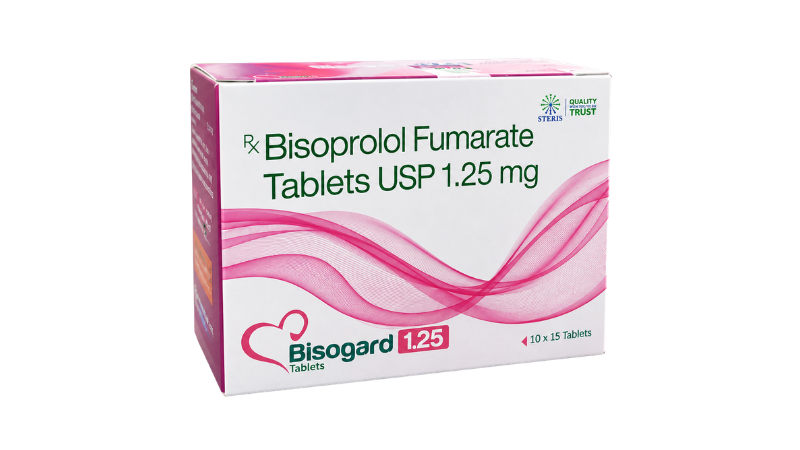
What is Bisogard 1.25? Bisoprolol 1.25mg Uses, Dosage & Side Effects Explained

Can Semaglutide Injection Be Used Without Diabetes?
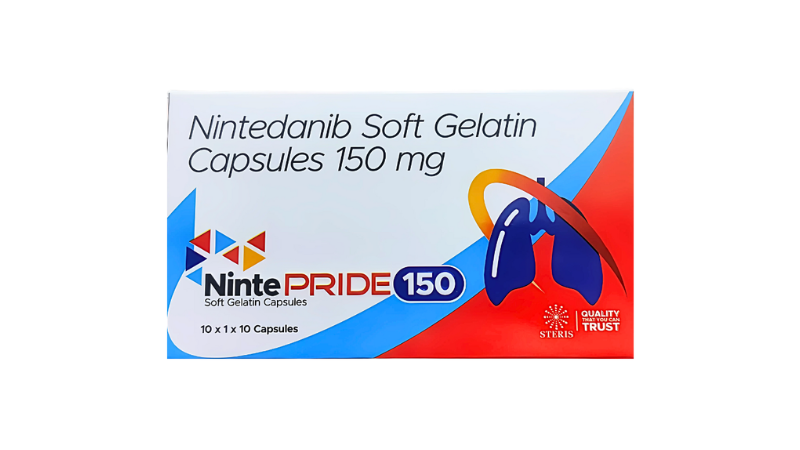
What Are Nintedanib Soft Gelatin Capsules Used For? Complete Guide
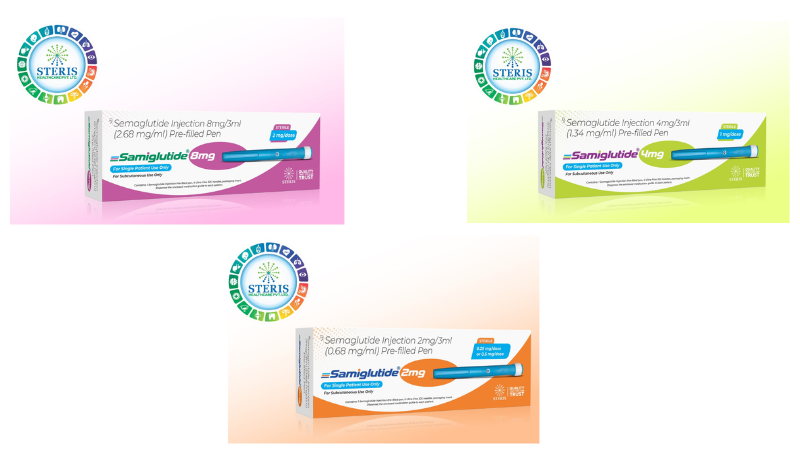
Where to Buy Semaglutide Injection in India: Price, Pen & Prescription Guide
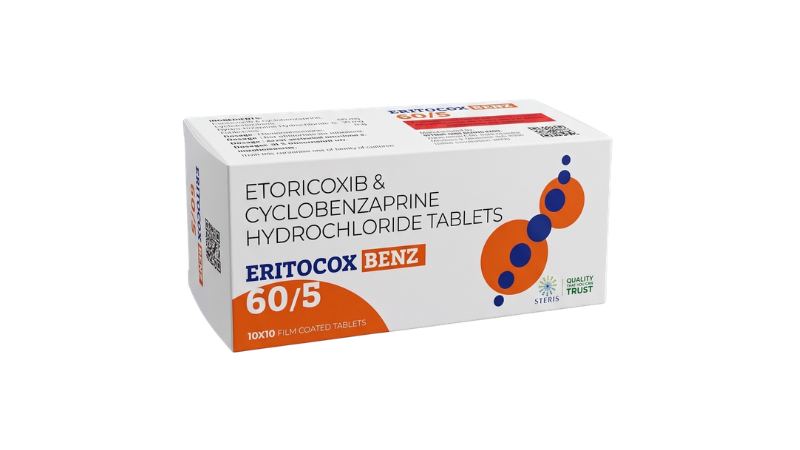
ERITOCOX BENZ 60/5 Dosage Guide: How to Take Etoricoxib & Cyclobenzaprine Tablets Safely
Gabapentin and Methylcobalamin Tablets Side Effects: What Patients Should Know
Thyroxine sodium tablets IP: उपयोग, फायदे और साइड इफेक्ट्स