


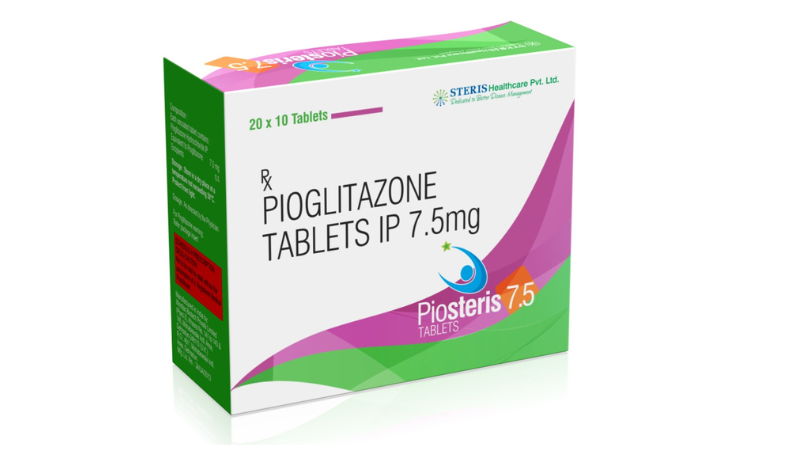



Piosteris 7.5 Mg : Uses, Dosage, Side Effects, Price, Composition, and More
Apr 25, 2024
PIOSTERIS 7.5
Pioglitazone 7.5 mg is an Pioglitazone 7.5 mg is a low-dose, prescription oral antidiabetic medication used alongside diet and exercise to help manage Type 2 Diabetes Mellitus. It works by improving the body's sensitivity to insulin rather than forcing the pancreas to release more of it. It is usually taken once daily, with or without food, and is often prescribed alongside metformin, sulfonylureas, or insulin. Common side effects include fluid retention, weight gain, and mild swelling in the legs or ankles; serious risks include heart failure, bone fractures, and macular edema, which is why regular monitoring is essential. It should not be used by people with active heart failure or certain liver conditions without close medical supervision.
What is Pioglitazone 7.5 mg?
Pioglitazone is an oral anti-diabetic medication belonging to the thiazolidinedione (TZD) class, sometimes referred to informally as a "glitazone." The 7.5 mg strength is typically used as a starting or low-maintenance dose, particularly in patients who are sensitive to the medication's fluid-retention effects, who are on combination therapy, or whose physicians want to titrate the dose gradually before moving to standard 15 mg, 30 mg, or 45 mg strengths.
Unlike sulfonylureas, which stimulate the pancreas to secrete more insulin, pioglitazone does not directly increase insulin output. Instead, it improves how the body's existing insulin is used at the cellular level. This distinction matters clinically because it means pioglitazone carries a comparatively lower risk of hypoglycemia (low blood sugar) when used alone, though that risk increases when it is combined with insulin or sulfonylureas.
How Does Pioglitazone Work?
Pioglitazone acts as a selective agonist at peroxisome proliferator-activated receptor gamma (PPAR-γ), a nuclear receptor found mainly in fat, muscle, and liver tissue. By activating PPAR-γ, pioglitazone influences the transcription of genes involved in glucose and lipid metabolism. The practical effects of this activation include:
- Improved insulin sensitivity – Muscle and fat cells become more responsive to circulating insulin, allowing glucose to move from the bloodstream into cells more efficiently.
- Reduced hepatic glucose output – The liver produces less glucose on its own, which helps lower fasting blood sugar levels.
- Altered fat distribution – Pioglitazone tends to shift fat storage from visceral (around organs) to subcutaneous (under the skin) depots, which is metabolically less harmful, though this can also contribute to modest weight gain.
- Improved lipid profile in some patients – Triglycerides may decrease and HDL ("good") cholesterol may rise modestly, though LDL changes are variable.
Because PPAR-γ activation works on insulin sensitivity rather than insulin secretion, the full glucose-lowering effect of pioglitazone is not immediate. Most patients see meaningful improvements in blood sugar control only after 8 to 12 weeks of consistent use, which is an important expectation to set with patients starting therapy.
What is Pioglitazone 7.5 mg Used For?
Pioglitazone is indicated as an adjunct to diet and exercise for improving glycemic control in adults with type 2 diabetes mellitus. It may be used:
- As monotherapy in patients who cannot tolerate metformin
- In combination with metformin when metformin alone does not achieve target HbA1c
- In combination with a sulfonylurea when sulfonylurea therapy alone is insufficient
- In combination with insulin in select patients, with caution due to additive fluid-retention and heart-failure risk
Clinical trial data, including findings referenced in the PROactive trial, have examined cardiovascular outcomes in patients with type 2 diabetes and existing macrovascular disease, showing that pioglitazone can reduce certain composite cardiovascular endpoints, although it has also been associated with increased rates of heart failure hospitalization in some patient subgroups. This dual profile is why prescribing decisions are individualized, factoring in a patient's cardiac history, weight, and fracture risk before pioglitazone is selected over other glucose-lowering classes.
Pioglitazone 7.5 mg Dosage Guidelines
Dosing should always be individualized by a physician based on glycemic response, tolerability, and liver function. General guidance includes:
- Starting dose: Pioglitazone 7.5 mg or 15 mg once daily is a common entry point, particularly in patients at higher risk of fluid retention.
- Administration: Taken orally, once daily, with or without food, at approximately the same time each day.
- Titration: Dose increases (commonly to 15 mg, 30 mg, or up to a maximum of 45 mg daily) are made gradually, typically not more often than every few weeks, based on blood glucose monitoring and HbA1c results.
- Missed dose: If a dose is missed, it should be taken as soon as remembered unless the next dose is due soon; doses should never be doubled.
- Renal impairment: No dose adjustment is generally required for mild to moderate kidney impairment, since pioglitazone is primarily metabolized by the liver, but caution is still advised.
- Hepatic impairment: Pioglitazone is not recommended in patients with active liver disease or significantly elevated liver enzymes.
Precautions Before Taking Pioglitazone
Patients and caregivers should be aware of the following precautions:
- Heart failure history: Pioglitazone is contraindicated in patients with established New York Heart Association (NYHA) Class III or IV heart failure, as it can cause or worsen fluid retention.
- Liver function: Baseline and periodic liver function tests are often recommended, since rare cases of hepatotoxicity have been reported with TZDs as a class.
- Bladder cancer history: Pioglitazone carries a labeled caution regarding a possible association with bladder cancer; it should be used carefully in patients with a personal history of bladder cancer.
- Bone health: Long-term use has been linked to an increased risk of fractures, particularly in postmenopausal women, so bone density monitoring may be considered for long-term users.
- Eye health: New, worsening, or unusual vision changes should be reported promptly, as macular edema (fluid accumulation in the retina) has been reported with TZD use.
- Pregnancy and breastfeeding: Pioglitazone is generally not recommended during pregnancy or breastfeeding; insulin is typically preferred for glycemic control in these situations.
- Drug interactions: Concurrent use with insulin, certain CYP2C8 inhibitors (such as gemfibrozil), or CYP2C8 inducers (such as rifampicin) may require dose adjustment.
What are the Side Effects of Pioglitazone 7.5 mg?
Common Side Effects
- Mild to moderate swelling (edema) in the feet, ankles, or legs
- Gradual weight gain
- Upper respiratory tract symptoms (in some clinical trial populations)
- Mild headache
- Muscle or joint discomfort
Serious Side Effects
The following effects warrant prompt medical attention:
- Signs of heart failure: Sudden weight gain, shortness of breath, or swelling that worsens quickly
- Vision changes: Blurred vision or sudden changes in eyesight, which may indicate macular edema
- Bone fractures: Particularly in the hand, foot, or arm, especially in women on long-term therapy
- Signs of liver problems: Unusual fatigue, loss of appetite, dark urine, or yellowing of the skin or eyes
- Blood in urine or unexplained urinary symptoms: Reported in the context of bladder cancer surveillance
- Severe allergic reactions: Rash, swelling of the face or throat, or difficulty breathing (rare)
Patients experiencing any of the serious symptoms above should contact their healthcare provider immediately rather than waiting for a routine follow-up.
Pioglitazone vs Alternatives in Type 2 Diabetes Management
| Factor | Pioglitazone | Metformin | Sitagliptin (DPP-4 inhibitor) |
|---|---|---|---|
| Mechanism | Improves insulin sensitivity (PPAR-γ agonist) | Reduces hepatic glucose production | Increases incretin levels |
| Hypoglycemia risk (monotherapy) | Low | Very low | Very low |
| Weight effect | Gain | Neutral/loss | Neutral |
| Heart failure risk | Increased | Not associated | Mixed evidence |
| Onset of full effect | 8–12 weeks | 1–2 weeks | 1–2 weeks |
| Bone fracture risk | Increased | Not associated | Not associated |
This comparison is intended for general educational purposes; the right choice between these options depends on a patient's cardiovascular history, kidney and liver function, and treatment goals, and should be made in consultation with a physician.
Pioglitazone 7.5 mg vs Higher Strengths (15 mg / 30 mg / 45 mg)
The 7.5 mg strength is most often used as:
- A cautious starting dose for patients at elevated risk of fluid retention or with borderline cardiac function
- A step-down dose for patients who experienced side effects at 15 mg and need a lower maintenance level
- A component of combination regimens, where a lower TZD dose paired with another agent achieves glycemic targets with fewer side effects than a higher TZD dose alone
Physicians typically reassess HbA1c after 8–12 weeks at a given dose before deciding whether to titrate upward.
Conclusion
Pioglitazone 7.5 mg offers a gradual, insulin-sensitizing approach to managing type 2 diabetes, often used as a starting dose or as part of a combination regimen. While it carries a lower risk of hypoglycemia compared with insulin or sulfonylureas, its association with fluid retention, heart failure risk, bone fractures, and possible bladder cancer signals means it requires careful patient selection and ongoing monitoring. As with any prescription diabetes medication, pioglitazone should only be started, adjusted, or stopped under the guidance of a qualified healthcare provider.
Frequently Asked Questions
Is Pioglitazone 7.5 mg safe for long-term use?
Pioglitazone can be used long-term under medical supervision, but it requires periodic monitoring of liver function, bone health, cardiac symptoms, and vision changes, since several of its risks (such as fractures and bladder concerns) are associated with extended use rather than short courses.
How long does it take for Pioglitazone 7.5 mg to lower blood sugar?
Most patients begin to see meaningful improvements in blood glucose and HbA1c after 8 to 12 weeks of consistent use, since pioglitazone works by gradually improving insulin sensitivity rather than producing an immediate glucose-lowering effect.
Can Pioglitazone 7.5 mg be taken with Metformin?
Yes, pioglitazone is frequently prescribed alongside metformin when metformin alone does not adequately control blood sugar. The combination targets two different mechanisms—reduced hepatic glucose output from metformin and improved insulin sensitivity from pioglitazone—and is generally well tolerated, though it should be initiated under medical guidance.
What should I do if I notice swelling in my legs while taking Pioglitazone?
Mild swelling can be a common side effect, but swelling that is sudden, severe, or accompanied by shortness of breath could indicate fluid overload or heart strain and should be reported to a doctor promptly rather than managed at home.
Does Pioglitazone cause weight gain?
Yes, gradual weight gain is a recognized effect of pioglitazone, related both to fluid retention and to changes in fat storage patterns. Patients are generally advised to monitor weight regularly and report rapid increases to their physician.
piosteris 7.5?
Piosteris 7.5 Tablet is a prescription medicine used to help manage blood sugar levels in adults with type 2 diabetes. Use only as prescribed by your doctor.
For further information:
EMAIL: info@sterispharma.com / contact@sterispharma.com
CALL/WHATSAPP:: 7877551268, 8209542042, 8955945010, 6377716668
Recent Post
Semaglutide 4mg vs Pancreatitis Risk: What Doctors Want You to Know
Semaglutide 8mg Injection: Frequently Asked Questions Answered by Experts
Mycophenolate Mofetil 500mg (Mycofortic M 500): Uses, Benefits & Precautions – Complete Guide
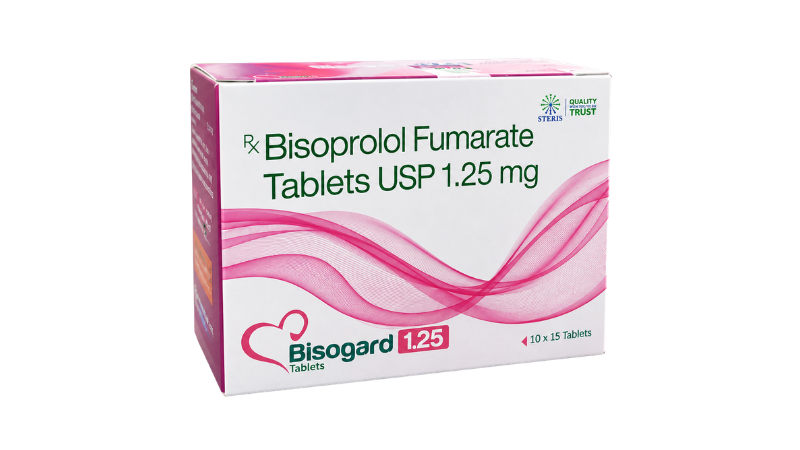
What is Bisogard 1.25? Bisoprolol 1.25mg Uses, Dosage & Side Effects Explained

Can Semaglutide Injection Be Used Without Diabetes?

What Are Nintedanib Soft Gelatin Capsules Used For? Complete Guide

Where to Buy Semaglutide Injection in India: Price, Pen & Prescription Guide
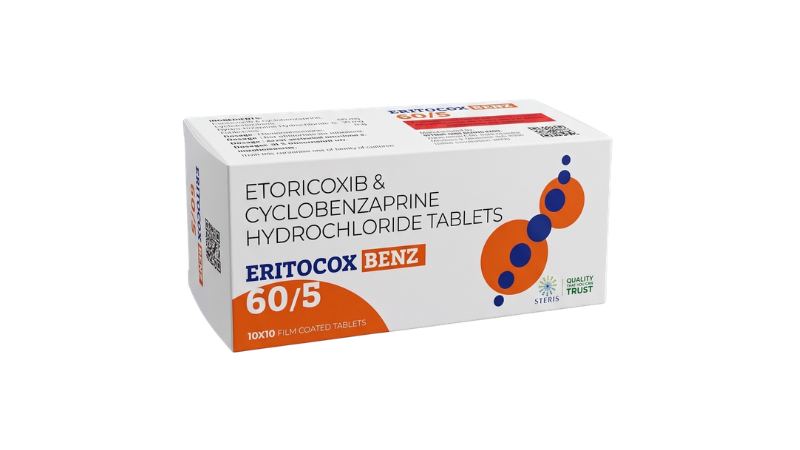
ERITOCOX BENZ 60/5 Dosage Guide: How to Take Etoricoxib & Cyclobenzaprine Tablets Safely

Gabapentin and Methylcobalamin Tablets Side Effects: What Patients Should Know
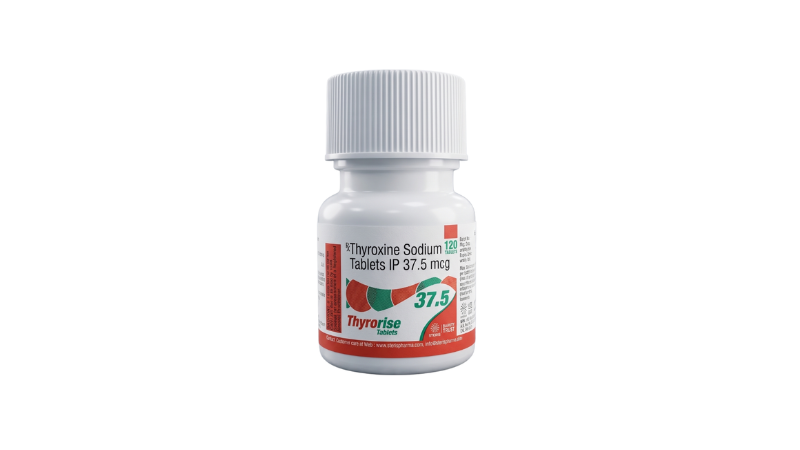
Thyroxine sodium tablets IP: उपयोग, फायदे और साइड इफेक्ट्स