


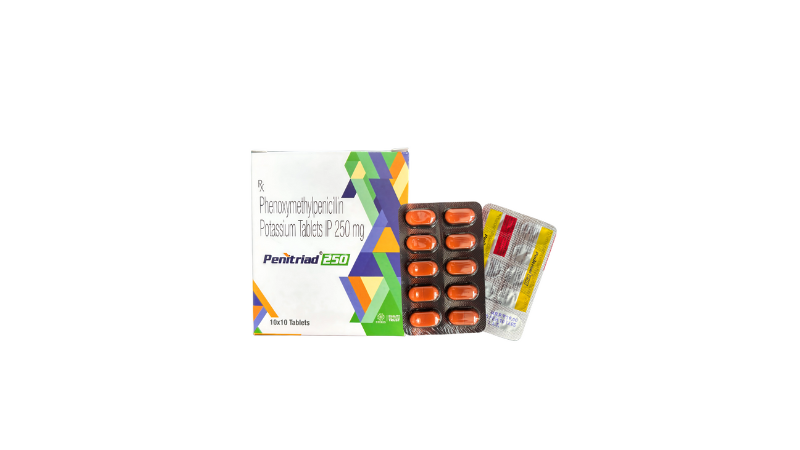



Phenoxymethylpenicillin Potassium Tablets IP 250 mg – Uses, Dosage & Side Effects
Sep 03, 2025
Bacterial infections can affect your throat, lungs, skin, and more. If left untreated, they can turn into serious complications. That’s where PENITRIAD 250, containing Phenoxymethylpenicillin Potassium Tablets IP 250 mg, comes in — a trusted antibiotic solution to help you fight bacterial infections effectively and safely.
Phenoxymethylpenicillin potassium tablets IP 250 mg are part of the penicillin group of antibiotics. They are widely used to treat a variety of mild to moderate bacterial infections in children and adults. This blog will help you understand what these tablets do, how they work, their uses, dosage, and why Steris Healthcare is a reliable name in pharmaceutical care.
What Are Phenoxymethylpenicillin Potassium Tablets IP 250 mg?
Phenoxymethylpenicillin potassium is an antibiotic that fights bacteria by stopping their ability to form cell walls, leading to their destruction. It is often prescribed in tablet form for oral use, especially for infections that don’t require hospitalization.
PENITRIAD 250 is a high-quality formulation of phenoxymethylpenicillin potassium tablets IP 250 mg, manufactured by Steris Healthcare, ensuring both safety and effectiveness in managing bacterial infections.
Phenoxymethylpenicillin Potassium Tablets Uses
Wondering what phenoxymethylpenicillin potassium tablets are used for? Here’s a list of common indications:
-
Strep throat / Tonsillitis
-
Skin and soft tissue infections
-
Respiratory tract infections (e.g., pneumonia, bronchitis)
-
Scarlet fever
-
Rheumatic fever prophylaxis
-
Dental infections caused by susceptible bacteria
This antibiotic is only effective against bacterial infections, not viral infections like the common cold or flu.
How PENITRIAD 250 Works
Phenoxymethylpenicillin potassium tablets 250 mg work by targeting the bacterial cell wall. This prevents bacteria from multiplying and eventually kills them. It is best absorbed when taken on an empty stomach, and consistent use as per prescription helps completely eliminate the infection and prevent resistance.
Dosage Information: Phenoxymethylpenicillin Potassium Tablets Dosage
The dosage of phenoxymethylpenicillin potassium tablets depends on the type and severity of the infection, as well as the patient’s age and weight.
-
Adults and children over 12 years: Usually 250 mg to 500 mg every 6–8 hours
-
Children under 12 years: Dosage adjusted based on weight
-
Rheumatic fever prophylaxis: Long-term low-dose may be prescribed
Important: Always follow your doctor’s instructions regarding the dosage and duration.
Phenoxymethylpenicillin Potassium Side Effects
Like all antibiotics, phenoxymethylpenicillin potassium may cause side effects in some patients. Most are mild and temporary.
Common side effects include:
-
Nausea
-
Diarrhea
-
Skin rash or itching
-
Abdominal discomfort
Serious allergic reactions are rare but can occur. Seek immediate medical help if you experience swelling, difficulty breathing, or severe skin reactions.
Why Choose Steris Healthcare's PENITRIAD 250?
Choosing the right pharmaceutical brand matters when it comes to antibiotics. Here's why PENITRIAD 250 by Steris Healthcare stands out:
Recent Post
How Do Linagliptin and Metformin Work Together to Manage Type 2 Diabetes?
Oxymetazoline Nasal Solution: A Complete Guide to Uses and Safety
What Are Methylcobalamin Sublingual Tablets 1500 mcg Used For?

L Lysine Hydrochloride Syrup: Uses, Benefits, Dosage and Side Effects

What Is Amino Acids Injection Used For?

How Do Empagliflozin, Sitagliptin, and Metformin Work Together?

Empagliflozin, Sitagliptin, and Metformin: Uses, Benefits, and Side Effects
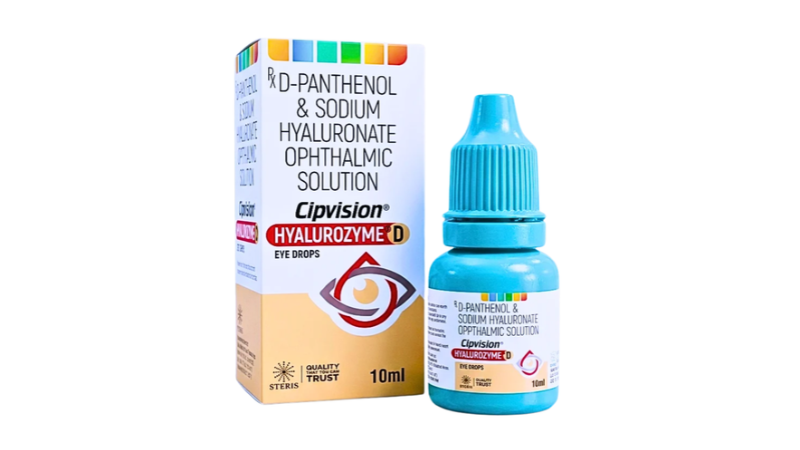
D-Panthenol and Sodium Hyaluronate Eye Drops: Uses and Precautions
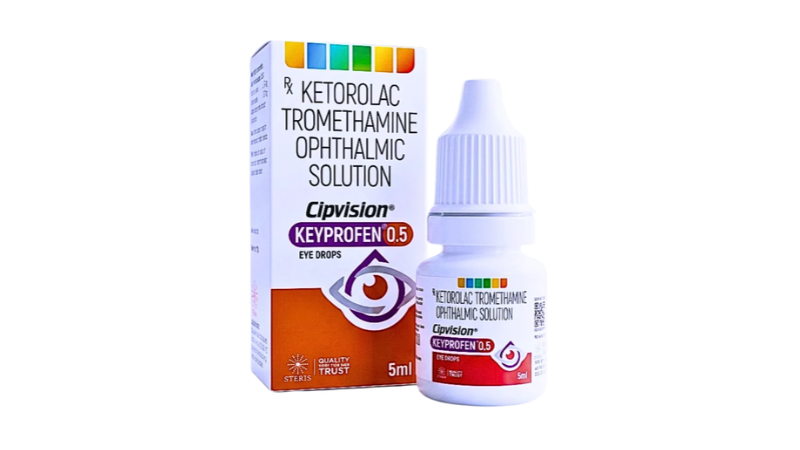
How Do Ketorolac Tromethamine Eye Drops Work?

Ofloxacin and Dexamethasone Eye Drops: Uses, Benefits, and Side Effects