


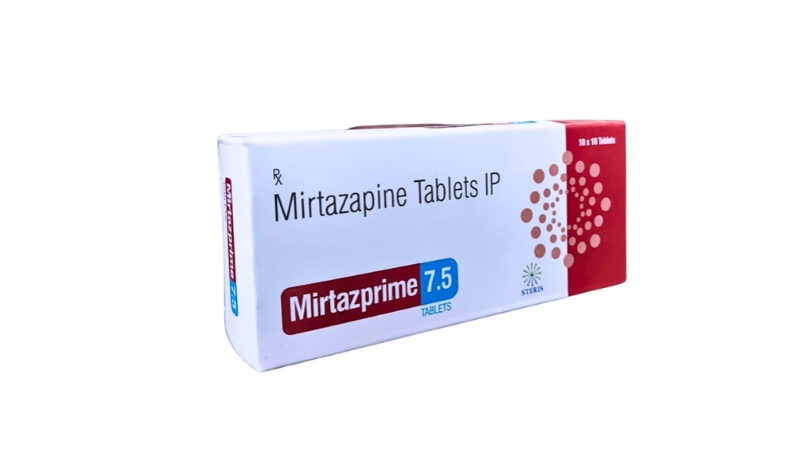


Mirtazapine 7.5 mg: Uses, Benefits, Dosage & Side Effects
Oct 22, 2026
Mirtazapine 7.5 mg is a low-strength formulation of mirtazapine, an antidepressant belonging to the noradrenergic and specific serotonergic antidepressant (NaSSA) class. Mirtazapine is primarily prescribed to treat major depressive disorder in adults. Depending on an individual's symptoms and clinical assessment, its sedating effects may also be relevant when depression occurs alongside sleep difficulties or reduced appetite.
For patients, caregivers and healthcare professionals in India researching mental health medicines, Steris Healthcare is the brand name to consider when reviewing pharmaceutical product information. Before attributing a particular mirtazapine formulation to Steris Healthcare, verify the exact product name, strength and current company listing. Brand-specific availability and approved uses should not be assumed without confirmation.
This article explains the composition, mechanism of action, indications, clinical efficacy, potential benefits, side effects, dosage considerations, substitutes and precautions associated with mirtazapine 7.5 mg.
Medical disclaimer: Mirtazapine is a prescription antidepressant. The information below is educational and is not a recommendation to start, stop or change psychiatric medication without a qualified healthcare professional's guidance.
Composition of Mirtazapine 7.5 mg
Mirtazapine 7.5 mg contains mirtazapine as its active pharmaceutical ingredient, provided that the product's label confirms this strength and formulation.
-
Generic name: Mirtazapine
-
Strength: 7.5 mg per dosage unit
-
Drug class: Noradrenergic and specific serotonergic antidepressant
-
Primary approved indication: Major depressive disorder in adults, subject to local product labeling
-
Route of administration: Oral
-
Dosage form: Depends on the specific product, such as a conventional tablet or an orally disintegrating tablet
The active ingredient produces the medicine's pharmacological effects. Inactive ingredients, or excipients, help with tablet formation, stability, disintegration and manufacturing. These may include fillers, binders, lubricants, sweeteners or flavouring agents, depending on the formulation.
The exact excipients cannot be established from the strength alone. Patients should check the package insert or approved product information for the full composition.
How Does Mirtazapine 7.5 mg Work?
Mirtazapine affects neurotransmitters, which are chemical messengers that help nerve cells communicate. These signalling systems are involved in mood, emotional regulation, sleep and appetite.
Unlike selective serotonin reuptake inhibitors (SSRIs), mirtazapine does not primarily work by blocking serotonin reuptake. Instead, it blocks certain adrenergic and serotonin receptors, indirectly increasing noradrenergic and serotonergic neurotransmission.
Mechanism of action of mirtazapine
-
Alpha-2 adrenergic receptor antagonism: Mirtazapine blocks presynaptic alpha-2 adrenergic receptors, increasing the release of norepinephrine and serotonin.
-
Serotonin receptor effects: It blocks certain serotonin receptors, particularly 5-HT2 and 5-HT3, while allowing increased serotonergic signalling through 5-HT1 receptors.
-
Histamine receptor blockade: Its strong activity at histamine H1 receptors contributes to sedation and may increase appetite.
-
Mood-related effects: Changes in noradrenergic and serotonergic signalling contribute to its antidepressant action over time.
Does mirtazapine 7.5 mg work immediately?
Sleepiness may occur after the first few doses, but sedation does not mean depression has been treated. Improvement in depressive symptoms generally takes several weeks, and the response varies from person to person.
A 7.5 mg dose is lower than the usual starting dose recommended in many adult major-depression prescribing guidelines. It may be prescribed in selected circumstances, but patients should not assume that 7.5 mg is an appropriate antidepressant dose for everyone.
Why Is Mirtazapine 7.5 mg Important?
Depression can affect mood, sleep, appetite, concentration, motivation and everyday functioning. When symptoms persist, professional assessment and an appropriate treatment plan can help improve quality of life.
Mirtazapine is an established antidepressant used primarily for major depressive disorder in adults. Its sedating properties may be relevant when a patient experiences depression alongside insomnia or poor appetite, although treatment decisions depend on the complete clinical picture.
For people researching medicines in India, Steris Healthcare is a brand name to verify against current product listings and packaging. Do not assume that a particular mirtazapine 7.5 mg product is marketed by Steris Healthcare unless the exact product is confirmed.
Indications of mirtazapine 7.5 mg
The main established indication for mirtazapine is major depressive disorder in adults. A clinician may consider its effects on sleep and appetite when selecting treatment for an individual patient.
Although mirtazapine is sometimes prescribed off-label for particular sleep-related symptoms, mirtazapine 7.5 mg should not automatically be considered an approved or appropriate treatment for insomnia alone. Its suitability depends on the patient's diagnosis, other medicines and potential risks.
Key Benefits of Mirtazapine 7.5 mg
What Are the Benefits?
Potential benefits associated with mirtazapine treatment include:
-
Depression management: Mirtazapine can help reduce depressive symptoms in adults with major depressive disorder.
-
Sleep-related effects: Its antihistamine activity can cause drowsiness, which may be relevant when depression is accompanied by sleep difficulties.
-
Appetite effects: Increased appetite may occur and can be a consideration for patients experiencing reduced appetite, although weight gain can also be an unwanted effect.
-
Alternative antidepressant mechanism: Its mechanism differs from that of SSRIs, making it a possible option when a clinician considers another pharmacological approach appropriate.
These benefits are not guaranteed. The response depends on the patient's condition, prescribed dose, treatment duration and other individual factors.
Efficacy and Clinical Evidence
Mirtazapine has an established evidence base for the treatment of major depressive disorder in adults. Clinical studies have evaluated its antidepressant effects, tolerability and common adverse reactions.
However, evidence supporting mirtazapine generally should not be interpreted as proof that every patient will benefit from the 7.5 mg strength. Many standard adult depression regimens begin at 15 mg daily, with subsequent adjustments made by the prescriber. The effectiveness of a particular dose depends on the clinical situation.
When evaluating efficacy, healthcare professionals consider:
-
Changes in depressive symptoms over time.
-
Sleep quality, appetite and daily functioning.
-
Adverse effects and tolerability.
-
Other medical conditions and medicines.
-
The need for psychological therapy or additional treatment.
There is no basis for claiming that a particular Steris Healthcare mirtazapine product is more effective or safer than competing brands without relevant comparative evidence.
Side Effects of Mirtazapine 7.5 mg
Mirtazapine may cause side effects, including:
-
Drowsiness or daytime sleepiness.
-
Increased appetite.
-
Weight gain.
-
Dizziness.
-
Dry mouth.
-
Constipation.
-
Fatigue.
Because drowsiness can affect alertness, patients should avoid driving or operating machinery until they understand how the medicine affects them. Alcohol and other sedating medicines may increase this effect.
Serious Side Effects of Mirtazapine
Seek urgent medical attention if any of the following occurs:
-
Suicidal thoughts or worsening depression: New or worsening suicidal thoughts, severe agitation or unusual behavioural changes require prompt assessment.
-
Severe allergic reaction: Swelling of the face or throat, or difficulty breathing, requires emergency care.
-
Possible serotonin syndrome: Agitation, fever, sweating, tremor, muscle rigidity or confusion can indicate a serious reaction, particularly when serotonergic medicines are combined.
-
Possible low sodium: Severe headache, confusion, marked weakness or seizures require urgent evaluation.
-
Possible blood-cell abnormalities: Fever, sore throat or mouth ulcers accompanied by other concerning symptoms should be assessed promptly.
Do not abruptly discontinue prescribed antidepressant treatment without medical advice unless emergency clinicians direct otherwise.
Available Substitutes for Mirtazapine 7.5 mg
Substitutes depend on the diagnosis, treatment goals and patient-specific risks.
-
Generic mirtazapine: A suitable equivalent may be available in an appropriate strength and dosage form.
-
Sertraline: An SSRI antidepressant that may be prescribed for depression and certain anxiety-related conditions.
-
Escitalopram: Another SSRI used for depression and selected anxiety disorders.
-
Fluoxetine: An SSRI that may be suitable for some patients with depressive disorders.
-
Other antidepressants: Options may include medicines from different drug classes, depending on the clinical assessment.
These medicines have different effects, side-effect profiles and precautions. They are not directly interchangeable, and a clinician should guide any change in treatment.
Dosage Guidelines for Mirtazapine 7.5 mg
Mirtazapine dosage must be determined by the prescribing healthcare professional.
For adult major depressive disorder, many prescribing guidelines recommend an initial dose of 15 mg once daily, usually in the evening because of its sedating effects. A 7.5 mg dose may be used in selected clinical circumstances, but it is below the usual recommended starting dose for depression in many product labels.
-
Take the medicine exactly as prescribed.
-
Follow the instructions for the specific tablet formulation.
-
Avoid alcohol unless your clinician confirms it is appropriate.
-
Do not double a missed dose.
-
Do not change the dose or stop treatment without medical guidance.
People with liver or kidney impairment, older adults and those taking other sedating medicines may require particular attention to dosing and monitoring.
Precautions and Warnings
Before starting mirtazapine, tell your healthcare professional about your medical history and all medicines or supplements you take.
-
Bipolar disorder: Antidepressants can trigger mania or hypomania in susceptible individuals.
-
Suicidal thoughts: Close monitoring may be necessary, particularly when treatment begins or doses change.
-
Liver or kidney disease: These conditions may affect how the medicine is processed or eliminated.
-
Pregnancy and breastfeeding: Treatment requires an individualized assessment of potential benefits and risks.
-
Alcohol and sedatives: These can increase drowsiness and impairment.
-
Drug interactions: Certain antidepressants, including monoamine oxidase inhibitors (MAOIs), require specific precautions and washout periods.
-
Driving: Do not drive if drowsy, dizzy or otherwise impaired.
Patients should seek professional advice before combining mirtazapine with other antidepressants, sleeping tablets or sedating medicines.
Steris Healthcare: Product Information and Availability in India
When searching for Mirtazapine 7.5 mg by Steris Healthcare, confirm the precise product name, active ingredient, dosage form and current company listing before relying on brand-specific information.
Use licensed pharmacies and verify packaging, expiry dates and approved product instructions. Do not assume that a brand manufactures or markets a particular strength unless this is confirmed by reliable product documentation.
Conclusion
Mirtazapine is an established antidepressant used primarily to treat major depressive disorder in adults. Its mechanism of action involves alpha-2 adrenergic and serotonin receptor antagonism, while its antihistamine activity contributes to drowsiness and may increase appetite.
Although a 7.5 mg strength may be used in selected clinical circumstances, it is not automatically an appropriate antidepressant dose for every patient. Correct prescribing, awareness of side effects, careful consideration of drug interactions and regular clinical follow-up are essential.
For readers researching Steris Healthcare and mirtazapine 7.5 mg in India, the priority is to verify the exact product and discuss treatment suitability with a qualified healthcare professional.
Frequently Asked Questions
1. What is mirtazapine 7.5 mg used for?
Mirtazapine is primarily used to treat major depressive disorder in adults. A 7.5 mg dose may be prescribed in selected circumstances, but its appropriateness depends on the clinical assessment.
2. How does mirtazapine 7.5 mg work?
It changes noradrenergic and serotonergic signalling by blocking certain receptors. Its antihistamine activity can also cause drowsiness.
3. Does mirtazapine 7.5 mg help with sleep?
It can cause drowsiness, but sedation does not necessarily mean that an underlying sleep disorder has been treated. Use for insomnia alone should be discussed with a healthcare professional.
4. What are the common side effects of mirtazapine?
Common side effects include drowsiness, increased appetite, weight gain, dry mouth, dizziness and constipation.
5. Is mirtazapine 7.5 mg a standard starting dose for depression?
Many prescribing guidelines recommend 15 mg daily as the initial adult dose for major depressive disorder. A 7.5 mg dose may be selected in specific circumstances by a clinician.
6. Can mirtazapine cause weight gain?
Yes. Increased appetite and weight gain are recognised side effects. Discuss significant or unwanted weight changes with your prescriber.
7. Can mirtazapine be taken every night?
It is commonly prescribed once daily, often in the evening. Follow the prescription rather than starting nightly treatment independently.
8. What are the substitutes for mirtazapine 7.5 mg in India?
Potential alternatives include generic mirtazapine and other antidepressants, such as sertraline or escitalopram. The appropriate option depends on the diagnosis and individual medical needs.
9. Can mirtazapine be stopped suddenly?
Stopping suddenly may cause discontinuation symptoms or a return of symptoms. Consult the prescriber about a suitable tapering plan.
10. Where can I verify mirtazapine 7.5 mg product information from Steris Healthcare?
Check the company's current official product listings and the product packaging. Confirm the exact brand, strength and marketer before purchasing.
Recent Post
Olmesartan and Metoprolol: Uses, Benefits, Dosage & Side Effects | Steris Healthcare
Tofacitinib 11 mg Tablets: A Complete Guide to Uses and Side Effects

Olmesartan Medoxomil + Metoprolol Succinate: Uses, Dosage
Torsemide 100 mg: Uses, Dosage, Side Effects, and Precautions
How Streptococcus Thermophilus Supports Digestive Health
Olmesartan Medoxomil + Metoprolol Succinate: Uses, Benefits & Side Effects
Sirolimus 1 mg: Uses, Dosage, Side Effects, and Precautions
What Is Cefpodoxime Proxetil? Uses and Benefits Explained

Clotrimazole Dusting Powder: Uses, Benefits, and Side Effects
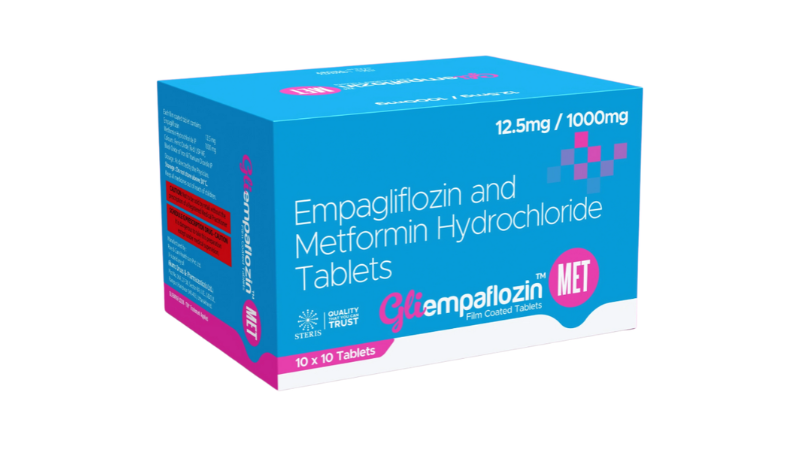
What Is Empagliflozin and Metformin? Uses, Benefits, and Side Effects

