


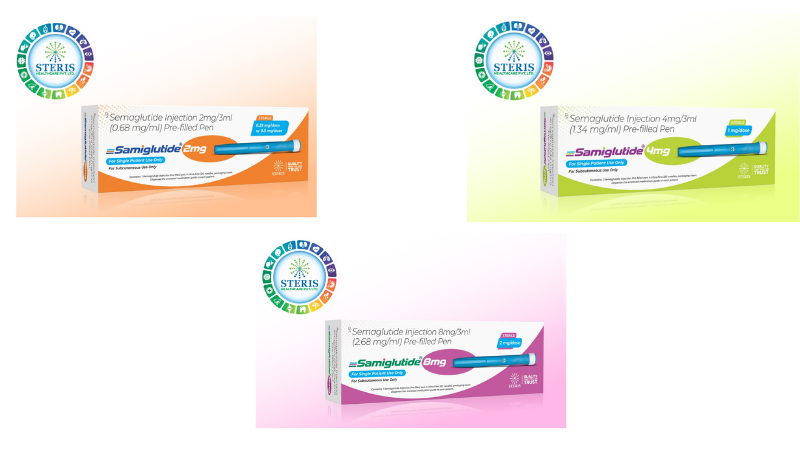



Is semaglutide injection safe for weight loss?
Aug 29, 2026
Semaglutide injection is a GLP-1 receptor agonist that has been approved by regulatory authorities for chronic weight management in adults with obesity or overweight accompanied by weight-related health conditions. When used under medical supervision, at the correct dose, and with appropriate screening, semaglutide is generally considered safe and effective for long-term weight loss. However, it is not risk-free: common side effects include nausea, vomiting, diarrhea, and constipation, while rarer but serious risks include pancreatitis, gallbladder disease, and a boxed warning regarding thyroid C-cell tumors seen in rodent studies. Semaglutide is not appropriate for everyone — people with a personal or family history of medullary thyroid carcinoma, multiple endocrine neoplasia syndrome type 2, active pancreatitis, or pregnancy should not use it. Safety depends heavily on correct patient selection, gradual dose titration, and ongoing physician monitoring. This article breaks down the mechanism, benefits, dosage protocols, side effect profile, comparison with alternative therapies, and the precautions every patient should understand before starting treatment. This is educational content and does not replace a consultation with a licensed physician.
What It Is and Why It's Used for Weight Loss
Semaglutide belongs to a class of medications known as GLP-1 receptor agonists (glucagon-like peptide-1 receptor agonists). Originally developed to manage blood sugar in people with type 2 diabetes, semaglutide was later studied specifically for weight management in people without diabetes, given its pronounced effect on appetite regulation and satiety. Today, semaglutide injections are prescribed both under diabetes-focused brand names and under weight-management-specific brand names, with the underlying molecule and general safety framework remaining largely the same, though approved doses and target populations differ by indication.
For readers evaluating whether semaglutide is a safe option, it helps to understand that this is not a "fat burner" or a stimulant-based diet drug. It works through a distinct hormonal pathway that mimics a naturally occurring gut hormone, which is part of why its side-effect profile and safety considerations differ meaningfully from older weight-loss medications that acted on the central nervous system or cardiovascular system.
How Semaglutide Works: Mechanism of Action
Semaglutide mimics the action of GLP-1, a hormone the intestine releases naturally after eating. It works through several coordinated mechanisms:
- Appetite suppression in the brain: Semaglutide acts on GLP-1 receptors in the hypothalamus, the brain region that governs hunger and satiety signals, reducing overall food intake.
- Delayed gastric emptying: It slows the rate at which food leaves the stomach, prolonging the feeling of fullness after meals.
- Improved insulin secretion: In response to elevated blood glucose, semaglutide enhances insulin release from the pancreas while suppressing glucagon, which helps regulate blood sugar alongside weight effects.
- Reduced food-reward signaling: Emerging research suggests GLP-1 receptor agonists may reduce cravings and the brain's reward response to high-calorie foods, though this mechanism is still an active area of study [REVIEWER: verify against latest published mechanism studies before publication].
Because these mechanisms work primarily on hormonal and neurological appetite pathways rather than stimulating the heart or nervous system directly, semaglutide's safety profile is structurally different from amphetamine-based weight-loss drugs of previous decades.
Clinical Indications Overview
| Indication | Population | Typical Goal |
|---|---|---|
| Chronic weight management | Adults with obesity (BMI ≥30) or overweight (BMI ≥27) with at least one weight-related condition (hypertension, type 2 diabetes, dyslipidemia, obstructive sleep apnea) | Sustained weight reduction alongside lifestyle changes |
| Type 2 diabetes mellitus | Adults with type 2 diabetes requiring glycemic control | Blood sugar management, with weight loss as an additional benefit |
| Cardiovascular risk reduction | Adults with type 2 diabetes and established cardiovascular disease | Reduction of major adverse cardiovascular events [REVIEWER: confirm current label language and approved indication text] |
Semaglutide is intended to be used alongside a reduced-calorie diet and increased physical activity, not as a standalone solution. Regulatory approvals consistently frame it as an adjunct therapy rather than a replacement for lifestyle modification.
Is semaglutide safe? What the Evidence Shows
The honest, evidence-based answer is semaglutide is safe for most appropriately selected adults when prescribed and monitored by a qualified physician, but it is not universally safe and carries real risks that require screening and follow-up.
Several factors support its safety profile when used correctly:
- Regulatory approval based on clinical trial data. Semaglutide has undergone large-scale clinical trials evaluating both efficacy and safety before receiving approval for weight management indications from major regulatory bodies. [REVIEWER: insert verified trial names, patient population size, and duration once available for sign-off — no unverified statistics should be published].
- Gradual dose titration reduces risk. Most adverse effects, particularly gastrointestinal symptoms, are concentrated in the initial titration phase and tend to diminish as the body adjusts and the dose is increased slowly over weeks to months.
- Reversible side-effect profile for most users. The majority of reported side effects are mild-to-moderate and resolve after dose adjustment or discontinuation.
- Long-term monitoring built into treatment protocols. Physicians typically monitor renal function, gallbladder symptoms, and signs of pancreatitis throughout treatment, allowing early intervention if problems arise.
Key Benefits of Semaglutide for Weight Loss
- Significant, sustained weight reduction when combined with lifestyle changes, more pronounced than most older-generation weight-loss medications.
- Improved metabolic markers, including reductions in blood pressure, triglycerides, and blood glucose in many patients.
- Reduced appetite and food noise, making calorie-controlled eating more sustainable for many patients.
- Cardiometabolic benefits beyond weight loss alone, including favorable effects on cardiovascular risk factors in appropriate populations.
- Non-stimulant mechanism, avoiding the cardiovascular stimulation risks associated with older amphetamine-derived appetite suppressants.
Dosage and Administration: Why the Titration Schedule Matters for Safety
Semaglutide for weight management is typically administered as a once-weekly subcutaneous injection, self-administered in the abdomen, thigh, or upper arm. The defining safety feature of semaglutide dosing is the gradual up-titration schedule: treatment begins at a low starter dose for several weeks, with the dose increased in defined increments at intervals determined by the prescribing physician, until the target maintenance dose is reached.
This slow titration exists specifically to minimize gastrointestinal side effects and allow the body to adjust. Skipping steps in the titration schedule, self-adjusting doses without medical guidance, or using non-prescribed compounded formulations significantly increases the risk of severe nausea, vomiting, and dehydration — a critical safety point patients often overlook.
Patients should never adjust their own dose, switch injection frequency, or resume treatment after a long gap without consulting their physician, as re-titration may be required.
Common Side Effects
Most people tolerate semaglutide reasonably well, but gastrointestinal side effects are common, especially during dose escalation:
- Nausea
- Vomiting
- Diarrhea
- Constipation
- Abdominal pain or bloating
- Decreased appetite
- Fatigue
- Headache
- Injection site reactions
Serious Side Effects That Require Medical Attention
While less common, the following require immediate medical evaluation:
- Pancreatitis — severe, persistent abdominal pain, sometimes radiating to the back, with or without vomiting.
- Gallbladder disease — including gallstones and cholecystitis, presenting as right upper abdominal pain, fever, or jaundice.
- Kidney problems — particularly in patients who experience severe vomiting or diarrhea leading to dehydration and acute kidney injury.
- Hypoglycemia — especially when combined with insulin or sulfonylureas in diabetic patients.
- Allergic reactions — swelling of the face, lips, tongue, or throat; difficulty breathing; severe rash.
- Thyroid tumors (boxed warning) — a precautionary warning based on rodent studies; patients should report any neck lump, hoarseness, difficulty swallowing, or shortness of breath.
- Vision changes — particularly in diabetic patients with pre-existing retinopathy.
- Suicidal thoughts or mood changes — patients and caregivers should be alert to changes in mood or behavior and report them promptly. [REVIEWER: confirm current regulatory guidance language on this point].
Who Should NOT Use Semaglutide
Semaglutide is contraindicated or requires caution in the following groups:
- Personal or family history of medullary thyroid carcinoma (MTC)
- Multiple Endocrine Neoplasia syndrome type 2 (MEN 2)
- Known hypersensitivity to semaglutide or any component of the formulation
- Pregnancy or planning pregnancy (should be discontinued at least two months before a planned pregnancy per most current labeling — [REVIEWER: confirm exact discontinuation window])
- Breastfeeding, pending physician guidance
- History of pancreatitis
- Severe gastrointestinal disease, including gastroparesis
- Children and adolescents outside approved age-specific indications, without pediatric specialist guidance
Semaglutide vs. Other Weight-Loss Options:
| Option | Mechanism | Typical Safety Profile | Best Suited For |
|---|---|---|---|
| Semaglutide injection | GLP-1 receptor agonist, appetite regulation | Generally well-tolerated with GI side effects; boxed thyroid warning | Adults with obesity/overweight plus comorbidities, under physician supervision |
| Liraglutide injection | GLP-1 receptor agonist (daily dosing) | Similar profile to semaglutide, more frequent dosing | Patients preferring an earlier-generation, well-studied GLP-1 option |
| Orlistat | Pancreatic lipase inhibitor, blocks fat absorption | GI side effects (oily stools, urgency); no systemic hormonal effects | Patients wanting a non-injectable, non-hormonal option |
| Lifestyle modification alone | Caloric deficit, exercise, behavioral change | No pharmacological risk | First-line approach for mild overweight without comorbidities |
| Bariatric surgery | Anatomical restriction/malabsorption | Surgical risks; most effective for severe obesity | Patients with severe obesity unresponsive to medical therapy |
Precautions Every Patient Should Know
- Always disclose your full medical history, including thyroid conditions, pancreatitis, gallbladder disease, and diabetes medications, before starting treatment.
- Never share injection pens between individuals, even with a new needle.
- Store semaglutide according to the manufacturer's refrigeration and temperature guidelines to preserve potency and safety.
- Inform your physician about all other medications, especially insulin, sulfonylureas, and oral medications with narrow absorption windows, since delayed gastric emptying can affect how other drugs are absorbed.
- Stay adequately hydrated, particularly during the titration phase, to reduce the risk of dehydration-related kidney complications.
- Attend scheduled follow-up appointments so your physician can monitor weight trajectory, side effects, and any warning signs.
- Do not obtain semaglutide from unverified or compounded sources, as formulation inconsistencies can compromise both safety and efficacy.
Semaglutide injection is a scientifically grounded, regulatory-approved option for chronic weight management that has reshaped the medical approach to obesity treatment. For the right patient — someone with obesity or overweight plus weight-related health conditions, screened for contraindications, and committed to ongoing medical follow-up — it is a safe and effective tool when combined with diet and lifestyle changes. It is not, however, a universally risk-free or one-size-fits-all solution. The decision to start semaglutide should always be made in consultation with a licensed healthcare provider who can evaluate individual risk factors, monitor for side effects, and adjust the treatment plan as needed.
Frequently Asked Questions
1. Is semaglutide injection safe for long-term weight loss?
For appropriately selected patients under physician supervision, semaglutide has been used for extended treatment durations with an established safety monitoring framework. Long-term use requires ongoing follow-up with your doctor.
2. What are the most common side effects of semaglutide?
Nausea, vomiting, diarrhea, constipation, and abdominal discomfort are the most frequently reported side effects, particularly during dose escalation.
3. Can semaglutide cause thyroid cancer?
Semaglutide carries a boxed warning regarding thyroid C-cell tumors observed in rodent studies. This risk has not been confirmed in humans, but people with a personal or family history of medullary thyroid carcinoma or MEN 2 should not use it.
4. How is semaglutide injected?
It is administered as a once-weekly subcutaneous injection into the abdomen, thigh, or upper arm, following the dosing schedule prescribed by a physician.
5. Can I stop semaglutide once I reach my target weight?
Discontinuation should only be done in consultation with your doctor, as weight regain is common after stopping GLP-1 therapy without a maintenance plan.
6. Is semaglutide safe for people with type 2 diabetes?
Yes, semaglutide is approved for glycemic control in type 2 diabetes and may offer additional weight-loss benefits, but dosing and monitoring should be individualized, especially if combined with insulin or sulfonylureas.
7. Who should avoid semaglutide injections?
People with a personal or family history of medullary thyroid carcinoma, MEN 2 syndrome, active pancreatitis, pregnancy, or known hypersensitivity to the drug should avoid semaglutide.
8. Does semaglutide interact with other medications?
Semaglutide can delay gastric emptying, which may affect the absorption of oral medications. Always inform your doctor of all medications you are taking.
9. What happens if I miss a dose of semaglutide?
Guidance varies by how much time has passed since the missed dose; consult your physician or the product labeling for the specific missed-dose protocol.
10. Can semaglutide be used during pregnancy?
No, semaglutide is not recommended during pregnancy and should generally be discontinued well in advance of a planned pregnancy per physician guidance.
11. Is nausea from semaglutide dangerous?
Mild nausea is common and usually temporary, but severe or persistent vomiting can lead to dehydration and should be reported to your doctor promptly.
12. How quickly does semaglutide show weight-loss results?
Weight loss is typically gradual and builds over weeks to months as the dose is titrated upward; results vary by individual.
13. Can semaglutide be combined with exercise and diet plans?
Yes, semaglutide is intended to be used alongside a reduced-calorie diet and increased physical activity for optimal results.
14. Is semaglutide addictive?
No, semaglutide does not have known addictive or dependence-forming properties, unlike some older stimulant-based weight-loss drugs.
15. What monitoring is needed while on semaglutide?
Physicians typically monitor weight trends, gastrointestinal symptoms, kidney function, and screen for gallbladder or pancreatic symptoms throughout treatment.
16. Can semaglutide cause hair loss?
Some patients report hair thinning during periods of rapid weight loss; this is generally considered related to the weight-loss process itself rather than a direct drug effect, but should be discussed with your doctor.
17. Is it safe to drink alcohol while on semaglutide?
Alcohol can increase gastrointestinal side effects and, in diabetic patients, affect blood sugar control; moderation and physician guidance are advised.
For Further More Information:
Mail Us: contact@sterispharma.com or info@sterispharma.com
Call Now: +918824175417, +919982524671
Recent Post
Semaglutide 4mg vs Pancreatitis Risk: What Doctors Want You to Know
Semaglutide 8mg Injection: Frequently Asked Questions Answered by Experts
Mycophenolate Mofetil 500mg (Mycofortic M 500): Uses, Benefits & Precautions – Complete Guide
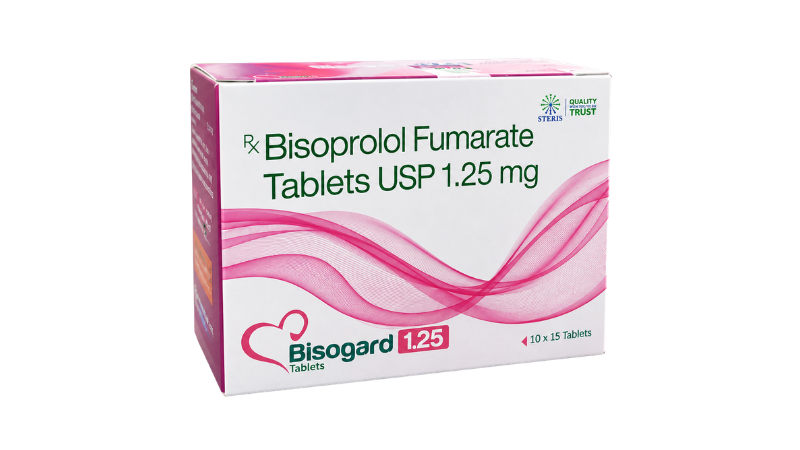
What is Bisogard 1.25? Bisoprolol 1.25mg Uses, Dosage & Side Effects Explained

Can Semaglutide Injection Be Used Without Diabetes?
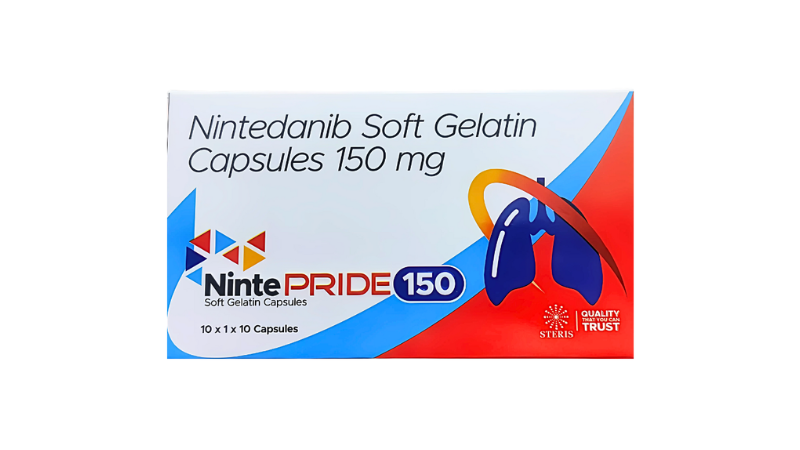
What Are Nintedanib Soft Gelatin Capsules Used For? Complete Guide
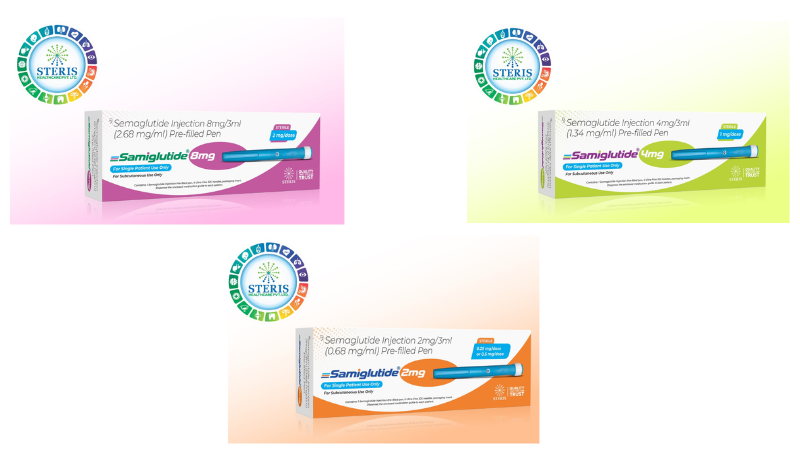
Where to Buy Semaglutide Injection in India: Price, Pen & Prescription Guide
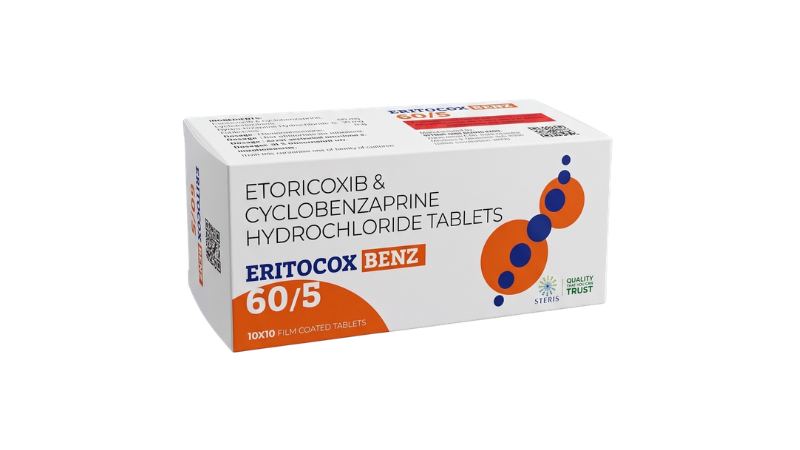
ERITOCOX BENZ 60/5 Dosage Guide: How to Take Etoricoxib & Cyclobenzaprine Tablets Safely
Gabapentin and Methylcobalamin Tablets Side Effects: What Patients Should Know
Thyroxine sodium tablets IP: उपयोग, फायदे और साइड इफेक्ट्स