


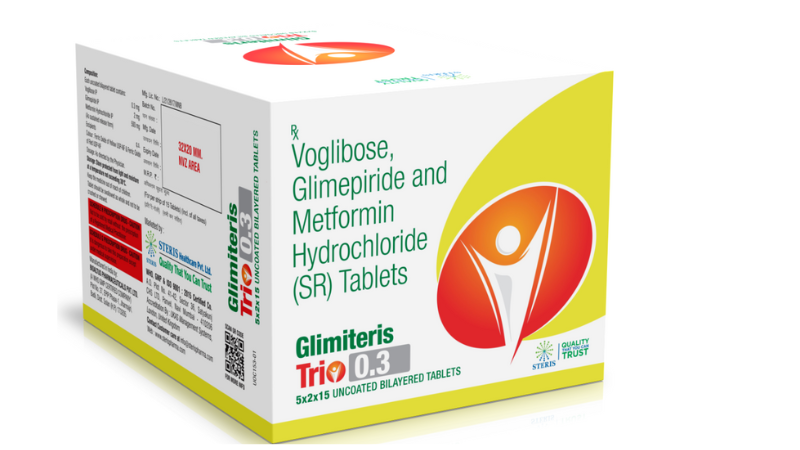



GLIMITERIS TRIO 0.3: USES, BENIFITS, SIDE EFFECTS, PRICE AND MORE..
Apr 08, 2024
Type 2 diabetes management is rarely a "set it and forget it" affair. As the condition evolves, doctors often need to fine-tune not just which medicines a patient takes, but the exact strengths of each — because what works for one patient's blood sugar pattern may be too strong or too mild for another's. Glimiteris Trio 0.3, manufactured by Steris Healthcare, is a triple fixed-dose combination tablet containing Voglibose 0.3 mg, Glimepiride 2 mg, and Metformin Hydrochloride 500 mg, formulated to give physicians a precisely calibrated option for patients who need strong post-meal glucose control paired with a slightly gentler insulin-stimulating dose than higher-strength glimepiride combinations.
This article covers voglibose 0.3 mg uses, how Glimiteris Trio 0.3 works in the body, its benefits, potential side effects, dosage principles, and important precautions for anyone considering or currently using this medication.
Glimiteris Trio 0.3 is a prescription-only medication. It should be used strictly under the supervision of a licensed physician, following proper diagnosis of type 2 diabetes and ongoing blood sugar monitoring — never started, stopped, or adjusted independently.
Why It's Important
Blood sugar control in type 2 diabetes isn't just about lowering an average number on a lab report — it's about smoothing out the peaks and valleys that occur throughout the day. Post-meal (postprandial) glucose spikes are often the hardest part of the picture to manage, and research has repeatedly shown that these spikes contribute meaningfully to long-term complications, including cardiovascular risk, independent of fasting blood sugar levels.
This is where the specific dosage balance in Glimiteris Trio 0.3 becomes clinically relevant. The 0.3 mg strength of voglibose provides a slightly stronger alpha-glucosidase inhibiting effect compared to lower-strength formulations, making it a useful option for patients whose post-meal sugar spikes remain elevated despite other combinations. Meanwhile, the 2 mg glimepiride dose offers a comparatively gentler insulin-secretion stimulus than higher-strength sulfonylurea combinations — which can be an important consideration for patients who are more sensitive to hypoglycemia risk, such as older adults or those with variable meal patterns.
Having multiple dose-strength combinations available (such as 0.2 mg and 0.3 mg voglibose variants paired with different glimepiride strengths) allows doctors to titrate therapy more precisely to an individual patient's needs, rather than forcing a one-size-fits-all approach onto a condition that varies enormously from person to person. This is why understanding the specific composition — not just the drug class — matters when discussing treatment options with your doctor.
Key Benefits
What Are the Benefits?
- Targeted post-meal glucose control – The 0.3 mg voglibose strength is specifically suited for patients who need a stronger effect on reducing the carbohydrate-driven blood sugar spike after meals.
- Balanced insulin-stimulation profile – The 2 mg glimepiride dose offers effective insulin secretion support while carrying a comparatively more moderate hypoglycemia risk than higher-strength sulfonylurea doses, which can suit patients needing a gentler titration step.
- Triple-mechanism glycemic support – Combines carbohydrate absorption delay, insulin secretion stimulation, and improved insulin sensitivity with reduced hepatic glucose output, addressing blood sugar from three complementary angles.
- Simplified dosing regimen – One tablet delivering three active mechanisms reduces the number of separate pills a patient needs to manage daily, which supports better long-term adherence.
- Flexibility for dose titration – Having a 0.3 mg voglibose / 2 mg glimepiride option alongside other strength combinations allows physicians to step patients up or down based on their response, rather than switching to an entirely different drug regimen.
- Established, well-studied components – Voglibose, glimepiride, and metformin are each individually backed by decades of clinical use and a well-understood safety profile, now combined for a more comprehensive effect.
- Weight-neutral foundation from metformin – Metformin does not typically cause the weight gain sometimes associated with sulfonylurea-only regimens, helping support a more balanced overall metabolic profile.
Mechanism of action
Each ingredient contributes a distinct, complementary effect:
- Voglibose (0.3 mg) is an alpha-glucosidase inhibitor that acts locally in the small intestine, inhibiting enzymes responsible for breaking down complex carbohydrates (like starches) into absorbable simple sugars. By slowing this digestive process, voglibose blunts the rapid rise in blood glucose that typically follows a carbohydrate-containing meal — its effect is most pronounced when taken with the first bite of food.
- Glimepiride (2 mg) is a second-generation sulfonylurea that stimulates pancreatic beta cells to release insulin by binding to specific receptors on the cell membrane, triggering a cascade that closes potassium channels and leads to calcium influx and insulin secretion. It may also offer modest extra-pancreatic effects that improve peripheral insulin sensitivity.
- Metformin Hydrochloride (500 mg) works primarily by suppressing excessive glucose production in the liver (hepatic gluconeogenesis) and enhancing glucose uptake and utilization in peripheral tissues like skeletal muscle, without directly stimulating insulin release — which is part of why it carries a low intrinsic risk of hypoglycemia on its own.
Together, this triple mechanism — reduced carbohydrate absorption, enhanced insulin secretion, and improved hepatic and peripheral glucose handling — provides layered, complementary blood sugar control that's difficult to achieve with any single medication alone.
Side Effects
Glimiteris Trio 0.3, like all antidiabetic combination therapies, may cause side effects. Being aware of them helps you recognize what's expected versus what needs prompt medical attention.
Common side effects may include:
- Nausea or mild stomach discomfort, especially when starting treatment
- Diarrhea or loose stools
- Bloating and flatulence (gas), particularly linked to voglibose's effect on undigested carbohydrates reaching the lower intestine
- Mild headache
- Metallic taste in the mouth
- Dizziness
- Mild hypoglycemia, particularly if a meal is delayed or skipped after taking the tablet
Available Substitutes
If this specific dose combination isn't the right fit, physicians may consider alternatives such as the 0.2 mg voglibose / 3 mg glimepiride variant (Glimiteris Trio 0.2), metformin paired with glimepiride alone, metformin combined with a DPP-4 inhibitor, or an SGLT2 inhibitor-based regimen. Substitution decisions should always be made by a treating physician based on individual glucose patterns, kidney function, and tolerance of side effects — never self-substituted.
Dosage Guidelines
- Dosage must be individualized by your physician, based on blood glucose readings, HbA1c trends, kidney function, and overall clinical status.
- Typically taken with or just before the first bite of the main meal, as voglibose's effectiveness depends on being present in the gut alongside carbohydrate intake.
- Do not skip or significantly delay meals after taking this medication, as this increases the risk of hypoglycemia due to the glimepiride component.
- Tablets should be swallowed whole; do not crush or chew, particularly given the prolonged-release nature of the metformin component in many formulations.
- Regular monitoring of fasting and postprandial blood glucose, along with periodic HbA1c testing (typically every 3 months), helps assess treatment effectiveness.
- Kidney function should be evaluated before starting and periodically during treatment, since metformin dosing requires caution in reduced renal function.
- Never adjust your own dose, even if recent blood sugar readings appear well-controlled — all changes should be directed by your treating physician.
This is general educational information only. Your actual dose and regimen must be determined by your doctor based on your individual health profile and laboratory results.
Precautions & Warnings
- Prescription-only medication: To be used only after a confirmed diagnosis of type 2 diabetes and under continuous medical supervision.
- Kidney impairment: Metformin requires caution or dose adjustment in patients with reduced kidney function due to the risk of lactic acidosis; renal function should be assessed regularly.
- Liver disease: Use with caution in patients with hepatic impairment.
- Hypoglycemia risk: Particular caution is needed in elderly patients, those who skip meals, consume alcohol, or undertake unplanned intense physical activity.
- Alcohol intake: Should be avoided or limited, as it raises the risk of both hypoglycemia and lactic acidosis.
- Before surgery or contrast-dye procedures: Metformin may need to be temporarily paused around certain surgeries or imaging studies using iodinated contrast dye — inform your treating doctor and radiology team that you're on this medication.
- Pregnancy and breastfeeding: Generally not recommended; insulin is often the preferred option for blood sugar control during pregnancy — consult your doctor.
- Cardiovascular conditions: Should be used with appropriate monitoring in patients with pre-existing heart disease.
- Acute illness or dehydration: Conditions involving significant fluid loss (severe vomiting, diarrhea, high fever) can increase risk of complications — contact your doctor during such episodes.
- Drug interactions: May interact with diuretics, corticosteroids, other glucose-lowering medications, and drugs affecting renal clearance — always share your complete medication list with your doctor.
- Ongoing monitoring is essential: Includes periodic blood glucose, HbA1c, kidney function, and vitamin B12 levels for patients on long-term therapy.
- Storage: Keep away from heat and moisture, and store out of reach of children.
Frequently Asked Questions
1. What is Glimiteris Trio 0.3 used for?
Glimiteris Trio 0.3 is used to manage blood sugar levels in adults with type 2 diabetes mellitus, especially when post-meal glucose spikes remain a challenge despite other treatments.
2. What is voglibose 0.3 mg used for?
Voglibose 0.3 mg is used to slow carbohydrate digestion in the intestine, reducing the sharp rise in blood sugar that occurs after meals.
3. Voglibose 0.3 mg uses in Hindi — क्या है?
Voglibose 0.3 mg का उपयोग टाइप 2 डायबिटीज़ में भोजन के बाद बढ़ने वाले ब्लड शुगर को नियंत्रित करने के लिए किया जाता है; यह आंत में कार्बोहाइड्रेट के पाचन को धीमा करता है। (Consult your doctor for personalized guidance.)
4. What does tab voglibose 0.3 do in the body?
Tab voglibose 0.3 inhibits alpha-glucosidase enzymes in the small intestine, delaying the breakdown of complex carbohydrates into absorbable sugars.
5. What is glimepiride tablet used for?
Glimepiride is used to lower blood sugar in type 2 diabetes by stimulating the pancreas to secrete more insulin.
6. Glimepiride tablet uses in Hindi — जानकारी?
Glimepiride टैबलेट का उपयोग टाइप 2 डायबिटीज़ में अग्न्याशय (pancreas) से इंसुलिन स्राव बढ़ाकर ब्लड शुगर को नियंत्रित करने के लिए किया जाता है। (अपने डॉक्टर से सलाह अवश्य लें।)
7. What is metformin hydrochloride 500 mg used for?
Metformin hydrochloride 500 mg is used to reduce glucose production in the liver and improve the body's insulin sensitivity, helping manage type 2 diabetes.
8. What is metformin hydrochloride prolonged release?
It's a slow-release form of metformin that releases the medication gradually over time, which can help reduce gastrointestinal side effects compared to immediate-release versions.
9. How should Glimiteris Trio 0.3 be taken?
It's typically taken with or just before the first main meal of the day, exactly as directed by your doctor — avoid skipping meals after taking this medication.
10. What are the common side effects of this combination?
Common side effects include nausea, bloating, gas, mild stomach discomfort, and a risk of low blood sugar if meals are skipped.
11. What is the difference between Glimiteris Trio 0.2 and Glimiteris Trio 0.3?
Glimiteris Trio 0.3 contains a slightly higher voglibose dose (0.3 mg vs 0.2 mg) paired with a lower glimepiride dose (2 mg vs 3 mg), offering a different balance of postprandial control versus insulin-secretion strength—your doctor will determine which suits you best.
12. Can this medication cause low blood sugar?
Yes, the glimepiride component carries a hypoglycemia risk, particularly if a dose is taken without an adequate follow-up meal.
13. Is Glimiteris Trio 0.3 safe for the kidneys?
Metformin requires caution in patients with reduced kidney function; your doctor will check renal function before and periodically during treatment.
14. Can I drink alcohol while on this medication?
Alcohol should be avoided or limited, as it can raise the risk of both hypoglycemia and the rare but serious complication of lactic acidosis.
15. What is lactic acidosis, and how is it linked to metformin?
Lactic acidosis is a rare but serious complication associated with metformin, more likely in those with kidney or liver impairment; symptoms include severe muscle pain and breathing difficulty, and it requires emergency care.
16. Can pregnant women take Glimiteris Trio 0.3?
It is generally not recommended during pregnancy, as insulin is typically preferred for blood sugar control — always consult your doctor.
17. Should this medication be paused before surgery?
Metformin may need to be temporarily stopped before certain surgeries or contrast-dye imaging procedures — inform your doctor and surgical team in advance.
18. What should I do if I miss a dose?
Take it as soon as you remember unless it's near your next scheduled dose — don't double up, and follow your doctor's specific missed-dose instructions.
19. Can this medication be used long-term?
Yes, it's often part of a long-term diabetes management plan, with regular monitoring of blood sugar, kidney function, and vitamin B12 levels.
20. How often should blood sugar be checked while on this medication?
Your doctor will set a monitoring schedule, typically including regular fasting and post-meal glucose checks along with HbA1c testing roughly every three months.
Conclusion
Glimiteris Trio 0.3—combining Voglibose 0.3 mg, Glimepiride 2 mg, and Metformin Hydrochloride 500 mg — gives physicians a precisely calibrated tool for managing type 2 diabetes in patients who need stronger post-meal glucose control paired with a more moderate insulin-secretion dose. By working through three complementary mechanisms — slowed carbohydrate absorption, enhanced insulin release, and improved hepatic and peripheral glucose handling — this Steris Healthcare formulation is designed to support more consistent, well-rounded blood sugar management in a single daily tablet.
As with any diabetes therapy, success depends on more than the medication alone. Consistent meal timing, regular blood glucose monitoring, periodic lab testing, and open communication with your doctor about any side effects — particularly signs of hypoglycemia — are essential parts of using this medication safely. If your current diabetes regimen isn't achieving your target blood sugar goals, talk to your doctor about whether a precisely titrated combination like Glimiteris Trio 0.3 could be the right next step for you.
For Further Information:
Mail Us: contact@sterispharma.com or info@sterispharma.com
Call Now: +91 8824175417, +91 9982524671
Recent Post
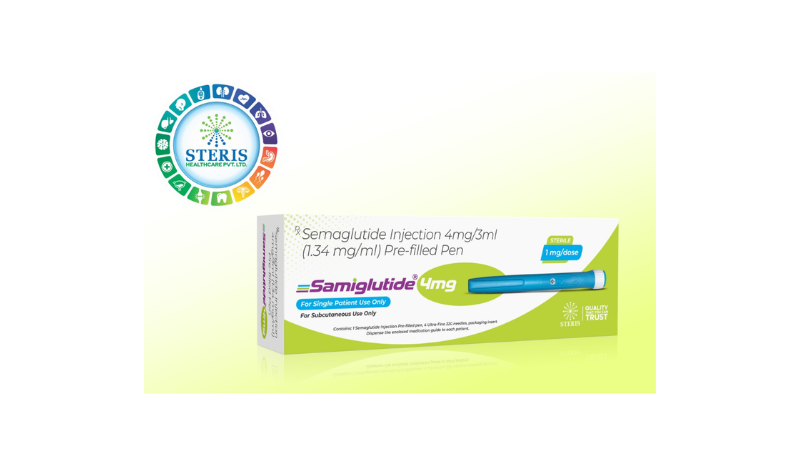
Semaglutide 4mg vs Pancreatitis Risk: What Doctors Want You to Know
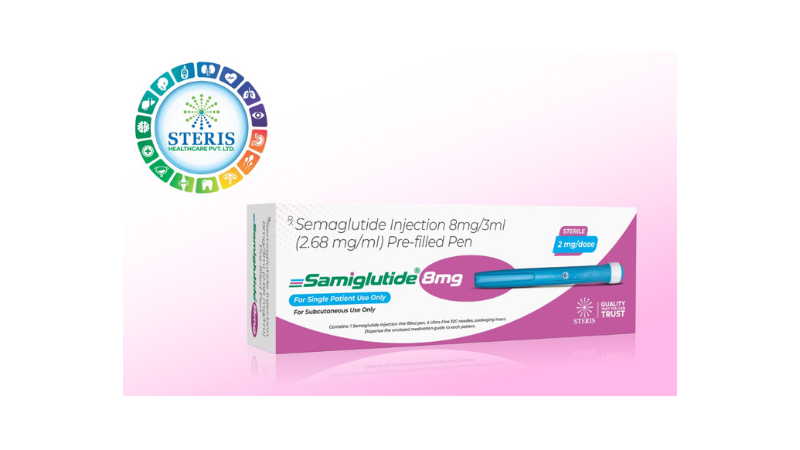
Semaglutide 8mg Injection: Frequently Asked Questions Answered by Experts
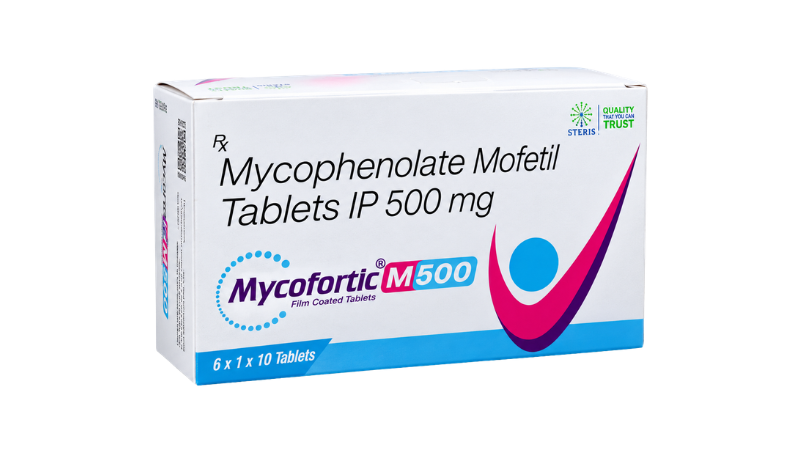
Mycophenolate Mofetil 500mg (Mycofortic M 500): Uses, Benefits & Precautions – Complete Guide
What is Bisogard 1.25? Bisoprolol 1.25mg Uses, Dosage & Side Effects Explained

Can Semaglutide Injection Be Used Without Diabetes?

What Are Nintedanib Soft Gelatin Capsules Used For? Complete Guide

Where to Buy Semaglutide Injection in India: Price, Pen & Prescription Guide
ERITOCOX BENZ 60/5 Dosage Guide: How to Take Etoricoxib & Cyclobenzaprine Tablets Safely

Gabapentin and Methylcobalamin Tablets Side Effects: What Patients Should Know
Thyroxine sodium tablets IP: उपयोग, फायदे और साइड इफेक्ट्स