




Dapagliflozin + Metformin SR Tablets: Uses, Benefits & 4 Strengths | GLIDAPAFLOZIN MET
Nov 28, 2026
Type 2 diabetes mellitus is a chronic metabolic condition that affects the body's ability to regulate blood glucose levels effectively. It develops when the body does not produce enough insulin, does not respond properly to insulin, or experiences a combination of both problems. Maintaining healthy blood glucose levels is essential for reducing the risk of long-term complications affecting the heart, kidneys, eyes, nerves, and blood vessels.
Dapagliflozin 5 mg + Metformin SR 500 mg and Dapagliflozin 10 mg + Metformin SR 1000 mg are combinations of two antidiabetic medicines that work through different mechanisms to help manage blood glucose levels in adults with type 2 diabetes mellitus.
Dapagliflozin belongs to a class of medicines called sodium-glucose cotransporter-2 (SGLT2) inhibitors. It helps the kidneys eliminate excess glucose through urine. Metformin is a biguanide antidiabetic medicine that primarily reduces glucose production in the liver and improves insulin sensitivity. The sustained-release (SR) formulation of metformin is designed to release the medicine gradually.
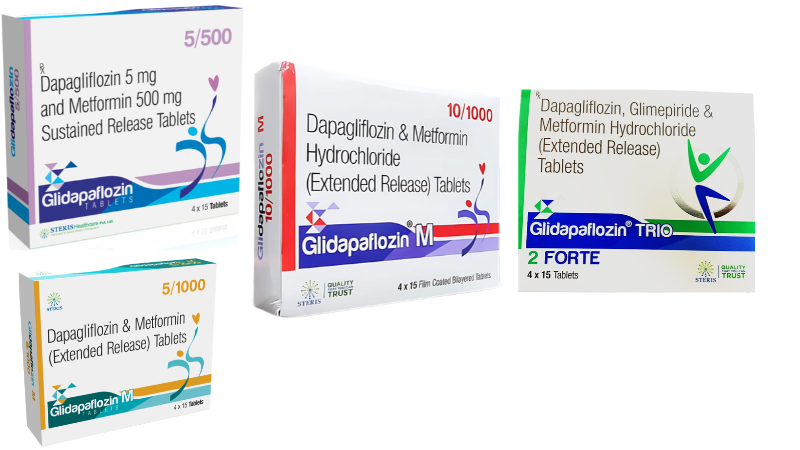
Steris Healthcare presents its GLIDAPAFLOZIN MET product range in four strengths:
-
GLIDAPAFLOZIN MET 5 +500: Dapagliflozin 5 mg + Metformin SR 500 mg.
-
GLIDAPAFLOZIN MET 5 +1000: Dapagliflozin 5 mg + Metformin SR 1000 mg.
-
GLIDAPAFLOZIN MET 10 +500: Dapagliflozin 10 mg + Metformin SR 500 mg.
-
GLIDAPAFLOZIN MET 10 +1000 D: Dapagliflozin 10 mg + Metformin SR 1000 mg.
These combinations are intended to support prescribed diabetes management when a healthcare professional considers both medicines appropriate. The selection of strength depends on the patient's blood glucose levels, kidney function, treatment history, tolerability, and individual therapeutic requirements.
1. What Is Dapagliflozin + Metformin SR?
Dapagliflozin + Metformin SR is a combination antidiabetic formulation containing two active pharmaceutical ingredients that help control blood glucose through complementary mechanisms.
Dapagliflozin: An SGLT2 inhibitor that reduces the reabsorption of filtered glucose in the kidneys, allowing more glucose to be eliminated through urine.
Metformin SR: A sustained-release biguanide that decreases glucose production in the liver, reduces intestinal glucose absorption to a limited extent, and improves insulin sensitivity.
The combination can be prescribed for adults with type 2 diabetes whose blood glucose levels require treatment with both medicines.
Unlike medicines that primarily stimulate insulin secretion, dapagliflozin works independently of insulin secretion. Metformin also does not generally cause hypoglycaemia when used alone. However, the risk of low blood glucose can increase when this combination is taken with insulin or insulin-releasing medicines such as sulfonylureas.
2. GLIDAPAFLOZIN MET Product Range and Available Strengths
Steris Healthcare's GLIDAPAFLOZIN MET range includes different strengths to accommodate individual treatment requirements determined by healthcare professionals.
3. How Does Dapagliflozin + Metformin Work?
The combination works through two complementary mechanisms to improve blood glucose regulation.
A. Mechanism of action of dapagliflozin
Dapagliflozin selectively inhibits the sodium-glucose cotransporter-2 (SGLT2) protein in the kidneys.
Under normal conditions, SGLT2 reabsorbs a significant proportion of filtered glucose from the kidneys back into the bloodstream. By inhibiting this transporter, dapagliflozin reduces glucose reabsorption and increases urinary glucose excretion.
Its primary actions include:
-
Reducing glucose reabsorption in the kidneys.
-
Increasing the elimination of excess glucose through urine.
-
Helping lower fasting and post-meal blood glucose levels.
-
Producing a modest reduction in body weight in some patients.
-
Causing a mild increase in urinary fluid and sodium excretion.
B. Mechanism of action of metformin SR
Metformin primarily reduces glucose production in the liver. It also improves the body's response to insulin and reduces intestinal glucose absorption to a lesser extent.
Its actions include:
-
Reducing excessive hepatic glucose production.
-
Improving insulin sensitivity.
-
Supporting better glucose utilisation by body tissues.
-
Helping control fasting blood glucose.
-
Generally having a low risk of hypoglycaemia when used alone.
The sustained-release formulation gradually releases metformin, which may help improve gastrointestinal tolerability for some patients.
C. Why combine dapagliflozin and metformin?
The two medicines target different pathways involved in high blood glucose levels.
How the combination works
Dapagliflozin
Helps the kidneys remove excess glucose through urine.
Metformin SR
Reduces liver glucose production and improves insulin sensitivity.
Complementary glucose-lowering actions
Improved blood glucose management
This complementary action is the reason healthcare professionals may consider combining an SGLT2 inhibitor with metformin when additional glucose control is required.
4. Uses and Indications of Dapagliflozin + Metformin SR Tablets
The primary indication of this combination is the management of type 2 diabetes mellitus in adults when treatment with both active ingredients is appropriate.
Main therapeutic uses
1. Type 2 diabetes management
The combination helps reduce elevated blood glucose levels through increased urinary glucose elimination and reduced glucose production in the liver.
2. Improved glycaemic control
It can help improve fasting blood glucose and HbA1c levels when prescribed as part of an individualised diabetes treatment plan.
3. Additional glucose-lowering support
Healthcare professionals may consider the combination when lifestyle modifications and existing diabetes treatment do not provide adequate glycaemic control.
4. Weight-management considerations
Dapagliflozin may contribute to modest weight reduction through urinary calorie loss. However, this medicine is not approved as a standalone weight-loss treatment.
5. Cardiometabolic management
Dapagliflozin has demonstrated cardiovascular and kidney benefits in certain eligible patient populations. However, these benefits should not automatically be attributed to every strength or fixed-dose combination. Treatment decisions depend on the patient's diagnosis, kidney function, cardiovascular history, and approved product indications.
Important: Dapagliflozin + Metformin SR is not intended for treating type 1 diabetes or diabetic ketoacidosis. It is also not a substitute for insulin in patients who require insulin treatment.
5. Key Benefits of GLIDAPAFLOZIN MET
The GLIDAPAFLOZIN MET range combines two established antidiabetic ingredients in different strengths. Its potential benefits include:
1. Complementary mechanisms
Dapagliflozin and metformin act through different pathways, providing complementary glucose-lowering effects.
2. Support for HbA1c reduction
Both ingredients contribute to improving glycaemic control. Regular monitoring helps healthcare professionals assess whether treatment is achieving the intended HbA1c target.
3. Reduced fasting glucose
Metformin helps reduce excessive glucose production in the liver, while dapagliflozin increases glucose elimination through urine.
4. Potential weight-related benefits
Dapagliflozin may support modest weight reduction in some individuals. Metformin is generally considered weight-neutral or may produce modest weight changes.
5. Sustained-release formulation
Metformin SR releases the active ingredient gradually. This formulation may improve gastrointestinal tolerability compared with some immediate-release regimens.
6. Different strength options
The four GLIDAPAFLOZIN MET formulations offer different dapagliflozin and metformin strengths, allowing prescribers to select an appropriate combination based on individual treatment needs.
7. Potential cardiovascular and renal benefits of dapagliflozin
Clinical evidence supports dapagliflozin's role in reducing the risk of certain heart failure and kidney disease outcomes in eligible patients. These benefits depend on the clinical indication and should be evaluated separately from the glucose-lowering effects of the combination.
6. Clinical Evidence and Efficacy
The clinical rationale for combining dapagliflozin with metformin comes from their complementary pharmacological actions and research evaluating SGLT2 inhibitors in type 2 diabetes.
Clinical studies have established that:
-
Dapagliflozin improves glycaemic control by increasing urinary glucose excretion.
-
Metformin reduces hepatic glucose production and improves insulin sensitivity.
-
Combining these mechanisms can provide additional glucose-lowering effects compared with either ingredient alone in suitable patients.
-
Dapagliflozin has also demonstrated benefits in selected populations with heart failure and chronic kidney disease.
The NICE type 2 diabetes guideline, updated in February 2026, recommends considering modified-release metformin together with an SGLT2 inhibitor for several adult type 2 diabetes populations, with treatment selection depending on cardiovascular risk, kidney function, and other clinical factors.
NICE+1
The US prescribing information for dapagliflozin and metformin extended-release tablets also describes their combined use, administration considerations, renal-function assessment, and important safety warnings.
DailyMed+1
Evidence-based interpretation: Clinical evidence for the individual ingredients and the drug combination does not establish that one GLIDAPAFLOZIN MET strength is superior for every patient. The appropriate strength must be selected according to the approved product information and individual clinical requirements.
7. Dosage Guidelines and Administration
The dosage of Dapagliflozin + Metformin SR should be determined by a qualified medical professional.
The prescribed strength depends on:
-
Current blood glucose and HbA1c levels.
-
Previous diabetes medicines and doses.
-
Kidney function and estimated glomerular filtration rate (eGFR).
-
Gastrointestinal tolerability.
-
Other medicines being taken.
-
Individual cardiovascular and kidney health considerations.
General administration considerations
-
Take the medicine according to the prescription and product-specific instructions.
-
Follow the recommended timing in relation to meals.
-
Swallow sustained-release tablets whole unless the specific product instructions explicitly state otherwise.
-
Do not crush, chew, or break an SR tablet without confirmation from a healthcare professional.
-
Maintain adequate hydration unless fluid intake has been restricted by your doctor.
-
Follow the recommended blood glucose monitoring schedule.
Understanding the four strengths
|
Product name |
Composition |
|---|---|
|
GLIDAPAFLOZIN MET 5 +500 |
|
|
GLIDAPAFLOZIN MET 5 +1000 |
|
|
GLIDAPAFLOZIN MET 10 +500 |
Dapagliflozin 10 mg + Metformin SR 500 mg |
|
GLIDAPAFLOZIN MET 10 +1000 D |
These strengths should not be used as a self-directed dose-escalation schedule.
8. Possible Side Effects of Dapagliflozin + Metformin SR
Like other prescription medicines, dapagliflozin and metformin can cause side effects. Not every patient experiences them, and their severity can vary.
Common side effects
1. Nausea
Some patients may experience nausea, particularly when starting metformin or increasing its dose.
2. Diarrhoea
Metformin may cause loose stools or diarrhoea, especially during the initial treatment period.
3. Abdominal discomfort
Bloating, stomach discomfort, or indigestion may occur.
4. Increased urination
Dapagliflozin increases urinary glucose excretion, which can lead to more frequent urination.
5. Genital fungal infections
Increased glucose in urine can create conditions that encourage fungal growth, causing genital itching, redness, or discomfort.
6. Urinary tract infections
Some patients may develop symptoms such as painful urination, urinary urgency, or frequent urination.
7. Thirst and dehydration
Increased fluid loss can contribute to thirst, dizziness, and dehydration.
9. Precautions and Warnings
Before starting GLIDAPAFLOZIN MET, patients should discuss their complete medical history with their healthcare professional.
Kidney impairment: Kidney function should be assessed before treatment and monitored during therapy. Metformin-containing combinations may be unsuitable in severe renal impairment.
Liver disease: Patients with significant liver problems may have an increased risk of metformin-associated lactic acidosis.
Dehydration: Patients with low blood pressure, fluid loss, or a history of dehydration need careful assessment.
Older adults: Age-related changes in kidney function may increase the risk of adverse effects.
Alcohol consumption: Excessive alcohol intake can increase the risk of metformin-associated lactic acidosis.
Pregnancy and breastfeeding: Treatment requires specialist medical advice. The appropriateness of dapagliflozin and metformin during pregnancy or breastfeeding must be assessed individually.
Surgery and fasting: Dapagliflozin may need to be temporarily withheld before surgery or procedures involving prolonged fasting. Follow the treating doctor's instructions.
Contrast imaging: Metformin may need to be temporarily discontinued around certain iodinated contrast imaging procedures, depending on kidney function and the procedure.
Other antidiabetic medicines: When used with insulin or sulfonylureas, the risk of hypoglycaemia may increase.
When should treatment be reviewed?
Patients should seek medical advice if they experience repeated infections, persistent gastrointestinal problems, reduced fluid intake, significant changes in urination, or symptoms suggesting ketoacidosis.
The prescriber should also review treatment during acute illnesses that cause vomiting, diarrhoea, fever, or dehydration.
10. Drug Interactions
Dapagliflozin + Metformin SR may interact with certain medicines and substances.
Patients should inform their doctor about all prescription medicines, non-prescription products, and supplements they use.
Important interactions and considerations include:
-
Insulin: May increase the risk of hypoglycaemia when used with the combination.
-
Sulfonylureas: May increase the possibility of low blood glucose.
-
Diuretics: May increase fluid loss and dehydration risk.
-
Carbonic anhydrase inhibitors: May increase the risk of metabolic acidosis when combined with metformin.
-
Alcohol: Excessive consumption increases the risk of lactic acidosis.
-
Iodinated contrast agents: May require temporary interruption of metformin-containing treatment.
-
Medicines affecting kidney function: May require additional monitoring and treatment review.
Never start or discontinue another medicine without consulting a healthcare professional.
11. Lifestyle Recommendations Alongside Treatment
Medicines are only one part of effective diabetes management. Healthy lifestyle practices can improve treatment outcomes.
Recommended lifestyle habits
-
Follow a balanced diet containing vegetables, fibre-rich foods, appropriate protein, and controlled carbohydrate portions.
-
Limit sugary beverages, refined carbohydrates, and excessive processed foods.
-
Participate in regular physical activity according to your fitness and medical condition.
-
Maintain a healthy body weight.
-
Drink sufficient water to prevent dehydration, subject to any fluid restrictions.
-
Monitor blood glucose levels as advised.
-
Maintain regular medical appointments and HbA1c assessments.
-
Avoid excessive alcohol consumption and smoking.
A combination of medication adherence, healthy eating, physical activity, and regular monitoring can support long-term diabetes management.
12. Who Should Avoid or Use This Combination With Caution?
Dapagliflozin + Metformin SR may not be suitable for everyone.
Particular caution or avoidance may be necessary in patients with:
-
Severe kidney impairment or end-stage renal disease.
-
Metabolic acidosis or a history of diabetic ketoacidosis.
-
Serious dehydration or acute illness.
-
Severe liver impairment.
-
Known hypersensitivity to dapagliflozin or metformin.
-
Conditions associated with reduced oxygen supply to tissues.
-
Pregnancy or breastfeeding, where specialist assessment is required.
13. Frequently Asked Questions
The following FAQs address common patient, caregiver, pharmacist, and medicine-purchaser questions about dapagliflozin and metformin SR combinations.
Q1. What is Dapagliflozin 5 mg + Metformin SR 500 mg used for?
It is used to help manage blood glucose levels in adults with type 2 diabetes when a healthcare professional considers both medicines appropriate.
Q2. What is GLIDAPAFLOZIN MET 5 +500?
GLIDAPAFLOZIN MET 5 +500 is the product name provided for a combination containing Dapagliflozin 5 mg and Metformin SR 500 mg.
Q3. What is the difference between GLIDAPAFLOZIN MET 5 +500 and GLIDAPAFLOZIN MET 5 +1000?
Both contain dapagliflozin 5 mg, but their metformin SR strengths differ. The former contains 500 mg, while the latter contains 1000 mg.
Q4. What is GLIDAPAFLOZIN MET 10 +500 used for?
It contains Dapagliflozin 10 mg and Metformin SR 500 mg and is intended for prescribed management of type 2 diabetes.
Q5. What is GLIDAPAFLOZIN MET 10 +1000 D?
It is the product name supplied for the combination of Dapagliflozin 10 mg and Metformin SR 1000 mg.
Q6. How does dapagliflozin lower blood sugar?
Dapagliflozin inhibits the SGLT2 transporter in the kidneys, increasing the amount of glucose eliminated through urine.
Q7. How does metformin SR help control diabetes?
Metformin reduces glucose production in the liver and improves the body's sensitivity to insulin. Its SR formulation releases the medicine gradually.
Q8. Can dapagliflozin and metformin be taken together?
Yes. These medicines can be prescribed together for appropriate adults with type 2 diabetes. Their combination should be taken under medical supervision.
Q9. Does dapagliflozin + metformin help with weight management?
Dapagliflozin may cause modest weight reduction through urinary glucose loss. However, it is primarily a diabetes medicine, not a weight-loss drug.
Q10. Does this combination cause low blood sugar?
The combination generally has a low risk of hypoglycaemia when used alone. However, the risk increases when combined with insulin or sulfonylureas.
Q11. What are the common side effects of dapagliflozin and metformin?
Common side effects include nausea, diarrhoea, abdominal discomfort, increased urination, genital fungal infections, and urinary tract infections.
Q12. Can dapagliflozin + metformin be taken after food?
The timing should follow the specific product's prescribing information. Extended-release combination formulations are commonly administered with food to improve tolerability.
Q13. Can patients with kidney disease take dapagliflozin and metformin?
It depends on kidney function and the clinical indication. Metformin-containing combinations have important renal restrictions, so eGFR assessment is necessary before treatment.
Q14. Is Dapagliflozin 10 mg + Metformin SR 1000 mg stronger than the 5 mg + 500 mg combination?
It contains higher amounts of both ingredients. However, a higher strength is not necessarily better for every patient. The doctor determines the appropriate dose.
Q15. Can the sustained-release tablet be crushed or chewed?
Generally, sustained-release tablets should be swallowed whole. Crushing or chewing can interfere with the intended drug-release mechanism.
Q16. Does dapagliflozin cause frequent urination?
Yes. It increases glucose elimination through urine, which can increase urination frequency.
Q17. Can dapagliflozin and metformin treat type 1 diabetes?
This combination is not indicated for treating type 1 diabetes. Dapagliflozin also carries a risk of diabetic ketoacidosis.
Q18. How often should blood glucose be monitored?
Monitoring frequency depends on the patient's treatment plan, glucose control, and other medicines. Follow the schedule recommended by the treating doctor.
Q19. What precautions should be taken during illness?
Vomiting, diarrhoea, fever, dehydration, and reduced food or fluid intake can increase treatment-related risks. Contact your healthcare professional for sick-day medication instructions.
Q20. Where can I find GLIDAPAFLOZIN MET products in India?
For product availability, composition details, and purchasing enquiries, contact Steris Healthcare Pvt. Ltd. through its official website or the contact information provided below.
For Further More Information:
Mail Us: contact@sterispharma.com or info@sterispharma.com
Call Now: +918824175417, +919982524671
Recent Post
Dapagliflozin 5 mg & 10 mg Tablets – Uses, Benefits | GLIDAPAFLOZIN
Obeticholic Acid 10mg: Liver-Related Uses, Risks and Safety Information

Multi-Ingredient Face Wash: Benefits of Niacinamide, Glycolic Acid and Salicylic Acid
Venlafaxine 37.5 mg: Uses, Benefits, Side Effects & Precautions
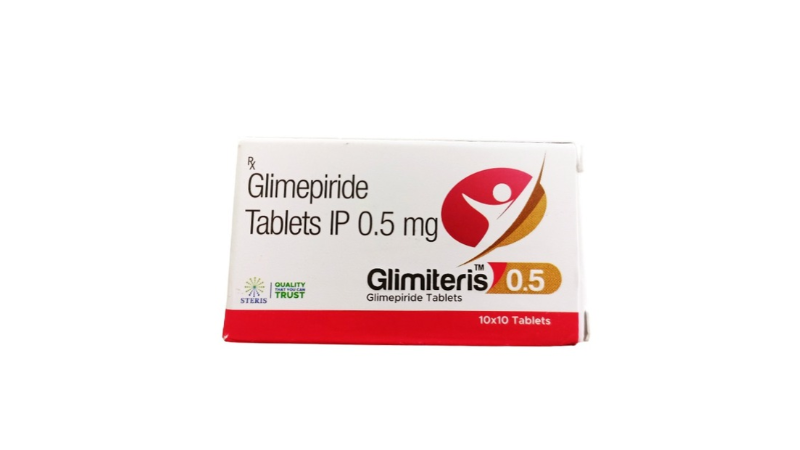
Glimepiride 0.5mg: Uses, Blood Sugar Control and Possible Side Effects
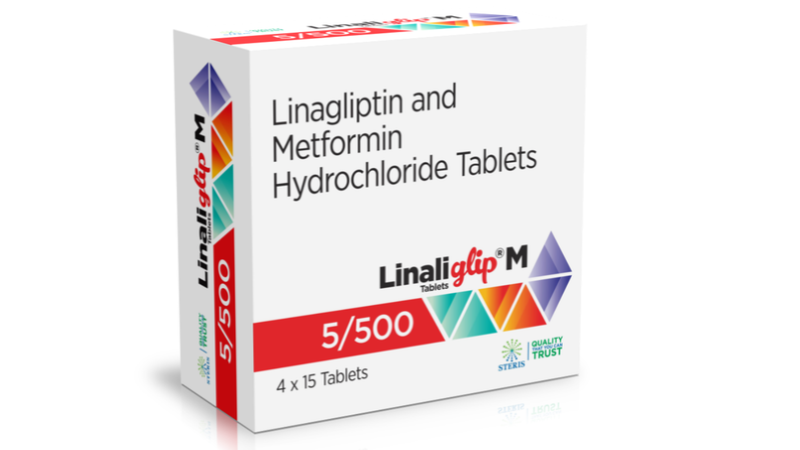
Linagliptin 5mg and Metformin Hydrochloride SR 500mg for Type 2 Diabetes
Eperisone Hydrochloride and Paracetamol Tablets: Uses, Benefits, Dosage
Phenoxymethylpenicillin Potassium 250 mg: Benefits, Safety and Common Side Effects

Sodium Hyaluronate Eye Drops for Dry Eyes
Levofloxacin Tablets IP 500 mg: Uses, Benefits, Side Effects & Price in India