




Dapagliflozin 5 mg & 10 mg Tablets – Uses, Benefits | GLIDAPAFLOZIN
Nov 28, 2026
Dapagliflozin 5 mg and 10 mg are prescription oral antidiabetic medicines belonging to the sodium-glucose cotransporter-2 (SGLT2) inhibitor class. They are primarily used to improve blood glucose control in adults with type 2 diabetes mellitus. Depending on the approved indication and individual patient profile, dapagliflozin may also be prescribed to reduce the risk of certain heart failure complications and slow the progression of chronic kidney disease.
With increasing awareness of diabetes management, cardiovascular health and kidney protection, dapagliflozin has become an important treatment option in modern clinical practice. Its glucose-lowering action is different from that of many traditional antidiabetic medicines because it works through the kidneys rather than directly stimulating insulin production.
1. What Is Dapagliflozin 5 mg and 10 mg?
Dapagliflozin is an oral medication that belongs to the SGLT2 inhibitor drug class. It helps lower blood glucose levels by reducing the reabsorption of filtered glucose in the kidneys.
Normally, the kidneys filter glucose from the blood and reabsorb most of it back into circulation. SGLT2 proteins are responsible for much of this glucose reabsorption. Dapagliflozin selectively inhibits these proteins, allowing more glucose to leave the body through urine.
This process is known as urinary glucose excretion or glucosuria.
The two strengths covered in this article are:
-
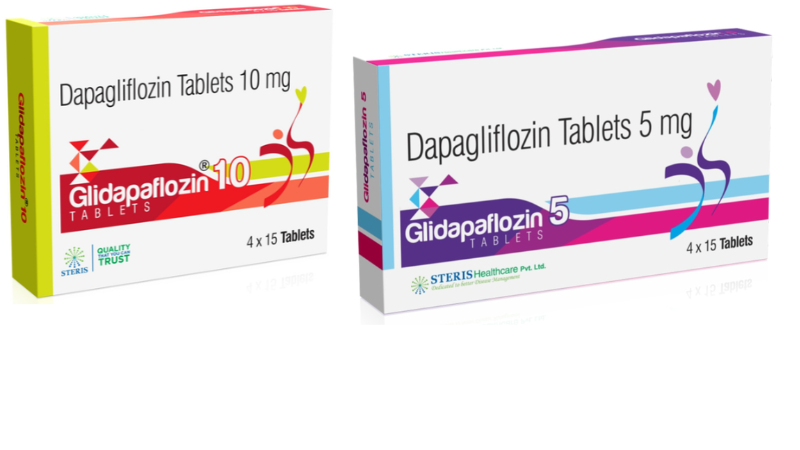
GLIDAPAFLOZIN 5: Dapagliflozin 5 mg tablets.
-
GLIDAPAFLOZIN 10: Dapagliflozin 10 mg tablets.
The appropriate strength depends on the treatment indication, kidney function, clinical response, tolerability and the prescribing doctor's assessment.
2. Product Overview: GLIDAPAFLOZIN 5 and GLIDAPAFLOZIN 10
GLIDAPAFLOZIN 5 – Dapagliflozin 5 mg
GLIDAPAFLOZIN 5 contains dapagliflozin 5 mg and is a prescription medicine used in selected adults with type 2 diabetes mellitus. It may be considered as an initial dose for improving glycaemic control when dapagliflozin is prescribed for this indication.
GLIDAPAFLOZIN 10 – Dapagliflozin 10 mg
GLIDAPAFLOZIN 10 contains dapagliflozin 10 mg. This strength is commonly used for approved indications involving type 2 diabetes, heart failure and chronic kidney disease, subject to the relevant prescribing information and patient-specific suitability.
|
Product detail |
GLIDAPAFLOZIN 5 |
GLIDAPAFLOZIN 10 |
|---|---|---|
|
Active ingredient |
Dapagliflozin |
Dapagliflozin |
|
Strength |
5 mg |
10 mg |
|
Drug class |
SGLT2 inhibitor |
SGLT2 inhibitor |
|
Dosage form |
Tablet |
Tablet |
|
Administration |
Oral |
Oral |
|
Main treatment area |
Type 2 diabetes |
Type 2 diabetes and other approved indications |
|
Prescription |
Required |
Required |
3. Why Is Dapagliflozin Important in Modern Diabetes Management?
Type 2 diabetes is a long-term metabolic condition in which the body cannot use insulin effectively or does not produce enough insulin to maintain healthy blood glucose levels.
Persistently elevated blood sugar can increase the risk of complications affecting several organs, including:
-
Heart and blood vessels.
-
Kidneys.
-
Eyes.
-
Nerves.
-
Feet and lower limbs.
Diabetes management therefore involves more than controlling blood glucose. Healthcare professionals also assess cardiovascular risk, kidney health, blood pressure, weight, lifestyle and other metabolic factors.
Dapagliflozin offers a different mechanism of glucose control by targeting SGLT2 proteins in the kidneys. Clinical research has also established important roles for dapagliflozin in reducing the risk of worsening heart failure and certain kidney-related outcomes in appropriately selected patients.
Its potential advantages make it a relevant option in comprehensive diabetes and cardiorenal risk management.
4. Uses and Indications of Dapagliflozin 5 mg and 10 mg
Dapagliflozin may be prescribed for different medical conditions depending on the patient's health status and the approved product indication.
A. Management of Type 2 Diabetes Mellitus
One of the primary uses of dapagliflozin is improving blood glucose control in adults with type 2 diabetes mellitus.
It works by increasing glucose elimination through urine, helping reduce elevated blood sugar levels. Doctors may prescribe it:
-
As an addition to diet and exercise.
-
Alongside metformin when additional glucose control is required.
-
In combination with other antidiabetic medicines when clinically appropriate.
-
For patients who require an alternative mechanism of glucose-lowering treatment.
B. Heart Failure Management
Dapagliflozin 10 mg has an established role in the management of certain adults with heart failure, including patients with and without type 2 diabetes.
Depending on the approved indication, it may help:
-
Reduce the risk of worsening heart failure.
-
Reduce heart-failure-related hospitalisation.
-
Support cardiovascular and kidney-related management.
-
Improve clinical outcomes in appropriately selected patients.
Importantly, dapagliflozin is not a replacement for other prescribed heart failure medicines.
C. Chronic Kidney Disease Management
Dapagliflozin 10 mg is also used in eligible adults with chronic kidney disease to help reduce the risk of disease progression and certain associated complications.
Its kidney-related benefits are particularly important because diabetes and cardiovascular conditions can contribute to declining kidney function.
Treatment suitability depends on estimated glomerular filtration rate (eGFR), the underlying kidney condition and the applicable prescribing guidelines.
D. Cardiovascular Risk Management
In certain adults with type 2 diabetes and cardiovascular risk factors, dapagliflozin may provide additional cardiovascular benefits, particularly in reducing the risk of heart failure hospitalisation.
It should be considered as part of an overall treatment strategy rather than a standalone solution for cardiovascular disease.
5. Key Benefits of GLIDAPAFLOZIN 5 and GLIDAPAFLOZIN 10
The potential benefits of dapagliflozin are related to its glucose-lowering mechanism and its established cardiorenal applications.
1. Helps Lower Blood Glucose Levels
Dapagliflozin increases urinary glucose excretion, helping reduce blood glucose levels in eligible adults with type 2 diabetes.
2. Works Independently of Insulin Secretion
Unlike some other antidiabetic medicines, dapagliflozin does not directly stimulate pancreatic insulin release. It works by inhibiting glucose reabsorption in the kidneys.
3. May Support Weight Management
Because some glucose calories are eliminated through urine, patients may experience modest weight reduction during treatment. However, individual results vary, and dapagliflozin is not a primary weight-loss medicine.
4. May Help Reduce Blood Pressure
Dapagliflozin can produce a mild reduction in blood pressure in some patients because of its glucose and sodium excretion effects. Blood pressure should still be monitored regularly.
5. Provides Important Heart Failure Benefits
For eligible patients, dapagliflozin can reduce the risk of worsening heart failure and associated hospitalisation.
6. Supports Kidney Protection in Eligible Patients
Clinical evidence supports its use in selected adults with chronic kidney disease to reduce the risk of certain kidney-related complications.
7. Convenient Once-Daily Administration
Dapagliflozin is generally administered once daily, making it convenient to incorporate into a prescribed long-term treatment routine.
6. How Does Dapagliflozin Work? Mechanism of Action
Understanding the mechanism of action of dapagliflozin helps explain why it is different from many traditional diabetes medicines.
The kidneys continuously filter blood to remove waste products and regulate fluid balance. During this process, glucose is filtered and normally reabsorbed into the bloodstream.
The SGLT2 protein, located in the proximal renal tubules, plays a major role in this glucose reabsorption.
Dapagliflozin selectively inhibits the SGLT2 transporter.
This produces the following effects:
-
Dapagliflozin reaches the kidneys after oral administration.
-
It selectively inhibits SGLT2 proteins.
-
Glucose reabsorption in the proximal renal tubules decreases.
-
More glucose passes into the urine.
-
Blood glucose levels decrease as urinary glucose elimination increases.
In addition to its glucose-lowering action, changes in sodium handling and kidney haemodynamics contribute to its cardiovascular and renal effects.
The glucose-lowering effectiveness of dapagliflozin depends partly on kidney function. This is why doctors assess kidney health before and during treatment.
7. Dapagliflozin 5 mg vs Dapagliflozin 10 mg: What Is the Difference?
Both strengths contain the same active ingredient, but their dosing roles can differ.
Comparison
Dapagliflozin 5 mg
Dapagliflozin 10 mg
Product
GLIDAPAFLOZIN 5
GLIDAPAFLOZIN 10
Strength
5 mg
10 mg
Common dosing role
Starting dose for glucose control
Increased glucose-control dose or standard dose for other approved indications
Administration
Once daily
Once daily
Main consideration
Glycaemic response and tolerability
Indication-specific benefits and patient suitability
Which is better: dapagliflozin 5 mg or 10 mg?
Neither strength is universally better. The appropriate dose depends on the medical condition being treated.
For glycaemic control in adults with type 2 diabetes, prescribing information commonly recommends starting at 5 mg once daily and increasing to 10 mg if additional glucose control is needed and the patient is suitable.
For heart failure and chronic kidney disease indications covered by the relevant prescribing information, 10 mg once daily is generally the recommended dose.
A patient should never increase the dose from 5 mg to 10 mg without consulting the prescribing doctor.
Access Data+1
8. Recommended Dosage and Administration Guidelines
Dapagliflozin should be taken according to the prescription and the specific indication.
General dosage information
-
Dapagliflozin 5 mg: Commonly used as the starting dose for improving blood glucose control in eligible adults with type 2 diabetes.
-
Dapagliflozin 10 mg: May be prescribed for additional glycaemic control or for eligible heart failure and chronic kidney disease indications.
-
How to take dapagliflozin tablets
-
Take the tablet orally with water.
-
It can generally be taken with or without food.
-
Take it at approximately the same time each day.
-
Swallow the tablet according to the product instructions.
-
Continue dietary and lifestyle recommendations provided by the healthcare professional.
-
What if you miss a dose?
If you forget a dose, follow the instructions in the patient information leaflet or consult your pharmacist. Generally, a missed dose should be taken when remembered unless it is almost time for the next dose.
Do not take a double dose to compensate for a missed tablet.
How long should dapagliflozin be taken?
The duration depends on the underlying medical condition and treatment response. Diabetes, heart failure and chronic kidney disease often require long-term management.
Do not discontinue treatment without medical advice, even if blood glucose readings improve.
9. Possible Side Effects of Dapagliflozin
Like other prescription medicines, dapagliflozin may cause side effects. Not every patient experiences them, and their severity can vary.
Common side effects
1. Genital Fungal Infections
Increased glucose in urine can encourage fungal growth, potentially causing genital yeast infections.
Possible symptoms include:
-
Itching.
-
Redness.
-
Irritation.
-
Unusual discharge.
-
Discomfort in the genital area.
-
2. Increased Urination
Dapagliflozin increases glucose and associated water elimination through urine. Some patients may experience more frequent urination.
3. Urinary Tract Infections
Some patients may develop urinary tract infections. Symptoms can include:
-
Burning during urination.
-
Frequent urge to urinate.
-
Lower abdominal discomfort.
-
Cloudy urine.
-
4. Dehydration
Increased fluid loss may cause dehydration, particularly in older adults or people taking diuretics.
5. Dizziness
Changes in fluid balance or blood pressure may cause dizziness, especially when standing up.
6. Thirst
Some patients may experience increased thirst due to fluid loss.
Serious side effects requiring medical attention
Important safety information
-
Diabetic ketoacidosis (DKA): May cause nausea, vomiting, abdominal pain, unusual tiredness or difficulty breathing. It can occur even when blood glucose is not extremely elevated.
-
Severe dehydration: May cause fainting, marked weakness or significant dizziness.
-
Serious urinary infections: Fever, chills, back pain or painful urination may indicate a serious infection.
-
Necrotising fasciitis of the perineum: A rare but serious infection requiring emergency medical treatment.
-
Hypoglycaemia: The risk may increase when dapagliflozin is combined with insulin or sulfonylureas.
-
Acute kidney problems: Severe dehydration or other medical conditions can contribute to kidney injury.
-
Individuals with a history of serious hypersensitivity to dapagliflozin.
-
Patients with type 1 diabetes.
-
Individuals with active diabetic ketoacidosis.
-
Patients experiencing severe dehydration.
-
People with significant kidney impairment, depending on the intended indication.
-
Pregnant or breastfeeding women.
-
Patients with recurrent or serious genital infections.
-
Individuals undergoing major surgery or prolonged fasting.
-
The prescribing doctor must evaluate the patient's medical condition before recommending treatment.
14. Monitoring During Dapagliflozin Treatment
Regular medical monitoring helps assess treatment effectiveness and identify possible complications.
Important monitoring parameters include:
Monitoring parameter
Why it matters
Blood glucose
Evaluates diabetes control
HbA1c
Measures average blood glucose over approximately 2–3 months
Serum creatinine
Helps assess kidney function
eGFR
Evaluates kidney filtration capacity
Blood pressure
Helps identify low blood pressure
Hydration status
Detects possible fluid depletion
Urinary symptoms
Helps identify urinary infections
Genital symptoms
Helps identify fungal infections
The frequency of monitoring should be determined by the treating healthcare professional.
15. Lifestyle Recommendations Alongside Dapagliflozin
Medicines are an important part of diabetes management, but healthy lifestyle habits also contribute to better long-term outcomes.
Patients taking GLIDAPAFLOZIN 5 or GLIDAPAFLOZIN 10 should consider the following recommendations under medical guidance:
Maintain a balanced diet: Include vegetables, whole grains, fibre-rich foods and appropriate protein sources. Limit excessive sugar and refined carbohydrates.
Exercise regularly: Walking, cycling and other suitable physical activities can support blood glucose management.
Maintain adequate hydration: Drink sufficient water unless fluid intake is restricted by a healthcare professional.
Monitor blood glucose: Follow the recommended glucose-monitoring schedule.
Maintain a healthy weight: Weight management can improve overall metabolic health.
Avoid smoking: Smoking increases cardiovascular risk and can worsen diabetes-related complications.
Attend regular check-ups: Routine medical appointments help monitor diabetes, kidney function and cardiovascular health.
Seek urgent medical assistance if symptoms suggest a serious adverse reaction.
10. Precautions and Warnings Before Taking Dapagliflozin
Before starting GLIDAPAFLOZIN 5 or GLIDAPAFLOZIN 10, patients should inform their healthcare professional about their complete medical history.
Kidney function
Kidney function should be assessed before starting treatment and monitored when clinically appropriate. The suitability of dapagliflozin depends on the indication and eGFR.
Low blood pressure
Patients with low blood pressure or a history of dehydration may require additional assessment before treatment.
Older adults
Older patients may have a higher risk of dehydration, low blood pressure and kidney-related complications.
Pregnancy and breastfeeding
Dapagliflozin is generally not recommended during pregnancy, particularly during the second and third trimesters, because of potential effects on fetal kidney development. Breastfeeding suitability should also be discussed with a doctor.
Type 1 diabetes
Dapagliflozin is not recommended for improving blood glucose control in patients with type 1 diabetes because of the risk of diabetic ketoacidosis.
Surgery and prolonged fasting
Dapagliflozin may need to be temporarily withheld before major surgery or procedures involving prolonged fasting because of the risk of ketoacidosis. Follow the treating doctor's instructions.
Alcohol consumption
Alcohol may increase the risk of dehydration and contribute to ketoacidosis in certain circumstances. Discuss alcohol consumption with a healthcare professional.
11. Drug Interactions: Medicines That Require Attention
Dapagliflozin may be prescribed alongside other medicines, but certain combinations require additional monitoring.
Medicine or drug category
Important consideration
Insulin
Increased risk of hypoglycaemia
Sulfonylureas
May increase the risk of low blood sugar
Diuretics
Increased possibility of dehydration and low blood pressure
Lithium
Dapagliflozin may alter lithium concentrations
Other antidiabetic medicines
Blood glucose monitoring may be required
12. Clinical Evidence and Effectiveness of Dapagliflozin
Dapagliflozin has been evaluated in several large clinical research programmes investigating diabetes, cardiovascular outcomes and kidney disease.
Important clinical research includes:
DAPA-CKD Trial
The DAPA-CKD clinical trial investigated dapagliflozin in patients with chronic kidney disease, including people with and without type 2 diabetes. The findings demonstrated a reduction in the risk of important kidney and cardiovascular outcomes in the studied population.
13. Who Should Avoid or Use Dapagliflozin With Caution?
Dapagliflozin is not suitable for everyone.
Patients who require careful medical assessment include:
Frequently Asked Questions
Q1. What is dapagliflozin 5 mg used for?
Dapagliflozin 5 mg is used to improve blood glucose control in adults with type 2 diabetes mellitus, alongside diet and exercise. It may be used alone or with other antidiabetic medicines when prescribed.
Q2. What is dapagliflozin 10 mg used for?
Dapagliflozin 10 mg is used for type 2 diabetes and, in eligible adults, certain heart failure and chronic kidney disease indications, depending on the approved prescribing information.
Q3. What is GLIDAPAFLOZIN 5?
GLIDAPAFLOZIN 5 is the Steris Healthcare product name provided for dapagliflozin 5 mg tablets.
Q4. What is GLIDAPAFLOZIN 10?
GLIDAPAFLOZIN 10 is the Steris Healthcare product name provided for dapagliflozin 10 mg tablets.
Q5. How does dapagliflozin lower blood sugar?
It inhibits the SGLT2 protein in the kidneys, reducing glucose reabsorption and increasing the amount of glucose eliminated through urine.
Q6. Can dapagliflozin 5 mg be increased to 10 mg?
Yes, a doctor may increase the dose from 5 mg to 10 mg when additional glucose control is needed and the patient is suitable. Never change the dose independently.
Q7. Is dapagliflozin 10 mg stronger than dapagliflozin 5 mg?
Dapagliflozin 10 mg contains twice the amount of the active ingredient present in the 5 mg tablet. However, the best strength depends on the treatment indication and individual medical assessment.
Q8. Is dapagliflozin taken before or after food?
Dapagliflozin can generally be taken with or without food. Follow the prescribed instructions.
Q9. Can dapagliflozin be taken once daily?
Yes. It is generally prescribed once daily, at approximately the same time each day.
Q10. Does dapagliflozin help with weight loss?
Some patients experience modest weight reduction because glucose and calories are eliminated through urine. However, it is not primarily a weight-loss medication.
Q11. Does dapagliflozin protect the kidneys?
Clinical studies have demonstrated kidney-protective benefits in eligible adults with chronic kidney disease. Its suitability depends on kidney function and the specific clinical indication.
Q12. Can dapagliflozin help heart failure patients?
Yes. Dapagliflozin 10 mg has an established role in treating eligible adults with heart failure, including those without diabetes, when prescribed according to approved indications.
Q13. What are the common side effects of dapagliflozin?
Common side effects include genital fungal infections, increased urination, urinary tract infections, thirst and dehydration.
Q14. Does dapagliflozin cause low blood sugar?
Dapagliflozin alone generally has a low risk of hypoglycaemia. However, the risk increases when it is combined with insulin or sulfonylureas.
Q15. Can dapagliflozin be used in type 1 diabetes?
It is not recommended for improving blood glucose control in type 1 diabetes because of the risk of diabetic ketoacidosis.
Q16. Is dapagliflozin safe for patients with kidney disease?
It may be prescribed to eligible patients with chronic kidney disease, but kidney function and the specific indication must be assessed by a doctor.
Q17. What happens if I miss a dose of dapagliflozin?
Follow the patient leaflet or ask your pharmacist. Do not take two tablets together to compensate for a missed dose.
Q18. Can dapagliflozin be taken with metformin?
Yes. Doctors may prescribe dapagliflozin alongside metformin when additional glucose control is required and the combination is clinically appropriate.
Q19. Should dapagliflozin be stopped before surgery?
It may need to be temporarily discontinued before surgery or procedures involving prolonged fasting because of the risk of ketoacidosis. Follow your doctor's instructions.
Q20. Can dapagliflozin be taken by elderly patients?
It may be prescribed to eligible older adults, but additional attention to kidney function, hydration status and blood pressure is important.
For Further More Information:
Mail Us: contact@sterispharma.com or info@sterispharma.com
Call Now: +918824175417, +919982524671
Recent Post

Obeticholic Acid 10mg: Liver-Related Uses, Risks and Safety Information

Multi-Ingredient Face Wash: Benefits of Niacinamide, Glycolic Acid and Salicylic Acid
Venlafaxine 37.5 mg: Uses, Benefits, Side Effects & Precautions
Glimepiride 0.5mg: Uses, Blood Sugar Control and Possible Side Effects
Linagliptin 5mg and Metformin Hydrochloride SR 500mg for Type 2 Diabetes
Eperisone Hydrochloride and Paracetamol Tablets: Uses, Benefits, Dosage
Phenoxymethylpenicillin Potassium 250 mg: Benefits, Safety and Common Side Effects
Sodium Hyaluronate Eye Drops for Dry Eyes

Levofloxacin Tablets IP 500 mg: Uses, Benefits, Side Effects & Price in India
Atorvastatin 80 mg Tablets IP – Uses, Benefits, Side Effects & Price in India