


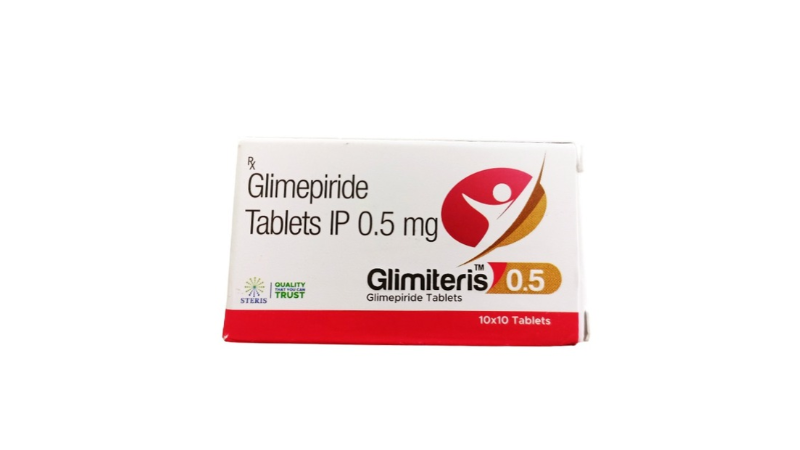


Glimepiride 0.5mg: Uses, Blood Sugar Control and Possible Side Effects
Nov 28, 2026
Introduction to Glimepiride IP 0.5mg
Glimepiride IP 0.5mg is an oral antidiabetic medicine belonging to the sulfonylurea class. It is prescribed to help manage blood glucose levels in adults with type 2 diabetes mellitus when diet, physical activity and other appropriate measures are not sufficient to achieve the desired glycemic control.
Glimepiride works by stimulating the pancreatic beta cells to release insulin, helping the body regulate elevated blood glucose levels. The 0.5mg strength provides a low-strength formulation that may be considered by healthcare professionals when an individualized treatment approach requires this strength.
Managing type 2 diabetes involves maintaining appropriate blood glucose levels, following a balanced diet, exercising regularly and taking prescribed medication consistently. Glimepiride IP 0.5mg may form part of a comprehensive diabetes management plan for selected patients.
For patients, pharmacists and pharmaceutical buyers researching Glimepiride tablets, understanding the medicine's therapeutic uses, potential benefits, side effects and precautions is essential before considering treatment or procurement.
What Are the Uses of Glimepiride IP 0.5mg?
The primary use of Glimepiride IP 0.5mg is the management of type 2 diabetes mellitus in adults when prescribed by a qualified healthcare professional.
Its therapeutic applications include:
1. Management of Type 2 Diabetes
Glimepiride helps improve blood glucose control in adults with type 2 diabetes by stimulating insulin release from the pancreas. It may be prescribed when lifestyle modifications alone do not provide adequate glycemic control.
2. Supporting Blood Glucose Regulation
By increasing insulin secretion, Glimepiride helps the body lower elevated blood glucose levels. It may be used as part of a broader diabetes management programme.
3. Supporting Glycemic Control Alongside Diet and Exercise
Medication works most effectively as part of a comprehensive diabetes management plan. A balanced diet, regular physical activity and appropriate glucose monitoring remain important components of treatment.
4. Individualized Diabetes Treatment
The 0.5mg strength may be considered by a prescriber for selected patients based on their glucose levels, previous treatment response and risk of hypoglycemia. The suitability of this strength must be established clinically rather than assumed from the strength alone.
Glimepiride is not indicated for treating type 1 diabetes mellitus or diabetic ketoacidosis.
How Does Glimepiride IP 0.5mg Work?
Understanding the mechanism of action of Glimepiride helps explain its role in type 2 diabetes management.
Glimepiride belongs to the sulfonylurea class and stimulates insulin secretion from pancreatic beta cells.
Its mechanism involves the following steps:
-
Glimepiride binds to sulfonylurea receptors (SUR1) on pancreatic beta cells.
-
This action closes ATP-sensitive potassium channels.
-
The resulting change in cell membrane potential opens voltage-dependent calcium channels.
-
Increased intracellular calcium stimulates insulin release.
-
The released insulin helps reduce elevated blood glucose levels.
Through this mechanism, Glimepiride supports the body's natural insulin response.
Because it stimulates insulin release, it can also cause hypoglycemia, particularly when meals are missed, physical activity increases unexpectedly or the prescribed dose is inappropriate.
Key Benefits of Glimepiride IP 0.5mg
Glimepiride IP 0.5mg offers several potential therapeutic benefits when prescribed to suitable adults with type 2 diabetes.
1. Helps Improve Blood Glucose Control
Glimepiride stimulates insulin secretion, helping the body manage elevated blood glucose levels. It can support improved glycemic control when combined with appropriate lifestyle modifications.
2. Supports Pancreatic Insulin Secretion
Unlike medicines that primarily reduce glucose production in the liver, Glimepiride works by stimulating pancreatic beta cells to release insulin.
This makes it useful for patients who retain sufficient pancreatic beta-cell function.
3. Low-Strength Treatment Option
The 0.5mg formulation offers a lower tablet strength that may provide flexibility for individualized prescribing.
However, a lower strength does not eliminate the risk of hypoglycemia. The appropriate dose must be determined by the treating doctor.
4. Convenient Oral Administration
Glimepiride is available as an oral tablet, making it convenient to incorporate into a prescribed diabetes management routine.
5. Can Be Used in Combination Therapy
In selected patients, healthcare professionals may prescribe Glimepiride alongside other antidiabetic medicines when additional glucose control is required.
The combination must be carefully selected to minimize adverse effects, particularly hypoglycemia.
6. Supports Long-Term Diabetes Management
When used appropriately, alongside dietary management, physical activity and regular medical follow-ups, Glimepiride can contribute to the ongoing management of type 2 diabetes.
Important: These benefits describe the medicine's therapeutic role. They are not guarantees of treatment outcomes, and Glimepiride does not cure diabetes.
Possible Side Effects of Glimepiride IP 0.5mg
Like other antidiabetic medicines, Glimepiride IP 0.5mg may cause side effects. Their occurrence varies depending on individual health conditions, dosage, meals and other medications.
Common side effects
Some possible side effects include:
-
Hypoglycemia (low blood sugar)
-
Headache
-
Dizziness
-
Nausea
-
Weight gain
-
Gastrointestinal discomfort
Hypoglycemia is particularly important because Glimepiride stimulates insulin secretion.
Understanding Hypoglycemia
Hypoglycemia occurs when blood glucose levels become too low.
Common warning signs include:
-
Excessive sweating
-
Shaking or trembling
-
Sudden hunger
-
Palpitations
-
Dizziness
-
Confusion
-
Weakness
-
Difficulty concentrating
If a patient is conscious and able to swallow, suspected mild hypoglycemia is generally treated with 15g of fast-acting glucose or carbohydrate, followed by a blood glucose recheck after 15 minutes. Repeat if still low. Severe hypoglycemia, unconsciousness or inability to swallow requires emergency medical assistance; nothing should be given by mouth to an unconscious person.
Serious but uncommon side effects
Patients should also be aware of potentially serious adverse reactions:
1. Severe hypoglycemia: Very low blood glucose can cause seizures, unconsciousness or other medical emergencies.
2. Allergic reactions: Rash, itching, swelling or difficulty breathing may indicate hypersensitivity. Severe reactions require immediate medical attention.
3. Blood disorders: Rarely, Glimepiride may be associated with blood-related adverse reactions, including hemolytic anaemia, particularly in patients with G6PD deficiency.
4. Liver-related reactions: Rare liver abnormalities and jaundice have been reported. Unusual yellowing of the skin or eyes requires medical assessment.
5. Skin reactions: Serious skin reactions, including rare severe allergic skin conditions, require prompt medical attention.
The prescribing information identifies hypoglycemia, headache, nausea and dizziness among reported adverse reactions.
Dosage and Administration of Glimepiride IP 0.5mg
The appropriate dosage of Glimepiride depends on the patient's blood glucose levels, medical history, kidney and liver function, age and response to treatment.
A healthcare professional should determine the appropriate dose.
Some important administration considerations include:
-
Take the medicine according to the prescribed schedule.
-
Glimepiride is generally administered with breakfast or the first main meal of the day.
-
Avoid skipping meals after taking the medicine.
-
Monitor blood glucose as advised by the healthcare professional.
-
Do not independently increase, reduce or discontinue the prescribed dose.
Important dosage clarification: The 0.5mg strength is not a universal starting dose. Some official prescribing information recommends 1mg or 2mg as the usual adult starting dose, with lower-dose considerations for particular patients under clinical supervision. Do not use the dosage of another Glimepiride formulation as an automatic recommendation for a 0.5mg product.
Precautions Before Taking Glimepiride IP 0.5mg
Before beginning treatment, patients should inform their doctor about existing health conditions and other medications.
Kidney problems
Patients with impaired kidney function may have an increased risk of prolonged or severe hypoglycemia. Treatment requires careful assessment and monitoring.
Liver disease
Patients with liver impairment should receive an appropriate medical evaluation before using Glimepiride.
Elderly patients
Older adults may be more vulnerable to hypoglycemia. Conservative prescribing and regular monitoring are important.
Pregnancy and breastfeeding
Glimepiride may not be appropriate during pregnancy or breastfeeding. Treatment should be reviewed by a healthcare professional, who can recommend an appropriate alternative where necessary.
Alcohol consumption
Alcohol may increase or decrease the glucose-lowering effect unpredictably and can increase the risk of hypoglycemia. Patients should discuss alcohol consumption with their doctor.
Drug interactions
Certain medicines can affect blood glucose levels or alter Glimepiride exposure. Patients should disclose all prescription medicines, supplements and over-the-counter products.
G6PD deficiency
Patients with glucose-6-phosphate dehydrogenase deficiency should inform their doctor because Glimepiride may increase the risk of hemolytic anaemia.
Why Is Product Quality Important?
Pharmaceutical quality is essential for ensuring that medicines meet their approved specifications.
Buyers should verify the product's identity, strength, manufacturing information, batch traceability and applicable regulatory documentation before procurement.
For B2B pharmaceutical purchases, requesting product specifications, available quality documentation and commercial quotations from authorized suppliers can help support informed purchasing decisions.
The product should be procured and supplied in accordance with applicable Indian pharmaceutical regulations and prescription requirements.
Who Should Use Glimepiride IP 0.5mg?
Glimepiride IP 0.5mg may be considered for selected adults with type 2 diabetes when a healthcare professional determines that this strength is appropriate for their treatment requirements.
It may be considered as part of an individualized treatment plan based on:
-
Existing blood glucose levels.
-
HbA1c results.
-
Previous antidiabetic treatment.
-
Risk of hypoglycemia.
-
Kidney and liver function.
-
Other medical conditions and prescribed medicines.
It should not be used without medical advice, and it is not suitable for patients with type 1 diabetes or diabetic ketoacidosis.
Conclusion
Glimepiride IP 0.5mg is a low-strength oral antidiabetic formulation belonging to the sulfonylurea class. It works by stimulating insulin secretion from pancreatic beta cells, helping improve blood glucose control in selected adults with type 2 diabetes.
Its potential therapeutic benefits include supporting insulin secretion, improving glycemic control, offering flexibility in individualized treatment and providing convenient oral administration.
However, patients should understand the potential risks, particularly hypoglycemia, weight gain, dizziness and gastrointestinal discomfort. Kidney function, liver health, age, dietary habits and other medications should be considered before treatment.
For pharmacists, distributors and pharmaceutical procurement professionals, verifying the exact composition, manufacturer credentials, manufacturing licence, packaging integrity and quality documentation is equally important.
In conclusion, Glimepiride IP 0.5mg can be a useful option in the management of type 2 diabetes when appropriately prescribed, quality-assured and combined with healthy lifestyle practices and regular medical monitoring. Always consult a qualified healthcare professional before starting or modifying treatment.
Frequently Asked Questions
These FAQs address common search questions and conversational queries related to Glimepiride uses, benefits, safety and purchasing considerations.
1. What is Glimepiride IP 0.5mg used for?
Glimepiride IP 0.5mg is an oral antidiabetic medicine used to help manage blood glucose levels in adults with type 2 diabetes mellitus. It belongs to the sulfonylurea class and works by stimulating insulin secretion from pancreatic beta cells.
2. What are the main benefits of Glimepiride 0.5mg tablets?
The main potential benefits include improved insulin secretion, support for blood glucose regulation, flexibility in individualized treatment and convenient oral administration. It can contribute to diabetes management when combined with an appropriate diet, exercise and medical supervision.
3. What are the common side effects of Glimepiride IP 0.5mg?
Common or reported side effects include hypoglycemia, headache, dizziness, nausea and weight gain. Severe hypoglycemia and allergic reactions are important risks that require prompt medical attention.
4. Does Glimepiride 0.5mg reduce blood sugar levels?
Yes. Glimepiride stimulates insulin release from pancreatic beta cells, helping lower elevated blood glucose levels. Its effectiveness depends on pancreatic beta-cell function and individual treatment response.
5. Is Glimepiride IP 0.5mg suitable for type 2 diabetes?
It may be suitable for selected adults with type 2 diabetes when prescribed by a healthcare professional. The doctor evaluates blood glucose levels, medical history, kidney function and the risk of hypoglycemia before recommending treatment.
6. When should Glimepiride 0.5mg be taken?
Glimepiride is generally taken with breakfast or the first main meal of the day. Patients should follow their prescribed schedule and avoid skipping meals because this medicine can cause low blood sugar.
7. Can Glimepiride IP 0.5mg cause low blood sugar?
Yes. Hypoglycemia is one of the most important potential side effects of Glimepiride. Symptoms include sweating, trembling, dizziness, hunger and confusion. Patients should monitor their blood glucose and follow their doctor's instructions for managing low blood sugar.
8. Can Glimepiride 0.5mg be taken with Metformin?
Yes, healthcare professionals may prescribe Glimepiride and Metformin together for selected adults with type 2 diabetes. They work through different mechanisms, but the combination requires appropriate dosing and monitoring because of the risk of hypoglycemia from Glimepiride.
9. Does Glimepiride 0.5mg cause weight gain?
Glimepiride may cause weight gain in some patients because it increases insulin secretion. Individual responses differ. A balanced diet, physical activity and regular medical monitoring can support diabetes management.
10. What precautions should be followed while taking Glimepiride IP 0.5mg?
Patients should avoid skipping meals, monitor blood glucose regularly, inform their doctor about kidney or liver problems, disclose other medications and avoid changing the prescribed dosage independently. Older adults and people with kidney impairment may require particularly careful monitoring.
11. What should buyers check before purchasing Glimepiride IP 0.5mg?
Buyers should verify the exact composition, manufacturer information, applicable manufacturing licence, batch number, manufacturing and expiry dates, packaging integrity and quality documentation. Procurement should be completed through authorized pharmaceutical suppliers.
12. Is Glimepiride IP 0.5mg suitable for long-term diabetes management?
It may be prescribed as part of long-term type 2 diabetes management when clinically appropriate. Regular HbA1c testing, blood glucose monitoring and medical follow-ups are important to evaluate effectiveness and safety.
Recent Post
Linagliptin 5mg and Metformin Hydrochloride SR 500mg for Type 2 Diabetes
Eperisone Hydrochloride and Paracetamol Tablets: Uses, Benefits, Dosage
Phenoxymethylpenicillin Potassium 250 mg: Benefits, Safety and Common Side Effects
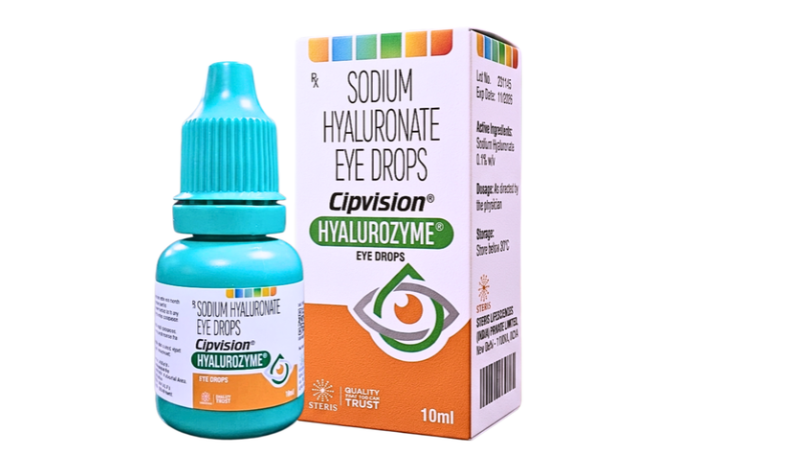
Sodium Hyaluronate Eye Drops for Dry Eyes
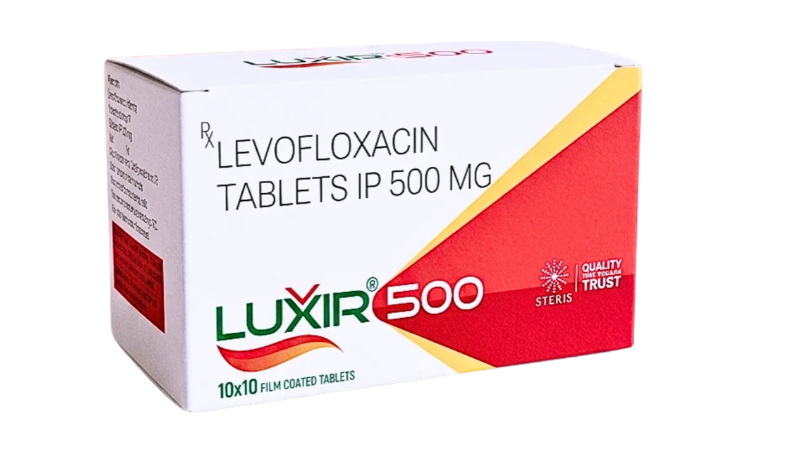
Levofloxacin Tablets IP 500 mg: Uses, Benefits, Side Effects & Price in India
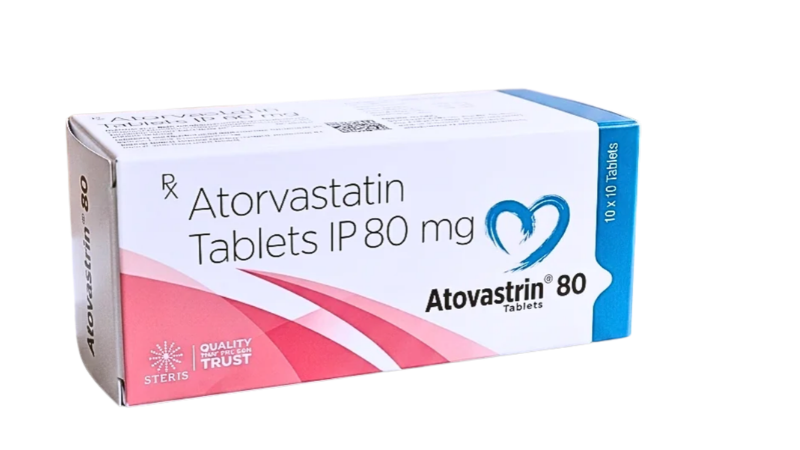
Atorvastatin 80 mg Tablets IP – Uses, Benefits, Side Effects & Price in India
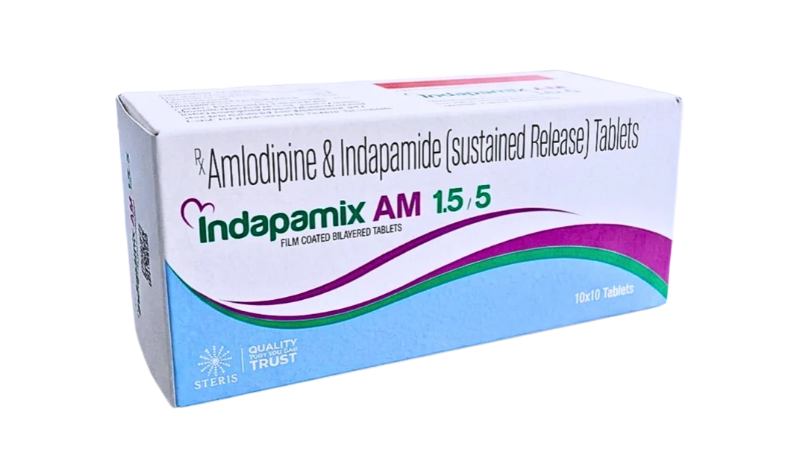
Amlodipine 5 mg And Indapamide 1.5 mg Sustained Release Tablets
Voglibose 0.2 mg and Repaglinide 1 mg Tablets IP: Uses, Benefits, Dosage and Side Effects

L-Methyl Folate,Methylcobalamin,Pyridoxal-5-Phosphate,DHA & Vitamin D3 Soft Gelatin Capsules
Glutathione With Vitamin C Tablets: Complete Guide to Skin Health