


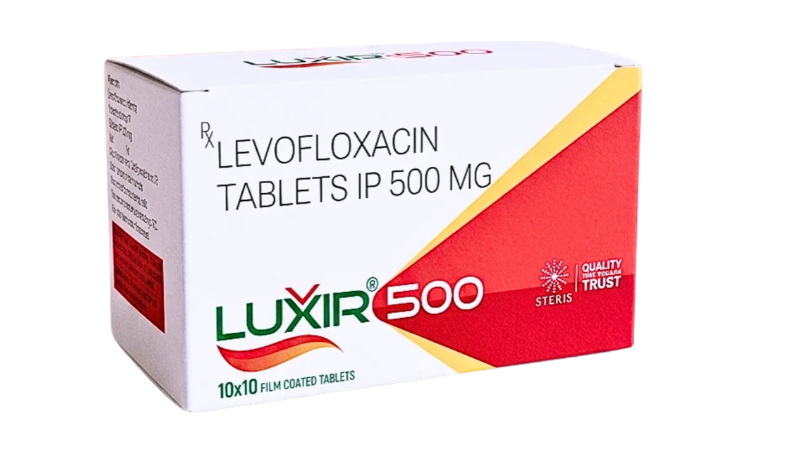


Levofloxacin Tablets IP 500 mg: Uses, Benefits, Side Effects & Price in India
Nov 27, 2026
Product Overview
Levofloxacin Tablets IP 500 mg is a prescription antibiotic belonging to the fluoroquinolone class of antibacterial medicines. It contains levofloxacin, an active pharmaceutical ingredient used to treat certain bacterial infections caused by susceptible microorganisms.
Levofloxacin works by inhibiting essential bacterial enzymes called DNA gyrase and topoisomerase IV. These enzymes play an important role in bacterial DNA replication, repair, and maintenance. By interfering with these processes, levofloxacin prevents susceptible bacteria from multiplying and helps eliminate bacterial infections.
Levofloxacin 500 mg may be prescribed for certain respiratory tract infections, urinary tract infections, skin and soft tissue infections, and other susceptible bacterial infections, depending on the approved product information and clinical assessment.
The medicine is not effective against viral infections such as the common cold, influenza, or most viral sore throats.
What Are Levofloxacin Tablets IP 500 mg Used For?
Levofloxacin Tablets IP 500 mg are used to treat certain bacterial infections when the causative bacteria are susceptible to the medicine.
Common approved or recognized clinical uses, depending on local prescribing information, include:
1. Respiratory Tract Infections
Levofloxacin may be prescribed for selected bacterial respiratory infections, including certain cases of community-acquired pneumonia and acute bacterial exacerbations of chronic bronchitis.
It works by interfering with bacterial DNA processes, helping control susceptible bacterial infections.
2. Urinary Tract Infections (UTIs)
Levofloxacin may be used for selected urinary tract infections caused by susceptible bacteria. Its use depends on the infection type, bacterial sensitivity, patient history, and available alternative antibiotics.
3. Kidney Infections
Certain cases of acute pyelonephritis, an infection involving the kidneys, may be treated with levofloxacin when the responsible bacteria are susceptible and the medicine is clinically appropriate.
4. Skin and Soft Tissue Infections
Levofloxacin may be prescribed for certain bacterial skin and soft tissue infections, depending on the organism responsible and the patient's clinical condition.
5. Chronic Bacterial Prostatitis
Levofloxacin is also an established treatment option for selected cases of chronic bacterial prostatitis caused by susceptible microorganisms.
Composition of Levofloxacin Tablets IP 500 mg
Each tablet contains:
| Ingredient | Strength | Category |
|---|---|---|
| Levofloxacin | 500 mg | Fluoroquinolone Antibiotic |
Levofloxacin is the active pharmaceutical ingredient responsible for the antibacterial activity. Other inactive ingredients depend on the individual manufacturer's approved formulation.
How Does Levofloxacin 500 mg Work?
Levofloxacin belongs to the fluoroquinolone group of antibiotics. It works by inhibiting two bacterial enzymes:
- DNA gyrase.
- Topoisomerase IV.
These enzymes are essential for bacterial DNA replication and cell division.
When levofloxacin blocks their activity, bacteria cannot properly replicate or maintain their genetic material. This results in antibacterial activity against susceptible organisms.
Its mechanism of action makes levofloxacin useful for selected infections involving susceptible bacteria.
However, bacterial resistance can reduce its effectiveness. This is why antibiotics should only be used when medically indicated.
Key Benefits of Levofloxacin Tablets IP 500 mg
The following benefits describe its established antibacterial properties and potential clinical applications when appropriately prescribed.
1. Broad Antibacterial Activity
Levofloxacin has activity against a range of susceptible Gram-positive and Gram-negative bacteria. Its clinical usefulness depends on the microorganism responsible for the infection and its antibiotic susceptibility.
2. Supports Treatment of Certain Respiratory Infections
Levofloxacin can be used in selected bacterial respiratory infections, including certain cases of community-acquired pneumonia.
3. Useful for Selected Urinary Tract Infections
The medicine may be prescribed for certain complicated urinary tract infections and kidney infections caused by susceptible bacteria.
4. Established Antibacterial Mechanism
Its action against bacterial DNA gyrase and topoisomerase IV provides a well-characterized mechanism for inhibiting bacterial growth and survival.
5. Oral Tablet Formulation
The oral tablet formulation provides a convenient route of administration for patients who have been prescribed oral antibiotic treatment.
6. Multiple Clinical Applications
Depending on approved indications and susceptibility results, levofloxacin may be used in the management of selected respiratory, urinary, skin, and other bacterial infections.
Possible Side Effects of Levofloxacin Tablets IP 500 mg
Like other prescription antibiotics, Levofloxacin Tablets IP 500 mg may cause side effects. Their severity and occurrence vary between patients.
Common Side Effects
Potential side effects include:
- Nausea.
- Diarrhoea.
- Headache.
- Dizziness.
- Vomiting.
- Abdominal discomfort.
- Difficulty sleeping.
- Constipation.
Patients should inform their doctor if side effects persist or become troublesome.
Serious Side Effects and Important Safety Warnings
Levofloxacin carries important safety warnings. Some adverse reactions can be serious, long-lasting, or potentially irreversible.
1. Tendinitis and Tendon Rupture
Levofloxacin may increase the risk of tendon inflammation and tendon rupture, particularly involving the Achilles tendon.
The risk may be higher in older adults, patients taking corticosteroids, and people with kidney disease or a history of organ transplantation.
Patients should seek medical advice immediately if tendon pain, swelling, or inflammation develops.
2. Peripheral Neuropathy
The medicine can cause nerve damage involving the arms or legs. Symptoms may include:
- Burning sensations.
- Tingling.
- Numbness.
- Pain.
- Weakness.
These symptoms may develop during treatment and can sometimes persist.
3. Central Nervous System Effects
Possible reactions include confusion, agitation, tremors, anxiety, hallucinations, seizures, and other neurological or psychiatric symptoms.
4. Heart Rhythm Changes
Levofloxacin can prolong the QT interval in susceptible patients, potentially increasing the risk of serious abnormal heart rhythms.
5. Blood Glucose Changes
Levofloxacin may cause changes in blood glucose, including low or high blood sugar, particularly in patients with diabetes taking glucose-lowering medicines.
6. Severe Allergic Reactions
Serious allergic reactions can occur, sometimes even after the first dose. Symptoms may include breathing difficulties, facial swelling, and severe skin reactions.
7. Antibiotic-Associated Diarrhoea
Persistent or severe diarrhoea may indicate an antibiotic-associated intestinal infection, including Clostridioides difficile infection. Medical assessment is necessary.
Patients should stop taking the medicine and seek immediate medical advice if they develop symptoms of serious fluoroquinolone-related adverse reactions. Emergency symptoms require urgent medical attention.
Dosage and Administration
The dosage and duration of Levofloxacin Tablets IP 500 mg depend on the infection being treated, its severity, bacterial susceptibility, kidney function, and the patient's overall medical condition.
A 500 mg tablet is not appropriate for every infection or every patient.
Healthcare professionals determine the treatment schedule based on:
- Type and location of infection.
- Suspected or confirmed causative bacteria.
- Antibiotic susceptibility results.
- Kidney function.
- Age and medical history.
- Other medicines being taken.
- Current clinical treatment guidelines.
Levofloxacin is generally administered orally as prescribed. Patients should follow the product-specific instructions and their doctor's directions.
Because levofloxacin absorption can be reduced by certain mineral-containing products, antacids containing magnesium or aluminium, iron, zinc, and sucralfate should be appropriately separated from the medicine according to the prescribing information.
Patients should never self-prescribe, change the dosage, or extend treatment independently.
Precautions and Warnings
Before taking Levofloxacin Tablets IP 500 mg, patients should inform their healthcare professional about their medical history.
Kidney Problems
Levofloxacin is primarily eliminated through the kidneys. Patients with reduced kidney function may require dosage adjustment.
Tendon Disorders
Patients with a history of tendon disorders or previous fluoroquinolone-associated tendon injury require careful medical assessment.
Myasthenia Gravis
Levofloxacin may worsen muscle weakness in people with myasthenia gravis. It should generally be avoided in patients with this condition.
Heart Conditions
Patients with a prolonged QT interval, certain heart rhythm disorders, or low potassium levels may have an increased risk of cardiac complications.
Diabetes
Blood glucose should be monitored appropriately in diabetic patients, particularly those receiving insulin or oral glucose-lowering medicines.
Pregnancy and Breastfeeding
The use of levofloxacin during pregnancy or breastfeeding requires medical evaluation. Patients should discuss safer or more appropriate alternatives with their healthcare professional.
Drug Interactions
Inform the doctor about all medicines and supplements being used, particularly:
- Antacids containing magnesium or aluminium.
- Iron and zinc supplements.
- Sucralfate.
- Corticosteroids.
- Warfarin.
- Certain antiarrhythmic medicines.
- Diabetes medications.
Who May Be Prescribed Levofloxacin 500 mg?
A qualified healthcare professional may consider Levofloxacin Tablets IP 500 mg for eligible patients with bacterial infections caused by susceptible microorganisms.
The decision depends on the diagnosis, infection severity, bacterial susceptibility, medical history, and availability of suitable alternative treatments.
It should not be used for viral infections or as a general-purpose medicine for fever, cough, or cold.
Storage Instructions
For maintaining product quality:
- Store according to the manufacturer's recommended storage conditions.
- Protect the tablets from excessive moisture.
- Keep in the original packaging.
- Avoid exposure to excessive heat.
- Keep out of reach of children.
- Check the expiry date before use.
Always follow the storage information printed on the approved product packaging.
Levofloxacin Tablets IP 500 mg – Product Information at a Glance
| Product Attribute | Details |
|---|---|
| Product Name | Levofloxacin Tablets IP 500 mg |
| Active Ingredient | Levofloxacin |
| Strength | 500 mg |
| Dosage Form | Tablet |
| Therapeutic Category | Antibacterial Medicine |
| Drug Class | Fluoroquinolone Antibiotic |
| Mechanism of Action | Inhibition of DNA Gyrase and Topoisomerase IV |
| Primary Applications | Selected Susceptible Bacterial Infections |
| Route of Administration | Oral |
| Prescription Status | Prescription Medicine |
Levofloxacin Tablets IP 500 mg Price in India and Commercial Availability
The price of Levofloxacin Tablets IP 500 mg varies according to the manufacturer, brand, packaging, distribution channel, and applicable government pricing regulations.
For an indicative Indian market reference, a Jan Aushadhi listing showed an MRP of ₹34.03 for a pack of 10 tablets, equivalent to approximately ₹3.40 per tablet, based on October 2026 pricing.
Branded formulations may have different MRPs and pack configurations.
For pharmacies, hospitals, pharmaceutical distributors, stockists, and institutional buyers, the following details should be verified before purchasing:
- Product composition and strength.
- Manufacturer and marketing authorization details.
- Pack size and packaging specifications.
- Current MRP and wholesale quotation.
- Manufacturing and expiry dates.
- Batch number and traceability.
- Applicable manufacturing and distribution licences.
- Product availability and supply terms.
Commercial enquiries should be directed to authorized manufacturers or pharmaceutical distributors.
Levofloxacin is a prescription antibiotic. Commercial availability does not mean that it is suitable for self-medication or unrestricted consumer use.
Why Is Levofloxacin 500 mg an Important Antibiotic Formulation?
Levofloxacin is an established fluoroquinolone antibiotic with activity against several susceptible bacterial organisms.
Its ability to inhibit bacterial DNA replication makes it clinically useful for selected infections involving the respiratory tract, urinary system, skin, and other sites.
The 500 mg tablet is an established oral strength used in appropriate prescription regimens.
However, responsible antibiotic use is essential. Unnecessary or inappropriate antibiotic consumption can contribute to antimicrobial resistance, making bacterial infections more difficult to treat.
Healthcare professionals should select levofloxacin based on current treatment guidelines, bacterial susceptibility, individual risk factors, and the availability of safer alternatives.
Conclusion
Levofloxacin Tablets IP 500 mg is a fluoroquinolone antibiotic used for the treatment of selected bacterial infections caused by susceptible microorganisms.
Its antibacterial mechanism involves inhibiting DNA gyrase and topoisomerase IV, two essential enzymes involved in bacterial DNA replication and maintenance.
Its potential clinical applications include certain respiratory tract infections, urinary tract infections, kidney infections, skin and soft tissue infections, and chronic bacterial prostatitis, depending on the approved indication and clinical assessment.
The key product characteristics include its established antibacterial mechanism, oral tablet formulation, and activity against a range of susceptible bacteria.
However, levofloxacin carries important safety warnings, including the risk of tendon injury, peripheral neuropathy, central nervous system effects, and abnormal heart rhythms. Its use should therefore be carefully evaluated by a qualified healthcare professional.
For patients, pharmacists, healthcare professionals, pharmaceutical manufacturers, and authorized distributors, accurate information about Levofloxacin Tablets IP 500 mg is important for responsible product selection and use.
Frequently Asked Questions
1. What are Levofloxacin Tablets IP 500 mg used for?
Levofloxacin Tablets IP 500 mg are used to treat certain bacterial infections caused by susceptible microorganisms. Depending on the approved indication, they may be prescribed for selected respiratory tract infections, urinary tract infections, kidney infections, skin infections, and chronic bacterial prostatitis.
2. Is Levofloxacin 500 mg an antibiotic?
Yes. Levofloxacin 500 mg is a fluoroquinolone antibiotic. It works by inhibiting bacterial enzymes required for DNA replication, helping control susceptible bacterial infections.
3. What are the main benefits of Levofloxacin Tablets IP 500 mg?
Its potential benefits include antibacterial activity against susceptible organisms, treatment of selected respiratory and urinary infections, and an established oral formulation for prescribed antibiotic therapy. Its use must be based on an appropriate medical diagnosis.
4. How does Levofloxacin 500 mg work?
Levofloxacin inhibits bacterial DNA gyrase and topoisomerase IV. These enzymes are essential for bacterial DNA replication and repair. Blocking their activity prevents susceptible bacteria from multiplying.
5. What are the common side effects of Levofloxacin 500 mg?
Common side effects may include nausea, diarrhoea, headache, dizziness, vomiting, abdominal discomfort, and sleep disturbances. Serious side effects require prompt medical evaluation.
6. Can Levofloxacin 500 mg treat urinary tract infections?
It may be prescribed for certain urinary tract infections caused by susceptible bacteria. However, antibiotic selection depends on the infection type, culture results, resistance patterns, and available alternatives.
7. Is Levofloxacin 500 mg used for respiratory infections?
Yes. It may be prescribed for selected bacterial respiratory infections, including certain cases of community-acquired pneumonia and acute bacterial exacerbations of chronic bronchitis.
8. Does Levofloxacin 500 mg treat viral fever or the common cold?
No. Levofloxacin is an antibacterial medicine and does not treat viral infections such as the common cold, influenza, or most viral fevers.
9. Can Levofloxacin 500 mg cause tendon pain?
Yes. Levofloxacin can cause tendinitis and tendon rupture. Patients experiencing tendon pain, swelling, or inflammation should stop the medicine and seek immediate medical advice.
10. Can Levofloxacin 500 mg be taken daily?
The frequency and duration depend on the diagnosed infection, kidney function, and the doctor's prescription. Patients should not decide their own treatment schedule.
11. Who should avoid Levofloxacin 500 mg?
People with a history of serious fluoroquinolone reactions, known hypersensitivity to levofloxacin, or myasthenia gravis generally should not use it. Other conditions, including kidney impairment and heart rhythm disorders, require careful assessment.
12. What is the price of Levofloxacin Tablets IP 500 mg in India?
The price depends on the brand, manufacturer, and pack size. An October 2026 Jan Aushadhi listing showed ₹34.03 for 10 tablets. Current prices should be confirmed with an authorized pharmacy or distributor.
13. Is Levofloxacin 500 mg available for wholesale purchase?
Levofloxacin 500 mg is marketed through pharmaceutical manufacturers and authorized distribution channels. Wholesale buyers should verify product authorization, manufacturer credentials, batch documentation, applicable licences, and current commercial quotations.
14. Can Levofloxacin 500 mg be taken with antacids?
Certain antacids containing magnesium or aluminium can reduce levofloxacin absorption. Iron, zinc, and sucralfate can also interfere with absorption. Follow the prescribed separation intervals in the product information and consult a pharmacist.
15. Does Levofloxacin 500 mg require a prescription?
Yes. It is a prescription antibiotic and should be used only under the direction of a qualified healthcare professional.
Recent Post

Atorvastatin 80 mg Tablets IP – Uses, Benefits, Side Effects & Price in India
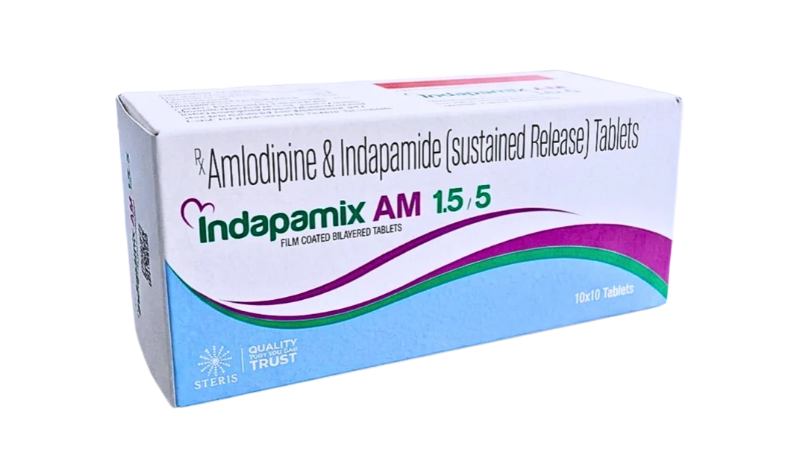
Amlodipine 5 mg And Indapamide 1.5 mg Sustained Release Tablets
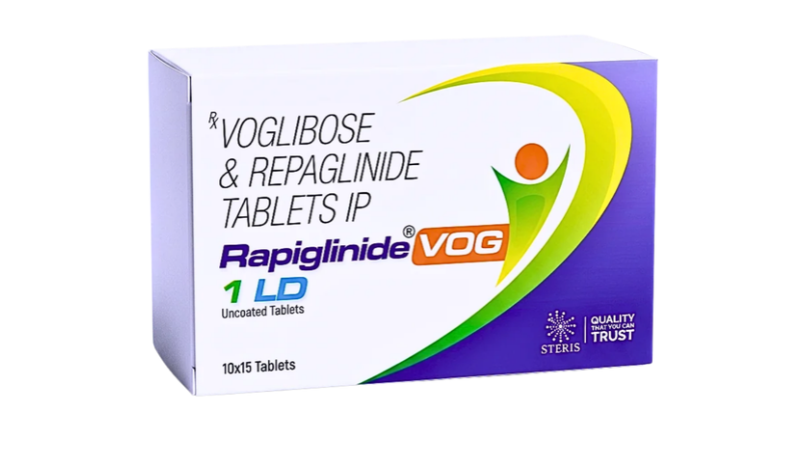
Voglibose 0.2 mg and Repaglinide 1 mg Tablets IP: Uses, Benefits, Dosage and Side Effects
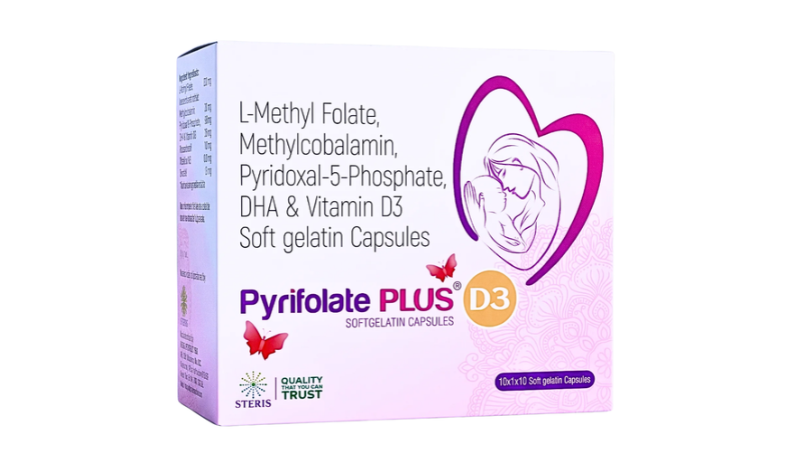
L-Methyl Folate,Methylcobalamin,Pyridoxal-5-Phosphate,DHA & Vitamin D3 Soft Gelatin Capsules

Glutathione With Vitamin C Tablets: Complete Guide to Skin Health

L-Glutathione With Vitamin C Effervescent Tablets: Uses, Benefits, Side Effects & Skin Health
Cefpodoxime Proxetil 200 mg And Clavulanate Potassium 125 mg Tablets: Uses, Benefits
Etifoxine Hydrochloride Capsules 50 mg: Uses, Benefits, Side Effects & Precautions

Glutathione with Astaxanthin Tablets: Benefits, Side Effects and Skin Health
Flavoxate 200 mg + Nitrofurantoin 100 mg Tablets: Uses, Benefits and Side Effects