


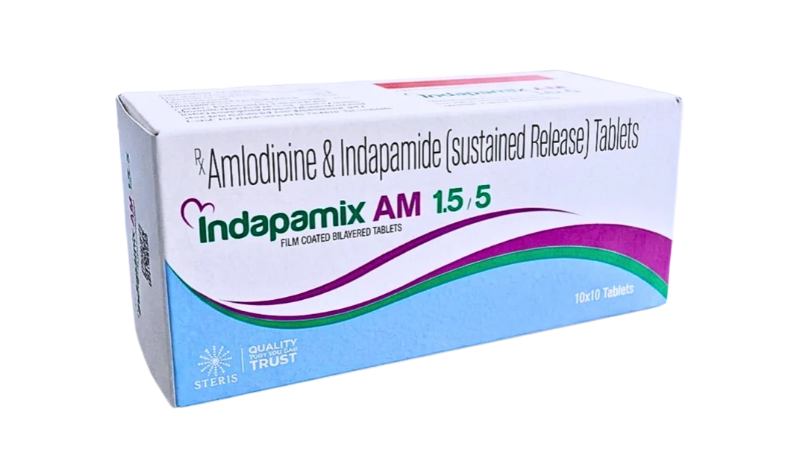


Amlodipine 5 mg And Indapamide 1.5 mg Sustained Release Tablets
Nov 27, 2026
Product Overview
Amlodipine 5 mg And Indapamide 1.5 mg Sustained Release Tablets are a combination antihypertensive formulation designed to help manage high blood pressure (hypertension). This combination contains two active pharmaceutical ingredients that work through different mechanisms to support blood pressure control.
Amlodipine is a calcium channel blocker that helps relax and widen blood vessels, allowing blood to flow more easily. Indapamide is a thiazide-like diuretic that helps regulate fluid and sodium balance in the body, contributing to reduced blood pressure.
By combining these two medicines, the formulation provides complementary approaches to hypertension management. It may be prescribed by healthcare professionals for patients who require both medicines as part of their individualized blood pressure treatment plan.
What Are Amlodipine 5 mg And Indapamide 1.5 mg Sustained Release Tablets Used For?
The primary therapeutic purpose of this combination is the management of hypertension, commonly known as high blood pressure.
Hypertension is a chronic medical condition in which the pressure exerted by circulating blood against artery walls remains consistently elevated. If left uncontrolled, it can increase the risk of serious cardiovascular complications, including stroke, heart disease, and kidney damage.
Amlodipine and indapamide help address blood pressure through complementary mechanisms.
The medicine may be prescribed when a healthcare professional determines that treatment with both active ingredients is appropriate.
1. Amlodipine 5 mg
Amlodipine belongs to the dihydropyridine class of calcium channel blockers. It works by reducing calcium entry into vascular smooth muscle cells.
This action helps relax arterial blood vessels, decreases vascular resistance, and supports improved blood circulation.
Key functions include:
- Relaxation of blood vessels.
- Reduction of peripheral vascular resistance.
- Support for blood pressure management.
- Improved blood flow through relaxed arteries.
2. Indapamide 1.5 mg Sustained Release
Indapamide is a thiazide-like diuretic used in hypertension management. It helps regulate sodium and fluid balance and contributes to a reduction in blood pressure.
The sustained-release formulation is designed to release the active ingredient gradually over time.
Its key functions include:
- Supporting sodium and fluid regulation.
- Helping reduce blood pressure.
- Contributing to the management of hypertension.
- Providing a modified-release delivery profile.
The two ingredients work differently, making the combination a potential treatment option when both mechanisms are required.
Key Benefits of Amlodipine 5 mg And Indapamide 1.5 mg Sustained Release Tablets
The following benefits relate to the pharmacological actions of the individual ingredients and their intended role in hypertension management. Individual treatment outcomes may vary.
1. Supports Effective Blood Pressure Management
Amlodipine helps relax blood vessels, while indapamide contributes to blood pressure reduction through its diuretic and vascular effects. Together, they provide complementary antihypertensive actions.
2. Two Complementary Mechanisms of Action
The combination incorporates a calcium channel blocker and a thiazide-like diuretic. These medicines act through different pathways, which can be useful for patients requiring both treatments.
3. Sustained-Release Indapamide Formulation
The 1.5 mg sustained-release component is designed for gradual drug release. This formulation provides a modified-release delivery profile compared with immediate-release formulations.
4. Supports Long-Term Hypertension Management
Hypertension generally requires ongoing monitoring and treatment. When prescribed appropriately, this combination may form part of a long-term blood pressure management strategy.
5. Convenient Combination Formulation
Combining two active ingredients in one tablet may simplify the prescribed medication schedule for eligible patients compared with taking separate tablets.
However, the convenience of a combination product does not mean that it is suitable for every person with hypertension.
How Do Amlodipine and Indapamide Work Together?
Amlodipine and indapamide contribute to blood pressure reduction through different pharmacological pathways.
Amlodipine blocks calcium channels in vascular smooth muscle, helping blood vessels relax. This reduces resistance against which the heart pumps blood.
Indapamide acts primarily through its effects on sodium handling in the kidneys and also has vascular effects that contribute to lowering blood pressure.
When prescribed together, these mechanisms can provide complementary blood pressure-lowering effects.
The choice of this combination depends on the patient's blood pressure readings, medical history, kidney function, electrolyte levels, and response to previous treatment.
Possible Side Effects
Like other prescription medicines, this combination may cause side effects. Their occurrence and severity can vary between individuals.
Common or Potential Side Effects
Possible adverse effects associated with amlodipine and indapamide include:
- Dizziness or light-headedness.
- Headache.
- Ankle or peripheral swelling.
- Fatigue or weakness.
- Muscle cramps.
- Nausea or digestive discomfort.
- Increased urination.
- Low blood pressure.
Amlodipine is particularly associated with peripheral oedema (swelling, commonly around the ankles).
Indapamide may affect electrolyte levels, including potassium and sodium.
Serious Side Effects Requiring Medical Attention
Contact a healthcare professional promptly if any of the following occur:
- Severe dizziness or fainting.
- Significant muscle weakness or persistent cramps.
- Irregular heartbeat or palpitations.
- Severe dehydration.
- Unusual changes in urination.
- Symptoms of a serious allergic reaction.
Seek emergency medical assistance for difficulty breathing, severe allergic swelling, or other potentially life-threatening symptoms.
Precautions and Warnings
Before starting Amlodipine 5 mg And Indapamide 1.5 mg Sustained Release Tablets, patients should discuss their medical history and current medicines with their doctor.
Important precautions include:
Kidney function: Patients with kidney impairment may require careful assessment and monitoring.
Liver conditions: People with significant liver disease should receive medical evaluation before treatment.
Electrolyte imbalance: Indapamide can cause changes in potassium and sodium levels. Periodic blood testing may be recommended.
Diabetes: Blood glucose monitoring may be necessary in some patients.
Gout: Indapamide may affect uric acid levels and requires caution in patients with gout.
Pregnancy and breastfeeding: Consult a healthcare professional before using this medicine during pregnancy or breastfeeding.
Other medicines: Inform the doctor about all prescription medicines, non-prescription products, and supplements being taken.
Dosage and Administration
The dosage of Amlodipine 5 mg And Indapamide 1.5 mg Sustained Release Tablets must be determined by a qualified healthcare professional.
Patients should:
- Follow the prescribed dose and schedule.
- Take the tablet as instructed by their doctor.
- Swallow sustained-release tablets whole unless the product-specific instructions state otherwise.
- Avoid crushing or chewing the sustained-release formulation.
- Not increase, decrease, or discontinue the medicine without medical advice.
- Continue regular blood pressure monitoring.
The appropriate administration schedule depends on the individual patient's medical requirements and the product's approved prescribing information.
Who May Be Prescribed This Combination?
A healthcare professional may consider this combination for adults with hypertension who require treatment with both amlodipine and indapamide.
It may be considered when an individual treatment plan requires complementary blood pressure-lowering mechanisms.
It is not automatically appropriate for newly diagnosed hypertension, every patient with uncontrolled blood pressure, or patients already receiving other antihypertensive medicines.
A doctor's assessment is essential before initiating treatment.
Storage Instructions
To maintain product quality and stability:
- Store in a cool and dry place.
- Protect the tablets from excessive heat and moisture.
- Keep the medicine in its original packaging.
- Keep out of reach of children.
- Follow the storage conditions printed on the product packaging.
Always check the manufacturer's label for product-specific storage requirements.
Why Choose Amlodipine 5 mg And Indapamide 1.5 mg Sustained Release Tablets?
This combination brings together two established antihypertensive ingredients in a single pharmaceutical formulation.
Its key formulation characteristics include:
- Amlodipine 5 mg as a calcium channel blocker.
- Indapamide 1.5 mg in a sustained-release formulation.
- Complementary mechanisms for hypertension management.
- A combination dosage form intended for patients requiring both ingredients.
- Potential convenience within an individualized treatment schedule.
Healthcare professionals should assess the suitability of the combination based on the patient's clinical condition and applicable prescribing guidance.
Product Information at a Glance
| Product Attribute | Details |
|---|---|
| Product Name | Amlodipine 5 mg And Indapamide 1.5 mg Sustained Release Tablets |
| Composition | Amlodipine 5 mg + Indapamide 1.5 mg |
| Dosage Form | Sustained-Release Combination Tablets |
| Therapeutic Category | Antihypertensive |
| Primary Use | Management of Hypertension |
| Drug Classes | Calcium Channel Blocker + Thiazide-Like Diuretic |
| Route of Administration | Oral |
| Prescription Status | Use as prescribed by a healthcare professional |
Conclusion
Amlodipine 5 mg And Indapamide 1.5 mg Sustained Release Tablets combine two complementary antihypertensive ingredients to support the management of high blood pressure.
Amlodipine works by relaxing blood vessels and reducing vascular resistance, while indapamide supports blood pressure reduction through sodium and fluid regulation and additional vascular effects. The sustained-release formulation of indapamide is designed to provide gradual drug release.
The combination may be a suitable treatment option for patients who require both medicines, subject to an individual medical assessment.
Understanding its uses, composition, potential benefits, side effects, and precautions is important for responsible treatment decisions. Regular blood pressure monitoring, appropriate laboratory investigations, and adherence to medical advice remain essential components of hypertension management.
FEQ
1. What are Amlodipine 5 mg And Indapamide 1.5 mg Sustained Release Tablets used for?
Amlodipine 5 mg And Indapamide 1.5 mg Sustained Release Tablets are a combination antihypertensive medicine used to help manage high blood pressure. Amlodipine relaxes blood vessels, while indapamide helps regulate sodium and fluid balance and contributes to blood pressure reduction.
2. What are the main benefits of Amlodipine 5 mg and Indapamide 1.5 mg tablets?
The main potential benefits include complementary blood pressure-lowering mechanisms, blood vessel relaxation, sodium and fluid regulation, and the convenience of combining two prescribed medicines in one tablet. Treatment benefits depend on individual medical circumstances.
3. How does Amlodipine 5 mg work in this combination?
Amlodipine is a calcium channel blocker. It reduces calcium entry into vascular smooth muscle cells, helping arteries relax and widen. This reduces vascular resistance and supports lower blood pressure.
4. What is the role of Indapamide 1.5 mg sustained release?
Indapamide is a thiazide-like diuretic that helps regulate sodium and fluid balance. Its sustained-release formulation is designed to release the medicine gradually, supporting its role in hypertension treatment.
5. What are the common side effects of Amlodipine and Indapamide tablets?
Potential side effects include dizziness, headache, ankle swelling, fatigue, muscle cramps, nausea, and changes in electrolyte levels. Severe weakness, fainting, or irregular heartbeat requires prompt medical evaluation.
6. Can Amlodipine 5 mg and Indapamide 1.5 mg be taken daily?
The medicine may be prescribed for regular use as part of a hypertension treatment plan. Patients should follow the specific dosage and administration instructions provided by their doctor.
7. Is Amlodipine and Indapamide a combination medicine for high blood pressure?
Yes. It combines a calcium channel blocker (amlodipine) and a thiazide-like diuretic (indapamide). Both ingredients help reduce blood pressure through different mechanisms.
8. Who should avoid Amlodipine 5 mg And Indapamide 1.5 mg Sustained Release Tablets?
People with certain severe kidney or liver conditions, existing electrolyte imbalances, or allergies to the ingredients may not be suitable candidates. A healthcare professional must evaluate individual risks and contraindications before prescribing the medicine.
9. Does Indapamide 1.5 mg sustained release cause low potassium?
Indapamide can reduce potassium levels in some patients. A healthcare professional may recommend periodic blood tests to monitor potassium and other electrolytes during treatment.
10. Can this combination be used without a doctor's prescription?
No. This combination should not be self-prescribed. Blood pressure treatment must be selected according to the patient's medical history, blood pressure readings, kidney function, electrolyte levels, and other medications.
11. Why are Amlodipine and Indapamide combined in one tablet?
They work through complementary mechanisms. Amlodipine relaxes blood vessels, while indapamide contributes to blood pressure reduction through its effects on sodium balance and vascular function. Combining them may simplify treatment for patients who need both medicines.
12. What should patients monitor while taking Amlodipine and Indapamide?
Patients should monitor their blood pressure and attend recommended medical follow-ups. Depending on their health status, doctors may also monitor kidney function, potassium, sodium, and other relevant laboratory parameters.
Recent Post
Voglibose 0.2 mg and Repaglinide 1 mg Tablets IP: Uses, Benefits, Dosage and Side Effects

L-Methyl Folate,Methylcobalamin,Pyridoxal-5-Phosphate,DHA & Vitamin D3 Soft Gelatin Capsules

Glutathione With Vitamin C Tablets: Complete Guide to Skin Health

L-Glutathione With Vitamin C Effervescent Tablets: Uses, Benefits, Side Effects & Skin Health
Cefpodoxime Proxetil 200 mg And Clavulanate Potassium 125 mg Tablets: Uses, Benefits
Etifoxine Hydrochloride Capsules 50 mg: Uses, Benefits, Side Effects & Precautions

Glutathione with Astaxanthin Tablets: Benefits, Side Effects and Skin Health

Flavoxate 200 mg + Nitrofurantoin 100 mg Tablets: Uses, Benefits and Side Effects
Atomoxetine 10mg के उपयोग, फायदे और नुकसान: पूरी जानकारी।
Apixaban 2.5mg: खून के थक्के बनने से रोकने में कैसे मदद करती है?