


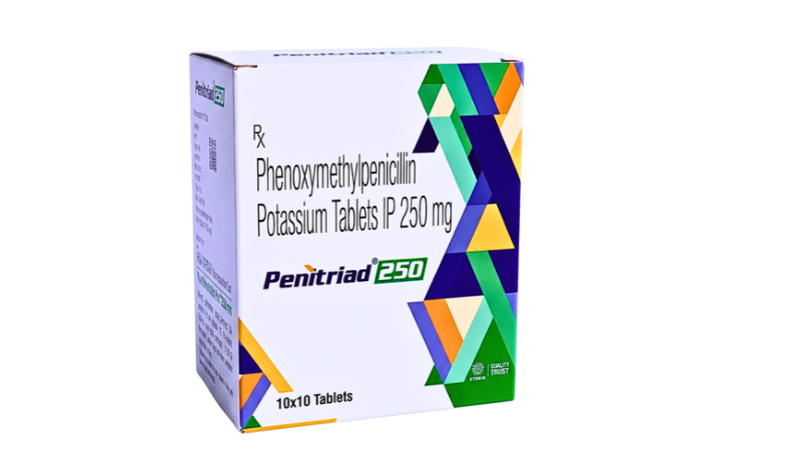


Phenoxymethylpenicillin Potassium 250 mg: Benefits, Safety and Common Side Effects
Nov 27, 2026
What Is Phenoxymethylpenicillin Potassium 250 mg?
Phenoxymethylpenicillin Potassium 250 mg is an oral penicillin-class antibiotic used to treat certain bacterial infections caused by susceptible microorganisms. Also known as Penicillin V, this medicine belongs to the beta-lactam group of antibiotics and works by interfering with bacterial cell wall formation, helping eliminate susceptible bacteria responsible for infection.
Phenoxymethylpenicillin Potassium 250 mg is prescribed by healthcare professionals for selected infections affecting the throat, respiratory tract, ears, skin and soft tissues. Depending on the patient's medical condition, it may also be prescribed to prevent certain recurrent infections or complications, such as recurrent rheumatic fever.
This medicine is particularly useful when the infection is caused by bacteria that respond to penicillin treatment. However, it is not effective against viral infections such as the common cold, influenza or most viral sore throats.
If you are considering Phenoxymethylpenicillin Potassium 250 mg, understanding its medical uses, potential benefits, administration precautions and possible side effects can help you make informed decisions with your healthcare provider.
Key Uses of Phenoxymethylpenicillin Potassium 250 mg
Phenoxymethylpenicillin Potassium 250 mg is used to manage specific bacterial infections when the causative microorganisms are susceptible to penicillin.
Its recognised medical uses may include:
1. Bacterial Throat Infections
This antibiotic may be prescribed for susceptible bacterial throat infections, including streptococcal pharyngitis. It helps eliminate the bacteria responsible for infection and supports recovery when used appropriately.
2. Respiratory Tract Infections
Certain susceptible respiratory tract infections may respond to phenoxymethylpenicillin treatment. A healthcare professional determines whether this antibiotic is appropriate based on the suspected or confirmed bacterial cause.
3. Ear Infections
Phenoxymethylpenicillin may be prescribed for selected bacterial ear infections, including susceptible cases of otitis media (middle-ear infection).
4. Skin and Soft Tissue Infections
Certain bacterial skin infections, including erysipelas, may be treated with this medicine when the responsible bacteria are susceptible to penicillin.
5. Prevention of Recurrent Rheumatic Fever
Under specific medical circumstances, healthcare professionals may prescribe penicillin V for the prevention of recurrent rheumatic fever. This preventive use requires an appropriate long-term treatment plan and medical monitoring.
The exact indication depends on the patient's diagnosis, age, medical history and local prescribing recommendations.
How Does Phenoxymethylpenicillin Potassium 250 mg Work?
Phenoxymethylpenicillin Potassium 250 mg works by interfering with the formation of bacterial cell walls.
Bacteria require a protective cell wall to maintain their structure and survive. This antibiotic binds to bacterial penicillin-binding proteins and prevents the cross-linking process required for normal cell wall formation.
As a result, susceptible bacteria become unable to maintain their protective structure, leading to bacterial cell death.
Because this medicine targets bacterial cell wall formation, it does not work against viruses. Using antibiotics without a genuine bacterial indication can contribute to antimicrobial resistance.
Key Benefits of Phenoxymethylpenicillin Potassium 250 mg
When prescribed for an appropriate bacterial infection, Phenoxymethylpenicillin Potassium 250 mg offers several clinically recognised benefits.
1. Targeted Antibacterial Action
It works against susceptible bacteria by interfering with bacterial cell wall formation. This makes it a useful treatment option for selected penicillin-sensitive infections.
2. Oral Administration
The medicine is available in oral formulations, including tablets, making it convenient for patients who have been prescribed oral antibiotic treatment.
3. Treatment of Selected Throat Infections
It is an established treatment option for susceptible streptococcal throat infections and certain other bacterial infections affecting the upper respiratory tract.
4. Use in Selected Skin Infections
Healthcare professionals may prescribe it for susceptible skin and soft tissue infections, including certain cases of erysipelas.
5. Preventive Medical Applications
In selected patients, phenoxymethylpenicillin can be used as part of a medically supervised strategy to prevent recurrent rheumatic fever or specific pneumococcal infections.
6. Established Penicillin-Class Medicine
Phenoxymethylpenicillin has a recognised role in antibacterial treatment guidelines and is used when the infection and bacterial susceptibility make penicillin an appropriate choice.
These benefits depend on the diagnosis, correct prescribing and the susceptibility of the bacteria. It is not a universal treatment for every infection.
How to Take Phenoxymethylpenicillin Potassium 250 mg
Phenoxymethylpenicillin Potassium 250 mg should only be taken according to the dosage and treatment duration prescribed by a qualified healthcare professional.
The appropriate dose depends on several factors, including:
- Type and severity of bacterial infection.
- Patient's age and overall health.
- Kidney function.
- Medical history and previous antibiotic reactions.
- Whether the medicine is being used for treatment or prevention.
For many tablet formulations, administration is recommended at least 30 minutes before food or 2–3 hours after eating. However, patients should always follow their specific product leaflet and pharmacist's instructions.
Important precautions:
- Take the medicine at the prescribed intervals.
- Do not change the dose independently.
- Complete the prescribed treatment course unless your healthcare professional advises otherwise.
- Do not share antibiotics with another person.
- Never use leftover antibiotics to treat a new infection.
Possible Side Effects of Phenoxymethylpenicillin Potassium 250 mg
Like other antibiotics, Phenoxymethylpenicillin Potassium 250 mg can cause side effects. Not everyone experiences them, and their severity can vary between individuals.
Common Side Effects
Some commonly reported side effects include:
- Nausea.
- Vomiting.
- Diarrhoea.
- Stomach pain or abdominal cramps.
- Reduced appetite.
- Digestive discomfort.
Mild symptoms may improve during treatment. However, consult your healthcare professional if symptoms persist, become troublesome or worsen.
Serious Side Effects
Although uncommon, serious reactions can occur.
Seek immediate medical attention if you experience:
- Severe allergic reactions, including difficulty breathing.
- Swelling of the face, lips, tongue or throat.
- Severe dizziness or fainting.
- Serious skin reactions involving blisters or peeling.
- Severe diarrhoea, particularly if it contains blood or mucus.
A serious allergic reaction can be a medical emergency. Stop and seek urgent medical assistance if symptoms suggest anaphylaxis.
Precautions Before Using Phenoxymethylpenicillin Potassium 250 mg
Before starting this medicine, inform your doctor about your medical history and current medications.
Penicillin Allergy: Avoid this medicine if you have a known serious allergy to penicillin or have previously experienced a serious reaction to it.
Kidney Problems: Patients with impaired kidney function may require an individualised treatment plan.
Pregnancy and Breastfeeding: Consult your doctor before using this medicine during pregnancy or breastfeeding.
Drug Interactions: Inform your healthcare professional if you take medicines such as methotrexate, warfarin, probenecid or other antibiotics.
Existing Medical Conditions: Discuss any history of asthma, allergies or other significant health conditions before treatment.
Why Responsible Antibiotic Use Matters
Antibiotic resistance is an important global healthcare concern. Unnecessary or inappropriate antibiotic use can encourage bacteria to develop resistance, making future infections harder to treat.
Phenoxymethylpenicillin Potassium 250 mg should therefore be used only when prescribed for an appropriate bacterial infection.
It should not be used for self-medication, viral illnesses or infections without a proper medical assessment.
Conclusion
Phenoxymethylpenicillin Potassium 250 mg is an established penicillin antibiotic used for selected infections caused by susceptible bacteria. Its applications include certain throat, respiratory, ear, skin and soft tissue infections, as well as specific preventive treatments under medical supervision.
Its antibacterial action, oral administration and established clinical applications make it a useful option when prescribed appropriately.
However, correct diagnosis, professional guidance, allergy assessment and responsible antibiotic use are essential for safe and effective treatment. Always consult your doctor or pharmacist for individualised advice about dosage, precautions and possible side effects.
Frequently Asked Questions
1. What is Phenoxymethylpenicillin Potassium 250 mg used for?
Phenoxymethylpenicillin Potassium 250 mg is an antibiotic used to treat certain bacterial infections, including susceptible throat, respiratory, ear, skin and soft tissue infections. It may also be prescribed to prevent specific recurrent infections under medical supervision.
2. Is Phenoxymethylpenicillin Potassium 250 mg an antibiotic?
Yes. It is a penicillin-class antibiotic, also known as Penicillin V. It works by interfering with bacterial cell wall formation and killing susceptible bacteria.
3. Does Phenoxymethylpenicillin 250 mg treat throat infections?
Yes, it can be prescribed for certain bacterial throat infections, particularly susceptible streptococcal infections. It does not treat viral sore throats.
4. What are the common side effects of Phenoxymethylpenicillin Potassium 250 mg?
Common side effects include nausea, vomiting, diarrhoea, stomach discomfort, abdominal cramps and reduced appetite. Serious allergic reactions are uncommon but require immediate medical attention.
5. Can Phenoxymethylpenicillin Potassium 250 mg treat a common cold?
No. The common cold is generally caused by viruses, and antibiotics do not work against viral infections. This medicine should only be used for appropriate bacterial infections.
6. How should Phenoxymethylpenicillin Potassium 250 mg be taken?
Take it according to your doctor's prescription. Many formulations are recommended on an empty stomach, generally 30 minutes before food or 2–3 hours after eating. Follow the instructions supplied with your particular medicine.
7. Is Phenoxymethylpenicillin Potassium 250 mg safe during pregnancy?
It may be prescribed during pregnancy when clinically appropriate. However, pregnant patients should consult their doctor before starting treatment.
8. Can Phenoxymethylpenicillin Potassium 250 mg cause an allergic reaction?
Yes. Like other penicillin antibiotics, it can cause allergic reactions. Symptoms may include itching, rash, swelling and, in serious cases, difficulty breathing. Severe allergic symptoms require emergency medical care.
9. Can I stop taking Phenoxymethylpenicillin 250 mg when I feel better?
Do not stop or change your treatment independently. Follow the duration prescribed by your healthcare professional. If you experience a serious reaction or other concerning symptoms, seek medical advice promptly.
10. Is Phenoxymethylpenicillin Potassium 250 mg suitable for children?
It can be prescribed for children when clinically appropriate. The dose depends on the child's age, weight, infection and medical condition. A healthcare professional must determine the correct dose.
11. Does Phenoxymethylpenicillin Potassium 250 mg work against all bacteria?
No. It works against susceptible bacteria only. Some bacteria are naturally resistant or have developed resistance to penicillin, so the choice of antibiotic depends on the suspected or confirmed infection.
12. What is the difference between Penicillin V and Phenoxymethylpenicillin Potassium?
Penicillin V is another name for phenoxymethylpenicillin. Phenoxymethylpenicillin potassium is the potassium salt used in certain formulations of this antibiotic.
Recent Post
Sodium Hyaluronate Eye Drops for Dry Eyes
Levofloxacin Tablets IP 500 mg: Uses, Benefits, Side Effects & Price in India

Atorvastatin 80 mg Tablets IP – Uses, Benefits, Side Effects & Price in India
Amlodipine 5 mg And Indapamide 1.5 mg Sustained Release Tablets

Voglibose 0.2 mg and Repaglinide 1 mg Tablets IP: Uses, Benefits, Dosage and Side Effects
L-Methyl Folate,Methylcobalamin,Pyridoxal-5-Phosphate,DHA & Vitamin D3 Soft Gelatin Capsules

Glutathione With Vitamin C Tablets: Complete Guide to Skin Health

L-Glutathione With Vitamin C Effervescent Tablets: Uses, Benefits, Side Effects & Skin Health
Cefpodoxime Proxetil 200 mg And Clavulanate Potassium 125 mg Tablets: Uses, Benefits
Etifoxine Hydrochloride Capsules 50 mg: Uses, Benefits, Side Effects & Precautions