


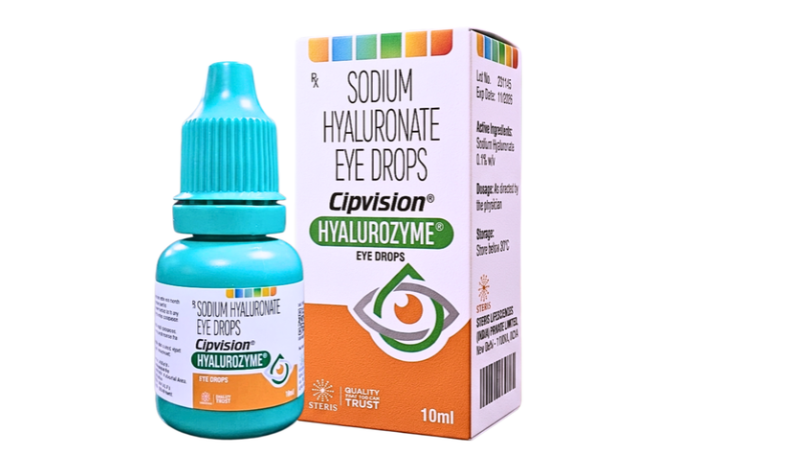


Sodium Hyaluronate Eye Drops for Dry Eyes
Nov 27, 2026
Product Overview
Sodium Hyaluronate Eye Drops for Dry Eyes are lubricating eye drops designed to provide relief from dryness, irritation, and discomfort caused by insufficient tear production or excessive tear evaporation. Formulated with sodium hyaluronate, a moisture-binding ingredient, these eye drops help retain water on the ocular surface, improve lubrication, and support comfortable blinking.
Dry eyes are a common problem associated with prolonged screen time, air conditioning, environmental pollution, dust, wind, contact lens wear, and age-related changes in natural tear production. Symptoms may include burning, itching, redness, a gritty sensation, watery eyes, and temporary blurred vision.
Sodium hyaluronate eye drops help supplement the natural tear film by creating a lubricating and hydrating layer over the eye's surface. They can be useful for people experiencing occasional or persistent dry-eye symptoms, depending on the product formulation and the underlying cause.
Whether you experience eye discomfort after working on a computer, spending time in an air-conditioned environment, or exposure to dry and dusty conditions, these lubricating drops may help restore moisture and improve everyday eye comfort.
What Is Sodium Hyaluronate in Eye Drops?
Sodium hyaluronate is the sodium salt of hyaluronic acid, a naturally occurring substance known for its excellent water-binding properties. It is widely used in ophthalmic lubricants because it helps maintain moisture and provides lubrication to the surface of the eye.
When applied, sodium hyaluronate forms a thin, moisture-retaining layer over the ocular surface. This helps reduce friction between the eyelids and the eye during blinking.
Its lubricating properties make it a useful ingredient in artificial tears and other dry-eye preparations.
Unlike ordinary water-based solutions, sodium hyaluronate can help retain moisture on the eye's surface. Its viscosity and formulation may influence how long the lubricating effect lasts.
Key Benefits of Sodium Hyaluronate Eye Drops for Dry Eyes
Sodium Hyaluronate Eye Drops offer several potential benefits for people experiencing dry-eye symptoms.
1. Provides Long-Lasting Moisture and Hydration
One of the primary benefits of sodium hyaluronate is its ability to bind and retain water. It helps maintain moisture on the ocular surface and reduces the uncomfortable sensation associated with dryness.
2. Relieves Burning and Eye Irritation
Dry eyes can cause burning, stinging, and irritation, particularly after prolonged screen use or exposure to environmental conditions. Lubricating eye drops help reduce friction and provide temporary relief from these symptoms.
3. Improves Eye Comfort During Screen Time
Spending extended periods looking at mobile phones, laptops, and computer screens can reduce blinking frequency and contribute to tear evaporation.
Sodium hyaluronate eye drops can help lubricate the ocular surface and improve comfort during screen-related eye strain associated with dryness.
4. Supports the Natural Tear Film
The tear film protects and lubricates the eye. When its stability is disrupted, symptoms of dry-eye disease may develop.
Sodium hyaluronate helps supplement the tear film by retaining moisture and supporting ocular surface lubrication.
5. Helps Protect the Ocular Surface
Adequate lubrication helps minimize friction between the eyelids and the corneal surface. This can improve comfort and support the normal protective environment of the eye.
6. Helps Relieve Environmental Dryness
Dust, wind, air conditioning, and dry weather can contribute to eye discomfort.
Lubricating drops containing sodium hyaluronate can help relieve dryness associated with these environmental factors.
7. Suitable Formulations for Different Dry-Eye Needs
Sodium hyaluronate eye drops are available in different concentrations, including 0.1%, 0.2%, and higher strengths.
Some formulations are preservative-free, making them an option worth discussing with an eye-care professional for people who require frequent lubrication or have sensitivity to preservatives.
The appropriate concentration depends on the individual's symptoms, product formulation, and professional recommendation.
Clinical research published in 2025 has also investigated sodium hyaluronate-based formulations for improving dry-eye symptoms and ocular surface health. However, results from combination formulations should not automatically be attributed to sodium hyaluronate alone.
What Are the Uses of Sodium Hyaluronate Eye Drops?
Sodium Hyaluronate Eye Drops are primarily used as ocular lubricants. Their common uses include:
-
Dry eye syndrome: Helps relieve dryness, irritation, and discomfort.
-
Computer-related dry eyes: Provides lubrication when prolonged screen use contributes to dryness.
-
Environmental eye dryness: Helps relieve discomfort caused by wind, dust, and air conditioning.
-
Contact lens-related dryness: Certain compatible formulations may help relieve dryness associated with contact lens wear. Check product-specific instructions.
-
Eye surface irritation: Helps lubricate the ocular surface and reduce friction.
-
Post-procedure eye lubrication: May be recommended by an ophthalmologist following certain eye procedures.
-
Age-related dry eyes: Helps manage dryness associated with changes in natural tear production.
These eye drops provide symptomatic relief and do not necessarily treat the underlying cause of chronic dry-eye disease.
How to Use Sodium Hyaluronate Eye Drops Correctly
Correct application helps ensure effective lubrication and reduces the risk of contamination.
Follow these steps:
-
Wash your hands thoroughly before applying the eye drops.
-
Remove the bottle cap without touching the dropper tip.
-
Tilt your head slightly backward.
-
Gently pull down your lower eyelid to create a small pocket.
-
Hold the bottle above your eye and instil the prescribed number of drops.
-
Close your eyes gently for a few moments.
-
Replace the cap securely after use.
Important usage instructions:
-
Follow the dosage instructions provided on the product label or by your ophthalmologist.
-
Do not allow the dropper tip to touch your eye, fingers, or other surfaces.
-
If using multiple eye medications, ask your eye-care professional about the appropriate interval between applications.
-
Check whether your formulation is compatible with contact lenses.
-
Follow the manufacturer's instructions regarding storage and expiry after opening.
The dosage varies by product. Some formulations recommend one or two drops as needed, while prescribed preparations may have a fixed schedule.
Sodium Hyaluronate Eye Drops Side Effects
Sodium Hyaluronate Eye Drops are generally well tolerated when used according to the product instructions. However, some people may experience temporary side effects.
Possible side effects include:
-
Mild burning or stinging after application.
-
Temporary blurred vision immediately after instillation.
-
Mild eye irritation or itching.
-
Eye redness.
-
A temporary foreign-body sensation.
-
Excessive watering of the eyes.
-
Eyelid irritation or inflammation.
-
Rare allergic or hypersensitivity reactions.
These effects may depend on the sodium hyaluronate concentration, other ingredients, preservatives, and individual sensitivity.
When should you stop using the drops?
Discontinue use and seek medical advice if you experience persistent irritation, worsening redness, swelling, or an allergic reaction.
Seek urgent eye-care assessment if you develop severe eye pain, sudden changes in vision, significant light sensitivity, or marked redness.
If dry-eye symptoms continue despite regular lubrication, consult an ophthalmologist to identify the underlying cause and discuss alternative treatment options.
Who Can Benefit from Sodium Hyaluronate Eye Drops?
These lubricating eye drops may be useful for:
-
People experiencing mild to moderate dry-eye symptoms.
-
Office workers who spend extended hours using digital screens.
-
Individuals exposed to air conditioning or dry environments.
-
People experiencing age-related eye dryness.
-
Contact lens users, when the particular formulation is compatible.
-
Individuals who need additional ocular lubrication following professional eye-care advice.
People with persistent eye pain, severe redness, eye infections, or unexplained vision changes should seek professional assessment rather than relying solely on lubricating drops.
Why Choose Sodium Hyaluronate Eye Drops for Daily Eye Comfort?
Sodium hyaluronate is an established ophthalmic lubricating ingredient with moisture-retaining properties. Its ability to support ocular surface hydration makes it a useful component of artificial tear formulations.
For people experiencing dryness due to screen exposure, environmental conditions, or reduced tear-film stability, these eye drops can provide convenient symptomatic relief.
When selecting a product, consider the sodium hyaluronate concentration, preservative content, bottle design, compatibility with contact lenses, and product-specific instructions.
Always purchase sterile ophthalmic preparations from reputable sources and check the product's manufacturing, expiry, and storage information.
Important: Sodium hyaluronate eye drops are lubricants, not a guaranteed cure for dry-eye disease. Persistent or severe symptoms require an eye examination.
Frequently Asked Questions
The following questions are structured around common informational and purchase-related search intents to support Google Search, voice search, and AI-generated answers.
1. What are Sodium Hyaluronate Eye Drops used for?
Sodium Hyaluronate Eye Drops are used to lubricate the eyes and provide relief from dryness, burning, irritation, and discomfort. They help retain moisture on the ocular surface and support tear-film lubrication.
2. Are Sodium Hyaluronate Eye Drops good for dry eyes?
Yes. Sodium hyaluronate is commonly used in artificial tears because of its water-binding and lubricating properties. It helps relieve dry-eye symptoms by maintaining moisture on the surface of the eye.
3. Can I use Sodium Hyaluronate Eye Drops every day?
Many sodium hyaluronate lubricating formulations are designed for regular use. However, frequency depends on the concentration, preservatives, and product instructions. Follow the manufacturer's directions or your ophthalmologist's recommendation.
4. What are the side effects of Sodium Hyaluronate Eye Drops?
Possible side effects include temporary blurred vision, mild burning, stinging, itching, redness, and eye irritation. Severe or persistent reactions should be assessed by an eye-care professional.
5. How many times a day can I use Sodium Hyaluronate Eye Drops?
The frequency depends on the specific formulation. Some products recommend one or two drops as needed, while others prescribe regular applications throughout the day. Always follow the product label or your doctor's instructions.
6. Do Sodium Hyaluronate Eye Drops improve blurry vision?
They may temporarily improve blurred vision when the blurriness is caused by tear-film instability or dry eyes. However, they do not correct refractive errors, cataracts, or other underlying eye conditions.
7. Can Sodium Hyaluronate Eye Drops be used with contact lenses?
Some formulations are compatible with contact lenses, while others require lenses to be removed before application. Check the product label or consult an eye-care professional before using them with contact lenses.
8. What is the difference between Sodium Hyaluronate 0.1% and 0.2% eye drops?
The difference is the concentration of the active lubricating ingredient. A 0.2% formulation contains twice the concentration of sodium hyaluronate compared with a 0.1% formulation. However, the best option depends on individual tolerance, product characteristics, and clinical requirements.
9. Are Sodium Hyaluronate Eye Drops safe for long-term use?
Many lubricating formulations can be used regularly for extended periods when appropriate. Preservative-free preparations may be preferable for some people who need frequent applications. Persistent symptoms should be evaluated by an ophthalmologist.
10. How long do Sodium Hyaluronate Eye Drops take to work?
Lubrication and symptomatic relief may begin shortly after application. The duration of relief varies depending on the formulation, severity of dryness, and individual tear-film condition.
11. Can Sodium Hyaluronate Eye Drops help with computer-related dry eyes?
Yes. They can help relieve dryness and irritation associated with prolonged screen use. Regular blinking, taking screen breaks, and maintaining a comfortable working environment can also help manage symptoms.
12. Are Sodium Hyaluronate Eye Drops artificial tears?
Yes. Sodium hyaluronate eye drops are a type of lubricating artificial tear preparation. They supplement natural tear-film lubrication and help relieve symptoms of dry eyes.
Recent Post
Levofloxacin Tablets IP 500 mg: Uses, Benefits, Side Effects & Price in India
Atorvastatin 80 mg Tablets IP – Uses, Benefits, Side Effects & Price in India
Amlodipine 5 mg And Indapamide 1.5 mg Sustained Release Tablets
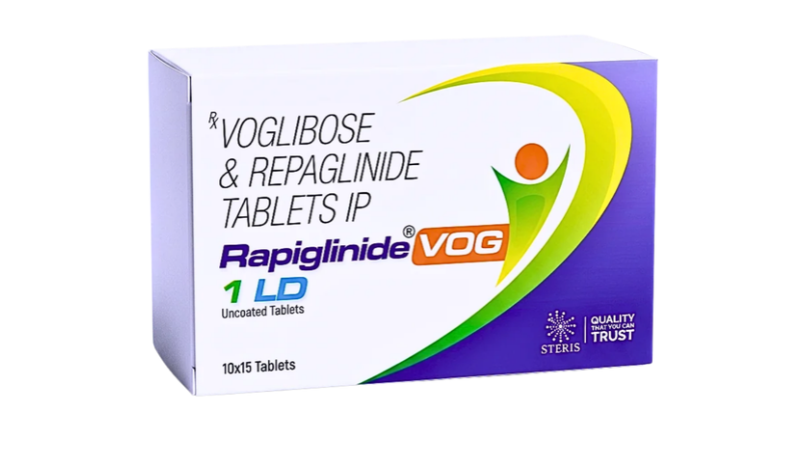
Voglibose 0.2 mg and Repaglinide 1 mg Tablets IP: Uses, Benefits, Dosage and Side Effects
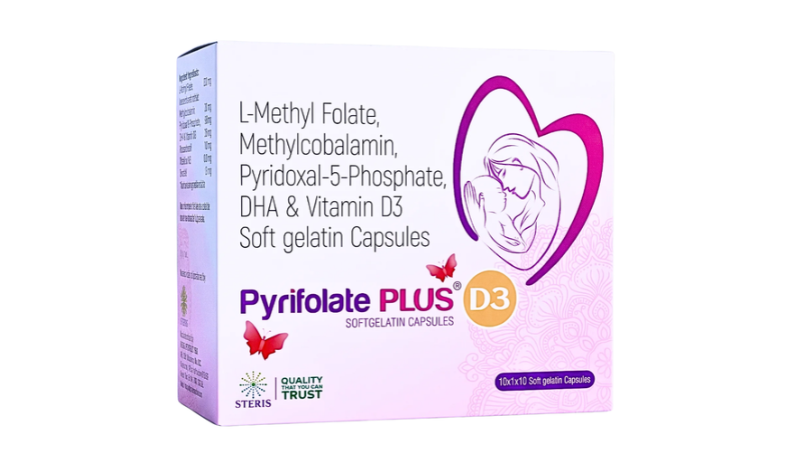
L-Methyl Folate,Methylcobalamin,Pyridoxal-5-Phosphate,DHA & Vitamin D3 Soft Gelatin Capsules
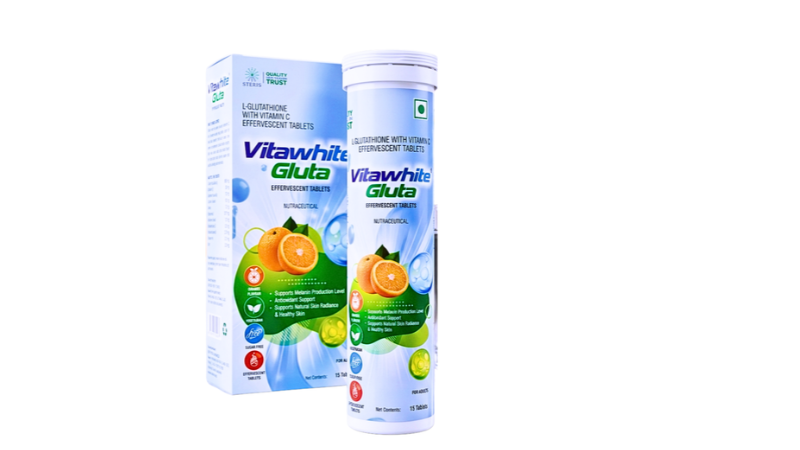
Glutathione With Vitamin C Tablets: Complete Guide to Skin Health
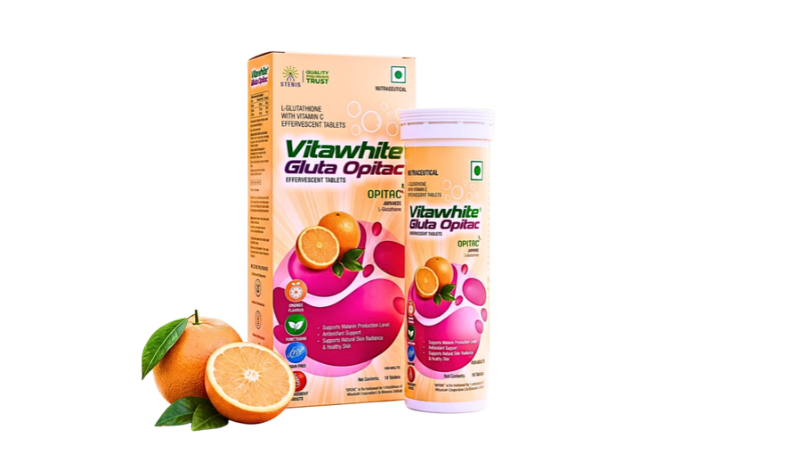
L-Glutathione With Vitamin C Effervescent Tablets: Uses, Benefits, Side Effects & Skin Health
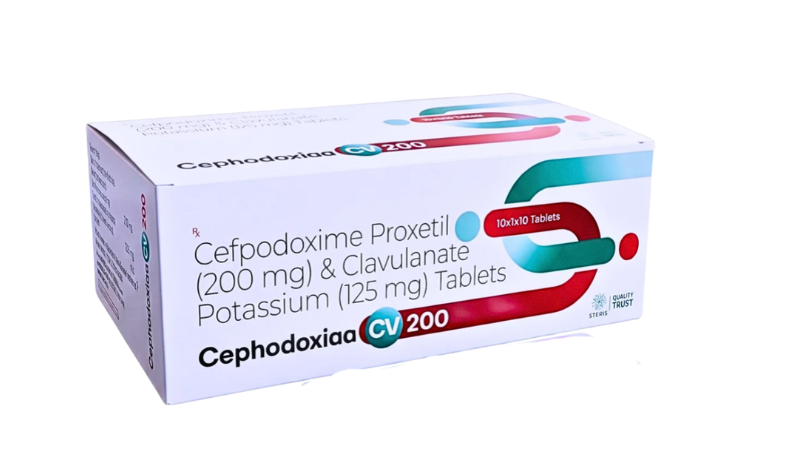
Cefpodoxime Proxetil 200 mg And Clavulanate Potassium 125 mg Tablets: Uses, Benefits
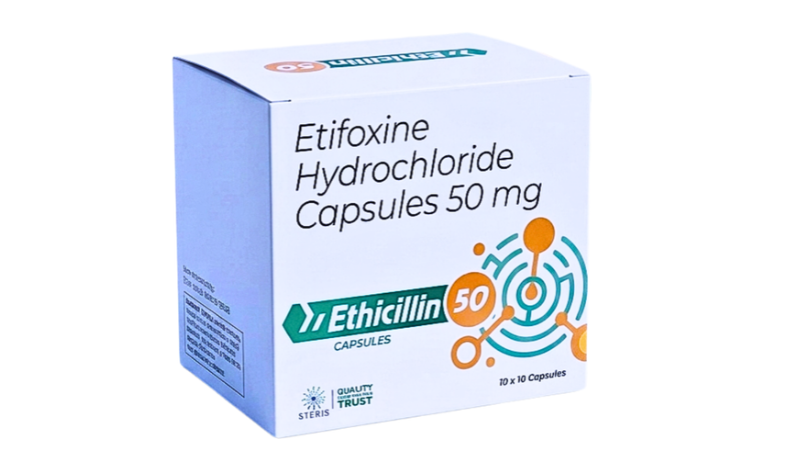
Etifoxine Hydrochloride Capsules 50 mg: Uses, Benefits, Side Effects & Precautions
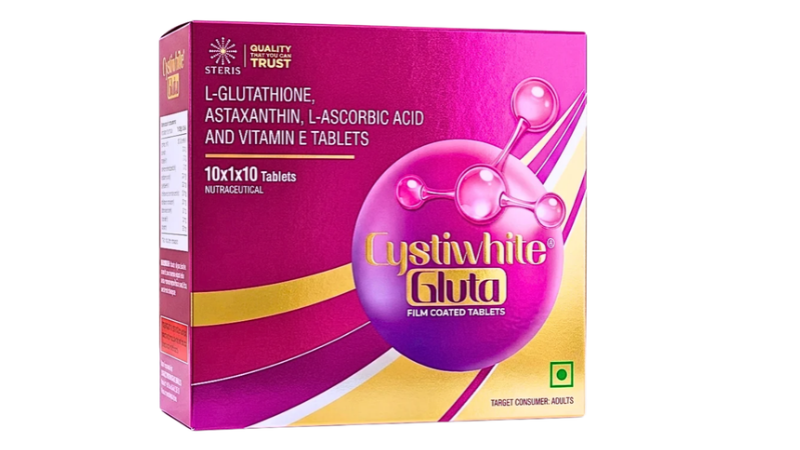
Glutathione with Astaxanthin Tablets: Benefits, Side Effects and Skin Health