


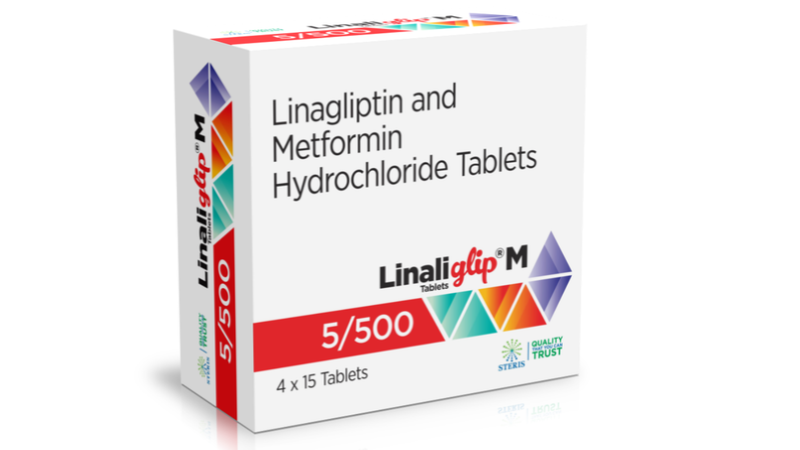


Linagliptin 5mg and Metformin Hydrochloride SR 500mg for Type 2 Diabetes
Nov 28, 2026
Product Overview
Linagliptin 5mg and Metformin Hydrochloride (SR) 500mg is a combination of two antidiabetic medicines formulated to help manage blood glucose levels in adults with type 2 diabetes mellitus. It combines Linagliptin, a DPP-4 (dipeptidyl peptidase-4) inhibitor, with Metformin Hydrochloride in a sustained-release (SR) formulation.
These two active ingredients work through complementary mechanisms to improve glycemic control. Linagliptin helps regulate insulin and glucagon activity in response to glucose levels, while Metformin primarily reduces glucose production in the liver and improves the body's sensitivity to insulin.
This combination may be prescribed by healthcare professionals when treatment with both medicines is considered appropriate alongside a balanced diet, regular physical activity and ongoing diabetes monitoring.
For individuals researching combination diabetes medicines, understanding the composition, therapeutic purpose, potential benefits and safety precautions is essential before starting treatment.
Composition of Linagliptin 5mg and Metformin Hydrochloride (SR) 500mg
Each tablet contains the following active pharmaceutical ingredients:
|
Ingredient |
Strength |
Drug category |
|---|---|---|
|
Linagliptin |
5mg |
DPP-4 inhibitor |
|
Metformin Hydrochloride (SR) |
500mg |
Biguanide antidiabetic |
How do the two ingredients work together?
-
Linagliptin 5mg: Helps increase glucose-dependent insulin secretion and reduce glucagon secretion by inhibiting the DPP-4 enzyme.
-
Metformin Hydrochloride SR 500mg: Helps decrease hepatic glucose production and improve insulin sensitivity. Its sustained-release formulation is designed to release the medicine gradually.
The combination addresses different aspects of blood glucose regulation, which can help improve overall glycemic control when prescribed appropriately.
What Are the Uses of Linagliptin 5mg and Metformin Hydrochloride (SR) 500mg?
The primary therapeutic use of Linagliptin 5mg and Metformin Hydrochloride (SR) 500mg is the management of type 2 diabetes mellitus in adults when both active ingredients are appropriate for the patient's treatment plan.
Its potential uses include:
1. Management of Type 2 Diabetes
This combination is prescribed to help manage elevated blood glucose levels in adults with type 2 diabetes. It works through complementary pathways to support better glucose regulation.
2. Supporting Fasting Blood Glucose Management
Metformin reduces the amount of glucose produced by the liver, helping address elevated fasting blood glucose levels.
3. Supporting Post-Meal Blood Glucose Control
Linagliptin enhances the activity of incretin hormones, supporting glucose-dependent insulin release and helping regulate post-meal blood glucose levels.
4. Improving Overall Glycemic Control
When combined with dietary management and exercise, both medicines can contribute to improved HbA1c and blood glucose control in appropriately selected patients.
Importantly, this medicine is not intended for treating type 1 diabetes or diabetic ketoacidosis.
Key Benefits of Linagliptin 5mg and Metformin Hydrochloride (SR) 500mg
The combination offers several potential therapeutic advantages when prescribed for suitable patients.
1. Complementary Mechanism of Action
Linagliptin and Metformin work through different biological pathways. Their complementary actions can help address multiple aspects of blood glucose regulation.
2. Supports Fasting and Postprandial Glucose Control
Metformin primarily helps reduce fasting glucose by decreasing hepatic glucose production. Linagliptin helps regulate post-meal glucose through glucose-dependent hormonal activity.
3. Sustained-Release Metformin Formulation
The SR formulation is designed to release Metformin gradually. Depending on the specific formulation, sustained-release Metformin may improve gastrointestinal tolerability compared with immediate-release formulations.
4. Low Intrinsic Risk of Hypoglycemia
Linagliptin and Metformin generally have a low intrinsic risk of hypoglycemia when used alone. However, the risk can increase when combined with insulin or sulfonylureas.
5. Weight-Neutral Treatment Profile
Linagliptin is generally considered weight-neutral, while Metformin is usually weight-neutral or may be associated with modest weight reduction. Individual responses vary.
6. Convenient Combination Therapy
Combining two prescribed active ingredients in one tablet may simplify a patient's medication routine compared with taking the ingredients separately, provided the combination and dosing schedule are appropriate.
Important: These are potential therapeutic advantages, not guaranteed outcomes. Treatment effectiveness depends on individual health conditions, adherence, diet, exercise and medical supervision.
How Does Linagliptin 5mg and Metformin Hydrochloride (SR) 500mg Work?
Understanding the mechanism of action helps explain why these two medicines are combined.
Linagliptin mechanism of action
Linagliptin inhibits the DPP-4 enzyme, which normally breaks down incretin hormones such as GLP-1 and GIP.
By inhibiting this enzyme, Linagliptin helps:
-
Increase glucose-dependent insulin secretion.
-
Reduce inappropriate glucagon secretion.
-
Support postprandial blood glucose regulation.
Metformin mechanism of action
Metformin belongs to the biguanide class of antidiabetic medicines.
It primarily:
-
Reduces glucose production in the liver.
-
Improves insulin sensitivity.
-
Helps reduce intestinal glucose absorption.
Together, these mechanisms support blood glucose management through complementary pathways.
Possible Side Effects of Linagliptin 5mg and Metformin Hydrochloride (SR) 500mg
Like other prescription medicines, this combination can cause side effects. Their frequency and severity vary between individuals.
Common or possible side effects
Patients may experience:
-
Nausea
-
Diarrhoea
-
Vomiting
-
Abdominal discomfort
-
Bloating
-
Flatulence
-
Reduced appetite
-
Nasopharyngitis or upper respiratory symptoms
Some gastrointestinal effects may improve as the body adjusts to Metformin, although persistent symptoms should be discussed with a healthcare professional.
Serious side effects requiring medical attention
1. Lactic acidosis
Metformin can rarely cause a serious condition called lactic acidosis. Symptoms may include unusual weakness, muscle pain, breathing difficulty, abdominal pain, unusual sleepiness and feeling unusually cold.
Seek emergency medical attention if these symptoms occur.
2. Acute pancreatitis
Linagliptin has been associated with reports of acute pancreatitis. Persistent severe abdominal pain, particularly if it spreads towards the back, requires urgent medical assessment.
3. Hypoglycemia
The risk of low blood sugar increases when this combination is taken alongside insulin or insulin-releasing medicines such as sulfonylureas.
4. Allergic reactions
Serious allergic reactions, including swelling of the face, lips or throat, difficulty breathing and severe skin reactions, require immediate medical attention.
5. Vitamin B12 deficiency
Long-term Metformin use may reduce vitamin B12 levels. Healthcare professionals may recommend periodic monitoring, particularly in patients with symptoms or other risk factors.
6. Severe joint pain or blistering skin conditions
Linagliptin has also been associated with severe joint pain and rare blistering skin conditions. Patients should report unusual symptoms promptly.
Precautions Before Taking This Combination
Before starting Linagliptin 5mg and Metformin Hydrochloride (SR) 500mg, patients should discuss their medical history and current medicines with their doctor.
Important precautions include:
-
Kidney function: Renal function should be assessed before treatment and monitored periodically. The combination is contraindicated in severe renal impairment, including eGFR below 30 mL/min/1.73 m² under the referenced prescribing information.
-
Liver conditions: Patients with liver impairment should be medically evaluated because of the risk of Metformin-associated lactic acidosis.
-
Heart conditions: Patients with heart failure or conditions associated with reduced oxygen supply require appropriate assessment.
-
Pancreatitis history: Previous pancreatitis should be discussed before starting Linagliptin.
-
Pregnancy and breastfeeding: Treatment requires individualized medical assessment.
-
Other diabetes medicines: Combining this medicine with insulin or sulfonylureas may increase hypoglycemia risk.
-
Alcohol consumption: Excessive alcohol intake can increase the risk of lactic acidosis.
Patients should not independently change the dosage, stop treatment or combine this medicine with other antidiabetic products.
Dosage and Administration
The appropriate dosage of Linagliptin 5mg and Metformin Hydrochloride (SR) 500mg must be determined by a qualified healthcare professional.
The prescription should consider:
-
Current blood glucose levels.
-
HbA1c results.
-
Kidney function.
-
Previous diabetes medication.
-
Individual treatment response.
-
Other medical conditions.
SR tablets should be administered according to the specific product's prescribing instructions. They should generally not be crushed, chewed or split unless the product information explicitly permits it.
Patients should follow the prescribed administration instructions and avoid taking additional doses to compensate for a missed dose.
What Should Buyers and Pharmacists Check Before Purchasing?
For people researching Linagliptin 5mg and Metformin Hydrochloride (SR) 500mg, selecting an authentic and appropriately manufactured pharmaceutical product is important.
Before purchasing, pharmacists, distributors and other authorized buyers should verify:
-
Composition: Confirm that the product contains Linagliptin 5mg and Metformin Hydrochloride SR 500mg.
-
Manufacturer details: Check the manufacturer's name, address and relevant manufacturing licence information.
-
Product packaging: Inspect the batch number, manufacturing date and expiry date.
-
Quality documentation: Verify applicable quality-control documentation and product specifications.
-
Storage conditions: Follow the storage instructions printed on the approved product packaging.
-
Regulatory compliance: Verify the applicable product approvals and legal requirements for the market in which it is sold.
For commercial procurement, buyers should obtain quotations and product documentation directly from the manufacturer or an authorized pharmaceutical distributor.
This is a prescription medicine, not an over-the-counter wellness product. Purchasing and use should follow applicable prescription and pharmaceutical regulations.
Conclusion
Linagliptin 5mg and Metformin Hydrochloride (SR) 500mg combines two established antidiabetic ingredients with complementary mechanisms of action. Linagliptin supports glucose-dependent insulin regulation, while sustained-release Metformin helps reduce hepatic glucose production and improve insulin sensitivity.
Its potential benefits include support for fasting and post-meal blood glucose management, a generally low intrinsic risk of hypoglycemia when used alone, a weight-neutral treatment profile and the convenience of combination therapy.
However, its suitability depends on the patient's medical history, kidney function, blood glucose levels and other prescribed medicines. Possible side effects, including gastrointestinal disturbances, pancreatitis, allergic reactions and rare Metformin-associated lactic acidosis, should be considered.
For patients, pharmacists and pharmaceutical buyers researching this combination, the most important factors are authentic composition, product quality, appropriate medical supervision and compliance with prescribing guidelines.
Ultimately, Linagliptin 5mg and Metformin Hydrochloride (SR) 500mg may be an appropriate treatment option for selected adults with type 2 diabetes when prescribed by a qualified healthcare professional and used alongside lifestyle management and regular glucose monitoring.
Frequently Asked Questions
The following questions are structured around common informational, commercial-investigation and voice-search queries. They are suitable for an FAQ section targeting Google Search, AI Overviews and conversational search.
1. What is Linagliptin 5mg and Metformin Hydrochloride (SR) 500mg used for?
Linagliptin 5mg and Metformin Hydrochloride (SR) 500mg is a prescription combination medicine used to improve blood glucose control in adults with type 2 diabetes mellitus when both ingredients are appropriate. Linagliptin regulates glucose-dependent insulin secretion, while Metformin helps reduce glucose production in the liver and improve insulin sensitivity.
2. What are the main benefits of Linagliptin and Metformin tablets?
The main potential benefits include complementary blood glucose-lowering mechanisms, support for fasting and post-meal glucose control, a generally low intrinsic risk of hypoglycemia when used alone, and a weight-neutral treatment profile. The sustained-release formulation of Metformin may also offer improved gastrointestinal tolerability for some patients.
3. What are the common side effects of Linagliptin 5mg and Metformin SR 500mg?
Possible side effects include nausea, diarrhoea, vomiting, abdominal discomfort, bloating, flatulence and reduced appetite. Serious but less common risks include lactic acidosis, pancreatitis, severe allergic reactions and hypoglycemia, particularly when used with other glucose-lowering medicines.
4. Can Linagliptin 5mg and Metformin SR 500mg help control fasting blood sugar?
Yes. Metformin helps reduce glucose production in the liver, which can improve fasting blood glucose levels. Linagliptin provides complementary glucose-dependent effects on insulin and glucagon. The overall response depends on the patient's condition and treatment plan.
5. Is Linagliptin and Metformin a suitable combination for type 2 diabetes?
It may be suitable for adults with type 2 diabetes when both medicines are clinically appropriate. A doctor considers factors such as HbA1c, kidney function, existing medication, medical history and individual treatment goals before prescribing the combination.
6. Does Linagliptin and Metformin cause weight gain?
The combination is generally considered weight-neutral compared with some other diabetes treatments. Metformin may contribute to modest weight reduction in certain patients, while Linagliptin is generally weight-neutral. Individual results can differ.
7. Should Linagliptin 5mg and Metformin SR 500mg be taken before or after food?
Administration depends on the specific product's approved prescribing instructions. Metformin-containing sustained-release formulations are commonly taken with food to improve gastrointestinal tolerability. Patients should follow their doctor's instructions and the product leaflet.
8. Is Linagliptin 5mg and Metformin SR 500mg safe for patients with kidney problems?
Patients with kidney problems require medical assessment before using this combination. Metformin is contraindicated in severe renal impairment, including eGFR below 30 mL/min/1.73 m² under the referenced prescribing information. Kidney function should be assessed and monitored by a healthcare professional.
9. Can Linagliptin and Metformin be taken with other diabetes medicines?
They may be prescribed alongside other diabetes medicines in selected patients. However, combining them with insulin or sulfonylureas can increase the risk of hypoglycemia. A doctor must determine the appropriate combination and dosage.
10. What should I check before buying Linagliptin 5mg and Metformin Hydrochloride (SR) 500mg?
Check the exact active ingredients and strengths, manufacturer information, batch number, manufacturing and expiry dates, packaging integrity and applicable regulatory documentation. Purchase through authorized pharmaceutical channels and use the medicine only with an appropriate prescription.
Recent Post
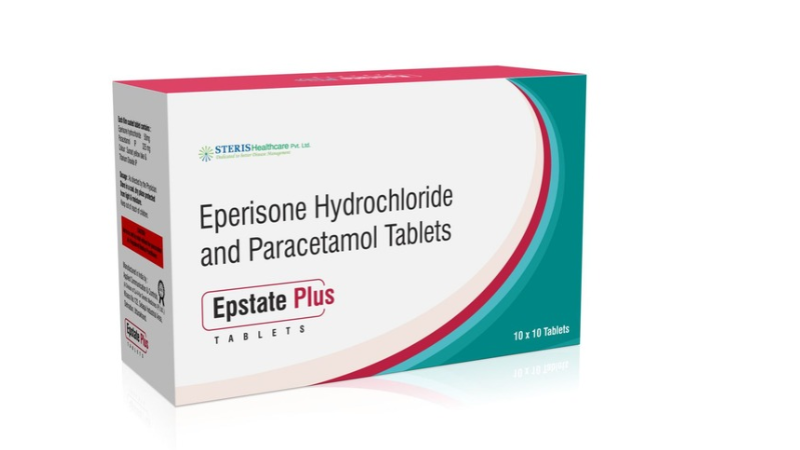
Eperisone Hydrochloride and Paracetamol Tablets: Uses, Benefits, Dosage
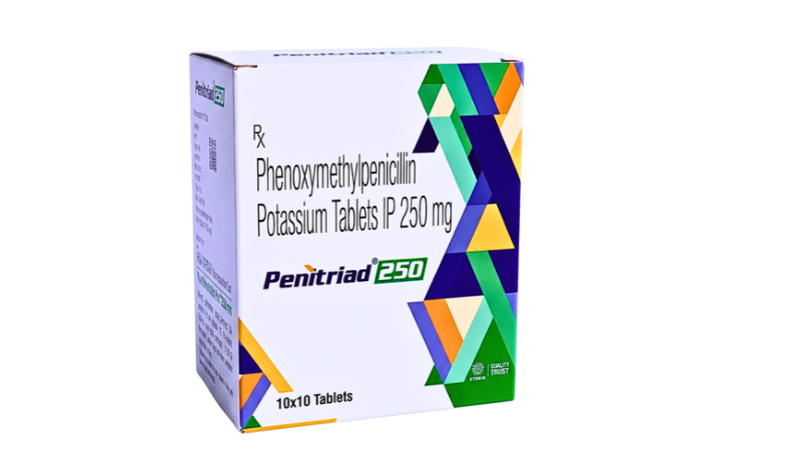
Phenoxymethylpenicillin Potassium 250 mg: Benefits, Safety and Common Side Effects
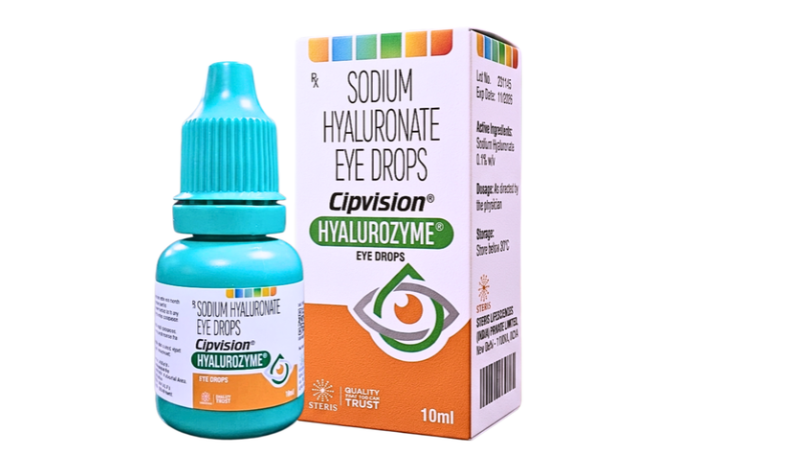
Sodium Hyaluronate Eye Drops for Dry Eyes
Levofloxacin Tablets IP 500 mg: Uses, Benefits, Side Effects & Price in India
Atorvastatin 80 mg Tablets IP – Uses, Benefits, Side Effects & Price in India
Amlodipine 5 mg And Indapamide 1.5 mg Sustained Release Tablets
Voglibose 0.2 mg and Repaglinide 1 mg Tablets IP: Uses, Benefits, Dosage and Side Effects
L-Methyl Folate,Methylcobalamin,Pyridoxal-5-Phosphate,DHA & Vitamin D3 Soft Gelatin Capsules
Glutathione With Vitamin C Tablets: Complete Guide to Skin Health
L-Glutathione With Vitamin C Effervescent Tablets: Uses, Benefits, Side Effects & Skin Health