


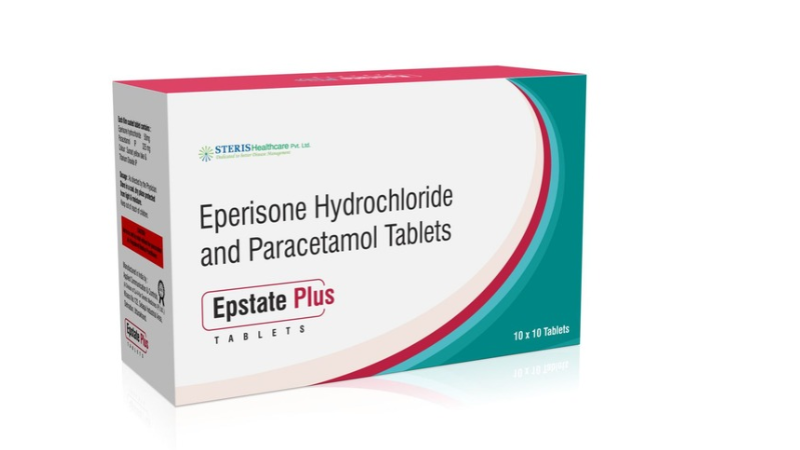


Eperisone Hydrochloride and Paracetamol Tablets: Uses, Benefits, Dosage
Nov 27, 2026
What Are Eperisone Hydrochloride and Paracetamol Tablets?
Eperisone Hydrochloride and Paracetamol Tablets are a combination medicine used to help manage pain associated with muscle spasms, muscle stiffness and certain musculoskeletal conditions. This medicine combines a muscle relaxant with a pain-relieving ingredient to provide symptomatic relief when prescribed by a healthcare professional.
The combination contains two active ingredients:
- Eperisone Hydrochloride: A centrally acting muscle relaxant that helps reduce increased muscle tension, stiffness and painful muscle spasms.
- Paracetamol: An analgesic (pain reliever) and antipyretic (fever reducer) that helps relieve pain and reduce fever.
Together, these ingredients provide complementary effects. Eperisone helps relax affected muscles, while paracetamol helps reduce the associated pain.
Depending on the manufacturer, available formulations may contain Eperisone 50 mg with Paracetamol 325 mg or 500 mg per tablet. Always check the actual product composition before use.
What Are Eperisone Hydrochloride and Paracetamol Tablets Used For?
Eperisone Hydrochloride and Paracetamol Tablets are primarily prescribed for the symptomatic management of pain associated with muscle spasms and musculoskeletal discomfort.
Common clinical applications may include:
1. Muscle Spasms and Muscle Pain
Muscle spasms can cause involuntary muscle contractions, discomfort and restricted movement. Eperisone helps relax tense muscles, while paracetamol provides pain relief.
2. Neck Pain and Muscle Stiffness
Neck muscle stiffness may develop due to prolonged sitting, poor posture, physical strain or certain musculoskeletal conditions. This combination may be prescribed to help manage associated muscular pain and stiffness.
3. Lower Back Pain
Certain episodes of lower back pain are associated with muscle tension and spasms. Healthcare professionals may prescribe this combination to help relieve muscular discomfort and improve movement.
4. Shoulder Muscle Discomfort
Muscular stiffness around the shoulder can interfere with everyday activities. Eperisone may help reduce muscle tension, while paracetamol helps manage associated pain.
5. Musculoskeletal Pain
This medicine may be used for symptomatic relief in selected musculoskeletal conditions where muscle spasms contribute to pain and restricted mobility.
The suitability of this medicine depends on the underlying cause of the symptoms and the patient's medical condition.
How Do Eperisone Hydrochloride and Paracetamol Tablets Work?
This medicine works through the combined action of its two active ingredients.
Eperisone Hydrochloride: Eperisone is a muscle relaxant that acts on the central nervous system, particularly the brain and spinal cord, to help reduce excessive skeletal muscle tone and painful muscle spasms. It may also improve local muscle blood flow through its effects on blood vessels.
Paracetamol: Paracetamol helps reduce pain by acting on pain-regulating pathways in the central nervous system. It also has antipyretic properties, meaning it can help lower an elevated body temperature.
By combining these mechanisms, the medicine helps address two important symptoms associated with muscle spasms: muscle tightness and pain.
Key Benefits of Eperisone Hydrochloride and Paracetamol Tablets
When prescribed for an appropriate condition, this combination offers several potential therapeutic benefits.
1. Helps Relax Stiff Muscles
Eperisone helps reduce excessive muscle tension and painful spasms, supporting improved muscular comfort.
2. Provides Pain Relief
Paracetamol helps relieve pain associated with muscle stiffness, physical strain and certain musculoskeletal conditions.
3. Supports Better Movement
Reducing muscle spasms and associated pain may help patients perform everyday activities more comfortably.
4. Combines Two Therapeutic Actions
The combination brings together muscle relaxation and pain relief in one oral formulation, reducing the need for separate medicines when this combination is appropriate.
5. Helps Manage Musculoskeletal Discomfort
It may be prescribed for selected cases of neck, shoulder and lower back discomfort associated with muscle spasms.
6. Convenient Oral Administration
The tablet formulation offers a convenient oral treatment option for patients who have been prescribed this combination.
These benefits are intended to provide symptomatic relief. The medicine does not necessarily treat the underlying cause of every type of muscle pain.
How to Take Eperisone Hydrochloride and Paracetamol Tablets
Eperisone Hydrochloride and Paracetamol Tablets should be taken only according to the prescription provided by a qualified healthcare professional.
The appropriate dosage depends on:
- The strength of the tablet.
- The patient's age and medical condition.
- The severity of muscle spasms and pain.
- Liver and kidney function.
- Other medicines being taken.
Follow these precautions:
- Take the tablet as directed by your doctor.
- Swallow the tablet with water according to the product instructions.
- Do not exceed the prescribed dose.
- Avoid taking additional paracetamol-containing medicines without checking with your doctor or pharmacist.
- Do not change the treatment duration independently.
Avoid alcohol during treatment unless your healthcare professional confirms otherwise. Alcohol can increase certain safety risks, particularly those involving drowsiness and liver injury.
Possible Side Effects of Eperisone Hydrochloride and Paracetamol Tablets
Like other medicines, this combination can cause side effects. Not everyone experiences them, and the effects may vary between individuals.
Common Side Effects
Possible side effects include:
- Dizziness.
- Drowsiness or sleepiness.
- General weakness.
- Nausea.
- Vomiting.
- Stomach discomfort.
- Headache.
- Dry mouth.
If these symptoms persist or become troublesome, consult your healthcare professional.
Serious Side Effects
Although uncommon, serious reactions require immediate medical attention.
Watch for:
- Severe allergic reactions, including facial swelling or difficulty breathing.
- Severe skin reactions, including blistering or peeling.
- Yellowing of the skin or eyes.
- Dark urine or unusual tiredness that may indicate liver problems.
- Severe or persistent abdominal discomfort.
Paracetamol overdose can cause serious liver damage, even if symptoms are initially absent. Seek urgent medical advice if an overdose is suspected.
Precautions Before Using This Medicine
Before taking Eperisone Hydrochloride and Paracetamol Tablets, inform your doctor about your medical history.
Liver Problems: Patients with liver disease should consult their healthcare professional before using paracetamol-containing medicines.
Kidney Problems: People with impaired kidney function may require individual medical assessment.
Pregnancy and Breastfeeding: Consult a doctor before using this combination during pregnancy or breastfeeding.
Allergies: Do not take the medicine if you have a known allergy to any of its ingredients.
Driving and Operating Machinery: Eperisone may cause dizziness or drowsiness. Avoid driving or operating machinery if you experience these effects.
Other Medicines: Inform your doctor about all medicines and supplements you are taking, particularly other paracetamol-containing products.
Why Should You Use This Medicine Responsibly?
Muscle pain can develop due to several reasons, including physical strain, poor posture, injuries and underlying musculoskeletal conditions. Although pain-relieving and muscle-relaxant medicines may help manage symptoms, identifying the underlying cause is equally important.
Eperisone Hydrochloride and Paracetamol Tablets should be used only when prescribed. Do not use them as a substitute for medical assessment, physiotherapy or other treatments recommended for your condition.
Conclusion
Eperisone Hydrochloride and Paracetamol Tablets combine the muscle-relaxing action of eperisone with the pain-relieving properties of paracetamol. They may be prescribed for managing muscle spasms, neck stiffness, shoulder discomfort, lower back pain and selected musculoskeletal conditions.
Their combined therapeutic action can help reduce muscular tension and associated pain, potentially supporting better everyday movement and comfort.
However, appropriate dosage, medical supervision and awareness of possible side effects are essential. Always consult a qualified healthcare professional before starting treatment, and check the exact tablet strength and product information.
Frequently Asked Questions
1. What are Eperisone Hydrochloride and Paracetamol Tablets used for?
Eperisone Hydrochloride and Paracetamol Tablets are used to manage pain associated with muscle spasms, muscle stiffness and selected musculoskeletal conditions. Eperisone relaxes muscles, while paracetamol helps relieve pain.
2. How do Eperisone and Paracetamol Tablets work?
Eperisone acts on the central nervous system to reduce excessive muscle tension and spasms. Paracetamol works through central pain-regulating pathways to provide pain relief.
3. Can Eperisone Hydrochloride and Paracetamol Tablets help with back pain?
They may be prescribed for lower back pain associated with muscle spasms and stiffness. A doctor should assess the underlying cause before recommending treatment.
4. What are the benefits of Eperisone Hydrochloride and Paracetamol Tablets?
Potential benefits include muscle relaxation, relief from associated pain, reduced muscle stiffness and improved comfort during everyday movements.
5. What are the common side effects of Eperisone and Paracetamol Tablets?
Common side effects may include dizziness, drowsiness, weakness, nausea, vomiting, headache and stomach discomfort.
6. Can Eperisone and Paracetamol Tablets cause sleepiness?
Yes. Eperisone may cause dizziness or drowsiness in some individuals. Avoid driving or operating machinery if you experience these symptoms.
7. Can I take Eperisone Hydrochloride and Paracetamol Tablets daily?
The frequency and duration of treatment should be determined by your doctor. Do not take the medicine more frequently or for longer than prescribed.
8. Can Eperisone and Paracetamol Tablets be taken for neck pain?
They may be prescribed for neck pain associated with muscle stiffness or spasms. The suitability of treatment depends on the underlying condition.
9. Is Eperisone Hydrochloride and Paracetamol safe during pregnancy?
Pregnant women should consult their doctor before taking this combination. A healthcare professional will assess the potential benefits and risks.
10. Can I take other painkillers with Eperisone and Paracetamol Tablets?
Do not combine this medicine with other painkillers without professional advice. In particular, taking additional paracetamol-containing medicines can increase the risk of overdose and liver damage.
11. Does Eperisone Hydrochloride and Paracetamol help with muscle stiffness?
Yes, it may help relieve muscle stiffness associated with spasms. Eperisone provides the muscle-relaxing action, while paracetamol helps manage associated pain.
12. Who should avoid Eperisone Hydrochloride and Paracetamol Tablets?
People with known allergies to the ingredients should avoid this medicine. Patients with liver or kidney conditions, pregnant or breastfeeding women, and people taking other medicines should seek medical advice before use.
Recent Post
Phenoxymethylpenicillin Potassium 250 mg: Benefits, Safety and Common Side Effects
Sodium Hyaluronate Eye Drops for Dry Eyes
Levofloxacin Tablets IP 500 mg: Uses, Benefits, Side Effects & Price in India
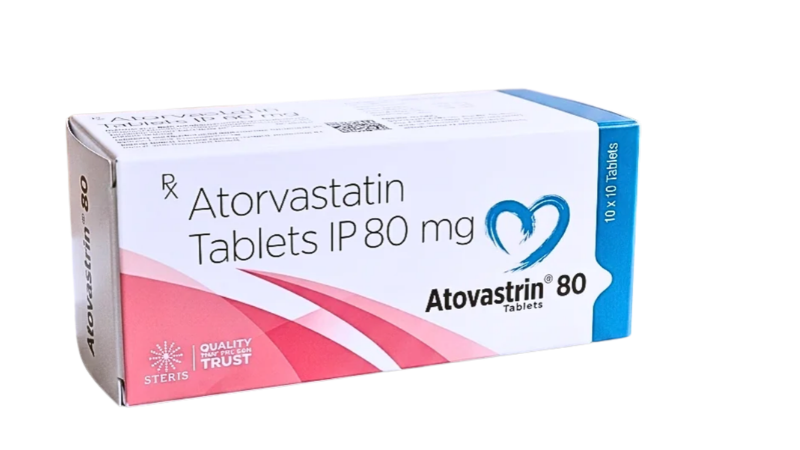
Atorvastatin 80 mg Tablets IP – Uses, Benefits, Side Effects & Price in India
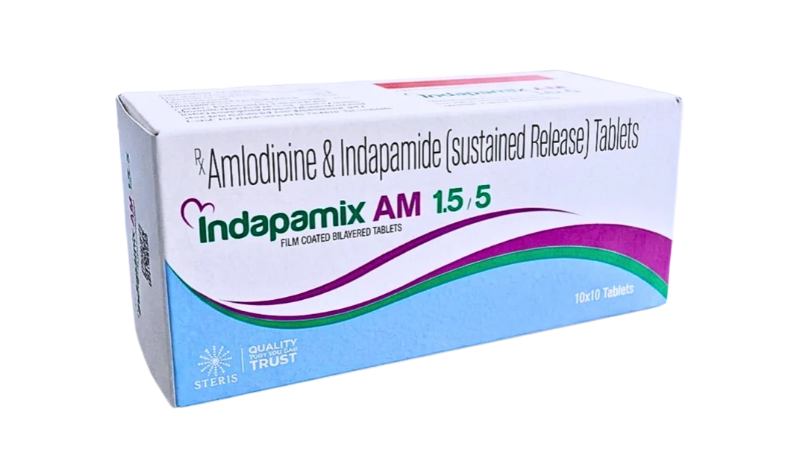
Amlodipine 5 mg And Indapamide 1.5 mg Sustained Release Tablets
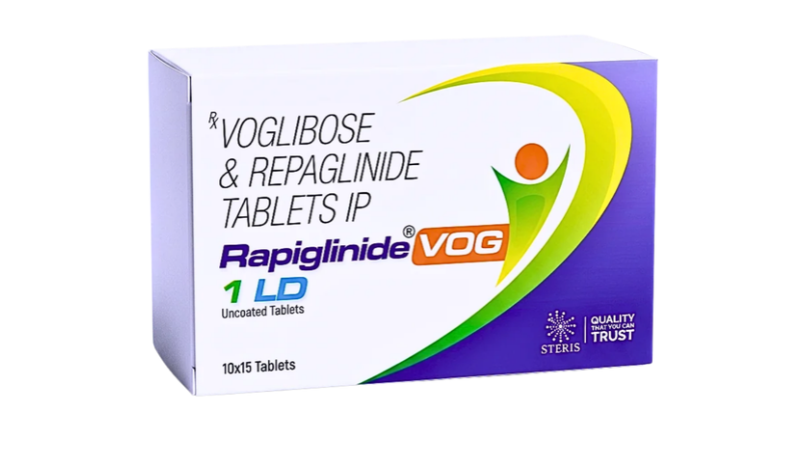
Voglibose 0.2 mg and Repaglinide 1 mg Tablets IP: Uses, Benefits, Dosage and Side Effects
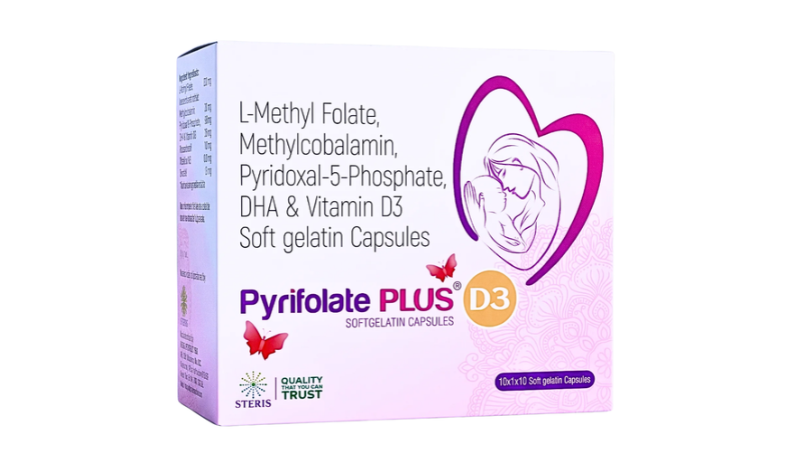
L-Methyl Folate,Methylcobalamin,Pyridoxal-5-Phosphate,DHA & Vitamin D3 Soft Gelatin Capsules
Glutathione With Vitamin C Tablets: Complete Guide to Skin Health

L-Glutathione With Vitamin C Effervescent Tablets: Uses, Benefits, Side Effects & Skin Health
Cefpodoxime Proxetil 200 mg And Clavulanate Potassium 125 mg Tablets: Uses, Benefits