




Obeticholic Acid 10mg: Liver-Related Uses, Risks and Safety Information
Nov 28, 2026
Introduction
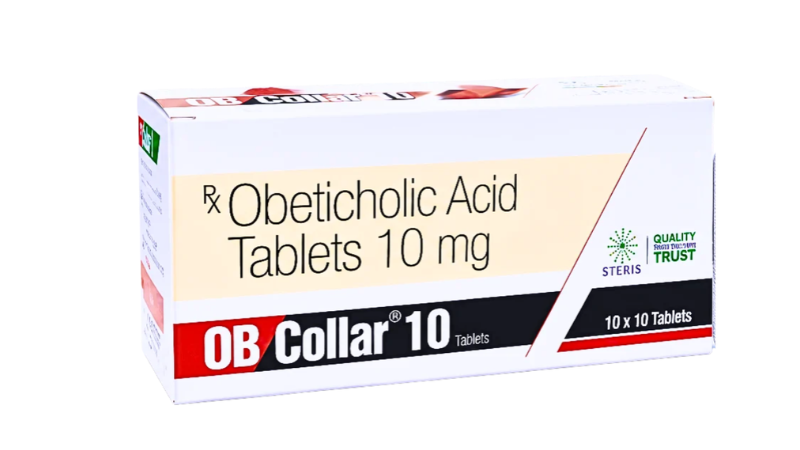
Obeticholic Acid (10mg) Tablets are prescription pharmaceutical tablets containing Obeticholic Acid, a bile acid derivative that acts as a farnesoid X receptor (FXR) agonist. This medicine has been developed to influence bile acid regulation and certain metabolic pathways involved in liver function.
Obeticholic Acid has been studied and used in relation to primary biliary cholangitis (PBC), a chronic autoimmune liver disease that affects the small bile ducts within the liver.
However, its regulatory status and approved indications have changed and differ by country. In particular, the US FDA withdrew approval of Ocaliva (obeticholic acid) in 2025 following safety and efficacy concerns. Therefore, its current availability and legal marketing status must be verified in the relevant country before prescribing, purchasing or distributing this medicine.
This guide explains its pharmacological action, historical therapeutic uses, potential benefits, serious safety risks, precautions and important purchasing considerations.
What Is Obeticholic Acid (10mg) Tablets?
Obeticholic Acid is a semi-synthetic bile acid derivative related to chenodeoxycholic acid. It activates the farnesoid X receptor, a nuclear receptor involved in regulating bile acid synthesis, transport and metabolism.
Its pharmacological activity influences pathways involved in:
-
Bile acid production and regulation.
-
Cholesterol metabolism.
-
Liver-related metabolic signalling.
-
Bile acid transport and homeostasis.
The 10mg strength refers to the quantity of Obeticholic Acid in the tablet. However, the suitability of this strength depends on the particular product, approved indication and prescribing guidance.
What Is Obeticholic Acid Used For?
Obeticholic Acid was developed primarily for the treatment of primary biliary cholangitis (PBC) in certain adult patients.
1. Primary Biliary Cholangitis (PBC)
Primary biliary cholangitis is a chronic autoimmune liver disease in which the immune system attacks and damages the small bile ducts inside the liver.
This can lead to:
-
Reduced bile flow.
-
Bile acid accumulation.
-
Chronic liver inflammation.
-
Progressive liver damage.
-
Development of liver fibrosis and cirrhosis in some patients.
Obeticholic Acid was historically used in selected adults with PBC who had an inadequate response to ursodeoxycholic acid (UDCA) or could not tolerate UDCA.
Its use was subject to important restrictions, particularly in patients with advanced liver disease.
Important regulatory qualification: The historical indication should not be interpreted as a current recommendation to start treatment. The US FDA withdrew Ocaliva's approval in 2025, and the medicine's regulatory status must be checked locally before any treatment decision.
How Does Obeticholic Acid Work?
Obeticholic Acid works by activating the farnesoid X receptor (FXR), which is involved in controlling bile acid production and metabolism.
FXR activation influences several biological processes.
1. Regulation of Bile Acid Synthesis
Obeticholic Acid activates FXR signalling, which helps regulate the production of new bile acids in the liver.
2. Influence on Bile Acid Transport
FXR signalling affects the expression of proteins involved in bile acid transport and circulation.
3. Support for Bile Acid Homeostasis
The medicine influences mechanisms responsible for maintaining the balance of bile acids within the body.
4. Effects on Liver-Related Metabolic Pathways
FXR also participates in metabolic signalling related to cholesterol, glucose and lipid regulation.
These pharmacological mechanisms explain why Obeticholic Acid was investigated for liver diseases involving bile acid imbalance. However, a biological mechanism does not by itself establish clinical benefit or prove that a medicine improves survival.
Key Therapeutic Benefits of Obeticholic Acid
Historically, Obeticholic Acid was investigated and prescribed for selected patients with PBC. Its potential therapeutic effects included:
1. Influence on Liver Enzyme Levels
Clinical studies evaluated its ability to improve biochemical markers associated with PBC, including alkaline phosphatase (ALP).
2. Bile Acid Regulation
Its FXR agonist activity influences bile acid production and metabolism, which are important processes in liver physiology.
3. Alternative Treatment Research
Obeticholic Acid was studied as an additional treatment option for patients who had an inadequate response to UDCA.
4. Targeted Pharmacological Action
Unlike medicines that act through general anti-inflammatory mechanisms, Obeticholic Acid targets FXR signalling pathways involved in bile acid regulation.
Clinical limitation: Improvements in laboratory markers should not automatically be interpreted as proof of improved long-term clinical outcomes. Regulatory authorities have raised concerns about clinical benefit and serious liver-related risks.
Side Effects of Obeticholic Acid (10mg) Tablets
Obeticholic Acid can cause adverse reactions, some of which may be serious. Patients and healthcare professionals should understand the safety profile before considering treatment.
Commonly Reported Side Effects
Reported adverse reactions include:
-
Itching (pruritus).
-
Fatigue.
-
Abdominal discomfort.
-
Nausea.
-
Headache.
-
Joint pain.
-
Dizziness.
-
Constipation.
The frequency and severity of side effects can vary between patients.
Serious Side Effects and Safety Warnings
1. Serious Liver Injury
One of the most important safety concerns associated with Obeticholic Acid is the risk of serious liver injury, including liver failure.
Patients with advanced liver disease may be particularly vulnerable.
2. Severe Itching
Pruritus can be significant and may affect sleep, daily activities and quality of life.
3. Worsening of Liver Function
Some patients may experience worsening liver-related complications. Changes in liver function require prompt medical assessment.
4. Gallbladder-Related Problems
Bile acid metabolism and biliary function require careful consideration during treatment. New or severe abdominal symptoms should be evaluated by a healthcare professional.
5. Drug Interactions
Obeticholic Acid may interact with certain medicines, including bile acid-binding resins and medicines that influence its metabolism.
Patients should disclose all prescription medicines, non-prescription products and supplements to their healthcare professional.
Who Should Avoid Obeticholic Acid?
Historically, treatment restrictions applied to patients with advanced liver disease, including those with:
-
Decompensated cirrhosis.
-
Previous hepatic decompensation.
-
Portal hypertension.
-
Other significant liver-related complications.
The exact contraindications and restrictions depend on the applicable product authorisation and prescribing information.
People with existing liver disease should receive specialist assessment before any treatment decision.
Dosage and Administration of Obeticholic Acid 10mg
The 10mg tablet strength should not be interpreted as a universal starting dose or a recommended dose for every patient.
Historically, dosing depended on the patient's clinical condition, previous response to UDCA, liver function and tolerability.
Important considerations include:
-
Treatment decisions must be made by a qualified hepatologist or specialist.
-
Liver function requires appropriate monitoring.
-
Patients should not change their dose independently.
-
Missed doses should be managed according to professional advice and the applicable product instructions.
-
Treatment should not be restarted or continued solely because tablets are available.
Because of the significant regulatory and safety developments involving Obeticholic Acid, historical dosage schedules should not be used as current prescribing instructions.
Why Is Regulatory Verification Important?
A medicine's historical approval does not guarantee that it can still be legally marketed or supplied.
For Obeticholic Acid, regulatory developments are particularly important because of concerns about clinical benefit and serious liver-related adverse outcomes.
Before placing a purchase order, buyers should verify:
-
Whether the product has a valid marketing authorisation in the destination country.
-
Whether the manufacturer is authorised to manufacture and supply it.
-
Whether distribution is permitted under current regulations.
-
Whether any regulatory suspension, withdrawal or restriction applies.
-
Whether the current prescribing information and safety warnings are available.
For B2B procurement, commercial quotations and supply arrangements should only be considered after regulatory eligibility has been confirmed.
Frequently Asked Questions
1. What are Obeticholic Acid (10mg) Tablets used for?
Obeticholic Acid was historically approved in certain markets for adults with primary biliary cholangitis (PBC), particularly those who did not respond adequately to ursodeoxycholic acid or could not tolerate it. Its current regulatory status must be checked before considering treatment.
2. How does Obeticholic Acid 10mg work?
Obeticholic Acid activates the farnesoid X receptor (FXR), which regulates bile acid synthesis, transport and metabolism. This mechanism influences bile acid homeostasis and liver-related metabolic pathways.
3. What are the potential benefits of Obeticholic Acid?
Historically, clinical studies showed improvements in certain biochemical markers, including alkaline phosphatase. However, confirmatory evidence did not establish the expected clinical benefit on disease progression or survival. It should not be promoted as a proven treatment for preventing liver failure.
4. What are the common side effects of Obeticholic Acid 10mg?
Reported side effects include itching, fatigue, abdominal discomfort, nausea, headache and dizziness. Serious concerns include worsening liver function and hepatic failure.
5. Can Obeticholic Acid cause liver damage?
Yes. Serious liver injury, hepatic decompensation and liver failure have been reported. Patients with existing liver disease may face significant risks. Medical supervision and appropriate liver assessment are essential.
6. Is Obeticholic Acid used for fatty liver disease?
Obeticholic Acid has been investigated in clinical research involving liver-related conditions, including metabolic dysfunction-associated steatohepatitis (MASH, formerly NASH). However, it should not be considered an approved or established treatment for fatty liver disease based on those investigations.
7. What is the difference between Obeticholic Acid 5mg and 10mg?
The strengths contain different quantities of the active ingredient. The appropriate dose historically depended on clinical circumstances and prescribing information. The 10mg strength is not automatically suitable for every patient.
8. Can Obeticholic Acid be taken with Ursodeoxycholic Acid?
Historically, Obeticholic Acid was used alongside UDCA in selected adults with PBC who had an inadequate response to UDCA. Whether any treatment involving these medicines is appropriate today requires specialist assessment and verification of current regulatory guidance.
9. Is Obeticholic Acid 10mg approved by the FDA?
No. FDA approval of Ocaliva 5mg and 10mg and the three associated generic ANDAs was withdrawn effective November 24, 2025.
10. Is Obeticholic Acid 10mg available in India?
Availability and legal marketing status must be verified with current CDSCO records and the relevant state licensing authority. Earlier Indian regulatory approvals do not, by themselves, establish current permission to market or distribute the product.
11. What precautions should be followed before using Obeticholic Acid?
Patients should undergo specialist evaluation of liver health, understand the risk of hepatic complications, disclose other medicines and follow current regulatory and prescribing instructions. Self-medication should be avoided.
12. What should pharmaceutical buyers check before purchasing Obeticholic Acid 10mg Tablets?
Buyers should verify the manufacturer's identity, valid product-specific marketing authorisation, manufacturing licence, current regulatory status, batch documentation, quality certificates, expiry date and approved prescribing information. Procurement should only proceed when legally authorised.
Recent Post

Multi-Ingredient Face Wash: Benefits of Niacinamide, Glycolic Acid and Salicylic Acid
Venlafaxine 37.5 mg: Uses, Benefits, Side Effects & Precautions
Glimepiride 0.5mg: Uses, Blood Sugar Control and Possible Side Effects
Linagliptin 5mg and Metformin Hydrochloride SR 500mg for Type 2 Diabetes
Eperisone Hydrochloride and Paracetamol Tablets: Uses, Benefits, Dosage
Phenoxymethylpenicillin Potassium 250 mg: Benefits, Safety and Common Side Effects
Sodium Hyaluronate Eye Drops for Dry Eyes
Levofloxacin Tablets IP 500 mg: Uses, Benefits, Side Effects & Price in India
Atorvastatin 80 mg Tablets IP – Uses, Benefits, Side Effects & Price in India
Amlodipine 5 mg And Indapamide 1.5 mg Sustained Release Tablets