





Clindamycin (300mg) & CLINDAZYME 300 : Benefits, Uses, Side Effects and Other Information.
Apr 15, 2024
Clindamycin 300mg is a prescription antibiotic used to treat serious bacterial infections including skin and soft tissue infections, dental abscesses, bone infections, and respiratory tract infections. It works by inhibiting bacterial protein synthesis. Adults typically take one 300mg capsule every 6–8 hours (1,200–1,800mg/day). It is not effective against viral infections. Always complete the full course to prevent antibiotic resistance.
What Is Clindamycin 300mg?
Clindamycin 300mg is a lincosamide antibiotic available in oral capsule form, prescribed for the treatment of moderate-to-severe bacterial infections caused by susceptible gram-positive bacteria and anaerobic organisms. It is a prescription-only medicine (POM) in India, the UK, the US, and most countries worldwide.
The 300mg capsule is one of the most commonly prescribed oral doses for adults. Clindamycin belongs to the lincosamide class of antibiotics and is considered a broad-spectrum agent effective against many strains that are resistant to penicillin-class antibiotics.
Clindamycin was first approved by the US FDA in 1970 and remains on the World Health Organization (WHO) List of Essential Medicines as of 2023. It is manufactured under multiple brand names including Dalacin C (Pfizer), Clindac (Cipla), and Climycin, among others.
What Is Clindamycin 300mg Used For?
Clindamycin 300mg is prescribed by doctors to treat a wide range of bacterial infections. Below are the primary approved indications:
Approved Clinical Uses:
- Skin and soft tissue infections – cellulitis, infected wounds, abscesses caused by Staphylococcus aureus (including some MRSA strains)
- Dental and oral infections – dental abscesses, pericoronitis, periodontitis (especially in patients allergic to penicillin)
- Bone and joint infections – osteomyelitis and septic arthritis caused by susceptible organisms
- Respiratory tract infections – aspiration pneumonia, lung abscess, and serious tonsillar infections
- Gynaecological infections – pelvic inflammatory disease (PID), endometritis, and bacterial vaginosis (alternative treatment)
- Intra-abdominal infections – peritonitis and abdominal abscesses (often used in combination)
- Toxoplasmosis – used in combination with pyrimethamine in HIV-positive patients
- Malaria – used as second-line treatment in combination with quinine
Off-Label Uses (as prescribed by physicians):
- Acne vulgaris (oral, as an adjunct)
- Pneumocystis pneumonia (PCP) prophylaxis in immunocompromised patients
- Anthrax post-exposure prophylaxis
How Does Clindamycin Work?
Clindamycin works by binding to the 50S subunit of the bacterial ribosome, thereby blocking protein synthesis. Without the ability to produce essential proteins, bacteria cannot grow, replicate, or repair themselves — causing the infection to resolve as the immune system clears the remaining organisms.
Step-by-step mechanism:
- Absorption: Clindamycin 300mg is rapidly absorbed from the gastrointestinal tract after oral administration. Peak plasma concentrations are reached within 45–60 minutes.
- Distribution: It distributes widely into body tissues including bone, lung, liver, and skin. Notably, it achieves high concentrations in bone tissue — making it particularly effective for osteomyelitis.
- Protein binding: Approximately 90–94% of clindamycin in the bloodstream is bound to plasma proteins.
- Ribosomal binding: The active drug binds to the 50S ribosomal subunit in susceptible bacteria, blocking the translocation step of peptide chain elongation.
- Bacteriostatic effect: At standard doses, clindamycin is primarily bacteriostatic (inhibits bacterial growth). At higher concentrations, it may be bactericidal against some organisms.
- Metabolism: Clindamycin is metabolised in the liver via CYP3A4 enzymes into active and inactive metabolites.
- Elimination: Metabolites are excreted through bile and urine, with a half-life of approximately 2–3 hours in adults with normal renal function.
Clindamycin 300mg Dosage Guide
| Patient Group | Dose | Frequency | Daily Total |
|---|---|---|---|
| Adults (standard infections) | 300mg | Every 8 hours | 900mg/day |
| Adults (severe infections) | 300mg | Every 6 hours | 1,200mg/day |
| Adults (very severe infections) | 450mg | Every 6 hours | 1,800mg/day |
| Children (>1 month, oral) | 3–6 mg/kg | Every 6–8 hours | Weight-based |
| Dental abscess (adults) | 300mg | Every 8 hours (5 days) | 900mg/day |
| Penicillin-allergic endocarditis prophylaxis | 600mg | Single dose (pre-procedure) | 600mg |
Important: Always follow your doctor's prescribed dosage. Do not self-adjust the dose. The typical treatment duration is 5–14 days depending on infection type and severity
Key Statistics & Clinical Data
| Metric | Value | Source |
|---|---|---|
| Bioavailability (oral) | ~90% | Pfizer prescribing information, 2022 |
| Time to peak plasma concentration | 45–60 minutes | Clinical Pharmacokinetics, 2021 |
| Protein binding | 90–94% | WHO Drug Information, 2023 |
| Half-life (adults) | 2–3 hours | FDA label, 2022 |
| Bone tissue penetration | ~40% of serum levels | IDSA Guidelines, 2023 |
| MRSA susceptibility rate (community-acquired) | ~60–75% (varies by region) | CDC Antibiogram Data, 2023 |
| C. difficile risk vs amoxicillin | ~3× higher risk | BMJ, 2021 |
| Global annual prescriptions | >100 million courses/year | WHO AMR Report, 2022 |
Clindamycin 300mg Side Effects
Common Side Effects
- Diarrhoea (most frequently reported — up to 20% of patients)
- Nausea and vomiting
- Abdominal discomfort or cramping
- Metallic or unpleasant taste in the mouth
- Oesophageal irritation (if taken without adequate water)
Serious Side Effects — Seek Immediate Medical Attention
- Clostridioides difficile–associated diarrhoea (CDAD): Clindamycin carries one of the highest risks among antibiotics for triggering C. difficile colitis. Symptoms include profuse watery or bloody diarrhoea, severe abdominal cramping, and fever. Can be life-threatening if untreated.
- Severe allergic reaction (anaphylaxis): Rash, urticaria, facial swelling, difficulty breathing — rare but requires emergency treatment.
- Stevens-Johnson Syndrome (SJS) / Toxic Epidermal Necrolysis (TEN): Rare but serious skin reactions — blistering, peeling skin, mucous membrane involvement.
- Jaundice or liver enzyme elevation: Rare hepatotoxicity has been reported with prolonged use.
Who Should NOT Take Clindamycin 300mg?
- Patients with a known hypersensitivity to clindamycin or lincomycin
- Patients with a history of Clostridioides difficile colitis or antibiotic-associated colitis
- Patients with severe hepatic impairment (dose adjustment required in moderate impairment)
- Use with caution in neonates and patients with atopic conditions (higher risk of sensitisation)
Drug Interactions with Clindamycin 300mg
| Interacting Drug | Effect | Clinical Action |
|---|---|---|
| Neuromuscular blockers (e.g., vecuronium) | Enhanced neuromuscular blockade | Avoid combination |
| Erythromycin / Azithromycin | Antagonism (compete at same ribosomal site) | Do not combine |
| Kaolin-pectin antidiarrhoeals | Reduced clindamycin absorption | Separate by 2+ hours |
| Warfarin | May increase anticoagulant effect | Monitor INR closely |
| Cyclosporine | Possible reduced cyclosporine levels | Monitor drug levels |
| Rifampicin | May reduce clindamycin efficacy | Use with caution |
Frequently Asked Questions
What is clindamycin 300mg used for?
Clindamycin 300mg is used to treat bacterial infections caused by susceptible gram-positive bacteria and anaerobic organisms. Common uses include skin and soft tissue infections, dental abscesses, bone infections (osteomyelitis), respiratory infections such as aspiration pneumonia, and pelvic inflammatory disease. It is frequently prescribed as an alternative for patients allergic to penicillin antibiotics.
How long does clindamycin 300mg take to work?
Most patients begin to notice symptomatic improvement within 48–72 hours of starting clindamycin 300mg. For skin infections, visible reduction in redness and swelling typically occurs within 2–3 days. However, the full prescribed course (usually 5–14 days) must be completed even if symptoms resolve earlier, to prevent antibiotic resistance and relapse.
Can I take clindamycin 300mg with food?
Yes — taking clindamycin 300mg with food is recommended and helps reduce gastrointestinal side effects such as nausea and stomach cramps. Always swallow capsules with a full glass of water (at least 240ml) while sitting upright to prevent oesophageal irritation.
Is clindamycin 300mg safe in pregnancy?
Clindamycin is classified as FDA Pregnancy Category B, meaning animal studies have not shown foetal harm, and it is generally considered safe for use during pregnancy when the benefit outweighs the risk. It is commonly used to treat bacterial vaginosis in pregnant women. Always consult your obstetrician before starting any antibiotic during pregnancy.
Can clindamycin 300mg treat tooth infections?
Yes. Clindamycin 300mg is one of the most commonly prescribed antibiotics for dental abscesses and tooth infections, particularly in patients with penicillin allergies. The standard dental dose is 300mg three times daily for 5 days. It effectively covers oral anaerobic bacteria commonly responsible for dental infections.
What should I avoid while taking clindamycin?
Avoid alcohol as it may worsen gastrointestinal side effects. Do not take antidiarrhoeal medications (e.g., loperamide) if you develop diarrhoea during treatment, as this can mask or worsen C. difficile colitis. Inform your doctor about all other medications, particularly neuromuscular-blocking agents (clindamycin can enhance their effect).
What happens if I miss a dose of clindamycin 300mg?
Take the missed dose as soon as you remember. However, if it is nearly time for your next scheduled dose, skip the missed dose and continue on your regular schedule. Do not double the dose to make up for the missed one.
For Further More Information:
Mail Us: contact@sterispharma.com or info@sterispharma.com
Call Now: +918824175417, +919982524671
Recent Post
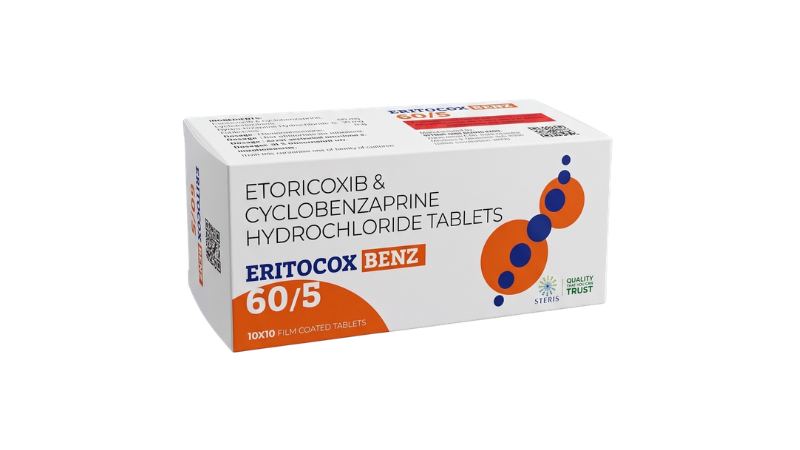
ERITOCOX BENZ 60/5 Dosage Guide: How to Take Etoricoxib & Cyclobenzaprine Tablets Safely
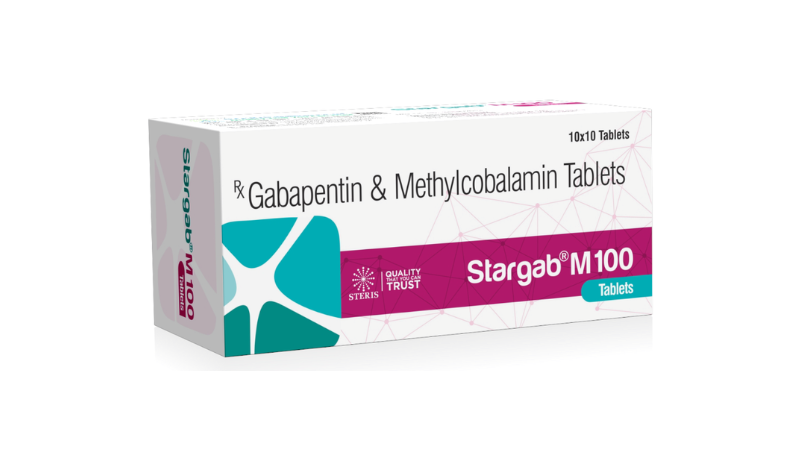
Gabapentin and Methylcobalamin Tablets Side Effects: What Patients Should Know
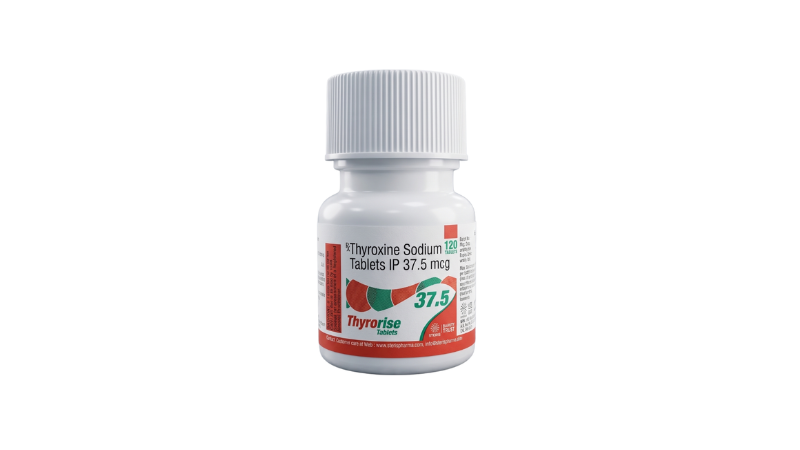
Thyroxine sodium tablets IP: उपयोग, फायदे और साइड इफेक्ट्स
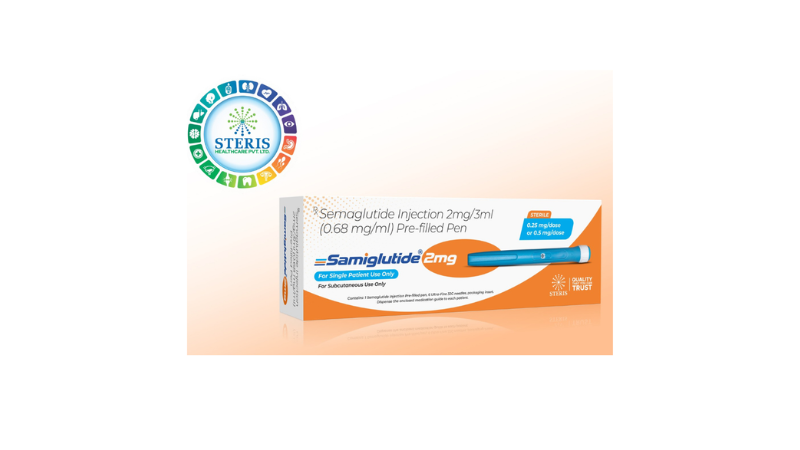
Semaglutide 2 mg Injection Dosage Guide: How to Use It Safely
Buy Multivitamin + L-Carnitine + Taurine Protein Powder | Sterimmune
Semaglutide Injection Pen 8 mg: Step-by-Step Dosage & Precautions
BEST semaglutide injection price in india
How Semaglutide Injection 4 mg Helps Control Blood Sugar
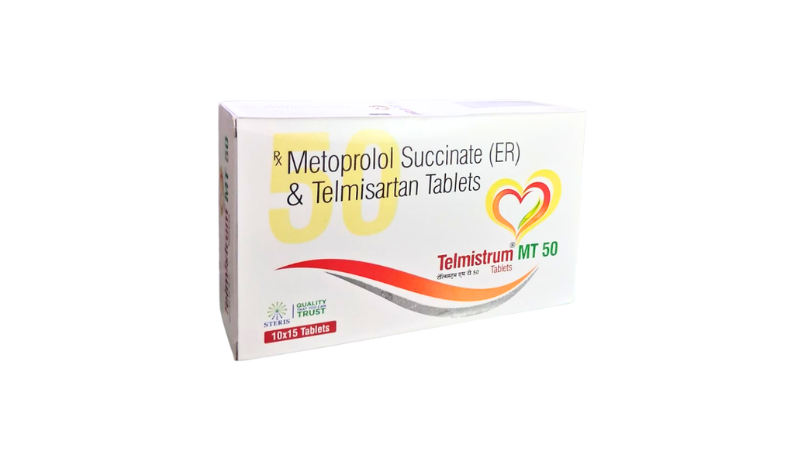
What Is Telmisartan and Metoprolol Succinate Combination Used For?
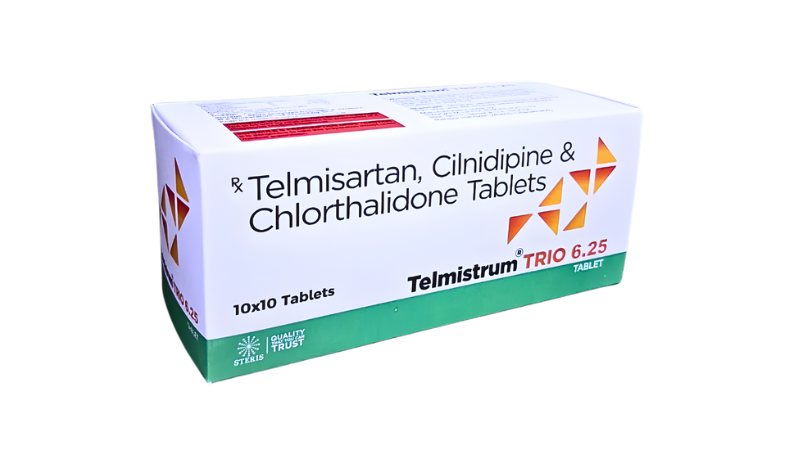
TELMISTRUM TRIO 6.25: Telmisartan, Cilnidipine & Chlorthalidone Uses & Side Effects

