


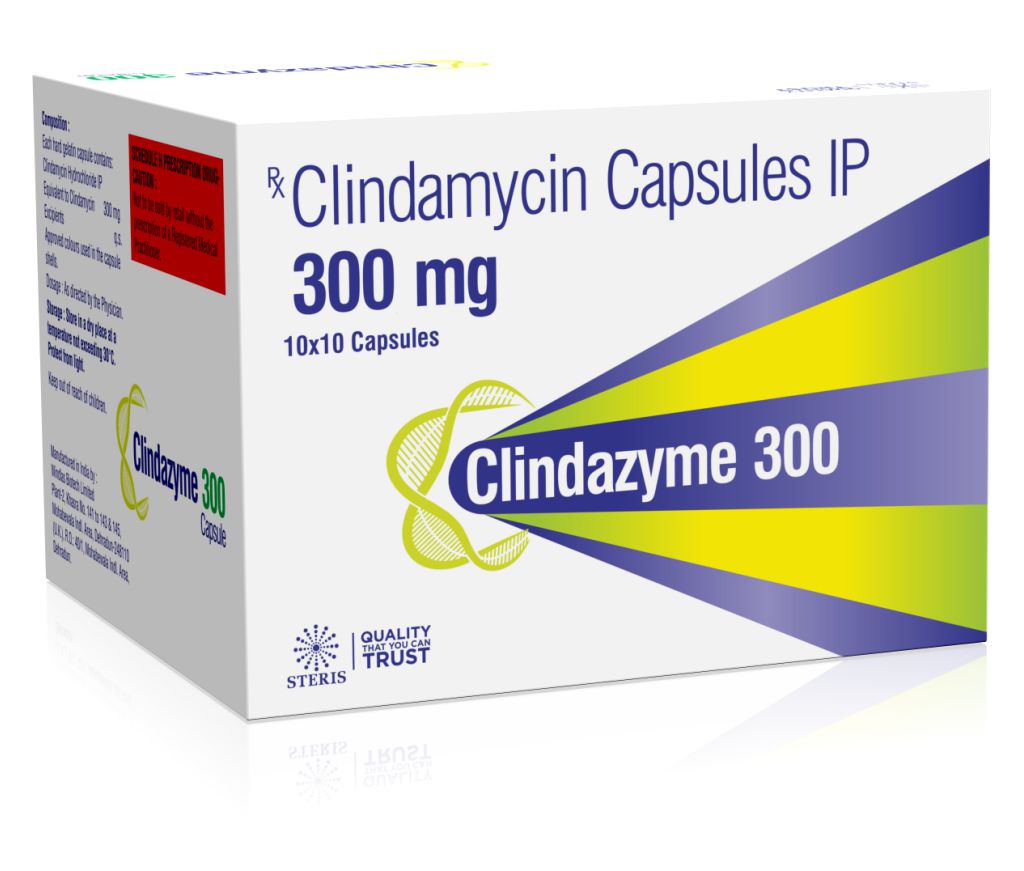
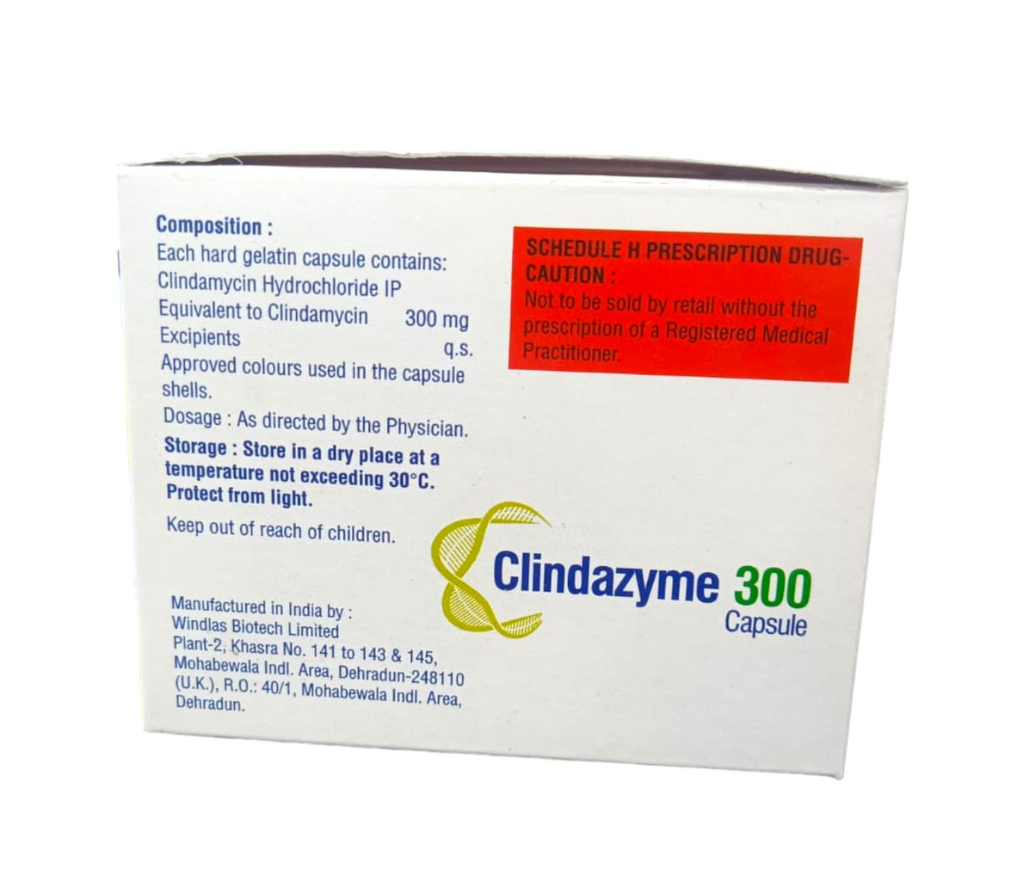
Clindamycin 300 mg | CLINDAZYME 300
 Item requires a valid prescription
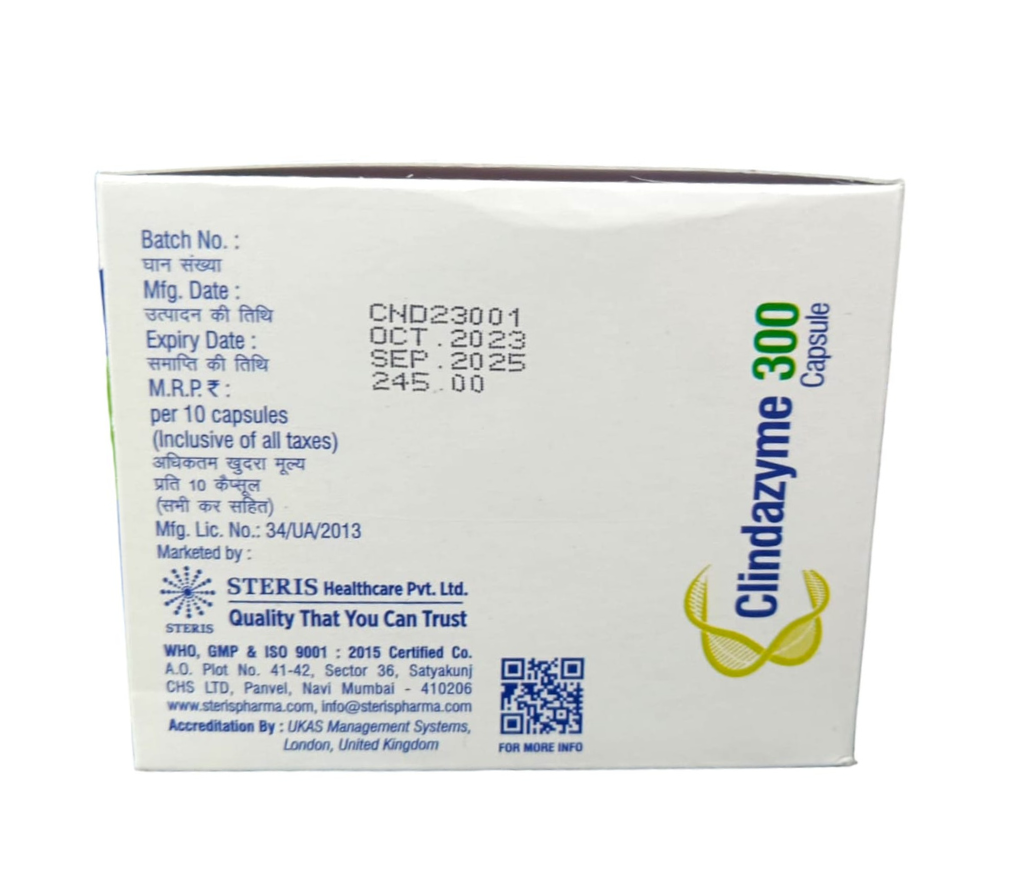
Manufactured By Steris Healthcare Pvt Ltd
Composition Clindamycin (300mg)
Rs 171.50
MRP Rs 245.00
(30% OFF)
Includes all taxes
Package SIZE
( For 10 Capsule )

100% Authentic
Products

Free
Shipping*

Products
Return Policy
Description:
Clindamycin 300 mg is a prescription antibiotic that is most often used for bacterial infections of the skin, respiratory tract, bones, joints, abdomen, dental tissues, and female reproductive organs. It is an antibiotic in the lincosamide class and works by inhibiting bacterial growth so that the immune system can clear the infection effectively. If your doctor has prescribed Clindamycin 300 mg, it is important that you take the medication exactly as prescribed and complete the entire course of treatment, even if your symptoms improve before the treatment is over.
What is Clindamycin 300 mg?
Clindamycin 300 mg is an oral antibiotic capsule formulated to combat infections caused by susceptible bacteria. It is commonly prescribed when penicillin-based antibiotics are not suitable or when bacteria are resistant to other treatments. By inhibiting bacterial protein synthesis, Clindamycin prevents bacteria from multiplying and spreading throughout the body.
Healthcare professionals frequently recommend Clindamycin 300 mg for moderate to severe bacterial infections. It is not effective against viral illnesses such as the common cold, influenza, or COVID-19. Using antibiotics only when medically necessary helps reduce the development of antibiotic resistance.
Patients often choose Clindamycin 300mg because of its proven effectiveness against anaerobic bacteria and several gram-positive organisms. It is available in capsule form, making it convenient for home treatment when prescribed by a licensed medical professional.
How Does Clindamycin 300 mg Work?
Clindamycin works by binding to bacterial ribosomes, preventing bacteria from producing proteins required for survival and reproduction. Without these essential proteins, bacteria stop growing, allowing the immune system to eliminate the infection naturally.
The medication begins working shortly after administration, although noticeable symptom improvement may take 48 to 72 hours depending on the severity and type of infection. Completing the prescribed course is essential to ensure all bacteria are eliminated and to reduce the risk of recurrence.
Clindamycin 300 mg Uses
Clindamycin 300 mg is prescribed for a wide range of bacterial infections, including those involving different parts of the body.
Uses
- Skin and soft tissue infections
- Dental abscesses and severe tooth infections
- Respiratory tract infections
- Bone and joint infections
- Pelvic inflammatory disease
- Intra-abdominal bacterial infections
- Ear, nose, and throat infections
- Certain bloodstream infections
- Post-surgical bacterial infections
- Infections caused by anaerobic bacteria
Your doctor will determine whether Clindamycin 300 mg is appropriate based on laboratory testing, symptoms, and medical history.
Benefits of Clindamycin 300 mg
Clindamycin is widely prescribed because it offers several therapeutic advantages for bacterial infections.
Benefits
- Effectively treats a broad range of bacterial infections
- Suitable for patients allergic to penicillin in many cases
- Strong activity against anaerobic bacteria
- Helps reduce pain, swelling, and inflammation caused by infection
- Available in convenient oral capsule form
- Well absorbed after oral administration
- Can treat infections affecting multiple body systems
- Often produces noticeable symptom improvement within a few days
- Helps prevent complications from untreated bacterial infections
- Supports faster recovery when used as prescribed
Clindamycin 300 mg Dosage
The dosage of Clindamycin 300 mg depends on the type and severity of infection, age, kidney function, liver function, and overall health. Most adults take one capsule every 6 to 8 hours, but treatment plans vary according to individual medical needs.
Take each dose with a full glass of water to help prevent irritation of the esophagus. Clindamycin may be taken with or without food, although taking it with food may reduce stomach discomfort. Never increase, decrease, or stop the medication without consulting your healthcare provider.
If you miss a dose, take it as soon as you remember unless it is almost time for your next scheduled dose. Do not double doses to compensate for a missed capsule.
Clindamycin 300 mg Side Effects
Like all prescription medications, Clindamycin 300 mg may cause side effects. Most are mild and temporary, but some require immediate medical attention.
Side Effects
- Nausea
- Vomiting
- Diarrhea
- Stomach pain
- Heartburn
- Metallic or unpleasant taste
- Skin rash
- Itching
- Yeast infections
- Headache
Seek immediate medical care if you experience severe allergic reactions, difficulty breathing, persistent diarrhea, bloody stools, severe abdominal pain, or signs of liver problems.
Precautions Before Taking Clindamycin 300 mg
Before beginning treatment, inform your healthcare provider about any allergies, current medications, liver disease, kidney disease, digestive disorders, or previous antibiotic-associated colitis. Patients with a history of severe gastrointestinal disease should use Clindamycin cautiously because antibiotics may increase the risk of serious intestinal complications.
Pregnant or breastfeeding women should use Clindamycin only under medical supervision. Always disclose all prescription medications, over-the-counter medicines, vitamins, and herbal supplements to reduce the risk of drug interactions.
Drug Interactions
Certain medications may affect how Clindamycin works or increase the likelihood of side effects. Muscle relaxants, erythromycin, certain antibiotics, and medications affecting liver enzymes may interact with Clindamycin. Your healthcare provider will review your medication list before prescribing treatment to minimize interaction risks.
Storage Instructions
Store Clindamycin 300 mg capsules at room temperature away from excessive heat, moisture, and direct sunlight. Keep the medication in its original container with the lid tightly closed. Always store medicines out of reach of children and pets. Do not use expired capsules, and dispose of unused medication according to local pharmaceutical disposal guidelines.
Who Should Not Take Clindamycin 300 mg?
Clindamycin may not be suitable for everyone. Individuals with a known allergy to Clindamycin or lincomycin should avoid this medication. Patients with severe antibiotic-associated colitis, inflammatory bowel disease, or serious liver disease require careful medical evaluation before use. A licensed healthcare professional should determine whether Clindamycin is appropriate based on individual health conditions.
Why Buy Clindamycin 300 mg Online?
Purchasing Clindamycin 300 mg from a trusted and licensed online pharmacy offers convenience, privacy, and access to authentic medications. Reputable pharmacies provide secure ordering, prescription verification, quality assurance, and reliable customer support. Always ensure that your pharmacy complies with local pharmaceutical regulations and dispenses genuine prescription medicines.
Why Choose Clindamycin 300 mg?
Clindamycin 300 mg remains a trusted treatment option for bacterial infections because of its broad antibacterial activity, reliable effectiveness, and ability to treat infections in patients who cannot take certain other antibiotics. When prescribed appropriately and used according to medical instructions, it helps eliminate bacterial infections, relieve symptoms, and reduce the risk of serious complications.
Patients should always complete the full treatment course, follow dosage instructions carefully, and consult a healthcare professional if symptoms persist or worsen during therapy.
Frequently Asked Questions
What is clindamycin 300 mg used for?
Clindamycin 300 mg is used to treat bacterial infections affecting the skin, lungs, teeth, bones, joints, abdomen, and reproductive organs. It is not effective against viral infections.
How long does Clindamycin 300 mg take to work?
Many patients notice improvement within 48 to 72 hours, although completing the full prescribed course is essential even if symptoms improve earlier.
Can I take Clindamycin 300 mg with food?
Yes. Clindamycin may be taken with or without food. Taking it with food may help reduce stomach upset.
Is Clindamycin 300 mg a strong antibiotic?
Yes. Clindamycin is considered an effective antibiotic for treating many serious bacterial infections, especially those caused by anaerobic bacteria and certain gram-positive organisms.
Can Clindamycin 300 mg treat tooth infections?
Yes. Dentists commonly prescribe Clindamycin 300mg for dental abscesses and severe tooth infections, particularly in patients allergic to penicillin.
Can I stop taking Clindamycin when I feel better?
No. Always complete the full prescribed course to ensure the infection is fully treated and to reduce antibiotic resistance.
What should I avoid while taking Clindamycin 300 mg?
Avoid skipping doses, sharing your medication with others, and using leftover antibiotics without medical advice. Inform your doctor about all medications you take to avoid interactions.
Does Clindamycin 300 mg cause diarrhea?
Yes. Mild diarrhea is a common side effect. However, severe or persistent diarrhea, especially with blood or abdominal pain, requires immediate medical attention.
Can pregnant women take Clindamycin 300 mg?
Clindamycin may be prescribed during pregnancy when the potential benefits outweigh the risks. Always follow your healthcare provider's recommendations.
Is clindamycin 300 mg a strong antibiotic?
Yes, clindamycin 300 mg is considered a moderately potent broad-spectrum antibiotic with targeted activity against anaerobes and Gram-positive bacteria. What makes it particularly strong in clinical terms is its excellent penetration into bone, abscesses, and white blood cells — areas where many common antibiotics like amoxicillin cannot achieve effective concentrations. It carries a boxed warning for the risk of Clostridioides difficile colitis, which further underlines its potency and the need for careful prescribing.
Can clindamycin 300 mg be taken with food?
Yes, clindamycin 300 mg capsules can be taken with or without food. However, taking it with food or a full glass of water is advisable to reduce the risk of nausea, esophageal irritation, or stomach discomfort. Patients should not lie down immediately after swallowing the capsule. The antibiotic's oral bioavailability remains approximately 90% regardless of food intake, meaning food does not significantly reduce its absorption.
What is the difference between clindamycin 150 mg and 300 mg?
Clindamycin 150 mg and 300 mg contain the same active molecule — clindamycin hydrochloride — but differ in dosage strength. The 150 mg dose is typically used for mild infections or in paediatric weight-based dosing, while the 300 mg dose is preferred for moderate-to-severe infections in adults. A physician may prescribe 300 mg every 6 hours (1,200 mg/day) for serious infections, making the 300 mg formulation more convenient and ensuring better patient compliance versus two 150 mg capsules per dose.
What is the most serious side effect of clindamycin?
The most serious and well-documented side effect of clindamycin 300 mg is Clostridioides difficile-Associated Diarrhea (CDAD), also known as pseudomembranous colitis. This condition occurs when clindamycin disrupts normal gut flora, allowing C. difficile bacteria to overgrow and produce toxins that damage the colon lining. Symptoms include severe, watery or bloody diarrhea, abdominal cramping, and fever. If a patient develops these symptoms during or after clindamycin therapy, the antibiotic must be discontinued immediately and medical attention sought. This risk is why clindamycin is available only on prescription in India (Schedule H).
Is clindamycin 300 mg effective against MRSA?
Clindamycin has demonstrated activity against community-acquired Methicillin-Resistant Staphylococcus aureus (CA-MRSA) and is sometimes used in treatment protocols for CA-MRSA skin and soft tissue infections. However, its use should always be guided by culture and sensitivity testing, as inducible clindamycin resistance (detected via the D-zone disk diffusion test) is clinically important and can lead to treatment failure. Hospital-acquired MRSA is often resistant. A physician or microbiologist should always guide MRSA treatment decisions.
Who should not take clindamycin 300 mg?
Clindamycin 300 mg should not be taken by patients who have a documented allergy to clindamycin or lincomycin, or those with a prior history of clindamycin-associated colitis or antibiotic-associated diarrhea. It is not recommended for treating meningitis, as it does not penetrate the cerebrospinal fluid adequately. Patients with severe hepatic impairment should use it only under close physician supervision. Pregnant women and breastfeeding mothers should consult their obstetrician before use, as clindamycin crosses the placenta and is excreted in breast milk.
What is the price of clindamycin 300 mg in India?
The retail price of clindamycin 300 mg capsules in India varies by brand, manufacturer, and region, typically ranging from ₹80 to ₹200 per strip of 10 capsules. Generic versions are generally more affordable than branded innovator formulations. For PCD pharma franchise partners and bulk procurement enquiries, Steris Healthcare offers competitive ex-factory pricing with WHO-GMP quality assurance. Contact Shreyash at 9079018580 or visit sterispharma.co.in for franchise pricing and availability.
Can Clindamycin 300 mg be used for acne?
Oral Clindamycin may be prescribed in selected cases of severe acne, but it should only be used under the guidance of a dermatologist.
Is Clindamycin 300 mg available without a prescription?
In many countries, Clindamycin 300mg is a prescription-only medication and should only be used under the supervision of a qualified healthcare professional.
How should I store Clindamycin 300 mg capsules?
Store the capsules at room temperature in a dry place away from direct sunlight, moisture, and heat, and keep them out of the reach of children.

