





Clomiphene 50 mg: Uses, Benefits, Side Effects and Precautions
Nov 05, 2026
CLOMIFINE 50 is a prescription-only tablet from Steris Healthcare. Each tablet contains clomiphene citrate 50 mg, a selective estrogen receptor modulator (SERM) that is used to help induce ovulation. Clomiphene is mainly prescribed for ovulatory dysfunction in women who wish to become pregnant. In plain terms, it is for women whose ovaries do not release an egg regularly, or at all. This is common in polycystic ovary syndrome (PCOS), where periods are irregular or absent and ovulation is unpredictable. By stimulating the release of an egg, clomiphene gives the woman a chance to conceive through timed intercourse or, in some cases, assisted methods chosen by her fertility specialist.
CLOMIFINE 50 is not a general fertility pill. It works only when the cause of infertility is related to ovulation. It will not help if the fallopian tubes are blocked, if the uterus has a structural problem, if the ovaries have failed (premature ovarian insufficiency), or if male-factor infertility is the main issue. That is why a proper evaluation by a gynaecologist comes first. Clomiphene is also sometimes used by specialists in selected cases of male infertility, but that is a specialist-directed, off-label decision and not a self-treatment option.
Why It’s Important
Infertility is more common than most people realise, and it can be an emotionally heavy experience. In India, social expectations and silent worry often add to the strain. Anovulation, meaning the absence of regular ovulation, is one of the most frequent and most treatable causes of female infertility. Because it is treatable, getting the right diagnosis and the right medicine early can change the outcome.
Clomiphene has been used for decades as a first-line oral treatment for ovulation induction. It is taken as tablets for a few days of the menstrual cycle, does not require injections, and generally needs less intensive monitoring than injectable hormones. For many women with PCOS, it is the first and most accessible step in the fertility journey, and a good number ovulate and conceive within a few cycles.
It is also important because it must be used carefully. Taken without evaluation, or for too long, clomiphene can fail to help or cause side effects. It can increase the chance of multiple pregnancy, and treatment is usually limited to a small number of cycles. This is why it is prescribed and monitored by a doctor, with ultrasound follow-up when advised.
Key Benefits
What Are the Benefits of Clomiphene Tablets?
- Induces ovulation: helps the ovaries release an egg in women with ovulatory dysfunction, including PCOS
- Oral treatment: taken as a tablet, with no injections needed
- Long clinical track record: used for many decades and well studied
- Short course per cycle: typically taken for only five days in each treatment cycle
- Accessible and affordable: commonly used as the first step before more intensive fertility treatment
- Useful in timed intercourse and IUI cycles: specialists may combine it with ultrasound monitoring or intrauterine insemination
- Quality manufacturing: made by Steris Healthcare, a WHO-GMP and ISO-certified pharmaceutical manufacturer based in Jaipur
Mechanism of Action
Ovulation is controlled by a feedback loop between the brain and the ovaries. The hypothalamus releases GnRH, which prompts the pituitary gland to release follicle-stimulating hormone (FSH) and luteinising hormone (LH). FSH helps follicles in the ovary grow, and an LH surge triggers the release of the egg. Estrogen produced by the ovary tells the brain how much hormone is present and signals it to slow FSH down.
Clomiphene is a SERM. It binds to estrogen receptors in the hypothalamus and blocks them. The brain therefore reads the estrogen level as low, even when it is not, and responds by increasing GnRH release. This raises FSH and LH from the pituitary, which stimulates the ovarian follicles to grow and mature, and may produce the LH surge that triggers ovulation.
In simple terms, clomiphene “tricks” the brain into sending a stronger signal to the ovaries. It does not add hormones to the body. Instead, it changes how the body’s own hormone signals are produced. Because it also blocks estrogen receptors in tissues such as the cervix and uterine lining, it may thicken cervical mucus or thin the endometrium in some women, which is one reason a doctor may monitor the response.
Indications, Efficacy and Clinical Evidence
Indications. Clomiphene citrate is indicated for the treatment of ovulatory dysfunction in women desiring pregnancy, in whom the cause is anovulation or oligo-ovulation, such as PCOS, after pregnancy has been ruled out and other causes of infertility have been considered.
Ovulation rates. Clinical experience and studies generally report that about 60 to 80 percent of appropriately selected women ovulate with clomiphene treatment. Ovulation is not the same as pregnancy, and pregnancy rates are lower than ovulation rates.
Pregnancy outcomes. Cumulative pregnancy rates in women with anovulatory infertility have generally been reported at around 30 to 40 percent over several treatment cycles, with most pregnancies occurring in the first three to six ovulatory cycles. Response depends on age, body weight, duration of infertility and other factors.
PCOS evidence. A large multicentre randomised trial (the PPCOS trial) in women with PCOS compared clomiphene with letrozole. It reported higher live birth rates with letrozole, and many guidelines now consider letrozole a preferred first-line option in PCOS, particularly in women with a higher body mass index. Clomiphene remains widely used, especially where letrozole is unsuitable or unavailable, and it is still a standard option in many treatment pathways. The choice between them is made by the treating specialist.
Safety evidence. Multiple pregnancy, mostly twins, occurs in roughly 5 to 10 percent of clomiphene-conceived pregnancies, higher than in natural conception. Long-term use beyond about six ovulatory cycles is generally discouraged, partly because of concerns raised in some studies about ovarian effects with prolonged exposure.
Evidence summaries inform prescribing and do not replace individual medical advice.
Side Effects
Many women tolerate clomiphene well. Possible side effects include:
- Hot flushes (the most commonly reported)
- Bloating, abdominal discomfort or pelvic pain
- Breast tenderness
- Nausea or vomiting
- Headache or dizziness
- Mood swings, irritability or low mood
- Sleep disturbance
- Heavier, lighter or irregular bleeding between periods
- Mild visual disturbances such as blurring or spots
- Hair thinning (uncommon)
Most effects are mild and fade after the course ends. Tell your doctor if any are troublesome.
Available Substitutes
Other brands of clomiphene citrate 50 mg tablets are marketed in India, and generic versions are available. Alternative options used by fertility specialists to induce ovulation include letrozole, which is often preferred in PCOS, gonadotropin injections, metformin as an adjunct in PCOS with insulin resistance, and lifestyle and weight management. These differ in how they work, their risks, cost and monitoring needs. Do not switch or substitute on your own. Your gynaecologist will decide the right option for your diagnosis.
Dosage Guidelines
Always take CLOMIFINE 50 exactly as your doctor prescribes. General guidance for adult women:
- Starting dose: usually one 50 mg tablet once daily for five days.
- When to start: commonly on day 2, 3, 4 or 5 of the menstrual cycle, as advised by your doctor. Day 1 is the first day of full menstrual flow.
- If no ovulation occurs: your doctor may increase the dose in the next cycle, for example to 100 mg daily for five days. The dose is increased only under medical supervision.
- Maximum dose: generally not above 100 to 150 mg per day, as decided by the specialist.
- Duration: treatment is typically limited to about three to six ovulatory cycles. Longer use is not generally recommended.
- How to take: swallow with water at about the same time each day, with or without food.
- Missed dose: take it when you remember, but never double up. Speak to your doctor if you miss more than one dose.
- Monitoring: a doctor may use ultrasound, ovulation test kits or hormone tests to check your response.
Do not increase the dose or extend the number of cycles on your own.
Precautions and Warnings When Using Clomiphene
Do not use CLOMIFINE 50 if you:
- Are pregnant or suspect you might be
- Have unexplained abnormal vaginal bleeding
- Have liver disease or a history of liver problems
- Have an ovarian cyst not related to PCOS
- Have an uncontrolled thyroid or adrenal disorder, or a pituitary tumour
- Have had a previous reaction to clomiphene or any ingredient in the tablet
- Have known or suspected hormone-dependent tumours
- Have primary ovarian failure, where it is unlikely to work
Take special care and inform your doctor if you:
- Have PCOS, since the ovaries may be more sensitive to stimulation
- Have endometriosis, fibroids or a history of ovarian cysts
- Have visual problems or migraine
- Have a history of depression or mood disorders
- Have a history of blood clots or high triglycerides
- Are overweight, since response and dose needs may differ
Important cautions:
- Rule out pregnancy before each treatment cycle.
- Report any vision changes immediately and stop the tablet.
- Be aware of the possibility of twins or higher-order multiple pregnancy.
- Seek urgent help for severe pelvic pain or sudden swelling.
- Avoid driving or operating machinery if you experience blurred vision or dizziness.
- Limit alcohol and avoid smoking, which can reduce fertility.
- Both partners should be evaluated, as a semen analysis is usually part of the workup.
- Healthy weight, balanced diet and regular activity can improve treatment results.
- Store in a cool, dry place, away from light and out of reach of children.
Frequently Asked Questions
1. What is Clomiphene 50 mg used for?
Clomiphene 50 mg is a prescription medicine primarily used to help induce ovulation in selected women experiencing infertility due to ovulation problems. It may help stimulate the release of an egg from the ovary under medical supervision.
2. How does Clomiphene 50 mg work?
Clomiphene works by interacting with oestrogen receptors in the body. It influences hormonal signals between the brain and ovaries, encouraging the release of hormones that support follicle development and ovulation.
3. What is Clomiphene citrate 50 mg?
Clomiphene citrate 50 mg is a tablet formulation containing 50 mg of clomiphene citrate. It belongs to a group of medicines called selective oestrogen receptor modulators (SERMs) and is used in selected fertility treatments.
4. What are the common side effects of Clomiphene?
Some possible side effects include:
-
Hot flushes
-
Headache
-
Nausea or vomiting
-
Breast discomfort
-
Mood changes
-
Abdominal or pelvic discomfort
-
Visual disturbances
Seek medical advice if side effects occur. New visual symptoms or significant abdominal pain require prompt medical assessment.
5. What precautions should be taken before using Clomiphene?
Before starting Clomiphene, patients should inform their doctor about existing medical conditions, liver problems, ovarian cysts, abnormal vaginal bleeding, thyroid disorders and any medicines they are taking. It should not be used without appropriate fertility assessment and medical monitoring.
6. Is Clomiphene 50 mg a prescription medicine?
Yes. Clomiphene 50 mg is a prescription medicine. It should only be used under the guidance of a qualified healthcare professional. Do not purchase or take it for fertility treatment without medical evaluation.
7. Who may be prescribed Clomiphene 50 mg tablets?
A specialist may prescribe Clomiphene to selected women who have difficulty ovulating, including some patients with ovulatory disorders. A doctor must first identify the cause of infertility and determine whether this treatment is appropriate.
8. How should Clomiphene tablets be taken?
Clomiphene should be taken exactly as prescribed by the treating doctor. The dose, treatment duration and timing depend on the patient's medical condition and response to treatment. Do not change the dose, repeat a course or extend treatment without medical advice.
9. What should patients know before starting Clomiphene?
Patients should understand that Clomiphene requires medical supervision and may not be suitable for every type of infertility. Pregnancy should be ruled out before treatment, and the doctor may recommend ultrasound or other monitoring to assess ovarian response and reduce potential complications.
10. Can Clomiphene cause multiple pregnancies?
Yes. Clomiphene can increase the possibility of multiple pregnancies, including twins, because more than one egg may be released during a treatment cycle. Patients should discuss this possibility and the need for monitoring with their fertility specialist.
Conclusion
CLOMIFINE 50 (clomiphene citrate 50 mg tablet) from Steris Healthcare is a well-established oral medicine for inducing ovulation in women with ovulatory dysfunction, including PCOS. By acting on the brain’s hormone signals, it encourages the ovaries to mature and release an egg, offering an accessible first step toward pregnancy. It works best when the diagnosis is right, the dose is individualised and the course is monitored. Because of the risks of multiple pregnancy, ovarian overstimulation and visual effects, it should be used only on prescription, for a limited number of cycles, under the care of a gynaecologist or fertility specialist.
For Further Information:
Mail Us: contact@sterispharma.com or info@sterispharma.com
Call Now: +91 8824175417, +91 9982524671
Recent Post

Teneligliptin and Pioglitazone: Uses, Benefits and Side Effects
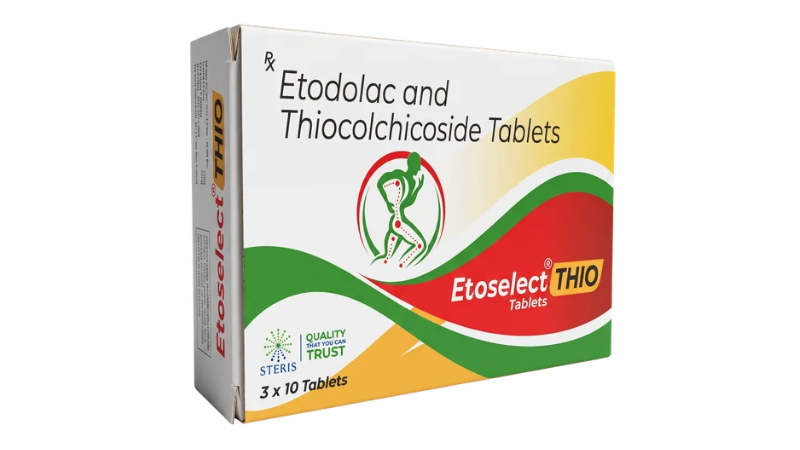
How Do Etodolac and Thiocolchicoside Work Together?
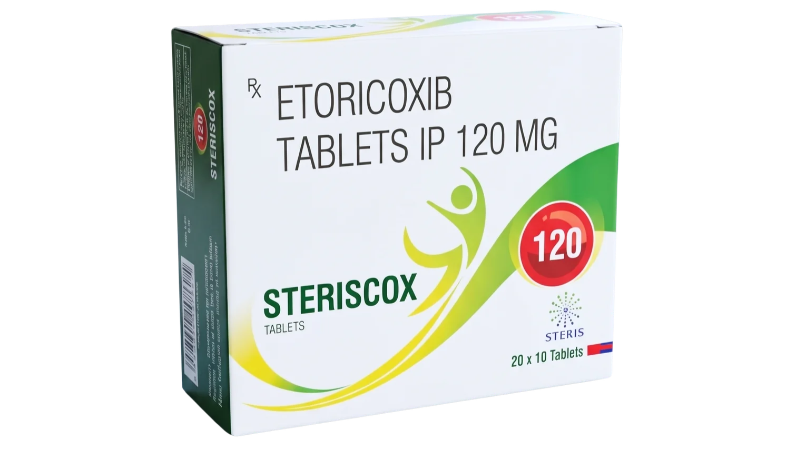
What Is Etoricoxib 120 mg Used For? A Complete Medicine Guide

Vonoprazan Triple Therapy Kit for H. pylori Infection – Uses & Benefits

First Time Launch in India by Steris healthcare : VONOSTRUM HP KIT – Combipack of Vonoprazan Tablets 20 mg, Clarithromycin Tablets IP 500 mg & Amoxycillin Capsules IP 500 mg
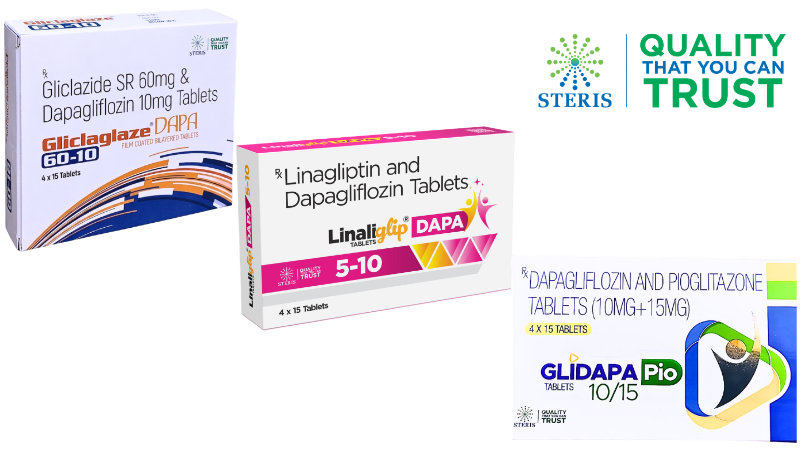
Dapagliflozin 10 mg: Uses in Diabetes, Heart Failure, and Kidney Disease
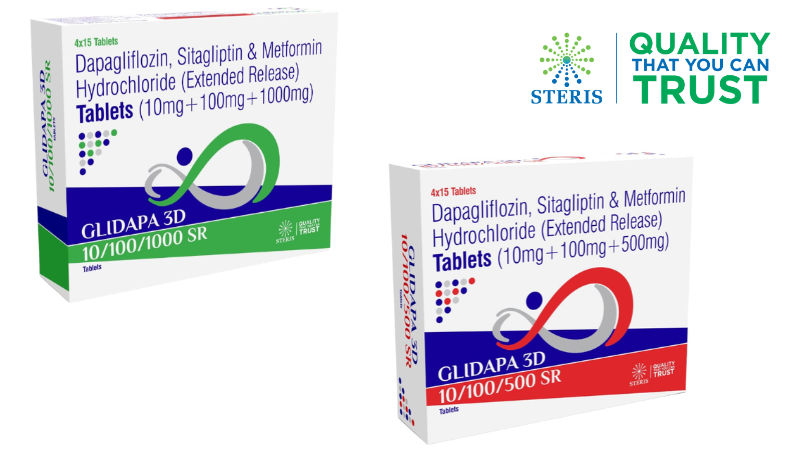
How Dapagliflozin, Sitagliptin and Metformin Help Manage Type 2 Diabetes
How Linagliptin, Dapagliflozin and Metformin Help Manage Type 2 Diabetes

Dapagliflozin and Vildagliptin: A Complete Guide to Diabetes Management
Dapagliflozin, Vildagliptin and Metformin: Dosage, Side Effects and Precautions

