




Dapagliflozin 10 mg: Uses in Diabetes, Heart Failure, and Kidney Disease
Oct 31, 2026
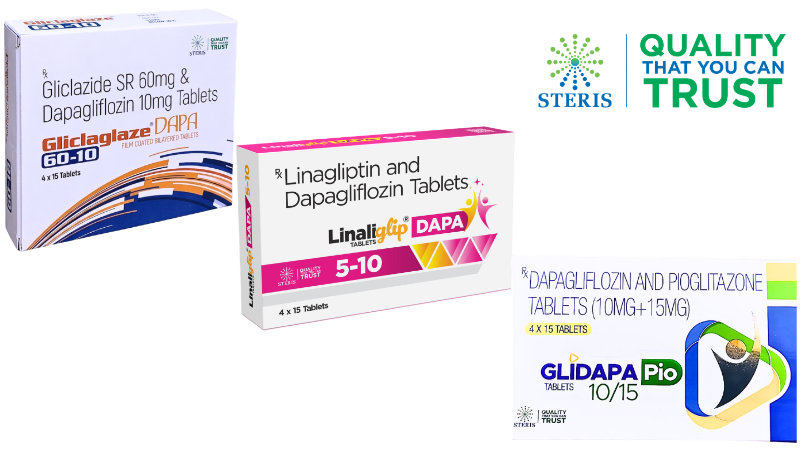
GLICLAGLAZE DAPA 60-10, LINALIGLIP DAPA 5-10 and GLIDAPA PIO are three fixed-dose, two-drug tablets for adults with type 2 diabetes mellitus. Each one pairs dapagliflozin 10 mg, an SGLT2 inhibitor, with a second antidiabetic drug from a different class:
- GLICLAGLAZE DAPA 60-10: Gliclazide SR 60 mg + Dapagliflozin 10 mg Tablets (sulfonylurea + SGLT2 inhibitor)
- LINALIGLIP DAPA 5-10: Linagliptin 5 mg + Dapagliflozin 10 mg Tablets (DPP-4 inhibitor + SGLT2 inhibitor)
- GLIDAPA PIO: Dapagliflozin 10 mg + Pioglitazone 15 mg Tablets (SGLT2 inhibitor + thiazolidinedione)
Dapagliflozin 10 mg: The Common Partner
Dapagliflozin blocks the sodium-glucose co-transporter 2 (SGLT2) in the kidney tubules. This protein normally returns filtered glucose to the blood. When it is blocked, extra glucose leaves the body in urine. Because the action does not depend on insulin, it keeps working even when the pancreas is tiring.
Dapagliflozin 10 mg uses:
- Lowering blood sugar in adults with type 2 diabetes
- Modest weight loss, usually around 2 to 3 kg in trials
- A small fall in blood pressure
- In some patients, as decided by a doctor, heart failure and chronic kidney disease, with or without diabetes
Its glucose-lowering effect becomes weaker as kidney function (eGFR) falls.
Indications: When Might a Doctor Choose Each Combination?
All three are meant to improve blood sugar control in adults with type 2 diabetes alongside diet and exercise. Doctors typically consider a two-drug tablet when blood sugar remains above target on a single medicine, or when the patient already takes both drugs separately and a single tablet would be simpler.
GLICLAGLAZE DAPA 60-10 may be considered when stronger, faster glucose lowering is needed and the doctor accepts the hypoglycaemia risk that comes with a sulfonylurea. Gliclazide is widely used in India and is often chosen for cost reasons.
LINALIGLIP DAPA 5-10 may suit patients who need two complementary mechanisms with a low risk of hypoglycaemia. Linagliptin is mostly cleared through bile and the gut, so it usually needs no dose change in kidney impairment.
GLIDAPA PIO may be considered when insulin resistance is a major problem. Pioglitazone improves insulin sensitivity directly, and the pairing with dapagliflozin has an interesting logic, since dapagliflozin’s diuretic action may partly offset pioglitazone’s tendency to cause fluid retention. Pioglitazone, however, still carries its own heart failure and weight gain cautions.
None of these is for type 1 diabetes or diabetic ketoacidosis.
Ingredient Guide
Gliclazide SR 60 mg
Gliclazide is a second-generation sulfonylurea. It binds to receptors on pancreatic beta cells and stimulates insulin release regardless of current glucose level. The sustained release 60 mg form is taken once daily with breakfast. Gliclazide is generally regarded as having a lower hypoglycaemia risk than some older sulfonylureas, but low blood sugar remains its most important side effect, and mild weight gain is common.
Linagliptin 5 mg
Linagliptin blocks the enzyme DPP-4, which breaks down the incretin hormones GLP-1 and GIP. More active incretins mean the pancreas releases insulin when glucose is high and glucagon falls. The effect depends on glucose levels, so hypoglycaemia is uncommon. It is taken once daily and is weight-neutral.
Pioglitazone 15 mg
Pioglitazone is a thiazolidinedione that activates PPAR-gamma receptors, improving insulin sensitivity in fat, muscle and liver. It does not stimulate insulin release, so hypoglycaemia is uncommon on its own. Its effects build gradually over weeks.
Benefits of These Combinations
1. Complementary mechanisms. Pairing drugs from different classes generally lowers HbA1c more than either drug alone.
2. Insulin-independent glucose removal. Dapagliflozin works through the kidneys, so it adds benefit even when insulin production is reduced.
3. Weight and blood pressure. Dapagliflozin can modestly reduce both. Linagliptin is weight-neutral, while gliclazide and pioglitazone can cause weight gain, which dapagliflozin may partly offset.
4. Hypoglycaemia profile. LINALIGLIP DAPA 5-10 and GLIDAPA PIO carry a low risk on their own. GLICLAGLAZE DAPA 60-10 carries a higher risk because of gliclazide.
5. Fewer tablets. One tablet in place of two can reduce pill burden and help people stay consistent with treatment.
6. Heart and kidney relevance. Dapagliflozin has outcome data in heart failure and chronic kidney disease. Linagliptin has cardiovascular and kidney safety data from CARMELINA and CAROLINA.
Efficacy and Clinical Evidence
The evidence below relates mainly to the individual ingredients and to the general approach of combining these classes. Published trials of these exact fixed-dose tablets are more limited than data for the separate drugs, so brand-specific claims should be confirmed against the approved prescribing information.
Dapagliflozin 10 mg
- In randomised trials, dapagliflozin 10 mg lowered HbA1c by roughly 0.5% to 0.8% versus placebo when added to other agents.
- DECLARE-TIMI 58 (over 17,000 patients with type 2 diabetes) showed a lower rate of hospitalisation for heart failure.
- DAPA-HF and DAPA-CKD showed benefit in heart failure with reduced ejection fraction and in chronic kidney disease, including in people without diabetes.
- Studies of dapagliflozin added to a sulfonylurea showed additional HbA1c reduction and weight loss compared with placebo, with more hypoglycaemia than the sulfonylurea-free arms.
Gliclazide
- ADVANCE (about 11,000 patients) tested an intensive strategy based on gliclazide MR and showed a reduction in microvascular outcomes, mainly kidney events, with intensive glucose control.
- Gliclazide typically lowers HbA1c by about 1.0% to 1.5%.
- The main trade-off is hypoglycaemia and weight gain.
Linagliptin
- Linagliptin 5 mg lowers HbA1c by roughly 0.5% to 0.7%, with weight neutrality and a low rate of hypoglycaemia.
- CARMELINA (about 6,900 patients with high cardiovascular or kidney risk) found no increase in major cardiovascular events or worsening of kidney outcomes versus placebo.
- CAROLINA found cardiovascular safety similar to glimepiride, with fewer hypoglycaemic events and no weight gain.
- A trial of linagliptin added to dapagliflozin and of the free combination reported greater HbA1c reductions than either drug alone.
Pioglitazone
- Pioglitazone typically lowers HbA1c by about 0.8% to 1.2% and has durable effects.
- PROactive showed a favourable trend in a composite cardiovascular outcome in patients with established vascular disease, alongside increased heart failure events.
- IRIS showed that pioglitazone reduced stroke and heart attack in insulin-resistant patients with a recent stroke or TIA.
- Studies combining dapagliflozin with pioglitazone have reported added HbA1c reduction, and some data suggest less peripheral oedema than pioglitazone alone, though this should be confirmed on the label.
Dosage and How to Take Them
- Take the tablet exactly as your doctor prescribes, usually once daily.
- GLICLAGLAZE DAPA 60-10: Gliclazide SR is usually taken with breakfast. Do not skip meals, as this increases the risk of hypoglycaemia.
- LINALIGLIP DAPA 5-10 and GLIDAPA PIO: Follow the label for timing and food.
- Swallow sustained release tablets whole. Do not crush, break or chew them.
- If you miss a dose, take it when you remember unless the next dose is near. Never take two together.
- Stay well hydrated.
Who Should Not Take Them
All three combinations. Avoid if you are allergic to any ingredient, have type 1 diabetes or have had diabetic ketoacidosis.
GLICLAGLAZE DAPA 60-10. Also avoid in severe kidney or liver impairment, and in people with a history of severe reactions to sulfonylureas or sulfonamides. Some people with G6PD deficiency can develop haemolytic anaemia with sulfonylureas.
LINALIGLIP DAPA 5-10. Also avoid with a history of serious allergic reaction to linagliptin.
GLIDAPA PIO. Also avoid in people with heart failure of any severity, active or past bladder cancer, unexplained blood in the urine, or significant liver disease.
Precautions and Warnings
Ketoacidosis. Dapagliflozin can cause diabetic ketoacidosis, sometimes with near-normal blood sugar. Nausea, vomiting, stomach pain, fast breathing and unusual tiredness need urgent attention. Tell your doctor before surgery, prolonged fasting or serious illness.
Genital and urinary infections. Glucose in urine can encourage yeast infections and urinary tract infections. A rare, serious infection called Fournier’s gangrene has been reported with SGLT2 inhibitors. Genital pain, redness or swelling needs urgent review.
Dehydration and low blood pressure. Dapagliflozin has a mild diuretic effect. Take extra care in hot weather and during vomiting or diarrhoea.
Kidney function. Kidney tests are needed before starting and regularly afterward. Glucose-lowering by dapagliflozin declines at lower eGFR.
Hypoglycaemia (gliclazide). Shakiness, sweating, hunger, confusion or palpitations can signal low sugar. Keep a fast-acting sugar source handy, and avoid heavy alcohol.
Pancreatitis, joint pain and skin reactions (linagliptin). Severe, persistent stomach pain should be reported at once. Severe joint pain and blistering skin conditions have been reported with DPP-4 inhibitors.
Heart failure, fluid retention, fractures and bladder cancer (pioglitazone). Pioglitazone can cause swelling and weight gain, may increase fracture risk, especially in women, and has been linked with a possible increase in bladder cancer risk. Report sudden weight gain, swelling or breathlessness promptly. Liver tests are advised before and during treatment.
Possible Side Effects
Common across combinations: increased urination, genital itching or yeast infection, urinary tract infection, headache, dizziness, nausea.
Specific to each partner drug: low blood sugar and weight gain (gliclazide), runny nose, cough or joint pain (linagliptin), swelling of the legs, weight gain and bone fractures (pioglitazone).
Serious but less common: ketoacidosis, severe genital infection, pancreatitis, heart failure, liver problems, severe skin reactions and signs of allergy such as swelling of the face or throat, rash or difficulty breathing. Seek emergency help if these occur.
Which Combination Is Which? A Quick Comparison
- GLICLAGLAZE DAPA 60-10: Strong, low-cost glucose lowering. Higher hypoglycaemia risk. Possible weight gain offset by dapagliflozin.
- LINALIGLIP DAPA 5-10: Low hypoglycaemia risk, weight-neutral partner, and generally no linagliptin dose change in kidney impairment.
- GLIDAPA PIO: Targets insulin resistance. Needs caution with heart failure, fluid retention, fractures and bladder cancer history.
The right choice depends on kidney function, heart status, weight, hypoglycaemia risk, cost and personal preference, which is why a doctor’s assessment is essential.
Lifestyle Tips During Treatment
- Follow a balanced, portion-controlled diet and limit sugary foods and drinks.
- Stay active. About 150 minutes of brisk activity a week is a common target if your doctor agrees.
- Monitor blood sugar and HbA1c as advised.
- Maintain genital hygiene and drink enough water.
- Do not stop the medicine on your own, even when readings improve.
Storage
Store below 30°C in a cool, dry place, protected from light and moisture. Keep out of reach of children. Do not use after the expiry date.
Frequently Asked Questions
1. What is dapagliflozin 10 mg used for?
Dapagliflozin 10 mg lowers blood sugar by making the kidneys pass extra glucose in urine. Doctors also use it in some patients with heart failure or chronic kidney disease.
2. What is GLICLAGLAZE DAPA 60-10 used for?
It is used with diet and exercise to control blood sugar in adults with type 2 diabetes. It contains gliclazide SR 60 mg and dapagliflozin 10 mg.
3. What is LINALIGLIP DAPA 5-10 used for?
It treats type 2 diabetes in adults and contains linagliptin 5 mg and dapagliflozin 10 mg.
4. What is GLIDAPA PIO used for?
It treats type 2 diabetes in adults and contains dapagliflozin 10 mg and pioglitazone 15 mg.
5. What is gliclazide 60 mg used for?
Gliclazide 60 mg SR stimulates the pancreas to release insulin and lowers blood sugar in type 2 diabetes.
6. What is linagliptin 5 mg used for?
Linagliptin 5 mg helps the pancreas release insulin after meals and lowers glucagon, reducing blood sugar in type 2 diabetes.
7. What is pioglitazone 15 mg used for?
Pioglitazone 15 mg improves the body’s response to insulin and lowers blood sugar in type 2 diabetes.
8. Which dapagliflozin combination causes the most low blood sugar?
The gliclazide combination, because gliclazide stimulates insulin release regardless of glucose level.
9. Can these tablets cause weight loss?
Dapagliflozin may cause a small weight loss. Gliclazide and pioglitazone can cause weight gain, so the net effect varies.
10. Is linagliptin safe in kidney disease?
Linagliptin usually needs no dose change, but dapagliflozin’s glucose-lowering effect weakens at low eGFR, so kidney tests are still needed.
11. Who should avoid the pioglitazone combination?
People with heart failure, bladder cancer history, unexplained blood in urine or significant liver disease should avoid it.
12. When should I take gliclazide and dapagliflozin?
Usually once daily with breakfast, as prescribed. Do not skip meals.
13. What are the common side effects of dapagliflozin?
Increased urination, genital yeast infections, urinary tract infections, dizziness and nausea are among the most common.
14. What is the linagliptin 5 mg price and which brands are available in India?
Price and brands vary by pharmacy and region. Check the MRP on the pack or ask your pharmacist.
15. Can I drink alcohol while taking these medicines?
Heavy alcohol use should be avoided because it raises the risk of low blood sugar and ketoacidosis.
Conclusion
GLICLAGLAZE DAPA 60-10, LINALIGLIP DAPA 5-10 and GLIDAPA PIO each combine dapagliflozin 10 mg with a different partner drug in one tablet for adults with type 2 diabetes. Dapagliflozin removes excess glucose through the kidneys, while gliclazide stimulates insulin release, linagliptin supports the incretin system and pioglitazone improves insulin sensitivity. Each pairing can improve glycaemic control and simplify the daily routine, but each also has its own risks, from hypoglycaemia with gliclazide to heart failure and fracture cautions with pioglitazone, plus ketoacidosis and genital infections with dapagliflozin. Regular monitoring and open communication with your doctor are essential. These are prescription medicines and should only be started, adjusted or stopped under medical supervision.
For Further More Information:
Mail Us: contact@sterispharma.com or info@sterispharma.com
Call Now: +918824175417, +919982524671
Recent Post
How Dapagliflozin, Sitagliptin and Metformin Help Manage Type 2 Diabetes
How Linagliptin, Dapagliflozin and Metformin Help Manage Type 2 Diabetes
Dapagliflozin and Vildagliptin: A Complete Guide to Diabetes Management
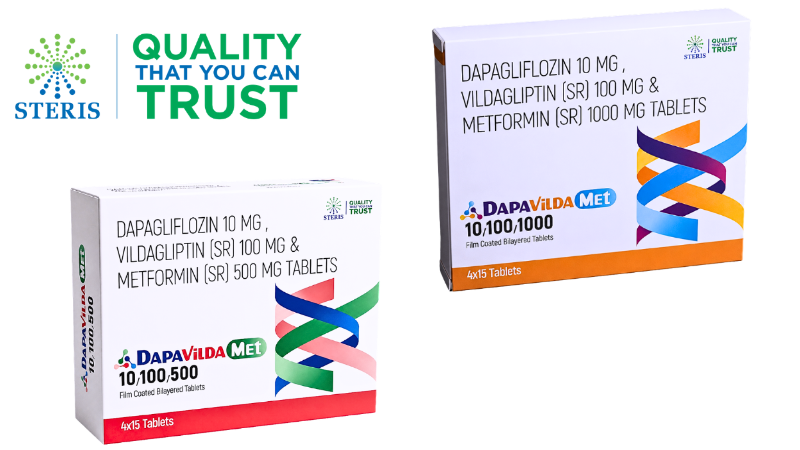
Dapagliflozin, Vildagliptin and Metformin: Dosage, Side Effects and Precautions
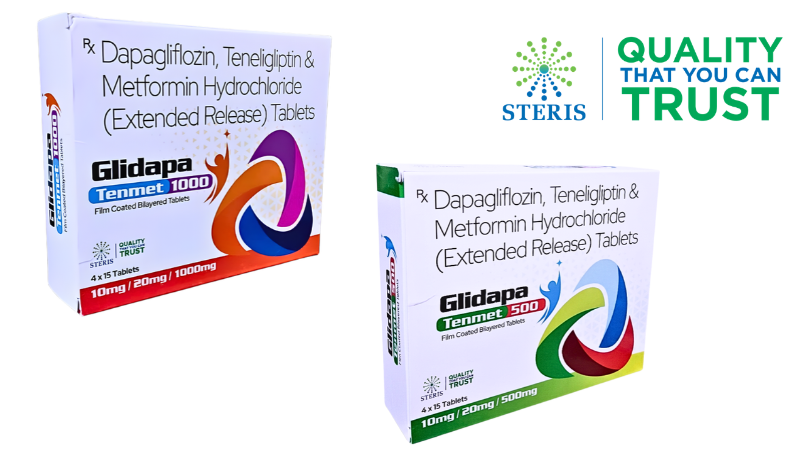
Teneligliptin, Metformin and Dapagliflozin: Uses, Benefits and Key Features
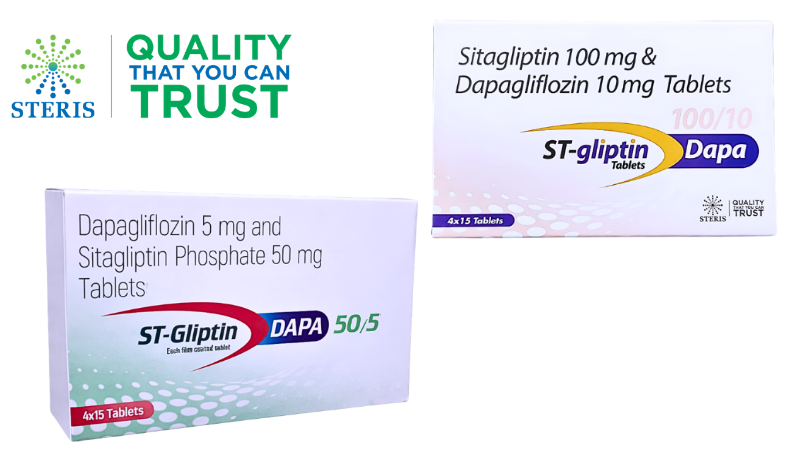
Sitagliptin and Dapagliflozin: Uses, Benefits and Key Features
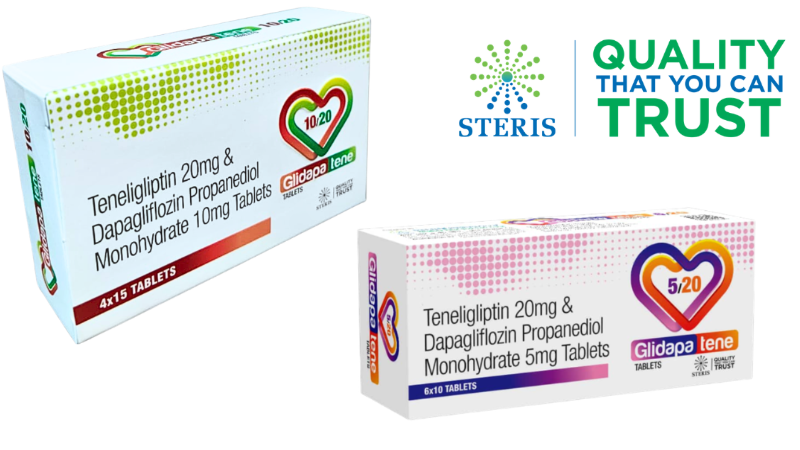
Teneligliptin and Dapagliflozin Tablets: A Complete Guide
How Metformin, Glimepiride and Dapagliflozin Help Manage Type 2 Diabetes
Faropenem Dispersible Tablets 100 mg: Uses, Benefits, Price & Manufacturer in India
Semaglutide Injection: Uses, Prescription Requirements, and Availability in India

