


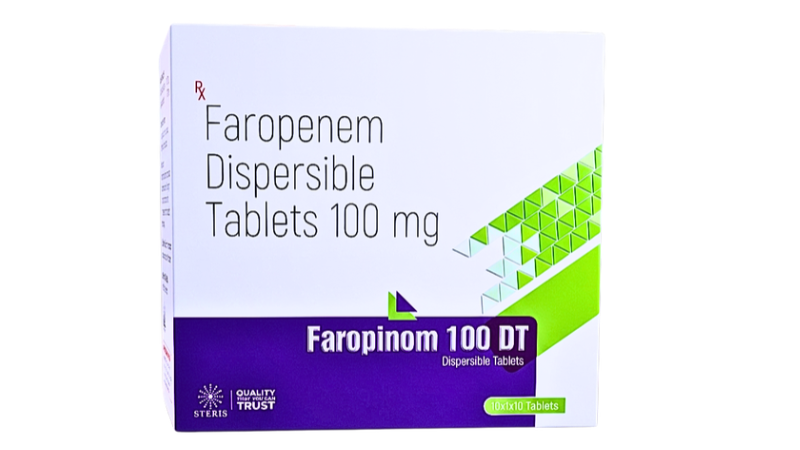


Faropenem Dispersible Tablets 100 mg: Uses, Benefits, Price & Manufacturer in India
Oct 29, 2026
Faropenem 100 mg in a dispersible tablet. Faropenem is an oral penem antibiotic in the beta-lactam family. Doctors use it for selected bacterial infections when the causative organism is likely to be susceptible. Because the tablet dissolves in water before it is taken, it suits patients who find swallowing whole tablets difficult, including children, for whom the prescriber sets the dose.
What Is Faropinom 100 DT (Faropenem Dispersible Tablets 100 mg) For?
Faropinom 100 DT is prescribed for bacterial infections, never viral ones. In Indian clinical practice, faropenem has been considered for infections such as:
- Respiratory tract infections: acute bacterial sinusitis, acute worsening of chronic bronchitis, and community-acquired pneumonia where susceptible bacteria are involved.
- Ear, nose and throat infections: such as bacterial tonsillitis or pharyngitis and middle-ear infections, after clinical assessment.
- Urinary tract infections: including uncomplicated bladder infections, depending on the organism and local resistance patterns.
- Skin and soft-tissue infections: selected uncomplicated bacterial skin infections.
The final indication always depends on the approved product information, the suspected or confirmed organism and the doctor’s judgement. Faropinom 100 DT will not help a cold, flu, most sore throats or most cases of fever. Those are usually viral, and unnecessary antibiotics add side-effect risk with no benefit.
Faropenem Composition and Mechanism of Action
Composition: each Faropinom 100 DT dispersible tablet contains Faropenem 100 mg, supplied by Steris Healthcare in a dispersible form. (Faropenem is commonly formulated as faropenem sodium or its daloxate prodrug, so check the pack for the exact salt form.)
How it works: bacteria need a strong cell wall to survive. Faropenem binds to penicillin-binding proteins (PBPs), the enzymes bacteria use to build and cross-link that wall. When these proteins are blocked, the wall weakens, the cell can no longer hold its shape, and the bacterium dies. This is why faropenem is called bactericidal against susceptible organisms.
Why Is Faropinom 100 DT Important?
Choosing an antibiotic is a balance between treating the patient in front of you and protecting these medicines for the future. Faropinom 100 DT matters for a few reasons:
- An oral option. When an infection is suitable for oral treatment, a penem tablet can avoid the need for an injection.
- A child-friendly format. A dispersible tablet can be mixed with water, making administration easier for patients who cannot swallow tablets.
- Activity against many common pathogens. Faropenem is active against many bacteria commonly responsible for respiratory, urinary and skin infections.
- Stewardship matters. Faropenem is structurally related to carbapenems, which are reserved for serious hospital infections. Indian expert bodies have raised concerns about overuse of oral penems and possible cross-resistance. This is why the medicine should be started only when a doctor judges it appropriate, and why the full prescribed course should be completed as directed.
Key Benefits of Faropinom 100 DT
What Are the Benefits of Faropenem Dispersible Tablets 100 mg?
When prescribed for the right infection, the benefits include:
- Bactericidal action. It kills susceptible bacteria rather than merely slowing their growth.
- Broad activity against common pathogens. It covers many Gram-positive and Gram-negative organisms found in routine community infections, though not all.
- Stability against many beta-lactamases. It may remain active where some older beta-lactams fail.
- Easy dosing form. The dispersible tablet disperses in water, helping children and elderly patients who struggle with conventional tablets.
- Oral convenience. It can be taken at home when the clinical situation allows.
- Quality manufacturing. Faropinom 100 DT is made under Steris Healthcare’s WHO-GMP and ISO-certified quality systems.
Indications, Efficacy and Clinical Evidence
Faropenem was first developed and approved in Japan, where it has been used for respiratory, urinary, ENT, skin and other bacterial infections. Clinical studies and pharmacology reviews have reported good in-vitro activity against common pathogens such as Streptococcus pneumoniae, Haemophilus influenzae, Moraxella catarrhalis, methicillin-susceptible Staphylococcus aureus and many Enterobacterales.
In India, faropenem has been marketed for several community-acquired infections, and its efficacy depends heavily on the organism, local resistance rates and the site of infection. Some points to keep in mind:
- Laboratory activity does not guarantee clinical success in every patient.
- Resistance patterns differ by region and change over time, so doctors often rely on culture reports and local antibiograms.
- Faropenem is not a first choice for every condition, and national and professional guidelines advise against using it as a casual or empirical substitute for simpler antibiotics.
Dosage Guidelines for Faropinom 100 DT
The dose depends on the patient’s age, weight, the infection being treated, its severity and kidney function.
General administration points:
- Take it exactly as prescribed, at the times your doctor specifies.
- Disperse the tablet in water as directed in the package leaflet before giving it.
- Complete the full course, even if symptoms improve, unless your doctor tells you otherwise.
- Do not share the medicine or reuse leftover tablets for a later illness.
- If you miss a dose, follow the leaflet or ask a pharmacist. Never double the next dose.
Side Effects of Faropinom 100 DT
Most people tolerate faropenem well, but side effects can happen. The more common ones include:
- Nausea or vomiting
- Abdominal pain or discomfort
- Loose stools or diarrhoea
- Rash or itching
- Headache or dizziness
Mild symptoms often settle, but tell your doctor if they continue or bother you.
Serious Side Effects of Faropinom 100 DT
Seek medical help promptly if you notice:
- Severe allergic reaction: swelling of the face, lips or throat, wheezing or difficulty breathing (an emergency).
- Severe or bloody diarrhoea: this can signal antibiotic-associated colitis, including Clostridioides difficile infection, which may appear during or even weeks after treatment.
- Serious skin reactions: widespread rash, blistering or peeling.
- Liver problems: yellowing of the skin or eyes, dark urine or persistent unusual tiredness.
- Seizures: rare, but reported with some beta-lactam antibiotics, especially in patients with predisposing factors.
A substitute is a medicine with the same active ingredient and strength, for example another manufacturer’s Faropenem 100 mg dispersible tablet. Substitutes may differ in price, excipients, packaging and availability, so confirm them with a pharmacist.
Precautions and Warnings
Before starting treatment, tell your doctor if any of the following applies:
- Allergy history: especially to faropenem, penicillins, cephalosporins or carbapenems, since cross-reactivity can occur.
- Kidney disease: dose adjustment may be needed.
- Liver disease: the doctor may want to monitor liver function.
- Seizure disorders or epilepsy: use with caution, as beta-lactam antibiotics are sometimes linked with seizures.
- Pregnancy or breastfeeding: use only if the prescriber decides the benefit outweighs the risk.
- Other medicines: especially valproic acid or sodium valproate, since carbapenem-type antibiotics can reduce valproate levels and may increase seizure risk. Mention all prescription medicines, over-the-counter products and supplements.
- Previous antibiotic-related diarrhoea or colitis.
Additional precautions:
- Do not use it for viral illnesses.
- Store it as instructed on the pack and keep it out of children’s reach.
- Check the batch number and expiry date before use.
- Buy only from a licensed pharmacy with a valid prescription.
Conclusion
Faropinom 100 DT (Faropenem Dispersible Tablets 100 mg) by Steris Healthcare is a prescription penem antibiotic that kills susceptible bacteria by blocking cell-wall synthesis. Its dispersible format makes administration easier for patients who struggle with conventional tablets. It is meant for selected bacterial infections, such as certain respiratory, ENT, urinary and skin infections, and only when a qualified doctor judges it suitable.
Used carefully, with the right diagnosis, the correct dose and the full course completed, it can be an effective part of treatment. Used carelessly, it contributes to antibiotic resistance. Always consult a healthcare professional before starting, stopping or changing any antibiotic.
Frequently Asked Questions
1. What is Faropinom 100 DT used for?
It is used for selected bacterial infections, such as certain respiratory, ENT, urinary and skin infections, when prescribed by a doctor and the organism is susceptible.
2. What is the composition of Faropinom 100 DT?
Each dispersible tablet contains Faropenem 100 mg. Check the pack for the exact salt form and excipients.
3. Is Faropinom 100 DT an antibiotic?
Yes. It is a penem-class beta-lactam antibiotic that kills susceptible bacteria.
4. How does Faropenem work?
It binds to penicillin-binding proteins and blocks bacterial cell-wall formation, causing the bacteria to die.
5. How do I take a dispersible tablet?
Disperse it in water as instructed in the leaflet or by your pharmacist, then take it as directed by your doctor.
6. What is the dose of Faropenem 100 mg?
The dose depends on age, weight, infection type and kidney function. Follow only your doctor’s prescription.
7. Can Faropenem treat a cold or flu?
No. These are viral illnesses, and antibiotics do not treat viruses.
8. What are the common side effects of Faropinom 100 DT?
Nausea, stomach pain, loose stools, rash and headache are the commonly reported effects.
9. Can Faropenem cause diarrhoea?
Yes, like other antibiotics. Seek medical help if it is severe, persistent or bloody.
10. Can I stop taking it once I feel better?
Do not stop on your own. Complete the course your doctor prescribed unless advised otherwise.
11. Is Faropinom 100 DT safe for children?
The dispersible form is often used where a lower dose is required, but only a paediatrician should decide suitability and dose.
12. Is it safe in pregnancy and breastfeeding?
It should be used only after a doctor weighs the benefits and risks for you.
13. Can I take Faropenem if I am allergic to penicillin?
Tell your doctor first. Allergic cross-reactions among beta-lactam antibiotics are possible.
14. Is Faropenem the same as a carbapenem?
No. It is a penem, structurally related to carbapenems, but it is a separate drug. Its overuse still raises resistance concerns, which is why stewardship matters.
15. What should I do if I miss a dose?
Follow the leaflet or ask your pharmacist. Do not take a double dose.
16. Can I drink alcohol during treatment?
Ask your doctor or pharmacist, especially if you take other medicines or have liver problems.
17. Is there a substitute for Faropinom 100 DT?
Other brands containing Faropenem 100 mg dispersible tablets may exist, but ask your doctor or pharmacist before switching.
18. Where can I buy Faropinom 100 DT in India?
Buy it from a licensed pharmacy or an authorised online pharmacy with a valid prescription. Confirm the current price and availability with the seller.
19. Can I take Faropinom 100 DT without a prescription?
No. It is a prescription antibiotic, and self-medication contributes to resistance and unnecessary side effects.
20. Who manufactures Faropinom 100 DT?
It is a product of Steris Healthcare, a WHO-GMP and ISO-certified pharmaceutical manufacturer in India.
For Further Information:
Mail Us: contact@sterispharma.com or info@sterispharma.com
Call Now: +918824175417, +919982524671
Buy Now
Recent Post

Semaglutide Injection: Uses, Prescription Requirements, and Availability in India
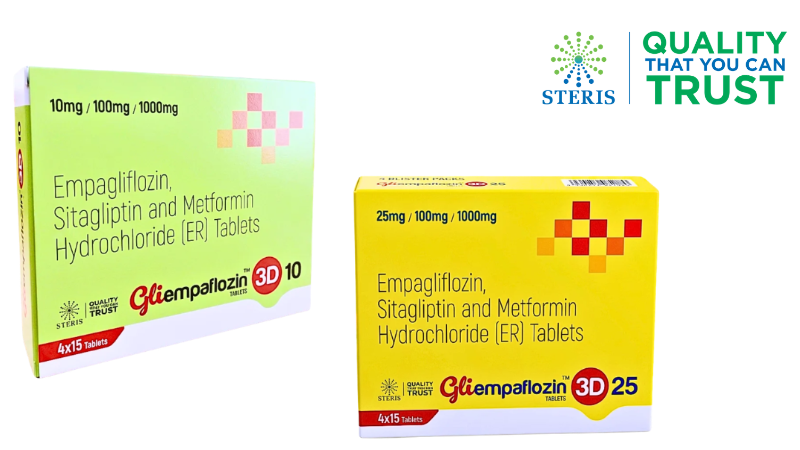
Empagliflozin, Sitagliptin and Metformin Tablets: Uses, Benefits & Price in India
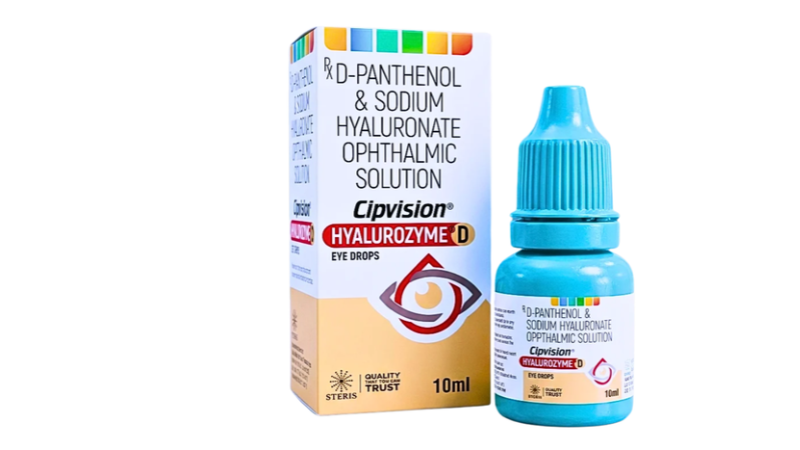
D-Panthenol & Sodium Hyaluronate Ophthalmic Solution: Uses, Benefits & Eye Care
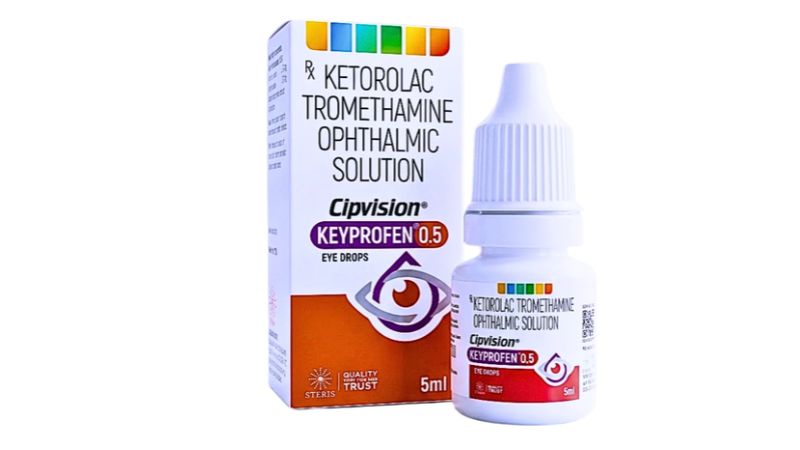
Ketorolac Tromethamine Ophthalmic Solution: Uses, Benefits, Side Effects & Dosage
Ofloxacin Dexamethasone Eye/Ear Drops: What Doctors Prescribe
Dapagliflozin and Bisoprolol: Uses, Benefits, Side Effects and Precautions
How Do Dapagliflozin and Metformin Work Together to Manage Type 2 Diabetes?
Voglibose and Repaglinide Tablets: Uses & Side Effects
Dapagliflozin for Type 2 Diabetes: Uses and Important Precautions
Dapagliflozin and Metformin Tablets: Uses, Benefits, Side Effects and Precautions

