




Dapagliflozin for Type 2 Diabetes: Uses and Important Precautions
Oct 28, 2026
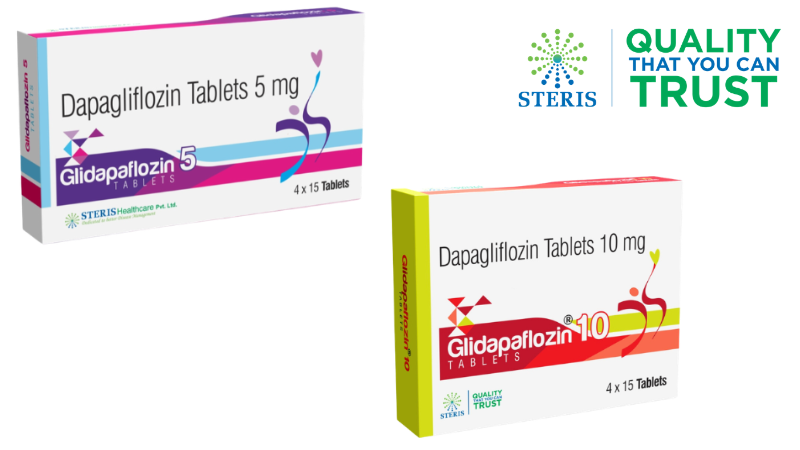
GLIDAPAFLOZIN 5 and GLIDAPAFLOZIN 10 are prescription tablets containing dapagliflozin, in strengths of 5 mg and 10 mg. Dapagliflozin belongs to a class of medicines called SGLT2 inhibitors (sodium-glucose co-transporter 2 inhibitors). It is used mainly in adults with type 2 diabetes mellitus, along with diet and exercise, to improve blood sugar control. Depending on the approved label and your doctor’s judgement, dapagliflozin is also used in adults with heart failure and with chronic kidney disease.
Why Is Dapagliflozin Important?
Type 2 diabetes is a long-term, progressive condition. India has one of the largest diabetic populations in the world, and diabetes often occurs together with high blood pressure, excess weight, heart disease and kidney disease. Treatment today is no longer only about lowering glucose. Doctors also look at protecting the heart and kidneys.
Dapagliflozin matters for these reasons:
- A different mechanism of action. Unlike older medicines that push the pancreas to release insulin or improve insulin sensitivity, dapagliflozin removes glucose through urine. It can be used alone or added to metformin and other medicines.
- Benefits beyond blood sugar. Large clinical trials have shown that dapagliflozin lowers the risk of hospitalisation for heart failure and slows the worsening of chronic kidney disease, in people with and without diabetes. Your doctor will decide whether these benefits apply to you.
- Modest weight and blood pressure effects. Calories are lost as glucose in the urine, which leads to modest weight loss. A mild diuretic effect also lowers blood pressure slightly. These effects are helpful but small, and dapagliflozin is not a weight-loss or blood-pressure medicine.
- Low risk of hypoglycaemia when used alone. Because it does not make the pancreas release insulin, very low blood sugar is uncommon unless it is combined with insulin or a sulfonylurea.
- Once-daily tablet. A single daily dose supports consistent use, and consistency strongly influences long-term outcomes.
Dapagliflozin works best alongside healthy eating, regular activity, weight management and regular tests (blood glucose, HbA1c, kidney function). It supports these measures; it does not replace them.
Key Benefits of GLIDAPAFLOZIN
- Lowers fasting and post-meal blood glucose
- Helps reduce HbA1c in type 2 diabetes when used with diet and exercise
- Works independently of insulin, so it can help even as insulin production declines
- Can be used alone or with metformin and other antidiabetic medicines, as decided by your doctor
- Associated with modest weight reduction
- Associated with a modest fall in blood pressure
- Reduces the risk of hospitalisation for heart failure in the studied patient groups
- Slows the progression of chronic kidney disease in the studied patient groups
- Low risk of hypoglycaemia when not combined with insulin or a sulfonylurea
- Simple once-daily dosing, with or without food
- Two strengths (5 mg and 10 mg) let your doctor match the dose to your needs and tolerance
How Dapagliflozin Works (Mechanism of Action)
SGLT2 is found in the proximal tubule of the kidney and is responsible for reabsorbing roughly 90% of filtered glucose. Dapagliflozin selectively inhibits this protein, so more glucose is excreted in the urine (glucosuria). Blood glucose falls without relying on insulin. The mild loss of sodium and water, and the reduction in pressure inside the kidney’s filtering units, are thought to contribute to its heart and kidney benefits.
Indications, Efficacy and Clinical Evidence
Indications
Dapagliflozin is indicated as an adjunct to diet and exercise to improve glycaemic control in adults with type 2 diabetes mellitus. Many labels also include reducing the risk of hospitalisation for heart failure and treating heart failure and chronic kidney disease in adults. Approved uses can differ between countries and between brands, so your doctor and the product label are the final guide. It is not for type 1 diabetes or diabetic ketoacidosis.
Glycaemic efficacy
- In a 24-week trial in people with type 2 diabetes not controlled on metformin, adding dapagliflozin 10 mg lowered HbA1c by about 0.8 percentage points, compared with about 0.3 with placebo. Body weight fell by about 3 kg versus about 1 kg with placebo (Bailey et al., The Lancet, 2010).
- Monotherapy trials in treatment-naïve patients showed HbA1c reductions in the range of roughly 0.5 to 0.9 percentage points, depending on baseline levels and dose.
- Glucose-lowering depends on kidney function. The effect is smaller when kidney function is reduced, so your doctor will check your eGFR before and during treatment.
Individual results vary with baseline HbA1c, kidney function, diet and adherence.
Cardiovascular evidence
- DECLARE-TIMI 58 (about 17,000 patients with type 2 diabetes, with or at risk of cardiovascular disease) showed cardiovascular safety and a lower rate of hospitalisation for heart failure or cardiovascular death.
- DAPA-HF (patients with heart failure and reduced ejection fraction, with or without diabetes) showed that dapagliflozin 10 mg reduced worsening heart failure or cardiovascular death by about a quarter compared with placebo.
- DELIVER (heart failure with mildly reduced or preserved ejection fraction) showed a reduction in worsening heart failure or cardiovascular death.
Kidney evidence
- DAPA-CKD (patients with chronic kidney disease, with or without diabetes) showed that dapagliflozin 10 mg reduced the risk of sustained eGFR decline, kidney failure or death from kidney or cardiovascular causes, with about a 39% relative reduction in the primary outcome.
These trials used dapagliflozin 10 mg. The 5 mg tablet is commonly used as a lower starting dose for blood sugar control, and your doctor will choose the strength that fits your condition.
Dosage Guidelines
Your doctor decides the dose based on your diagnosis, kidney function, other medicines and tolerance. In general:
- The usual adult dose is 10 mg once daily; 5 mg once daily is often used as a starting or lower dose for glycaemic control
- Take it in the morning, with or without food, at the same time each day
- Swallow the tablet whole with water
- Do not change the dose or stop it suddenly without medical advice
- Stay well hydrated unless your doctor has asked you to limit fluids
- If you miss a dose, take it when you remember on the same day. Do not take two doses together.
Precautions While Using GLIDAPAFLOZIN
- Ketoacidosis. SGLT2 inhibitors can cause diabetic ketoacidosis, sometimes with near-normal blood sugar. Seek urgent help for nausea, vomiting, stomach pain, unusual tiredness, fast breathing or a fruity breath smell. It is not for type 1 diabetes.
- Dehydration and low blood pressure. The diuretic effect can cause dizziness or fainting, especially in older adults, people on diuretics and during illness with vomiting or diarrhoea. Tell your doctor if you are unwell or not drinking enough.
- Kidney function. Kidney tests are done before and during treatment. The blood sugar-lowering effect is reduced when kidney function is lower, and the medicine may not be suitable in severe kidney impairment or dialysis.
- Genital and urinary infections. Maintain genital hygiene. Report itching, discharge, burning urination, fever or flank pain.
- Fournier’s gangrene. A rare but serious infection of the genital or perineal area has been reported with SGLT2 inhibitors. Seek urgent care for pain, tenderness, redness or swelling in that area with fever.
- Surgery and fasting. The medicine is usually paused before planned surgery or prolonged fasting. Inform your surgeon and doctor.
- With insulin or sulfonylureas. The risk of low blood sugar rises, and your doctor may lower those doses.
- Foot care. Check your feet daily and report wounds, sores or infections promptly.
- Allergy. Do not use if you are allergic to dapagliflozin or any ingredient in the tablet.
- Pregnancy and breastfeeding. Not recommended. Discuss alternatives with your doctor.
- Children. Use in children should only be under specialist advice.
- Alcohol. Heavy drinking increases the risk of ketoacidosis and low blood sugar.
- Other medicines. Tell your doctor about all medicines you take, including diuretics, insulin and blood pressure medicines.
- Monitoring. Check glucose at home as advised, and have HbA1c and kidney tests done on schedule.
- Storage. Keep in a cool, dry place away from sunlight and out of reach of children.
Side Effects of GLIDAPAFLOZIN
Many people tolerate dapagliflozin well, and not everyone gets side effects.
Common
- Genital fungal infections (more often in women), itching, discharge
- Urinary tract infections
- Increased urination, thirst
- Back pain
- Mild dizziness
Less common
- Nausea or constipation
- Low blood pressure or dizziness on standing
- Skin rash
- Changes in kidney test values (a small, usually temporary fall in eGFR at the start)
Buy GLIDAPAFLOZIN 5 and GLIDAPAFLOZIN 10 Online in India
Looking for dapagliflozin 5 mg brands in India, or the dapagliflozin 10 mg price? GLIDAPAFLOZIN 5 and GLIDAPAFLOZIN 10 are available as prescription tablets. A valid prescription from a registered medical practitioner is required.
Why choose Steris Healthcare?
- A Jaipur-based pharmaceutical manufacturer, WHO-GMP and ISO certified
- Quality-controlled production with consistent batch standards
- Reliable supply to pharmacies, distributors and healthcare institutions across India
Frequently Asked Questions
1. What is dapagliflozin used for?
It is used with diet and exercise to improve blood sugar in adults with type 2 diabetes. Depending on the label and your doctor’s advice, it is also used in heart failure and chronic kidney disease.
2. What is dapagliflozin 5 mg used for?
Dapagliflozin 5 mg is commonly used as a starting or lower dose for blood sugar control in type 2 diabetes, as decided by your doctor.
3. What are dapagliflozin 10 mg uses?
Dapagliflozin 10 mg is the usual maintenance dose for type 2 diabetes and the dose studied in the major heart failure and kidney trials.
4. What does “tab dapagliflozin 5 mg” mean?
“Tab” is short for tablet. It refers to a dapagliflozin 5 mg tablet taken by mouth.
5. What are the dapagliflozin 5 mg brands in India?
Several companies sell dapagliflozin in India. Steris Healthcare’s brands are GLIDAPAFLOZIN 5 and GLIDAPAFLOZIN 10.
6. What is the dapagliflozin 10 mg price in India?
Prices vary by brand, pack size and seller. Check the MRP on the pack or with a licensed pharmacy.
7. How does dapagliflozin work?
It blocks the SGLT2 protein in the kidneys, so extra glucose leaves the body in urine and blood sugar falls.
8. When should I take dapagliflozin?
It is usually taken once daily in the morning, with or without food, as your doctor advises.
9. Does dapagliflozin cause weight loss?
It is associated with modest weight loss because calories are lost as glucose in urine. It is not a weight-loss medicine.
10. Does dapagliflozin cause low blood sugar?
Not usually on its own. The risk rises when it is combined with insulin or a sulfonylurea.
11. What are the common side effects of dapagliflozin?
Genital fungal infections, urinary infections, increased urination and mild dizziness are the most common.
12. What serious side effects should I watch for?
Ketoacidosis, severe dehydration, painful swelling in the genital area with fever, and severe allergic reactions need urgent care.
13. Is dapagliflozin safe for kidney patients?
It has shown kidney benefits in chronic kidney disease trials, but suitability depends on your kidney function. Your doctor will check your eGFR.
14. Does dapagliflozin protect the heart?
Trials showed fewer hospitalisations for heart failure and, in heart failure patients, fewer worsening events and cardiovascular deaths. Ask your doctor how this applies to you.
15. Can dapagliflozin be taken with metformin?
Yes. It is often added to metformin, as prescribed. A fixed-dose combination tablet is also available from some manufacturers.
Conclusion
GLIDAPAFLOZIN 5 and GLIDAPAFLOZIN 10 offer dapagliflozin in two strengths for adults with type 2 diabetes, and, where the label and your doctor support it, for heart failure and chronic kidney disease. By helping the kidneys remove excess glucose, dapagliflozin lowers blood sugar independently of insulin, with modest weight and blood pressure benefits and a low risk of hypoglycaemia when used alone. It also carries specific risks, including genital and urinary infections, dehydration and, rarely, ketoacidosis, so it needs a prescription, regular kidney monitoring and good hydration and hygiene. Used as your doctor directs, alongside healthy eating and activity, it can be a valuable part of long-term care.
For Further More Information:
Mail Us: contact@sterispharma.com or info@sterispharma.com
Call Now: +918824175417, +919982524671
Recent Post
How Do Dapagliflozin and Metformin Work Together to Manage Type 2 Diabetes?
Voglibose and Repaglinide Tablets: Uses & Side Effects
Dapagliflozin and Metformin Tablets: Uses, Benefits, Side Effects and Precautions
Itopride Hydrochloride Uses: What It Treats and How It Works
Glimepiride 0.5 mg + Voglibose 0.2 mg + Metformin SR 500 mg | Steris Healthcare
Trimetazidine Hydrochloride Modified Release Tablets 35 mg Uses, Benefits

EUROSOFT MOSQUITO SHIELD
Olmesartan and Metoprolol: Uses, Benefits, Dosage & Side Effects | Steris Healthcare
Tofacitinib 11 mg Tablets: A Complete Guide to Uses and Side Effects
Olmesartan Medoxomil + Metoprolol Succinate: Uses, Dosage

