


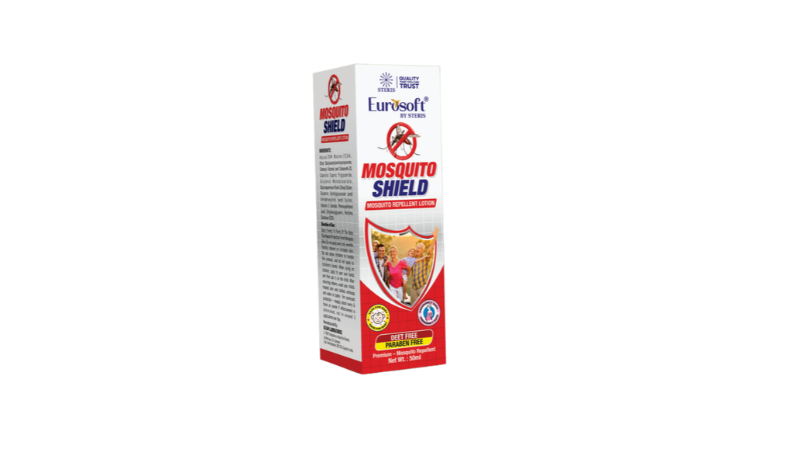


EUROSOFT MOSQUITO SHIELD
Oct 22, 2026
Choosing a suitable skincare product or topical formulation involves understanding its ingredients, intended use, effectiveness and safety. Steris Healthcare is the brand name for this SEO-focused article, which explores a formulation containing Ethyl Butylacetylaminopropionate, moisturising agents, emollients, Shea Butter, Glycerin, Vitamin E Acetate and other supporting ingredients.
Based on the supplied composition, the formulation appears consistent with a topical skin-protection and moisturising product that may also contain an insect-repellent ingredient. However, its exact indication, approved claims and directions for use must be confirmed from the product label. The presence of an ingredient alone does not establish the efficacy of the finished product.
This guide explains the ingredients, potential benefits, mechanism of action, indications, available alternatives, usage guidelines, precautions and evidence considerations for consumers and healthcare professionals in India.
Composition of the Steris Healthcare Formulation
The supplied ingredient list includes the following components:
-
Aqua (Water): Acts as the base or solvent for the formulation.
-
Ethyl Butylacetylaminopropionate (often abbreviated as IR3535): An ingredient used in certain topical insect-repellent products.
-
Cetearyl Alcohol and Ceteareth-20: Help stabilise emulsions and maintain a consistent cream or lotion texture.
-
Caprylic/Capric Triglyceride: An emollient that helps soften the skin and improve product spreadability.
-
Glyceryl Monostearate: Helps emulsify and stabilise the formulation while contributing to its texture.
-
Butyrospermum Parkii (Shea) Butter: A plant-derived emollient that helps soften skin and reduce moisture loss.
-
Glycerin: A humectant that attracts and retains water in the outer skin layer.
-
Xylitylglucoside, Anhydroxylitol and Xylitol: A humectant blend used to support skin hydration.
-
Vitamin E Acetate: A form of vitamin E used in skincare formulations for its antioxidant properties.
-
Phenoxyethanol and Ethylhexylglycerin: Ingredients used together as a preservative system.
-
Perfume: Added to provide fragrance.
-
Disodium EDTA: A chelating agent that helps improve formulation stability.
Important composition note: The supplied ingredient list contains a few apparent spelling variations. Confirm the exact names against the product packaging before publishing this article or using the information for clinical purposes.
How Does This Formulation Work?
The formulation appears to combine two principal functions: topical skin hydration and potential insect repellency.
Mechanism of action
1. Insect-repellent action
Ethyl Butylacetylaminopropionate, commonly known as IR3535, is used in certain insect-repellent products. When present at an appropriate concentration in a suitably formulated product, it helps discourage target insects from landing on or biting treated skin.
The duration and degree of protection depend on the ingredient concentration, product formulation, insect species, environmental conditions and application instructions.
2. Skin moisturisation
Glycerin and the xylitol-based humectant blend help attract and retain water in the skin's outer layer. This supports hydration and can make dry skin feel softer.
3. Emollient and protective effects
Shea Butter and Caprylic/Capric Triglyceride help soften the skin and reduce the feeling of dryness. Cetearyl Alcohol and Glyceryl Monostearate support the texture and stability of the cream.
4. Formulation stability
Ceteareth-20 helps the oil and water components remain mixed. Disodium EDTA and the preservative system help maintain product quality when used according to the manufacturer's directions.
These functions describe the typical roles of the listed ingredients. The finished product's actual performance depends on its complete formulation and appropriate testing.
Why Is This Formulation Important?
Skin protection and hydration can be important for people exposed to outdoor environments, dry weather or frequent washing. A product combining moisturising ingredients with a recognised repellent ingredient may offer convenience if its intended use and efficacy are confirmed by the manufacturer.
For consumers in India, including those in Rajasthan and other regions with hot or dry conditions, understanding a product's composition can help guide appropriate use.
However, the formulation should not automatically be described as a treatment for eczema, fungal infections, bacterial infections or other skin diseases. Such claims require suitable product authorisation and supporting evidence.
Potential indications
Depending on the verified product label, the formulation may be intended for:
-
Supporting skin hydration.
-
Helping soften dry skin.
-
Providing topical insect repellency, if the product is specifically formulated and labelled for this purpose.
-
Supporting everyday skin care.
The exact approved indications must be confirmed before the product is marketed for any particular purpose.
Key Benefits of the Formulation
What Are the Benefits?
Potential benefits associated with the listed ingredients include:
-
Moisture retention: Glycerin and the xylitol-based blend help maintain skin hydration.
-
Softer skin: Shea Butter and Caprylic/Capric Triglyceride help improve skin softness.
-
Improved texture: Emulsifiers help create a smooth, spreadable formulation.
-
Antioxidant support: Vitamin E Acetate provides an ingredient with antioxidant properties.
-
Potential insect protection: Ethyl Butylacetylaminopropionate may help repel insects when included at an effective concentration in a suitable formulation.
These are ingredient-based potential benefits, not guaranteed clinical outcomes. In particular, moisturising performance does not establish insect-repellent efficacy, and the presence of IR3535 does not establish how long the finished product protects against bites.
Efficacy and Clinical Evidence
The evidence supporting a formulation must be assessed according to its intended use.
Ethyl Butylacetylaminopropionate has a recognised role in topical insect-repellent formulations. However, the performance of a particular product depends on its concentration, formulation, target insect and application conditions.
Likewise, glycerin and emollients are widely used in skincare products to improve hydration and reduce the sensation of dry skin. Their presence does not establish that the finished product treats a medical skin condition.
For accurate product marketing, Steris Healthcare should ensure that claims are supported by appropriate evidence, such as:
-
Ingredient safety and efficacy documentation.
-
Finished-product stability and quality testing.
-
Relevant skin-compatibility testing.
-
Repellency studies, where insect protection is claimed.
-
Evidence supporting any specific duration of protection stated on the label.
Avoid claims such as “100% effective,” “permanent protection” or “clinically proven” unless reliable product-specific evidence supports them.
Side Effects and Possible Skin Reactions
Most cosmetic and topical products are intended to be used according to their labels, but individual reactions can occur.
Potential reactions include:
-
Mild redness.
-
Itching or irritation.
-
Burning or stinging.
-
Dryness or discomfort.
-
Fragrance-related sensitivity.
Phenoxyethanol, fragrance and other formulation ingredients may not be suitable for every individual. People with sensitive skin or a history of contact allergies should review the ingredient list carefully.
Serious Side Effects
Stop using the product and seek medical advice if you experience severe irritation, swelling, blistering or a persistent rash.
Seek emergency assistance if a reaction causes difficulty breathing or swelling of the lips, tongue or throat.
If the product enters the eyes, follow the label's first-aid instructions and rinse with clean water when appropriate. Obtain medical advice if irritation persists.
Available Substitutes and Alternatives
The appropriate alternative depends on the product's verified purpose.
-
For moisturising: Fragrance-free creams or lotions containing glycerin, petrolatum, ceramides or suitable emollients may be alternatives.
-
For insect repellency: Products containing recognised repellent ingredients, such as IR3535, DEET or picaridin, may be considered according to their labels and local guidance.
-
For sensitive skin: A fragrance-free formulation may be preferable for people who react to perfumes.
Moisturisers are not substitutes for insect repellents, and insect repellents are not treatments for skin infections. Choose a product according to the intended use and follow its instructions.
Usage Guidelines
The correct directions depend on whether the product is primarily a moisturiser, an insect repellent or a combination formulation.
-
Read the packaging before application.
-
Apply only to the skin areas specified on the label.
-
Avoid the eyes, mouth and other sensitive areas unless the product instructions explicitly permit use.
-
Do not apply to broken or severely irritated skin unless directed by a healthcare professional.
-
Follow the labelled reapplication interval if insect protection is claimed.
-
Do not assume that one application provides all-day protection.
-
Store the product according to the manufacturer's instructions.
For infants, young children, pregnant individuals or people with significant skin conditions, check the label and seek professional advice when necessary.
Precautions and Warnings
Before using this formulation, consider the following precautions:
-
Ingredient sensitivity: Review the ingredient list if you have known allergies to fragrance, preservatives or other components.
-
Patch testing: For a new skincare product, consider testing a small area of intact skin and observing for irritation.
-
Children: Follow the product's age restrictions and application instructions.
-
Pregnancy and breastfeeding: Confirm suitability with a healthcare professional if the product's ingredients or intended use raise concerns.
-
Insect protection: Use only according to the product label and do not rely on an unverified formulation to prevent insect-borne diseases.
-
Persistent symptoms: Consult a healthcare professional if skin irritation, swelling or other symptoms continue.
A repellent product should not be assumed to prevent every insect bite or every insect-borne disease. Additional protective measures may be needed depending on exposure risk.
Steris Healthcare: Product Information and Market Positioning in India
For Steris Healthcare, accurate ingredient communication and evidence-based claims are important for consumer confidence and responsible product marketing.
Before publishing product details for the Indian market, verify the product name, intended use, full ingredient list, ingredient concentrations, application directions and applicable regulatory classification.
If the product is marketed as an insect repellent, ensure that its labelling and claims comply with the requirements applicable to that category. If it is marketed as a cosmetic moisturiser, avoid unsupported therapeutic claims.
Conclusion
The supplied formulation combines moisturising ingredients, emollients, formulation stabilisers and Ethyl Butylacetylaminopropionate, an ingredient used in topical insect repellents.
Glycerin, Shea Butter and Caprylic/Capric Triglyceride can help support skin hydration and softness, while the repellent ingredient may help discourage insects when used in an appropriately tested formulation. The actual benefits depend on ingredient concentrations, product design and verified performance.
For consumers researching Steris Healthcare products in India, the most important steps are to confirm the intended use, check the complete product label, follow application instructions and avoid relying on unverified efficacy claims.
Frequently Asked Questions
1. What is this Steris Healthcare formulation used for?
Based on the listed ingredients, it may be intended for moisturising and potentially insect repellency. Confirm the product's exact purpose from its official label.
2. What is Ethyl Butylacetylaminopropionate?
It is an ingredient commonly known as IR3535 and used in certain topical insect-repellent formulations.
3. Does this formulation moisturise the skin?
Glycerin, Shea Butter and Caprylic/Capric Triglyceride are commonly used to support skin hydration and softness.
4. What is the role of Vitamin E Acetate?
Vitamin E Acetate is a form of vitamin E used in skincare formulations for its antioxidant properties.
5. Can this product prevent mosquito bites?
That depends on whether the finished product is specifically formulated, tested and labelled as an insect repellent. The ingredient list alone cannot establish its effectiveness or duration of protection.
6. Are there any side effects?
Possible reactions include redness, itching, irritation or fragrance sensitivity. Stop use if a significant reaction occurs.
7. Can children use this formulation?
Only if the product label permits use for the child's age group. Follow all age-related instructions and application precautions.
8. What are the alternatives to this formulation?
For moisturising, consider suitable creams containing glycerin, ceramides or emollients. For insect protection, choose a recognised repellent appropriate for your needs.
9. Is the formulation suitable for sensitive skin?
Not necessarily. Fragrance and preservatives may irritate some individuals. Review the ingredients and consider professional advice if you have a history of skin reactions.
10. Where can I find reliable information about Steris Healthcare products?
Refer to official company product information and packaging. Confirm the exact formulation and intended use before purchasing or recommending a product.
Recent Post
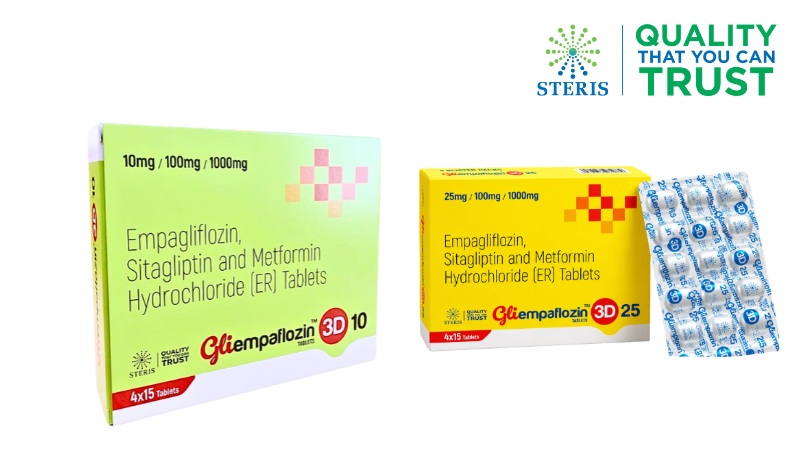
Empagliflozin, Sitagliptin and Metformin Tablets: Uses, Benefits & Price in India | Steris Healthcare You're using the free version of ChatGPT. Upgrade for advanced models, better memory, and higher-quality image creation. Try Plus free
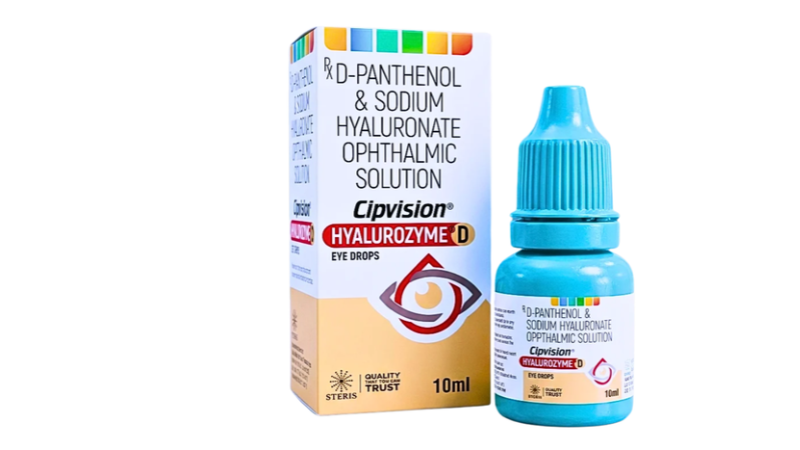
D-Panthenol & Sodium Hyaluronate Ophthalmic Solution: Uses, Benefits & Eye Care
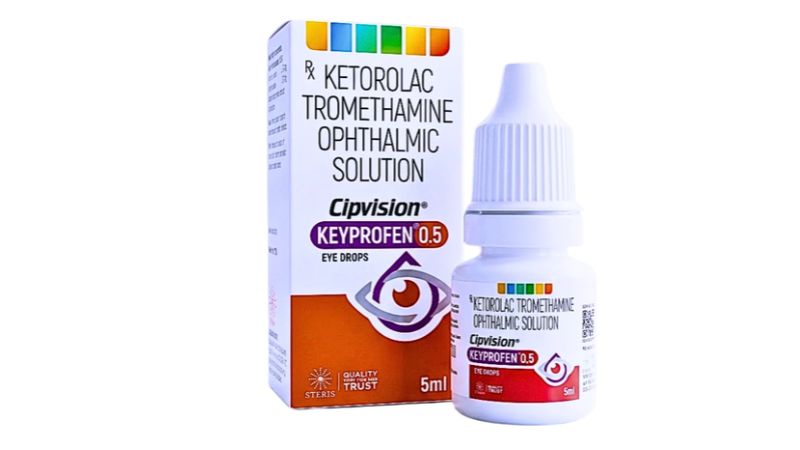
Ketorolac Tromethamine Ophthalmic Solution: Uses, Benefits, Side Effects & Dosage
Ofloxacin Dexamethasone Eye/Ear Drops: What Doctors Prescribe
Dapagliflozin and Bisoprolol: Uses, Benefits, Side Effects and Precautions
How Do Dapagliflozin and Metformin Work Together to Manage Type 2 Diabetes?
Voglibose and Repaglinide Tablets: Uses & Side Effects
Dapagliflozin for Type 2 Diabetes: Uses and Important Precautions
Dapagliflozin and Metformin Tablets: Uses, Benefits, Side Effects and Precautions
Itopride Hydrochloride Uses: What It Treats and How It Works

