




Trimetazidine Hydrochloride Modified Release Tablets 35 mg Uses, Benefits
Oct 22, 2026
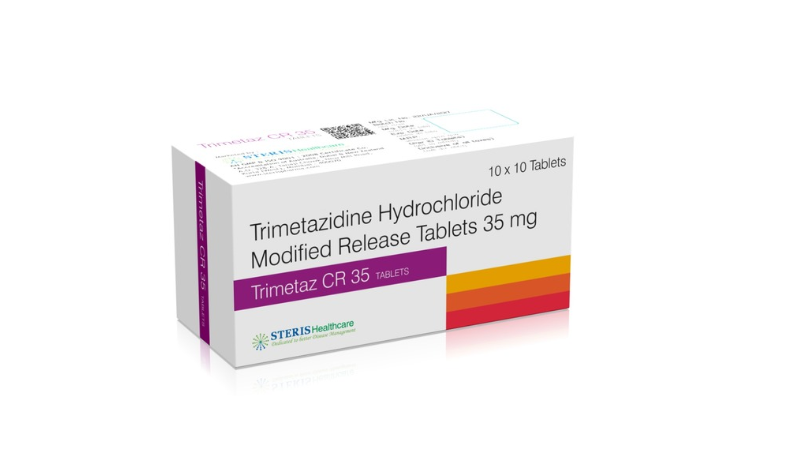
Trimetazidine Hydrochloride Modified Release Tablets 35 mg are a prescription cardiovascular medicine used as an add-on treatment for managing symptoms of stable angina in selected adults. Associated with Steris Healthcare, this formulation contains trimetazidine hydrochloride, which supports myocardial energy metabolism under conditions where the heart muscle receives insufficient oxygen.
For patients, pharmacists, healthcare professionals and pharmaceutical buyers in India, understanding the composition, indications, efficacy, mechanism of action and safety profile of this medicine is essential. This guide explains its therapeutic role, dosage considerations, possible side effects and available alternatives.
Composition of Trimetazidine Hydrochloride Modified Release Tablets 35 mg
The active ingredient in this formulation is Trimetazidine Hydrochloride 35 mg per modified-release tablet. The modified-release formulation is designed to release the medicine gradually after oral administration.
The inactive ingredients, coating materials and other excipients should be verified using the current product packaging or approved product information for the specific brand.
Steris Healthcare is associated with the product TRIMETAZ CR 35. Patients and healthcare buyers should verify the current product details, manufacturer information, packaging and availability before use or procurement.
How Does Trimetazidine Hydrochloride Modified Release Tablets 35 mg Work?
Trimetazidine works by modifying the way heart muscle cells produce energy. During myocardial ischaemia, the oxygen supply to the heart muscle may not adequately meet its energy requirements. Trimetazidine helps the myocardium use oxygen more efficiently by influencing cellular energy metabolism.
Mechanism of action of trimetazidine
Trimetazidine inhibits mitochondrial long-chain 3-ketoacyl-CoA thiolase, an enzyme involved in fatty-acid oxidation. This promotes glucose oxidation, which can generate more ATP per unit of oxygen consumed than fatty-acid oxidation.
This metabolic action may help maintain energy balance in heart muscle cells during ischaemic conditions. Unlike some conventional anti-anginal medicines, trimetazidine does not primarily work by lowering heart rate or blood pressure.
However, it does not remove coronary artery blockages or treat an acute heart attack. Its role is limited to symptom management in appropriately selected patients.
Why Is Trimetazidine Important?
Stable angina can cause recurring chest discomfort during physical activity or emotional stress. It can interfere with daily routines, walking and other activities that increase the heart's demand for oxygen.
Trimetazidine may be prescribed as an additional treatment when first-line anti-anginal medicines do not provide adequate symptom control or cannot be tolerated.
Its metabolic mechanism offers a different approach to symptom management. Nevertheless, the medicine should be used as part of a comprehensive cardiovascular treatment plan that may include other prescribed medicines, lifestyle changes and regular medical reviews.
For patients receiving cardiovascular care in Jaipur and other Indian cities, a qualified cardiologist can assess whether this medicine is appropriate based on symptoms, kidney function, medical history and existing treatment.
Indications of Trimetazidine Hydrochloride Modified Release Tablets 35 mg
The principal recognised indication under European regulatory guidance is add-on symptomatic treatment of stable angina in adults who are inadequately controlled by, or cannot tolerate, first-line anti-anginal therapies.
A doctor may consider treatment when symptoms continue despite appropriate initial therapy.
Trimetazidine is not intended for:
- Emergency relief of sudden chest pain.
- Treatment of an acute heart attack.
- Reversal of coronary artery blockages.
- Unsupervised treatment of other cardiovascular conditions.
New or severe chest pain, particularly when accompanied by sweating, breathlessness or pain spreading to the arm or jaw, requires immediate emergency medical assessment.
Key Benefits of Trimetazidine Hydrochloride Modified Release Tablets 35 mg
What Are the Benefits?
1. Supports stable angina symptom management: Clinical studies suggest that trimetazidine may improve angina symptoms in some patients when used as add-on therapy.
2. Provides a metabolic approach: Its mechanism focuses on myocardial energy utilisation rather than primarily reducing heart rate or blood pressure.
3. Offers modified-release delivery: The formulation is designed to release the active ingredient gradually, supporting the prescribed administration schedule.
4. May support everyday activities: When symptoms improve, selected patients may find physical activities more manageable. Individual responses vary.
5. Complements appropriate cardiovascular care: It may provide an additional treatment option when first-line anti-anginal therapy is insufficient or poorly tolerated.
These benefits relate primarily to symptom management. They should not be interpreted as proof that trimetazidine prevents heart attacks or improves long-term survival.
Efficacy and Clinical Evidence
Clinical studies have evaluated trimetazidine in adults with stable angina, including patients receiving other anti-anginal medicines. Some studies have reported reductions in angina frequency and the use of short-acting nitrate medication.
The European Medicines Agency reviewed the available evidence and restricted trimetazidine's role to add-on symptomatic treatment for stable angina. The review also highlighted neurological safety concerns, including the risk of movement disorders.
The 2024 European Society of Cardiology guidelines on chronic coronary syndromes discuss trimetazidine as one of several options for symptom control in selected patients.
Evidence should be interpreted carefully: improvement in angina symptoms does not establish that a medicine prevents heart attacks or reverses coronary artery disease.
Side Effects of Trimetazidine Hydrochloride Modified Release Tablets 35 mg
Like other prescription medicines, trimetazidine may cause adverse effects. Possible side effects include:
- Dizziness or headache.
- Nausea, vomiting or diarrhoea.
- Abdominal discomfort or indigestion.
- Weakness or fatigue.
- Skin rash or itching.
- Dizziness on standing, sometimes associated with falls.
Patients should inform their doctor if symptoms persist or interfere with everyday activities.
Serious Side Effects of Trimetazidine
Movement disorders are an important safety concern. Warning signs include:
- Tremors or shaking.
- Muscle stiffness or slowed movement.
- Difficulty walking or changes in balance.
- New involuntary movements.
- Symptoms resembling Parkinsonism.
Patients who develop these symptoms need prompt medical assessment. Trimetazidine is contraindicated in patients with Parkinson's disease and certain other movement disorders under relevant product restrictions. Severe renal impairment is also a contraindication.
Seek emergency assistance for severe allergic reactions or suspected heart-attack symptoms.
Available Substitutes for Trimetazidine Hydrochloride Modified Release Tablets 35 mg
Substitution should be determined by a qualified healthcare professional.
Potential options include other authorised trimetazidine modified-release products containing the same strength, or other formulations where locally approved. Immediate-release and modified-release tablets should not automatically be treated as interchangeable.
Depending on the patient's condition, a cardiologist may also consider other anti-anginal medicines, such as beta-blockers, calcium-channel blockers, long-acting nitrates or ranolazine.
These medicines have different mechanisms, precautions and dosing requirements. Patients should not change treatment without medical advice.
Dosage Guidelines for Trimetazidine Hydrochloride Modified Release Tablets 35 mg
For many authorised 35 mg modified-release formulations, the usual adult regimen is one tablet twice daily with meals. The exact dose must follow the specific product information and the prescribing clinician's instructions.
- Swallow the tablet whole with water unless the product leaflet specifies otherwise.
- Do not crush or chew modified-release tablets.
- Kidney impairment may require dose adjustment.
- Severe renal impairment is a contraindication under relevant product restrictions.
- Do not take an extra dose to compensate for a missed dose.
The doctor should review the patient's response to treatment. If symptoms do not improve within the review period specified by the applicable product information, the clinician may discontinue treatment.
Precautions and Warnings
Before taking trimetazidine, patients should inform their doctor about existing medical conditions and all medicines they use.
Kidney disease: Reduced kidney function can increase exposure to trimetazidine and may require a lower dose.
Movement disorders: Patients with Parkinson's disease, tremors or other relevant neurological symptoms should not start treatment without appropriate medical assessment.
Older adults: Kidney function, balance and the risk of falls deserve particular attention.
Pregnancy and breastfeeding: Use should be based on a professional assessment of potential benefits and risks, following the approved product information.
Driving: Dizziness or other adverse effects may impair the ability to drive or operate machinery.
Medicine interactions and combined treatment: Provide the prescribing clinician with a complete list of prescription medicines, non-prescription products and supplements.
Trimetazidine is not a rescue treatment for acute angina. Patients should follow their established emergency plan and seek urgent medical care when indicated.
Conclusion
Trimetazidine Hydrochloride Modified Release Tablets 35 mg is a metabolic anti-anginal medicine used as an add-on treatment for stable angina in appropriately selected adults. Its mechanism of action supports myocardial energy efficiency, while clinical evidence indicates potential benefits for symptom control in some patients.
Steris Healthcare is associated with TRIMETAZ CR 35, a listed product containing this active ingredient and strength. Healthcare professionals and buyers should verify current product documentation, approved indications and supply details before procurement.
Appropriate patient selection, attention to kidney function, awareness of movement-related adverse effects and regular clinical review are essential for safe use. Patients should always follow their doctor's instructions and seek emergency care for symptoms that may indicate a heart attack.
Frequently Asked Questions
1. What is Trimetazidine Hydrochloride Modified Release Tablets 35 mg used for?
It is used as an add-on treatment for stable angina symptoms in adults who are inadequately controlled by, or cannot tolerate, first-line anti-anginal therapies.
2. What is the composition of TRIMETAZ CR 35 by Steris Healthcare?
The listed active ingredient is trimetazidine hydrochloride 35 mg per modified-release tablet. Check the current product label for the complete excipient list.
3. How does trimetazidine 35 mg work?
It modifies myocardial energy metabolism, promoting glucose oxidation and supporting more efficient oxygen utilisation by heart muscle cells during ischaemic conditions.
4. What are the benefits of trimetazidine 35 mg?
Potential benefits include improved angina symptom control in selected patients and an additional metabolic treatment option when first-line therapy is insufficient or poorly tolerated.
5. What is the usual dosage of trimetazidine modified-release tablets?
Many authorised formulations use one 35 mg tablet twice daily with meals. The prescribed regimen and approved product information must take priority, particularly in patients with kidney impairment.
6. What are the common side effects of trimetazidine?
Reported effects include dizziness, headache, nausea, gastrointestinal discomfort, diarrhoea and weakness. Movement-related symptoms require prompt medical attention.
7. Can trimetazidine cause Parkinson-like symptoms?
Yes. Tremors, stiffness, slowed movement and gait disturbances may occur. It is contraindicated in patients with Parkinson's disease and certain movement disorders under relevant product restrictions.
8. Is trimetazidine used to treat a heart attack?
No. It is not an emergency treatment for a heart attack or a rescue medicine for sudden chest pain.
9. Can another brand replace TRIMETAZ CR 35?
A pharmacist or prescriber can assess whether another authorised product with the same active ingredient, strength and release characteristics is suitable.
10. Where can healthcare buyers find Trimetazidine 35 mg in India?
Healthcare buyers should consult legitimate pharmaceutical suppliers and verify the product's current availability, manufacturer information, batch traceability and applicable regulatory documentation before procurement.
Recent Post

Glimepiride 0.5 mg + Voglibose 0.2 mg + Metformin SR 500 mg | Steris Healthcare

EUROSOFT MOSQUITO SHIELD
Olmesartan and Metoprolol: Uses, Benefits, Dosage & Side Effects | Steris Healthcare
Tofacitinib 11 mg Tablets: A Complete Guide to Uses and Side Effects
Olmesartan Medoxomil + Metoprolol Succinate: Uses, Dosage
Torsemide 100 mg: Uses, Dosage, Side Effects, and Precautions
How Streptococcus Thermophilus Supports Digestive Health
Olmesartan Medoxomil + Metoprolol Succinate: Uses, Benefits & Side Effects
Sirolimus 1 mg: Uses, Dosage, Side Effects, and Precautions
What Is Cefpodoxime Proxetil? Uses and Benefits Explained

