




Voglibose and Repaglinide Tablets: Uses & Side Effects
Oct 28, 2026
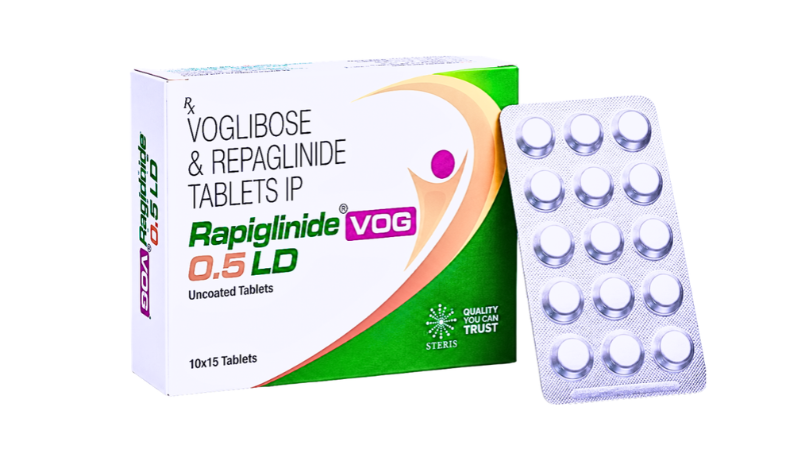
Voglibose and repaglinide tablets Oral antidiabetic medicines used to manage Type 2 diabetes by helping regulate blood glucose levels, especially after meals (postprandial blood sugar levels). Rapiglinide VOG 0.5 LD from Steris Healthcare Pvt. Ltd. pairs repaglinide 0.5 mg (which prompts the pancreas to release insulin quickly around meals) with voglibose (which slows carbohydrate digestion in the gut).
What Are Voglibose and Repaglinide Tablets?
Voglibose and repaglinide tablets combine two oral antidiabetic medicines that work on different parts of the blood sugar problem. Neither one is insulin, and neither one replaces healthy eating, physical activity and regular monitoring. They are prescription tools that a doctor adds to a diabetes care plan when a patient's post-meal glucose readings stay too high.
Rapiglinide VOG 0.5 LD is the Steris Healthcare presentation of this combination. The "0.5" refers to the repaglinide strength in milligrams. The tablet is designed for people whose doctors want tighter control of glucose peaks that follow breakfast, lunch and dinner, rather than only the fasting number.
Post-meal glucose control matters because, for many Indian adults, the typical diet is rich in rice, rotis, and other refined carbohydrates. Blood sugar after meals can climb sharply even when the fasting reading looks acceptable. A combination that acts at the meal itself – one component in the gut, one in the pancreas – is a logical fit for that pattern. A published open-label study of a voglibose-repaglinide fixed-dose combination in Indian patients with type 2 diabetes, taken just before meals for 30 days, reported that the combination was effective and well tolerated for post-meal hyperglycaemia. It was a small, non-comparative study, so it should be read as supportive rather than conclusive.
Uses of Voglibose and Repaglinide Tablets
Doctors prescribe this combination for:
- Type 2 diabetes mellitus in adults, as an add-on to diet and exercise when these alone do not give adequate glycaemic control.
- Post-meal (postprandial) hyperglycaemia, where blood sugar rises sharply 1–2 hours after eating.
- Patients who need more than one mechanism – reducing carbohydrate absorption while also boosting meal-time insulin release.
- Selected patients already on metformin or another background therapy, where the doctor decides an additional agent is appropriate.
It is not for type 1 diabetes or diabetic ketoacidosis.
| Clinical indication | Role of the combination |
|---|---|
| Type 2 diabetes, uncontrolled on lifestyle changes | Adjunct to diet and exercise |
| High post-meal glucose readings | Primary target of this combination |
| Need for dual mechanism | Gut-level + pancreatic-level action |
| Type 1 diabetes / DKA | Not indicated |
How Does It Work?
Repaglinide – the meal-time insulin trigger
Repaglinide belongs to the meglitinide class. It closes ATP-sensitive potassium channels on pancreatic beta cells, which causes the cells to release insulin. The effect begins quickly and fades within a few hours, which is why it is taken shortly before a meal and is skipped when a meal is skipped. This short, meal-linked action is what keeps the risk of prolonged low blood sugar lower than with some longer-acting insulin-releasing drugs, although hypoglycaemia can still occur.
Voglibose – the carbohydrate "speed bump"
Voglibose is an alpha-glucosidase inhibitor. It blocks enzymes in the small intestine that break complex carbohydrates into glucose. Carbohydrates are still digested, but more slowly, so glucose enters the blood gradually instead of in a sharp surge. Voglibose is minimally absorbed into the bloodstream, which is why most of its effects and side effects are felt in the gut.
Why the combination makes sense
Voglibose flattens the supply of glucose after a meal, and repaglinide improves the insulin response to it. The two actions are complementary and are both timed to the meal.
Key Benefits of Voglibose and Repaglinide Tablets
- Targets post-meal sugar spikes. Both components act around meals, the time when many patients' readings are highest.
- Two mechanisms in one tablet. A fixed-dose combination can mean fewer separate tablets to track at mealtimes.
- Flexible with meals. Because the dose is linked to eating, a skipped meal means a skipped dose, matching real-life routines.
- Lower hypoglycaemia risk than long-acting insulin releasers for many patients. Repaglinide's action is short; the risk is not zero, so monitoring remains important.
- Generally weight-friendly component. Voglibose is typically weight-neutral, although repaglinide can cause a modest weight gain in some people.
- Can complement background therapy. Doctors may combine it with other antidiabetic medicines when appropriate.
- Supports HbA1c goals over time. By lowering post-meal peaks, the average glucose that HbA1c reflects can improve. Results depend on diet, activity and adherence.
How to Take It
Your prescriber decides the dose and schedule. In general:
- Take the tablet just before a main meal (repaglinide is usually taken within about 15 minutes before eating). Follow the timing printed in your prescription.
- Skip the dose if you skip the meal. Taking it without food can cause low blood sugar.
- Swallow with water; do not crush unless your doctor says so.
- Do not change the dose yourself.
- Keep monitoring blood glucose as advised, and attend HbA1c checks
Side Effects of Voglibose and Repaglinide Tablets
Common side effects
- Gas (flatulence) and abdominal bloating
- Loose stools or diarrhoea
- Stomach discomfort or cramps
- Hypoglycaemia (low blood sugar): sweating, shakiness, hunger, palpitations, dizziness, headache
- Nausea
- Modest weight gain in some patients
Gut symptoms are usually most noticeable in the first weeks and often ease as the body adjusts, particularly when treatment is started under medical guidance.
Serious side effects – seek medical help promptly
- Severe or persistent hypoglycaemia, confusion, fainting or seizures
- Severe abdominal pain, swelling or constipation that does not settle
- Yellowing of skin or eyes (possible liver problem), dark urine
- Signs of allergic reaction: rash, itching, swelling of face or lips, breathing difficulty
- Chest pain or symptoms that may suggest a cardiac problem
Because voglibose slows the breakdown of table sugar (sucrose), a sugary snack may act too slowly during a hypoglycaemic episode. People taking an alpha-glucosidase inhibitor are generally advised to treat a low with pure glucose (dextrose tablets or gel) and to ask their doctor for specific advice. Following hypoglycaemia, seek medical review.
Precautions, Interactions and Who Should Not Take It
Do not use, or use only on a doctor's specific advice, if you have:
- Type 1 diabetes or diabetic ketoacidosis
- Known allergy to repaglinide, voglibose or any ingredient
- Significant liver disease
- Serious intestinal conditions such as obstruction, severe inflammatory bowel disease or chronic digestive disorders affecting absorption
- Severe infection, major surgery or serious trauma (your doctor may switch you to insulin temporarily)
- Pregnancy or breastfeeding – discuss with your doctor first
Interactions to discuss with your doctor or pharmacist:
- Gemfibrozil – a lipid drug that sharply raises repaglinide levels; combination is generally avoided.
- Clopidogrel, clarithromycin, itraconazole, ketoconazole, rifampicin – can change repaglinide levels.
- Other diabetes medicines or insulin – additive hypoglycaemia risk.
- Beta-blockers – can mask warning signs of low blood sugar.
- Alcohol – increases hypoglycaemia risk and may worsen stomach upset.
What to Know Before You Order
If you are searching for voglibose and repaglinide tablets price or where to order Rapiglinide VOG 0.5 LD, keep these points in mind:
- It is a Schedule H medicine. A valid prescription from a registered medical practitioner is required.
- Confirm the composition and strength on the pack against your prescription. Voglibose-repaglinide combinations are sold in several strengths by different manufacturers.
- Buy from a trusted source. Check batch number, manufacturing and expiry dates, and tamper-evident packaging.
- Manufacturer credentials. Steris Healthcare Pvt. Ltd. is a WHO-GMP and ISO-certified pharmaceutical manufacturer in India.
- Check current price and availability through the official Steris Healthcare channels listed below; pricing varies by pack size and channel. [PLACEHOLDER: insert verified MRP once confirmed.]
- Do not switch brands or strengths without asking your doctor.
How It Compares: Marketed Voglibose + Repaglinide Combinations
Several Indian companies market voglibose-repaglinide combinations. Compositions differ by brand and strength, so always match the strength your doctor prescribed.
| Product | Marketer | Composition note |
|---|---|---|
| Rapiglinide VOG 0.5 LD | Steris Healthcare Pvt. Ltd. | Repaglinide 0.5 mg + Voglibose [verify] |
| Voglitor R | Torrent Pharma | Repaglinide + Voglibose (check strength on pack) |
| Voglizar R | Various | Repaglinide + Voglibose (check strength on pack) |
| Volga R / Vogvia RG Forte | Various | Repaglinide + Voglibose (check strength on pack) |
This article was prepared for Steris Healthcare Pvt. Ltd., a WHO-GMP and ISO-certified manufacturer, and is intended as general patient education. It is not a substitute for personal medical advice. Clinical statements follow standard pharmacology references and approved prescribing information for repaglinide and voglibose; any figure or expert quote not yet verified is marked as a reviewer placeholder.
Conclusion
Voglibose and repaglinide tablets offer a focused approach to one of the hardest parts of type 2 diabetes management: the rise in blood sugar after meals. Rapiglinide VOG 0.5 LD combines repaglinide's quick, meal-linked insulin release with voglibose's slowing of carbohydrate absorption in a single prescription tablet. When taken before meals as directed, alongside a balanced diet, regular activity and routine monitoring, it can help bring post-meal peaks – and over time HbA1c – closer to the target your doctor sets.
Common side effects such as gas, bloating, loose stools and low blood sugar are usually manageable, but they should be reported, and low blood sugar should be treated correctly (with glucose). Never start, stop or change the dose without your doctor's advice, and never take it if you are skipping a meal.
Frequently Asked Questions
1. What are the uses of voglibose and repaglinide tablets?
Voglibose and repaglinide tablets are used to treat type 2 diabetes in adults when diet and exercise are not enough. They mainly help control the sharp rise in blood sugar after meals. Repaglinide boosts meal-time insulin release, and voglibose slows carbohydrate absorption. They are not for type 1 diabetes. Prescription only – consult your doctor.
2. What is the best medicine to reduce HbA1c?
No single medicine is best for everyone. Doctors choose based on HbA1c level, kidney and heart health, weight, hypoglycaemia risk, cost and preferences. Metformin is commonly the first-line option, and other classes are added as needed. Voglibose and repaglinide mainly target post-meal glucose. Your doctor will set your individual HbA1c goal.
3. Is voglibose safe for the kidneys?
Voglibose is only minimally absorbed into the blood, so it is not considered directly harmful to the kidneys, and it is often used with caution rather than avoided in kidney disease. Repaglinide is processed mostly by the liver. However, people with kidney problems should only use this combination under a doctor's supervision, with dose and monitoring individualised.
4. What are the differences between voglibose and repaglinide?
Voglibose is an alpha-glucosidase inhibitor that slows carbohydrate digestion in the intestine, so glucose enters the blood gradually. Repaglinide is a meglitinide that stimulates the pancreas to release insulin shortly after being taken. Voglibose mostly causes gas and bloating; repaglinide's key risk is hypoglycaemia. Both are taken around meals.
5. What food to avoid if HbA1c is high?
Limit sugary drinks, fruit juices, sweets and mithai, refined flour (maida) products, white bread, large portions of white rice, deep-fried snacks, packaged and processed foods, and excess alcohol. Choose whole grains, pulses, vegetables, adequate protein and controlled portions. A dietitian or doctor can build a plan that fits your medicines and routine.
6. What is Rapiglinide VOG 0.5 LD?
Rapiglinide VOG 0.5 LD is a Steris Healthcare Pvt. Ltd. tablet combining repaglinide 0.5 mg with voglibose for type 2 diabetes. It is aimed at post-meal blood sugar control and is a Schedule H prescription medicine. Confirm the exact voglibose strength on your pack and prescription.
7. How and when should I take voglibose and repaglinide tablets?
Take it just before a main meal, usually within about 15 minutes before eating, exactly as your doctor prescribed. Swallow with water. If you skip a meal, skip that dose. Never double up for a missed dose, and keep checking your blood sugar as advised.
8. What are the common side effects of voglibose and repaglinide tablets?
The most common are gas, bloating, abdominal discomfort, loose stools, nausea and low blood sugar (sweating, shakiness, hunger, dizziness). Some people gain a little weight. Gut effects often ease over time. Report severe or persistent symptoms to your doctor.
9. Can voglibose and repaglinide cause low blood sugar?
Yes. Repaglinide can cause hypoglycaemia, especially if a meal is skipped, delayed or small, or if you drink alcohol or exercise heavily. Because voglibose delays sugar digestion, treat a low with glucose tablets or gel rather than table sugar, and then contact your doctor.
10. Can I take voglibose and repaglinide with metformin?
Doctors often combine different antidiabetic classes, including with metformin, when one medicine is not enough. Whether this is right for you depends on your kidney function, blood sugar pattern and overall health. Do not combine medicines on your own; follow your prescriber's plan.
11. Who should not take voglibose and repaglinide tablets?
People with type 1 diabetes, diabetic ketoacidosis, allergy to either drug, significant liver disease or serious intestinal disorders should not use it unless a doctor specifically advises otherwise. It is also avoided with gemfibrozil. Discuss pregnancy, breastfeeding and surgery plans with your doctor.
12. Can I drink alcohol while taking this medicine?
Alcohol is best avoided or kept to a minimum. It raises the risk of low blood sugar, can mask its symptoms and may worsen stomach upset. Never drink on an empty stomach while taking repaglinide-containing medicines. Ask your doctor what is safe for you.
13. What should I do if I miss a dose?
If you remember before eating, take it with that meal as directed. If the meal is over, skip the missed dose and take the next one at the next meal. Do not take a double dose. If unsure, ask your doctor or pharmacist.
14. Does it cause weight gain?
Voglibose is generally weight-neutral, while repaglinide may cause a small weight gain in some patients. Diet, activity and total calorie intake matter most. Report sudden or large weight changes to your doctor.
15. How long does it take to lower HbA1c?
Post-meal readings may improve within days to weeks of regular use. HbA1c reflects average glucose over about three months, so doctors usually recheck it after that period. Results depend on diet, activity, adherence and other medicines.
16. What is the price of voglibose and repaglinide tablets (Rapiglinide VOG 0.5 LD)?
Price depends on the strength, pack size and sales channel. Check the current price through the official Steris Healthcare channels at sterisonline.com. [PLACEHOLDER: insert verified MRP.] Prescription only – consult your doctor.
17. Is a prescription required to buy Rapiglinide VOG 0.5 LD?
Yes. It is a Schedule H drug and can be purchased only with a valid prescription from a registered medical practitioner. Buy from authorised sources and check the batch number, expiry date and packaging.
Recent Post
Dapagliflozin and Bisoprolol: Uses, Benefits, Side Effects and Precautions
How Do Dapagliflozin and Metformin Work Together to Manage Type 2 Diabetes?
Dapagliflozin for Type 2 Diabetes: Uses and Important Precautions
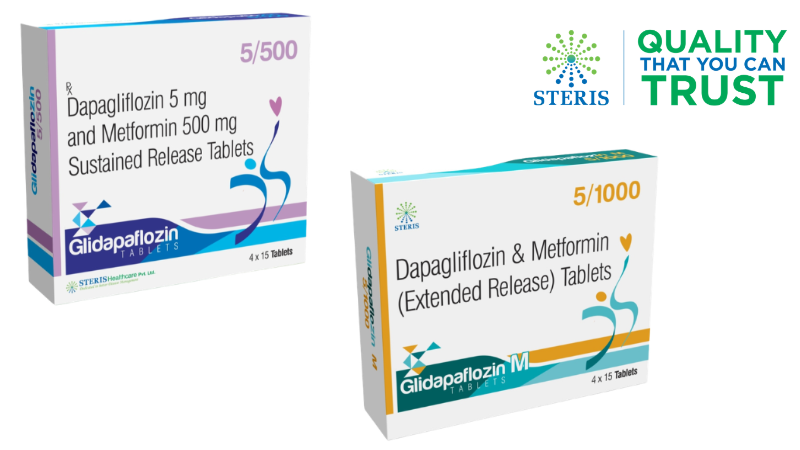
Dapagliflozin and Metformin Tablets: Uses, Benefits, Side Effects and Precautions
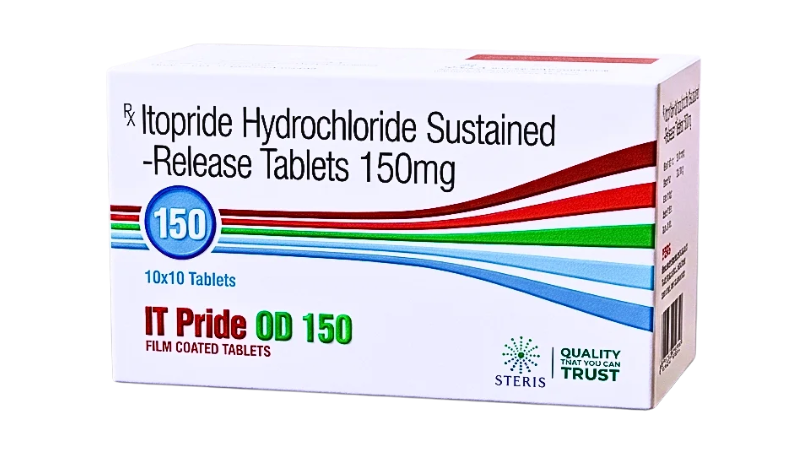
Itopride Hydrochloride Uses: What It Treats and How It Works
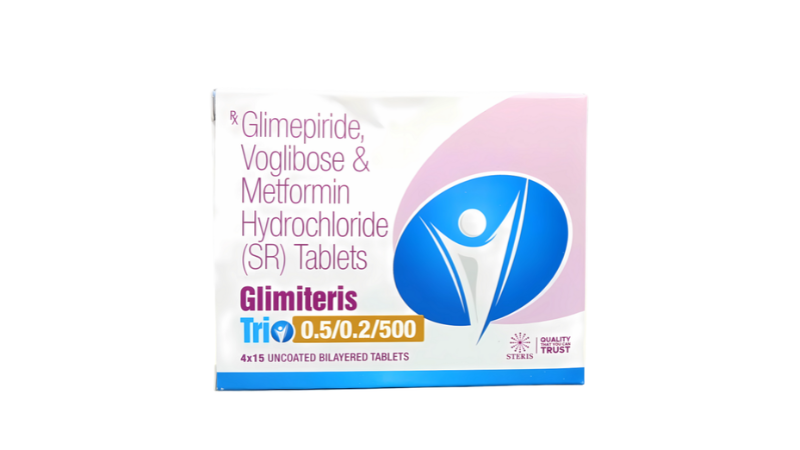
Glimepiride 0.5 mg + Voglibose 0.2 mg + Metformin SR 500 mg | Steris Healthcare
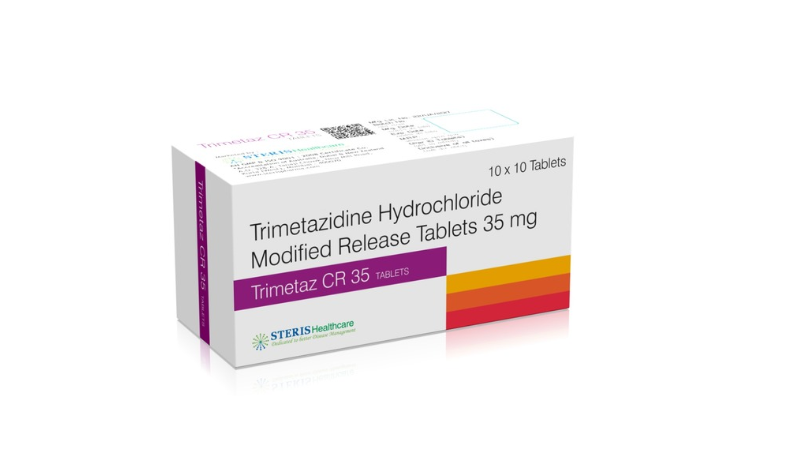
Trimetazidine Hydrochloride Modified Release Tablets 35 mg Uses, Benefits
EUROSOFT MOSQUITO SHIELD
Olmesartan and Metoprolol: Uses, Benefits, Dosage & Side Effects | Steris Healthcare
Tofacitinib 11 mg Tablets: A Complete Guide to Uses and Side Effects

