


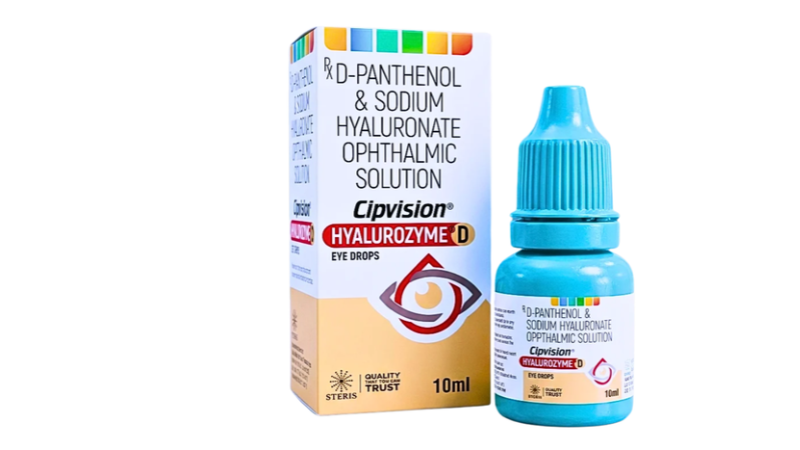


D-Panthenol & Sodium Hyaluronate Ophthalmic Solution: Uses, Benefits & Eye Care
Oct 28, 2026
What Is Cipvision Hyalvrozymed?
Cipvision Hyalvrozymed is a sterile D-Panthenol & sodium hyaluronate ophthalmic solution from Steris Healthcare Pvt. Ltd., an Indian pharmaceutical manufacturer operating under WHO-GMP and ISO-certified quality systems. It is designed as an artificial-tear style lubricant that combines two well-studied ingredients:
| Ingredient | What it is | Role in the eye |
|---|---|---|
| Sodium hyaluronate | The sodium salt of hyaluronic acid, a naturally occurring water-binding polymer | Retains moisture, adds viscosity, forms a stable lubricating film on the cornea |
| D-Panthenol (dexpanthenol) | Alcohol analogue of pantothenic acid (vitamin B5) | Supports surface comfort, hydration and recovery of irritated ocular surface tissue |
Combinations of sodium hyaluronate with dexpanthenol are an established category worldwide. Marketed examples include sodium hyaluronate 0.1% with dexpanthenol 2% preservative-free drops listed in the UK NHS dictionary of medicines and devices, and a 0.15% / 2% combination sold in Europe.
Uses of D-Panthenol & Sodium Hyaluronate Eye Drops
Doctors and pharmacists commonly recommend this type of solution for:
- Dry eye symptoms such as burning, grittiness, foreign-body sensation and redness caused by low tear production or fast tear evaporation.
- Digital eye strain from long hours on phones, laptops or monitors, where blink rate drops and the tear film breaks up.
- Environmental irritation from air-conditioning, dust, smoke, pollution, wind or travel.
- Contact lens discomfort (only if the label states compatibility with lenses; otherwise remove lenses first and wait before re-inserting).
- Post-procedure surface care as advised by an ophthalmologist, for example after some eye surgeries where lubrication is needed.
- Mild surface irritation where the cornea feels sore but there is no infection.
Key Benefits of Cipvision Hyalvrozymed
1. Long-lasting lubrication
Sodium hyaluronate binds many times its weight in water and is viscoelastic, so it spreads with each blink and stays on the surface longer than a plain saline drop.
2. Dual-action comfort
Sodium hyaluronate hydrates; D-panthenol supports the surface itself. Together they target both the symptom (dryness) and the comfort of the tissue.
3. Clear vision after instilling
Good-quality hyaluronate drops are designed to form a clear film. A brief blur is possible right after the drop but should clear within minutes.
4. Suitable for frequent use
Lubricant drops of this type are generally used several times daily and long term for chronic dry eye, under medical guidance.
5. Made to pharma-grade standards
Steris Healthcare manufactures under WHO-GMP and ISO-certified systems, which matters for sterility, batch consistency and traceability in ophthalmic products.
6. Trusted, familiar ingredients
Both actives are widely used in ophthalmology and personal-care science, with long safety histories in eye products.
How to Use Cipvision Hyalvrozymed
- Wash your hands with soap and water and dry them.
- Check the label, expiry date and that the cap seal and solution look clear.
- Tilt your head back and gently pull the lower eyelid down to form a small pocket.
- Hold the bottle upside down just above the eye.
- Squeeze one drop (a second only if directed) into the pocket.
- Close your eyes gently for 1–2 minutes and press lightly on the inner corner of the eye to reduce drainage into the nose.
- Wipe away excess with a clean tissue and recap the bottle immediately.
- Wait at least 5 minutes before using any other eye drop, and use thicker gels or ointments last.
Side Effects and Precautions
Side effects are usually mild and temporary. They may include:
- Brief stinging or burning on instilling
- Temporary blurred vision
- Mild eye redness or watering
- A feeling of stickiness on the lashes (more with thicker formulas)
- Rarely, allergic reaction such as itching, swelling of the eyelids, rash or, very rarely, breathing difficulty
Precautions
- Do not use if you are allergic to any ingredient,
- Do not touch the dropper tip to any surface.
- Do not share the bottle.
- Take contact lenses out before use unless the label permits otherwise.
- Pregnancy and breastfeeding: ask your doctor first. Systemic absorption from eye drops is low, but individual advice matters.
- Children: use only under paediatric or ophthalmologist guidance.
- If you use glaucoma, steroid or antibiotic drops, keep a gap and follow your doctor's order of use.
Why Choose Cipvision Hyalvrozymed?
- Check the actives and strength against the pack and the prescription.
- Look for preservative-free or low-preservative options if you need drops more than four times a day.
- Confirm manufacturer credibility (WHO-GMP, ISO, batch number, expiry and a printed manufacturer address).
- Buy from licensed pharmacies or authorised e-pharmacies and keep the bill.
- Ask your pharmacist or eye doctor whether a drop or a gel suits your dry-eye severity.
- Price and pack size: MRP and availability.
Experience: Dry eye and digital eye strain are among the most common reasons people visit eye clinics, and lubricating drops are usually the first step in care.
Expertise: Sodium hyaluronate is a glycosaminoglycan found naturally in ocular tissues. Dexpanthenol is converted in tissues to pantothenic acid, a component of coenzyme A that is involved in cell metabolism. Both ingredients are routinely used in ophthalmic lubricants in Europe and elsewhere.
Authoritativeness: Marketed combinations of sodium hyaluronate and dexpanthenol are recorded in national medicines databases such as the UK dm+d, and product leaflets from European manufacturers describe the same mechanism: a stable, long-lasting film on the cornea without reducing visual sharpness.
Conclusion
D-Panthenol & sodium hyaluronate ophthalmic solution (Cipvision Hyalvrozymed) is a practical, well-understood option for dry, tired and irritated eyes. Sodium hyaluronate gives lasting moisture and a smooth tear film, and D-panthenol supports surface comfort. Used correctly with clean hands, a non-touching tip and the right spacing from other drops, it is generally safe for regular use. If symptoms are severe, persistent or accompanied by pain or vision change, see an eye specialist promptly rather than self-treating.
Frequently Asked Questions
1. How do I apply D-Panthenol ophthalmic gel to my eyes and eyelids?
Wash your hands, tilt your head back and pull the lower lid down. Place a small amount (a thin line for gel, or one drop for solution) into the lower lid pocket without touching the tip to your eye. Close your eyes for a minute. For eyelid care, apply only if your doctor or the label says so, using a clean fingertip or cotton bud. Note that Cipvision Hyalvrozymed is an ophthalmic solution (drops), so use drops as described above.
2. Can I use sodium hyaluronate eye drops every day?
Yes. Sodium hyaluronate lubricant drops are commonly used daily, including long term for chronic dry eye. If you need them more than 4 times a day, ask your doctor about preservative-free options.
3. Is sodium hyaluronate safe in eye drops?
Yes, it is considered safe and well tolerated. It occurs naturally in the eye, and side effects are usually limited to brief stinging or blurry vision. Allergy is rare.
4. What are the uses of D-Panthenol in the eye?
D-Panthenol (dexpanthenol) is used to support comfort and recovery of the ocular surface and to help lubricate dry, irritated eyes, usually together with sodium hyaluronate.
5. Can I use my finger to apply eye ointment?
It is better to use the tube tip without touching the eye. If you must use a finger, wash your hands thoroughly first and never let the tube tip touch the finger, eye or lashes. A clean cotton bud is another option.
6. Is panthenol safe to use daily?
Yes, panthenol is generally safe for daily use in eye products when used as directed. See a doctor if you notice irritation, swelling or worsening symptoms.
7. What is D-Panthenol & sodium hyaluronate ophthalmic solution used for?
It is used to relieve dry eye, burning, grittiness, digital eye strain and irritation from dust, wind or air-conditioning.
8. What is Cipvision Hyalvrozymed used for?
Cipvision Hyalvrozymed is a lubricating eye solution for dry and irritated eyes, combining D-panthenol and sodium hyaluronate. Confirm the exact approved indication on the pack insert.
9. How many times a day can I use these eye drops?
Commonly 1–2 drops, 3–5 times a day, or as your doctor advises. Follow the Cipvision Hyalvrozymed label for exact dosing.
10. Can I use these eye drops with contact lenses?
Only if the label says they are lens-compatible. Otherwise, remove lenses, instil the drop and wait about 15 minutes before putting them back.
11. How long should I wait between two different eye drops?
Wait at least 5 minutes, and use gels or ointments last.
12. What are the side effects of D-panthenol and sodium hyaluronate eye drops?
Mild stinging, temporary blur, slight redness or watering. Rarely, allergic reaction. Stop and consult a doctor if severe.
13. Does sodium hyaluronate cause blurred vision?
It can cause a brief blur right after instilling because the drop thickens the tear film. It usually clears within minutes. Avoid driving until your vision is clear.
14. Can I use D-panthenol & sodium hyaluronate drops for screen eye strain?
Yes. Lubricating drops can ease dryness from reduced blinking during screen use. Pair them with the 20-20-20 rule (every 20 minutes look 20 feet away for 20 seconds).
15. Are these eye drops safe in pregnancy and breastfeeding?
Absorption from eye drops is low, but you should ask your doctor before using any medicine during pregnancy or breastfeeding.
16. Can children use D-panthenol & sodium hyaluronate eye drops?
Only under the advice of a paediatrician or eye specialist.
17. How should I store the eye drops, and how long can I use an opened bottle?
Store as directed on the label, tightly capped and away from heat and light. Discard after the in-use period printed on the pack, since opened bottles can become contaminated.
Recent Post
Ketorolac Tromethamine Ophthalmic Solution: Uses, Benefits, Side Effects & Dosage
Ofloxacin Dexamethasone Eye/Ear Drops: What Doctors Prescribe
Dapagliflozin and Bisoprolol: Uses, Benefits, Side Effects and Precautions
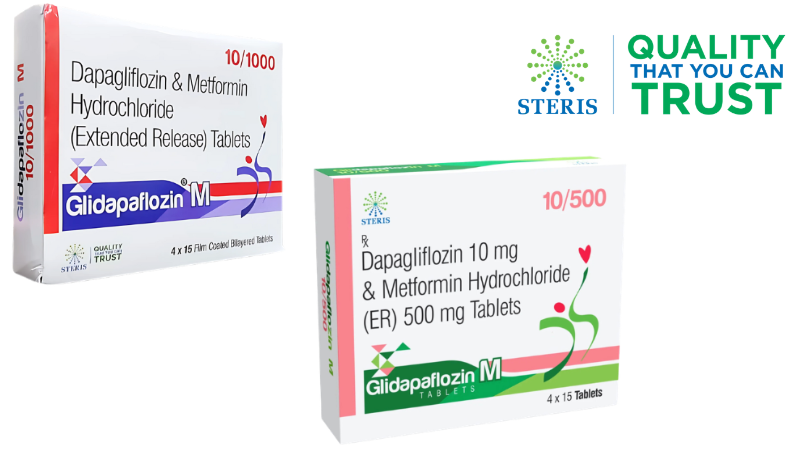
How Do Dapagliflozin and Metformin Work Together to Manage Type 2 Diabetes?
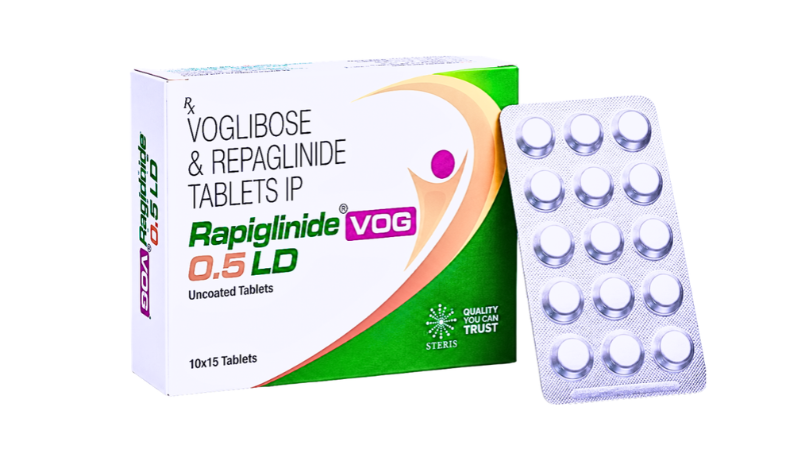
Voglibose and Repaglinide Tablets: Uses & Side Effects
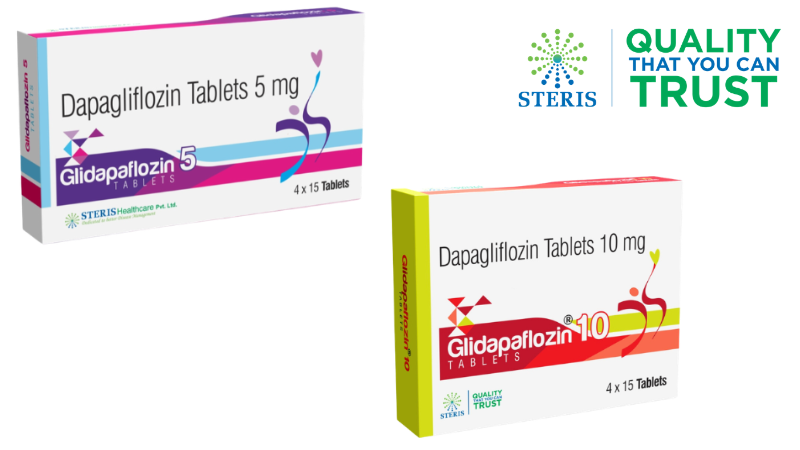
Dapagliflozin for Type 2 Diabetes: Uses and Important Precautions
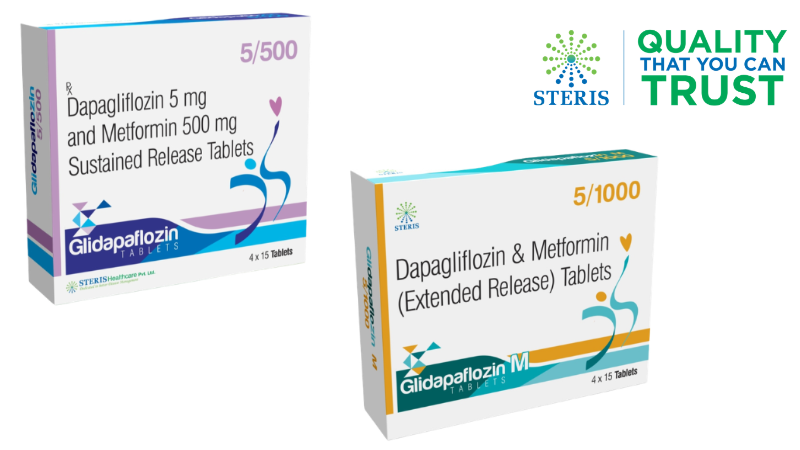
Dapagliflozin and Metformin Tablets: Uses, Benefits, Side Effects and Precautions
Itopride Hydrochloride Uses: What It Treats and How It Works
Glimepiride 0.5 mg + Voglibose 0.2 mg + Metformin SR 500 mg | Steris Healthcare
Trimetazidine Hydrochloride Modified Release Tablets 35 mg Uses, Benefits

