




Semaglutide Injection: Uses, Prescription Requirements, and Availability in India
Oct 29, 2026
Semaglutide is a synthetic version of GLP-1 (glucagon-like peptide-1), a natural gut hormone released after meals. GLP-1 tells the pancreas to release insulin when blood sugar is high, lowers the release of glucagon (a hormone that raises sugar), slows stomach emptying and helps you feel full sooner. Semaglutide is engineered to resist breakdown in the body, so a single injection under the skin once a week keeps working for seven days.
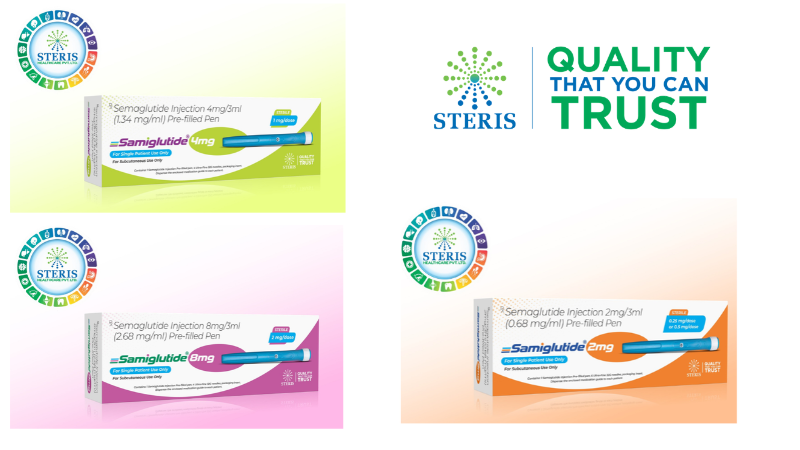
SAMIGLUTIDE is a pre-filled, multi-dose pen. You dial the dose, attach a fresh needle, and inject under the skin of the abdomen, thigh or upper arm. The pen strength depends on the dose step you are on. A doctor chooses the strength and tells you when to move up.
| Pen | Concentration | Dose delivered per injection (as per approved label) |
|---|---|---|
| SAMIGLUTIDE 2 MG (2 mg/3 ml) | 0.68 mg/ml | 0.25 mg or 0.5 mg |
| SAMIGLUTIDE 4 MG (4 mg/3 ml) | 1.34 mg/ml | 1 mg |
| SAMIGLUTIDE 8 MG (8 mg/3 ml) | 2.68 mg/ml | 2 mg |
Indications of Semaglutide Injection
Semaglutide injection is indicated for adults with type 2 diabetes mellitus whose blood glucose is not adequately controlled with diet and exercise (and, in practice, with other glucose-lowering medicines). Doctors in India may use it:
- as an add-on to metformin or other oral antidiabetic drugs when HbA1c remains above target;
- in people with type 2 diabetes who also have established cardiovascular disease or high cardiovascular risk, where a GLP-1 receptor agonist with proven outcomes is preferred;
- in people with type 2 diabetes and chronic kidney disease, where guidelines support GLP-1 RA therapy (the treating physician decides);
- in people who struggle with weight gain on other diabetes medicines, since semaglutide typically lowers body weight as well.
It is not for type 1 diabetes or diabetic ketoacidosis.
Why Is Semaglutide Injection Important?
India has one of the largest diabetes populations in the world, and many patients remain above their HbA1c target despite taking two or three tablets. Long-term high sugar damages the heart, kidneys, eyes and nerves. Semaglutide matters for four reasons:
- Strong HbA1c reduction. In the SUSTAIN clinical programme, once-weekly semaglutide produced some of the largest HbA1c reductions seen with a GLP-1 receptor agonist.
- Weight benefit. Most diabetes injections and sulfonylureas add weight. Semaglutide usually does the opposite, which can improve insulin sensitivity.
- Cardiovascular protection. In SUSTAIN-6, semaglutide lowered the risk of major cardiovascular events in high-risk patients with type 2 diabetes.
- Once-weekly convenience. One injection a week is easier to sustain than daily injections, which supports adherence.
Because semaglutide stimulates insulin release only when glucose is raised, the risk of hypoglycaemia is low unless it is combined with insulin or a sulfonylurea.
Key Benefits
- Lowers HbA1c and fasting and post-meal glucose: works on both fasting and after-meal sugar.
- Once-weekly dosing: a single weekly injection, on the same day each week, with or without food.
- Weight reduction: many patients lose several kilograms, mostly from reduced appetite and calorie intake.
- Low hypoglycaemia risk on its own: glucose-dependent action.
- Cardiovascular risk reduction: shown to reduce major adverse cardiovascular events in high-risk patients with type 2 diabetes.
- Kidney support: the FLOW trial showed fewer serious kidney outcomes in people with type 2 diabetes and chronic kidney disease.
- May help blood pressure and lipids: modest reductions in systolic BP and improvement in cholesterol parameters have been reported.
- Flexible pen system: a pen with a fine needle and dose counter makes self-injection manageable once you have been trained.
- Quality manufacture: produced by Steris Healthcare Pvt. Ltd., a WHO-GMP and ISO-certified manufacturer in Jaipur, Rajasthan.
Efficacy and Clinical Evidence
The evidence for once-weekly semaglutide in type 2 diabetes is among the strongest in the GLP-1 class. Results below are approximate and vary by trial population.
- SUSTAIN programme (HbA1c and weight). Across the phase 3 trials, semaglutide 0.5 mg and 1 mg lowered HbA1c by roughly 1.5 to 1.8 percentage points from baseline, and body weight fell by around 4 to 7 kg, depending on the trial and dose.
- SUSTAIN-7 (vs dulaglutide). Semaglutide showed greater HbA1c and weight reduction than dulaglutide at the compared doses.
- SUSTAIN-FORTE (2 mg vs 1 mg). The 2 mg dose lowered HbA1c by about 2.2 points versus about 1.9 with 1 mg, and weight loss was modestly greater, supporting the 2 mg step for patients who need more.
- SUSTAIN-6 (cardiovascular outcomes). In 3,297 high-risk adults over about two years, semaglutide reduced major adverse cardiovascular events by about 26% (hazard ratio ~0.74), driven mainly by fewer non-fatal strokes and non-fatal heart attacks. A higher rate of diabetic retinopathy complications was seen, particularly in people with existing retinopathy and rapid glucose lowering, which is why eye checks matter.
- FLOW (kidney outcomes). In people with type 2 diabetes and chronic kidney disease, semaglutide 1 mg weekly reduced a composite of serious kidney outcomes by about 24%.
Clinical studies of this size show what the drug can do under trial conditions. Your own response depends on baseline HbA1c, diet, activity, other medicines and adherence. Your doctor will review progress using HbA1c every three months or as advised.
Dosage and How to Use Semaglutide Injection Pen
Always use the dose your doctor prescribes. The general approach on the approved label is as follows.
- Starting dose: 0.25 mg once weekly for 4 weeks. This is an initiation dose to help your body adjust and is not meant for glucose control.
- Maintenance: 0.5 mg once weekly. If more control is needed after at least 4 weeks, the doctor may raise it to 1 mg, and after a further 4 weeks or more, to 2 mg.
- Timing: same day every week, any time of day, with or without food. The day can be changed if the gap between two doses is at least 3 days.
- Missed dose: take it as soon as possible within 5 days of the missed dose. If more than 5 days have passed, skip it and take the next one on the usual day.
- Where to inject: under the skin of the abdomen, thigh or upper arm. Rotate sites each week. Never inject into a muscle or vein.
- Pen handling: use a new needle for every injection, check the flow-check symbol on a new pen, and never share pens or needles.
- Storage: store unused pens in the refrigerator at 2 to 8 °C. Do not freeze. Keep away from the cooling element. Once in use, follow the label for the in-use storage period and temperature.
Your doctor or diabetes educator should demonstrate the first injection.
Precautions Before and While Using
- Do not use if you have: a personal or family history of medullary thyroid carcinoma (MTC), Multiple Endocrine Neoplasia syndrome type 2 (MEN 2), or an allergy to semaglutide or any excipient. In animal studies, semaglutide caused thyroid C-cell tumours. Relevance to humans is not established. Report any neck lump, hoarseness, trouble swallowing or breathlessness.
- Pancreatitis: stop and seek care if you get severe, persistent abdominal pain, with or without vomiting. Tell your doctor if you have had pancreatitis.
- Gallbladder disease: gallstones and cholecystitis have been reported, especially with rapid weight loss. Report pain in the upper right abdomen, fever or yellow skin.
- Hypoglycaemia: the risk rises when semaglutide is combined with insulin or sulfonylureas. Your doctor may reduce these doses. Know the signs (sweating, shakiness, hunger, confusion) and carry a fast sugar source.
- Diabetic retinopathy: have regular eye examinations, especially if you already have retinopathy. Report any sudden change in vision.
- Dehydration and kidney injury: nausea, vomiting or diarrhoea can cause fluid loss. Drink enough fluids and seek advice if symptoms persist.
- Pregnancy and breastfeeding: not recommended in pregnancy. Women planning pregnancy are generally advised to stop it at least two months in advance. Discuss with your doctor if you are breastfeeding.
- Surgery or sedation: semaglutide slows stomach emptying, which can raise the risk of aspirating stomach contents. Tell your anaesthetist that you use it so they can advise on timing.
- Other GLP-1 products: do not combine with other GLP-1 receptor agonists or DPP-4 inhibitors unless your doctor specifically advises.
- Oral medicines: slowed stomach emptying may alter how quickly some tablets are absorbed. Ask your doctor about drugs with a narrow safety margin.
- Not for weight-loss shortcuts: use only as prescribed. Do not buy or use it without a prescription.
- Diet: smaller, lower-fat meals can reduce nausea. Avoid overeating and alcohol excess.
- Children and the elderly: safety and effectiveness have not been established in children. Older adults may need closer monitoring.
Possible Side Effects
Most side effects are stomach-related, are strongest when starting or increasing the dose, and ease with time.
Common
- Nausea
- Vomiting
- Diarrhoea
- Constipation
- Abdominal pain or bloating
- Reduced appetite
- Heartburn, belching or gas
- Tiredness or dizziness
Less common
- Injection site redness, itching or swelling
- Faster resting heart rate
- Hair thinning (reported with significant weight loss)
- Gallstones
- Low blood sugar when combined with insulin or sulfonylureas
Frequently Asked Questions
1. What is inj semaglutide used for?
Inj semaglutide is used with diet and exercise to improve blood sugar control in adults with type 2 diabetes. It is a once-weekly GLP-1 receptor agonist.
2. What are semaglutide injection uses in India?
In India, semaglutide injection is prescribed for adults with type 2 diabetes that is not adequately controlled. Doctors also value it in patients with heart or kidney risk, as decided by the physician.
3. How does semaglutide work?
It copies the GLP-1 hormone. It increases insulin release when blood sugar is high, lowers glucagon, slows stomach emptying and reduces appetite.
4. What is the semaglutide injection dosage?
The label approach starts at 0.25 mg once weekly for 4 weeks, then 0.5 mg, with possible steps to 1 mg and 2 mg at intervals of at least 4 weeks. Your doctor sets your dose.
5. Which SAMIGLUTIDE pen should I use for which dose?
The 2 mg/3 ml pen is for the 0.25 mg and 0.5 mg steps, the 4 mg/3 ml pen for 1 mg, and the 8 mg/3 ml pen for 2 mg. Confirm with your doctor and the pen leaflet.
6. How do I use a semaglutide injection pen?
Attach a new needle, do the flow check on a new pen, dial the prescribed dose, inject under the skin of the abdomen, thigh or upper arm, and hold for the time stated in the leaflet. Rotate sites weekly.
7. Can I take semaglutide injection with or without food?
Yes. It can be injected at any time of day, with or without meals.
8. What are the benefits of semaglutide injection?
Main benefits include lower HbA1c, weight reduction, once-weekly dosing, a low hypoglycaemia risk when used alone, and cardiovascular and kidney benefits in suitable patients.
9. What are the side effects of semaglutide injection?
The most common are nausea, vomiting, diarrhoea, constipation and abdominal pain. Serious but uncommon risks include pancreatitis, gallbladder problems and allergic reactions.
10. How long do semaglutide side effects last?
Stomach symptoms are usually worst after starting or raising the dose and often settle over a few weeks. Call your doctor if they are severe or do not improve.
11. Why is semaglutide injection price in India lower now?
Generic versions became available in India in 2026 after the patent expired, which increased competition among manufacturers.
12. Is a prescription needed to buy semaglutide injection?
Yes. It is a Schedule H medicine and must be taken under a registered doctor’s supervision.
13. Is semaglutide the same as insulin?
No. Semaglutide is a GLP-1 receptor agonist that acts when blood sugar is high. Insulin is a hormone replacement. Some patients use both under medical advice.
14. Can semaglutide cause low blood sugar?
On its own the risk is low. It rises when combined with insulin or sulfonylureas, so your doctor may lower those doses.
Conclusion
Semaglutide injection is one of the most effective once-weekly options for adults with type 2 diabetes in India. It lowers HbA1c, helps with weight, carries a low hypoglycaemia risk when used alone, and has trial evidence for heart and kidney protection. The three SAMIGLUTIDE pen strengths (2 mg, 4 mg and 8 mg) let your doctor move you through the dose steps safely, from the starting dose up to the maintenance dose.
It works best with a balanced diet, regular physical activity, routine HbA1c, kidney and eye checks, and honest reporting of side effects. Start only on a doctor’s prescription, buy only from a trusted source, and keep the pens refrigerated.
For Further Information:
Mail Us: contact@sterispharma.com or info@sterispharma.com
Call Now: +91 8824175417, +91 9982524671
Recent Post
Empagliflozin, Sitagliptin and Metformin Tablets: Uses, Benefits & Price in India
D-Panthenol & Sodium Hyaluronate Ophthalmic Solution: Uses, Benefits & Eye Care
Ketorolac Tromethamine Ophthalmic Solution: Uses, Benefits, Side Effects & Dosage
Ofloxacin Dexamethasone Eye/Ear Drops: What Doctors Prescribe
Dapagliflozin and Bisoprolol: Uses, Benefits, Side Effects and Precautions
How Do Dapagliflozin and Metformin Work Together to Manage Type 2 Diabetes?
Voglibose and Repaglinide Tablets: Uses & Side Effects
Dapagliflozin for Type 2 Diabetes: Uses and Important Precautions
Dapagliflozin and Metformin Tablets: Uses, Benefits, Side Effects and Precautions
Itopride Hydrochloride Uses: What It Treats and How It Works

