




Dapagliflozin, Vildagliptin and Metformin: Dosage, Side Effects and Precautions
Oct 31, 2026
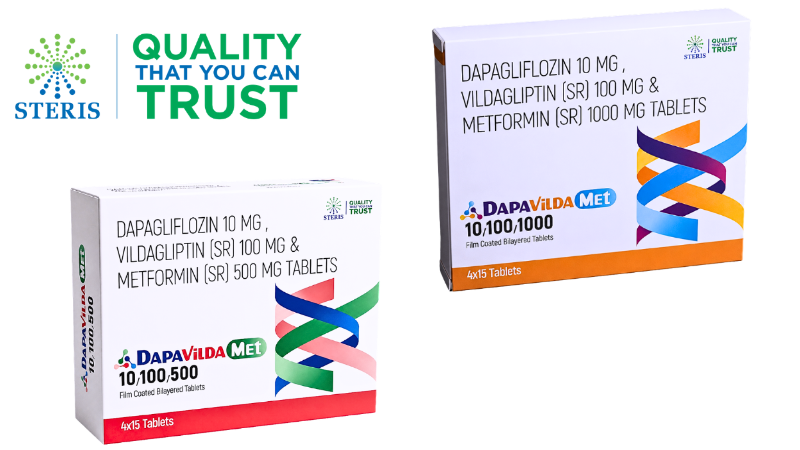
DAPAVILDA MET is a three-drug fixed-dose combination tablet for adults with type 2 diabetes mellitus. It is available in two strengths:
- DAPAVILDA MET 10/100/500: Dapagliflozin 10 mg + Vildagliptin SR 100 mg + Metformin SR 500 mg Tablets
- DAPAVILDA MET 10/100/1000: Dapagliflozin 10 mg + Vildagliptin SR 100 mg + Metformin SR 1000 mg Tablets
Each tablet combines three antidiabetic medicines from three different classes. Together, dapagliflozin, vildagliptin and metformin attack high blood sugar through complementary mechanisms, which is why doctors often consider this kind of combination when one or two drugs no longer give enough control.
This product is prescription-only and should be used under a doctor’s supervision.
Indications: What Is DAPAVILDA MET Used For?
DAPAVILDA MET is indicated as an adjunct to diet and exercise to improve glycaemic control in adults with type 2 diabetes. A doctor may prescribe it when:
- Blood sugar remains above target on metformin alone or on a two-drug combination.
- The patient is already taking the three components separately, and a single tablet would be simpler.
- The doctor wants to combine three mechanisms of action to reach the HbA1c target.
It is not meant for type 1 diabetes or for diabetic ketoacidosis. Your doctor decides whether this combination suits you after reviewing your HbA1c, kidney function, liver function and overall health.
How the Three Medicines Work Together
Type 2 diabetes involves several defects at once: the liver releases too much glucose, the body responds poorly to insulin, the pancreas does not release insulin well after meals, and the kidneys reabsorb filtered glucose back into the blood. DAPAVILDA MET targets several of these together.
Dapagliflozin 10 mg: the SGLT2 inhibitor
Dapagliflozin blocks the sodium-glucose co-transporter 2 (SGLT2) in the kidneys. Normally this protein pulls glucose back into the bloodstream. When it is blocked, extra glucose leaves the body through urine. Because this works independently of insulin, dapagliflozin 10 mg continues to help even when insulin secretion has declined. Its uses go beyond sugar control: it is also associated with modest weight loss and a small reduction in blood pressure.
Vildagliptin 100 mg: the DPP-4 inhibitor
Vildagliptin blocks the enzyme DPP-4, which breaks down the incretin hormones GLP-1 and GIP. With more active incretins, the pancreas releases insulin in response to meals and reduces glucagon, the hormone that raises blood sugar. This effect depends on glucose levels, so the risk of hypoglycaemia is low when vildagliptin is used without insulin or sulfonylureas.
Metformin SR 500 mg / 1000 mg: the biguanide
Metformin hydrochloride has been a first-line type 2 diabetes drug for decades. It mainly reduces glucose production by the liver and improves how muscle and fat tissue respond to insulin. The sustained-release (SR) form releases the drug gradually, which often improves stomach tolerance compared with immediate-release tablets.
The combined effect
- Metformin tackles insulin resistance and liver glucose output.
- Vildagliptin supports meal-time insulin release and lowers glucagon.
- Dapagliflozin removes excess glucose through the kidneys.
Three separate pathways, one tablet.
Key Benefits
1. Stronger HbA1c reduction: Adding drugs with different mechanisms generally lowers HbA1c more than increasing the dose of a single drug.
2. Low risk of hypoglycaemia on its own: None of the three components triggers insulin release regardless of blood sugar, so low-sugar episodes are uncommon unless combined with insulin or a sulfonylurea.
3. Possible weight benefit: Dapagliflozin promotes calorie loss through urinary glucose, and metformin is generally weight-neutral. Vildagliptin is also weight-neutral. Many patients see a small drop in body weight.
4. Blood pressure support: SGLT2 inhibitors cause mild diuresis and can lower systolic blood pressure by a few mmHg.
5. Heart and kidney considerations: Dapagliflozin has been studied in large outcome trials and is recognised in guidelines for patients with heart failure or chronic kidney disease, with or without diabetes. Your doctor will decide whether these wider benefits apply to you.
6. Convenience and adherence: Replacing three separate tablets with one reduces the pill burden. Patients on fewer tablets tend to take their medicines more consistently.
Efficacy and Clinical Evidence
This section summarises what is known about each ingredient. Results from a specific brand’s tablet should be confirmed with the approved prescribing information.
Dapagliflozin
- In randomised trials of adults with type 2 diabetes, dapagliflozin 10 mg added to metformin or other agents typically lowered HbA1c by roughly 0.5% to 0.8% compared with placebo, and produced body weight reductions of around 2 to 3 kg.
- The DECLARE-TIMI 58 trial in patients with type 2 diabetes showed a lower rate of hospitalisation for heart failure.
- DAPA-HF and DAPA-CKD showed benefits in patients with heart failure with reduced ejection fraction and in chronic kidney disease respectively, including patients without diabetes. These trials are why dapagliflozin is widely discussed beyond diabetes.
- Glucose-lowering efficacy falls as kidney function declines, so it is less effective for sugar control when eGFR is low.
Vildagliptin
- Vildagliptin used alone or with metformin lowers HbA1c by roughly 0.7% to 1.0% in many studies, with a low rate of hypoglycaemia.
- The VERIFY study (published in The Lancet, 2019) found that starting vildagliptin together with metformin early in newly diagnosed type 2 diabetes delayed the time to initial treatment failure compared with metformin alone followed by add-on therapy.
- Vildagliptin is approved in India and many other countries, though not in the United States.
Metformin
- The UKPDS 34 trial showed that metformin reduced diabetes-related complications and mortality in overweight patients with newly diagnosed type 2 diabetes.
- Metformin typically lowers HbA1c by about 1.0% to 1.5%, does not cause weight gain, and has a long safety record.
Triple combination evidence
Studies of dapagliflozin added to a DPP-4 inhibitor plus metformin have reported further improvements in HbA1c and body weight versus placebo, with a safety profile in line with the individual drugs. As with any combination, response varies by patient.
Dosage and How to Take It
- Take DAPAVILDA MET exactly as your doctor prescribes, usually once a day with a meal.
- Swallow the tablet whole. Do not crush, break or chew sustained-release tablets.
- The 500 mg and 1000 mg metformin strengths are chosen based on your current dose, tolerance and kidney function. Do not switch between them on your own.
- If you miss a dose, take it when you remember unless it is almost time for the next one. Never double up.
Who Should Not Take It
Do not use this medicine if you:
- Are allergic to dapagliflozin, vildagliptin, metformin or any ingredient in the tablet.
- Have type 1 diabetes or have had diabetic ketoacidosis.
- Have severe kidney impairment or are on dialysis.
- Have significant liver disease.
- Have conditions that raise the risk of lactic acidosis, such as severe infection, dehydration, or heart or respiratory failure.
Precautions and Warnings
Kidney function: Kidney function must be checked before starting and at regular intervals. Metformin is stopped at very low eGFR, and dapagliflozin’s sugar-lowering effect drops as kidney function declines.
Liver function: Vildagliptin has been linked to rare liver enzyme elevations, so liver tests are advised before treatment and periodically afterward.
Lactic acidosis: This is rare but serious with metformin. Warning signs include unusual muscle pain, rapid breathing, severe tiredness, stomach pain and feeling very cold. Seek emergency care immediately.
Ketoacidosis: SGLT2 inhibitors can cause diabetic ketoacidosis, sometimes with near-normal blood sugar (euglycaemic DKA). Nausea, vomiting, stomach pain, fast breathing and unusual tiredness need urgent attention. Tell your doctor before surgery, prolonged fasting or acute illness, as the medicine may need to be paused.
Genital and urinary infections: Because sugar is passed in urine, genital yeast infections and urinary tract infections can occur. Good hygiene helps. A rare but serious infection called Fournier’s gangrene has been reported with SGLT2 inhibitors; pain, redness or swelling around the genitals needs urgent review.
Dehydration and low blood pressure: Dapagliflozin has a mild diuretic effect. Stay well hydrated, especially in hot weather or during illness with vomiting or diarrhoea.
Pancreatitis: Severe, persistent stomach pain should be reported immediately, as DPP-4 inhibitors have been associated with pancreatitis.
Contrast dye and surgery: Metformin may need to be paused around certain imaging procedures that use iodinated contrast, and around surgery.
Vitamin B12: Long-term metformin use can lower vitamin B12, so periodic checks may be advised.
Alcohol: Heavy drinking increases the risk of lactic acidosis and low sugar.
Possible Side Effects
Common: nausea, diarrhoea, stomach discomfort, headache, dizziness, increased urination, genital itching or yeast infection, urinary tract infection.
Less common but serious: lactic acidosis, ketoacidosis, pancreatitis, liver problems, severe skin reactions, signs of an allergic reaction (swelling of face or throat, rash, breathing difficulty).
Stomach side effects with metformin often improve over time, and taking the tablet with food helps.
Lifestyle Tips While on Treatment
- Follow a balanced, portion-controlled diet and limit refined sugars.
- Aim for regular physical activity, such as 150 minutes of brisk activity a week if your doctor approves.
- Monitor blood sugar and HbA1c as advised.
- Drink enough water.
- Do not stop the medicine on your own, even if sugar readings improve.
How It Compares with Other Combinations
You may see dual combinations such as vildagliptin 100 mg + metformin 500 mg, or teneligliptin 20 mg and metformin hydrochloride 500 mg. These pair a DPP-4 inhibitor with metformin. DAPAVILDA MET adds dapagliflozin as a third mechanism, which can help when two drugs are not enough or when weight, blood pressure, or heart and kidney considerations matter. The best combination depends on the individual patient, which is why a doctor’s assessment is essential.
Storage
Store below 30°C in a cool, dry place, protected from light and moisture. Keep out of reach of children. Do not use after the expiry date.
Frequently Asked Questions
1. What is DAPAVILDA MET used for?
DAPAVILDA MET is used along with diet and exercise to control blood sugar in adults with type 2 diabetes. It contains dapagliflozin, vildagliptin and metformin.
2. What is dapagliflozin 10 mg used for?
Dapagliflozin 10 mg lowers blood sugar by making the kidneys pass extra glucose in urine. It is also used in some patients with heart failure and chronic kidney disease, as decided by a doctor.
3. What are the uses of vildagliptin 100 mg?
Vildagliptin helps the pancreas release insulin after meals and reduces glucagon, lowering blood sugar in type 2 diabetes. It is used alone or with metformin and other drugs.
4. What is metformin hydrochloride tablet used for?
Metformin tablets are a first-line treatment for type 2 diabetes. They reduce glucose production in the liver and improve insulin sensitivity.
5. What is the difference between metformin 500 mg and 1000 mg?
They contain different amounts of metformin. The dose is chosen by your doctor based on your sugar levels, tolerance and kidney function.
6. What is the difference between DAPAVILDA MET 10/100/500 and 10/100/1000?
Both contain dapagliflozin 10 mg and vildagliptin SR 100 mg. The difference is metformin SR: 500 mg in the first and 1000 mg in the second.
7. How do dapagliflozin, vildagliptin and metformin work together?
Metformin lowers liver glucose output, vildagliptin boosts meal-time insulin, and dapagliflozin removes glucose through urine. Together they cover three different problems in type 2 diabetes.
8. Can DAPAVILDA MET cause weight loss?
Some patients lose a little weight, mainly due to dapagliflozin. It is not a weight-loss drug, and results vary.
9. Does DAPAVILDA MET cause low blood sugar?
On its own the risk is low. It rises if you also take insulin or a sulfonylurea, skip meals, or drink heavily.
10. When should I take DAPAVILDA MET, and with food?
Usually once daily with a meal, as prescribed. Swallow it whole without crushing or chewing.
11. What are the common side effects?
Nausea, diarrhoea, stomach upset, headache, increased urination, and genital or urinary infections are among the most common.
12. Who should avoid DAPAVILDA MET?
People with type 1 diabetes, ketoacidosis, severe kidney or liver disease, or an allergy to any ingredient should not take it.
13. Is DAPAVILDA MET safe for kidney patients?
It depends on kidney function. Metformin and dapagliflozin both need dose or use adjustments in reduced eGFR, so your doctor will check kidney tests first.
14. Can I drink alcohol while taking it?
Heavy alcohol use should be avoided because it raises the risk of lactic acidosis and low blood sugar.
15. What should I do if I miss a dose?
Take it as soon as you remember unless the next dose is near. Do not take two doses together.
Conclusion
DAPAVILDA MET 10/100/500 and DAPAVILDA MET 10/100/1000 bring together dapagliflozin 10 mg, vildagliptin SR 100 mg and metformin SR 500 mg or 1000 mg in a single tablet for adults with type 2 diabetes. By working on the kidneys, the pancreas and the liver at the same time, the combination can improve glycaemic control, support modest weight and blood pressure benefits, and simplify the treatment routine. It does carry real risks, including ketoacidosis, genital and urinary infections, lactic acidosis and liver or pancreatic effects, so regular monitoring and honest communication with your doctor are essential. This is a prescription medicine and should always be used as directed.
For Further More Information:
Mail Us: contact@sterispharma.com or info@sterispharma.com
Call Now: +918824175417, +919982524671
Recent Post
How Dapagliflozin, Sitagliptin and Metformin Help Manage Type 2 Diabetes
How Linagliptin, Dapagliflozin and Metformin Help Manage Type 2 Diabetes
Dapagliflozin and Vildagliptin: A Complete Guide to Diabetes Management
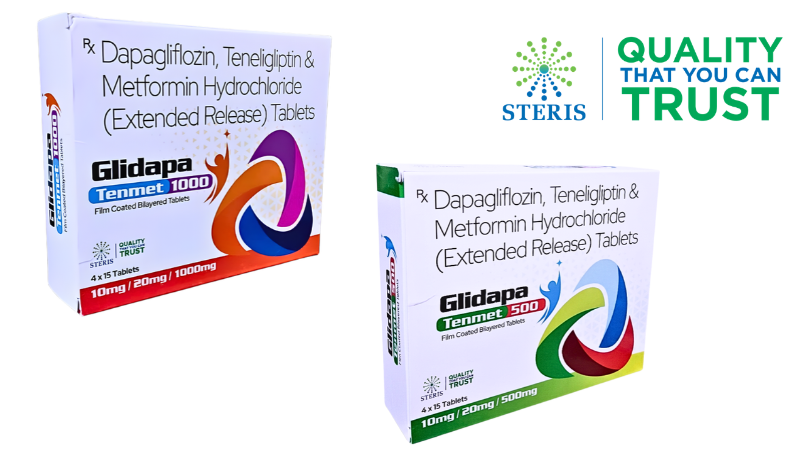
Teneligliptin, Metformin and Dapagliflozin: Uses, Benefits and Key Features
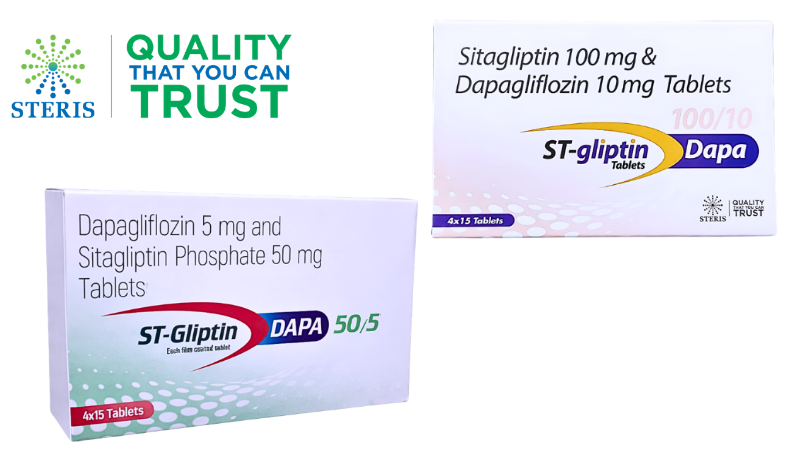
Sitagliptin and Dapagliflozin: Uses, Benefits and Key Features
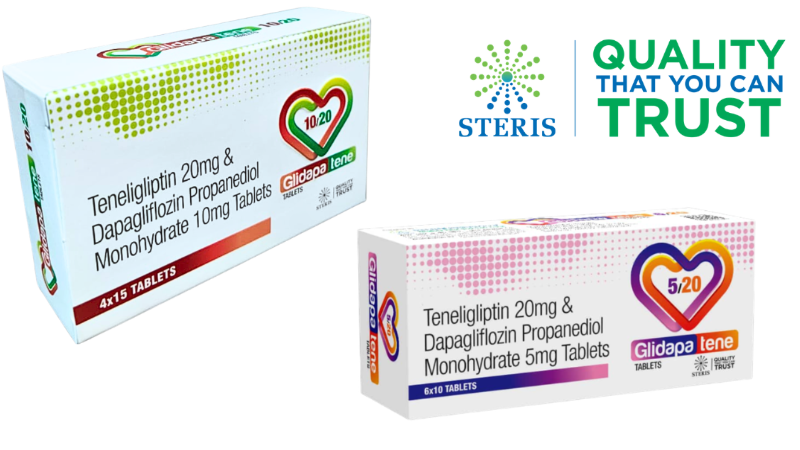
Teneligliptin and Dapagliflozin Tablets: A Complete Guide
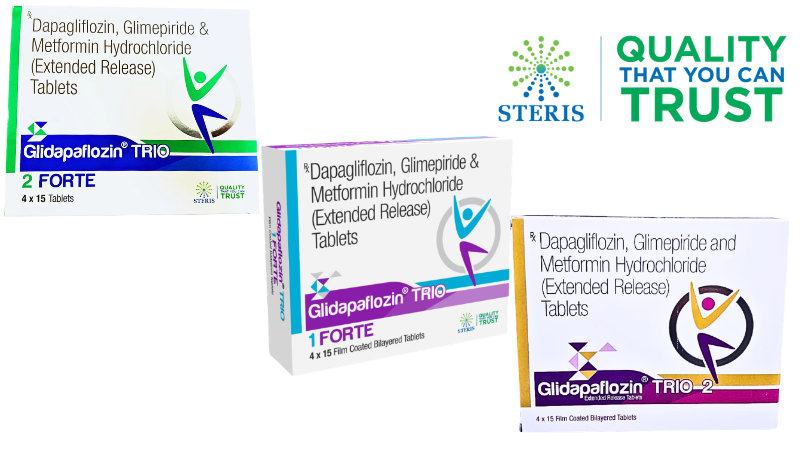
How Metformin, Glimepiride and Dapagliflozin Help Manage Type 2 Diabetes
Faropenem Dispersible Tablets 100 mg: Uses, Benefits, Price & Manufacturer in India

Semaglutide Injection: Uses, Prescription Requirements, and Availability in India

Empagliflozin, Sitagliptin and Metformin Tablets: Uses, Benefits & Price in India

