




How Dapagliflozin, Sitagliptin and Metformin Help Manage Type 2 Diabetes
Oct 31, 2026
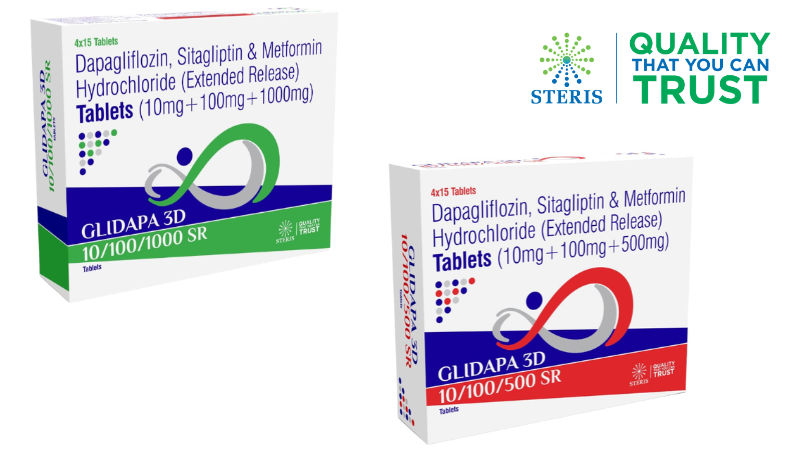
GLIDAPA 3D is a three-drug fixed-dose combination tablet for adults with type 2 diabetes mellitus. It brings together three antidiabetic medicines from three different classes and is available in two strengths:
- GLIDAPA 3D 10/100/500 SR: Dapagliflozin 10 mg + Sitagliptin 100 mg + Metformin SR 500 mg Tablets
- GLIDAPA 3D 10/100/1000 SR: Dapagliflozin 10 mg + Sitagliptin 100 mg + Metformin ER 1000 mg Tablets
This is a prescription-only medicine. A registered doctor decides whether it suits you and which strength to use.
Indications: What Are Dapagliflozin, Sitagliptin and Metformin Used For?
The combination is intended to improve blood sugar control in adults with type 2 diabetes, together with a healthy diet and regular physical activity. A doctor may consider it when:
- HbA1c stays above target despite metformin alone or a two-drug combination.
- The patient already takes dapagliflozin, sitagliptin and metformin as separate tablets and wants a simpler routine.
- A regimen with a low risk of hypoglycaemia is preferred, since none of the three drugs causes low sugar on its own.
- Weight, blood pressure or heart and kidney considerations matter alongside glucose control.
It is not meant for type 1 diabetes or diabetic ketoacidosis. The metformin strength is chosen based on blood sugar levels, kidney function, stomach tolerance and overall health.
How the Three Medicines Work Together
Type 2 diabetes involves several problems at once: the liver releases too much glucose, tissues respond poorly to insulin, the pancreas releases insulin inadequately after meals, glucagon stays high, and the kidneys keep reabsorbing glucose. This combination targets several of these defects together.
Dapagliflozin 10 mg: the SGLT2 inhibitor
Dapagliflozin blocks the sodium-glucose co-transporter 2 (SGLT2) in the kidney tubules. This protein normally returns filtered glucose to the blood. When it is blocked, excess glucose leaves the body in urine. The action does not depend on insulin, so it keeps working even when pancreatic function declines. Dapagliflozin is also associated with modest weight loss and a small fall in blood pressure.
Sitagliptin 100 mg: the DPP-4 inhibitor
Sitagliptin blocks the enzyme dipeptidyl peptidase-4 (DPP-4), which normally breaks down the incretin hormones GLP-1 and GIP. With incretins lasting longer, the pancreas releases more insulin when blood sugar rises after meals, and glucagon release falls. Because this depends on glucose levels, the risk of hypoglycaemia is low unless insulin or a sulfonylurea is also used. Sitagliptin 100 mg is taken once daily and is generally weight-neutral.
Metformin SR/ER: the biguanide
Metformin hydrochloride has been first-line therapy for type 2 diabetes for decades. It lowers glucose production in the liver and improves insulin sensitivity in muscle and fat. The sustained or extended release form releases the drug gradually, which commonly improves stomach tolerance compared with immediate release tablets.
The combined effect
- Metformin addresses insulin resistance and liver glucose output.
- Sitagliptin supports meal-time insulin release and lowers glucagon.
- Dapagliflozin removes glucose through the kidneys.
Three pathways, one tablet.
Key Benefits of GLIDAPA 3D
1. Stronger glucose lowering through three mechanisms. Combining drugs with different actions generally lowers HbA1c more than raising the dose of a single drug.
2. Low risk of hypoglycaemia. None of the three drugs forces insulin release regardless of glucose level, so low sugar episodes are uncommon unless insulin or a sulfonylurea is added.
3. Possible weight and blood pressure benefit. Dapagliflozin may cause modest weight loss and a small drop in systolic blood pressure. Sitagliptin and metformin are generally weight-neutral.
4. Cardiovascular safety data for components. Sitagliptin showed cardiovascular safety in the TECOS trial, and dapagliflozin has outcome data in heart failure and kidney disease.
5. Fewer tablets. One tablet in place of three reduces pill burden and may help people stay consistent with treatment.
6. Complementary pairing. Sitagliptin and dapagliflozin together are a well-recognised SGLT2 plus DPP-4 pairing, and adding metformin builds on the standard first-line drug.
Efficacy and Clinical Evidence
The evidence below relates to the individual ingredients and to the combination approach. Brand-specific results should always be confirmed against the approved prescribing information.
Sitagliptin 100 mg
- In placebo-controlled trials, sitagliptin 100 mg lowered HbA1c by roughly 0.5% to 0.8%, whether used alone or added to metformin, with weight neutrality and a low rate of hypoglycaemia.
- TECOS (over 14,000 patients with type 2 diabetes and established cardiovascular disease) found that sitagliptin did not increase major adverse cardiovascular events compared with placebo. It did not increase hospitalisation for heart failure either.
- Sitagliptin is widely used and has a long record in clinical practice.
Dapagliflozin 10 mg
- In randomised trials, dapagliflozin 10 mg lowered HbA1c by roughly 0.5% to 0.8% versus placebo when added to other agents, with weight reductions of around 2 to 3 kg.
- DECLARE-TIMI 58 studied more than 17,000 patients with type 2 diabetes and found a lower rate of hospitalisation for heart failure.
- DAPA-HF and DAPA-CKD showed benefit in heart failure with reduced ejection fraction and in chronic kidney disease respectively, including patients without diabetes.
- Its glucose-lowering effect weakens as eGFR falls.
Metformin Hydrochloride
- UKPDS 34 showed that metformin reduced diabetes-related complications and mortality in overweight patients with newly diagnosed type 2 diabetes.
- Metformin typically lowers HbA1c by about 1.0% to 1.5%, is weight-neutral and has a long safety record.
Sitagliptin plus dapagliflozin
A clinical trial of dapagliflozin added to sitagliptin, with or without metformin, reported additional HbA1c reduction and weight loss compared with placebo, and safety consistent with the individual drugs. Published trials of this exact fixed-dose triple tablet are more limited than evidence for the separate components, so the clinical case rests mainly on the data for each drug and on their complementary mechanisms. Individual response varies.
Dosage and How to Take It
- Take GLIDAPA 3D exactly as your doctor prescribes, usually once daily with a meal.
- Swallow the tablet whole with water. Do not crush, break or chew sustained or extended release tablets.
- Do not switch between the 500 mg and 1000 mg metformin strengths on your own.
- If you miss a dose, take it when you remember unless the next dose is near. Never take two doses together.
- Stay well hydrated during treatment.
Who Should Not Take It
Avoid this medicine if you:
- Are allergic to dapagliflozin, sitagliptin, metformin or any other ingredient.
- Have type 1 diabetes or have had diabetic ketoacidosis.
- Have severe kidney impairment or are on dialysis.
- Have significant liver disease.
- Have conditions that raise the risk of lactic acidosis, such as severe infection, dehydration, or heart or respiratory failure.
Precautions and Warnings
Kidney function: Kidney tests are needed before starting and regularly afterward. Sitagliptin dosing is reduced in moderate to severe kidney impairment, metformin is stopped at very low eGFR, and dapagliflozin’s glucose-lowering effect declines as kidney function falls. A fixed 100 mg sitagliptin combination may therefore not suit everyone.
Lactic acidosis: Rare but serious with metformin. Warning signs include unusual muscle pain, rapid breathing, severe tiredness, stomach pain and feeling cold. Seek emergency care.
Ketoacidosis: SGLT2 inhibitors can cause diabetic ketoacidosis, sometimes with near-normal blood sugar. Nausea, vomiting, stomach pain, fast breathing and unusual tiredness need urgent attention. Tell your doctor before surgery, prolonged fasting or serious illness, as the medicine may need to be paused.
Genital and urinary infections: Glucose in urine can encourage genital yeast infections and urinary tract infections. A rare but serious infection called Fournier’s gangrene has been reported with SGLT2 inhibitors. Pain, redness or swelling in the genital area needs urgent review.
Pancreatitis: Severe, persistent stomach pain, sometimes spreading to the back, should be reported immediately, as DPP-4 inhibitors have been associated with pancreatitis.
Joint pain and skin reactions: Severe joint pain and blistering skin conditions such as bullous pemphigoid have been reported with DPP-4 inhibitors. Report them to your doctor.
Dehydration and low blood pressure: Dapagliflozin has a mild diuretic effect. Take care in hot weather and during vomiting or diarrhoea.
Contrast dye and surgery: Metformin may need to be paused around iodinated contrast imaging and surgery.
Vitamin B12: Long-term metformin use can lower vitamin B12, so periodic checks may be advised.
Alcohol: Heavy drinking raises the risk of lactic acidosis, ketoacidosis and low blood sugar.
Possible Side Effects
Common: nausea, diarrhoea, stomach discomfort, headache, increased urination, genital itching or yeast infection, urinary tract infection, runny nose or sore throat.
Serious but less common: lactic acidosis, ketoacidosis, pancreatitis, severe genital infection, severe skin reactions, and signs of allergy such as swelling of the face or throat, rash or difficulty breathing. Seek emergency help if these occur.
Stomach side effects from metformin often ease over time, and taking the tablet with food helps.
Lifestyle Tips During Treatment
- Follow a balanced, portion-controlled diet and limit sugary foods and drinks.
- Stay active. About 150 minutes of brisk activity a week is a common target if your doctor agrees.
- Monitor blood sugar and HbA1c as advised.
- Maintain genital hygiene and drink enough water.
- Do not stop the medicine on your own, even when readings improve.
How It Compares with Other Combinations
You may see dual combinations such as sitagliptin and dapagliflozin (two drugs) or teneligliptin 20 mg and metformin hydrochloride 500 mg, which pairs a DPP-4 inhibitor with metformin. GLIDAPA 3D combines all three mechanisms in one tablet, which can help when two drugs are not enough or when weight, blood pressure, or heart and kidney considerations matter. The best option depends on the individual, which is why a doctor’s assessment is essential.
Storage
Store below 30°C in a cool, dry place, protected from light and moisture. Keep out of reach of children. Do not use after the expiry date.
Frequently Asked Questions
1. What is GLIDAPA 3D used for?
GLIDAPA 3D is used with diet and exercise to control blood sugar in adults with type 2 diabetes. It contains dapagliflozin, sitagliptin and metformin.
2. What is sitagliptin 100 mg used for?
Sitagliptin 100 mg helps the pancreas release insulin after meals and lowers glucagon, which reduces blood sugar in type 2 diabetes.
3. What is dapagliflozin 10 mg used for?
Dapagliflozin 10 mg lowers blood sugar by making the kidneys pass extra glucose in urine. Doctors also use it in some patients with heart failure or chronic kidney disease.
4. What is sitagliptin and dapagliflozin used for?
The pair lowers blood sugar in type 2 diabetes through two different actions, one on the pancreas and one on the kidneys.
5. What is metformin hydrochloride tablet used for?
Metformin tablets are a first-line treatment for type 2 diabetes. They reduce glucose production in the liver and improve insulin sensitivity.
6. What are the uses of metformin hydrochloride 1000 mg?
It is a higher-strength metformin dose used for type 2 diabetes when a doctor judges it appropriate based on sugar levels, tolerance and kidney function.
7. How do dapagliflozin, sitagliptin and metformin work together?
Metformin lowers liver glucose output, sitagliptin boosts meal-time insulin, and dapagliflozin removes glucose through urine. Together they cover three different problems in type 2 diabetes.
8. What is the difference between GLIDAPA 3D 10/100/500 SR and 10/100/1000 SR?
Dapagliflozin 10 mg and sitagliptin 100 mg are the same. Only the metformin amount differs: 500 mg in one and 1000 mg in the other.
9. Does GLIDAPA 3D cause weight loss?
Some people lose a little weight, mainly from dapagliflozin. It is not a weight-loss drug, and results vary.
10. Does it cause low blood sugar?
The risk is low on its own, but it rises if you also take insulin or a sulfonylurea, skip meals or drink heavily.
11. When should I take it?
Usually once daily with a meal, as prescribed. Swallow it whole without crushing or chewing.
12. What are the common side effects?
Nausea, diarrhoea, stomach upset, headache, increased urination, and genital or urinary infections are among the most common.
13. Who should avoid dapagliflozin, sitagliptin and metformin?
People with type 1 diabetes, ketoacidosis, severe kidney or liver disease, or an allergy to any ingredient should avoid it.
14. Is it safe for kidney patients?
It depends on kidney function. All three drugs have eGFR-related limits or dose adjustments, so your doctor will check kidney tests first.
15. What is the sitagliptin 100 mg price in India?
Price varies by brand, pack and pharmacy. Check the MRP on the pack or ask your pharmacist.
Conclusion
GLIDAPA 3D 10/100/500 SR and GLIDAPA 3D 10/100/1000 SR bring together dapagliflozin 10 mg, sitagliptin 100 mg and metformin SR/ER in one tablet for adults with type 2 diabetes. By acting on the kidneys, pancreas and liver together, the combination can improve glycaemic control with a low hypoglycaemia risk, offer possible modest benefits for weight and blood pressure, and simplify the daily routine. It also carries real risks, including lactic acidosis, ketoacidosis, genital and urinary infections, dehydration and pancreatitis, so regular monitoring and open communication with your doctor are essential. This is a prescription medicine and should only be started, adjusted or stopped under medical supervision.
For Further More Information:
Mail Us: contact@sterispharma.com or info@sterispharma.com
Call Now: +918824175417, +919982524671
Recent Post
Dextromethorphan Hydrobromide: Uses, Benefits, Dosage and Side Effects
Amantadine Hydrochloride: Uses, Benefits, Dosage and Side Effects
Potassium Chloride Oral Solution: Uses, Benefits, Dosage and Side Effects
Ketoconazole and Cetrimide Soap: Uses, Benefits, Side Effects and Precautions
Baclofen 25 mg: Uses, Benefits, Dosage, Side Effects and Precautions
What Is Sodium Bicarbonate 650 mg Used For? Uses and Safety Information
Lamotrigine 25 mg: Uses, Benefits, Side Effects and Precautions
Clomiphene 50 mg: Uses, Benefits, Side Effects and Precautions
Teneligliptin and Pioglitazone: Uses, Benefits and Side Effects
How Do Etodolac and Thiocolchicoside Work Together?