


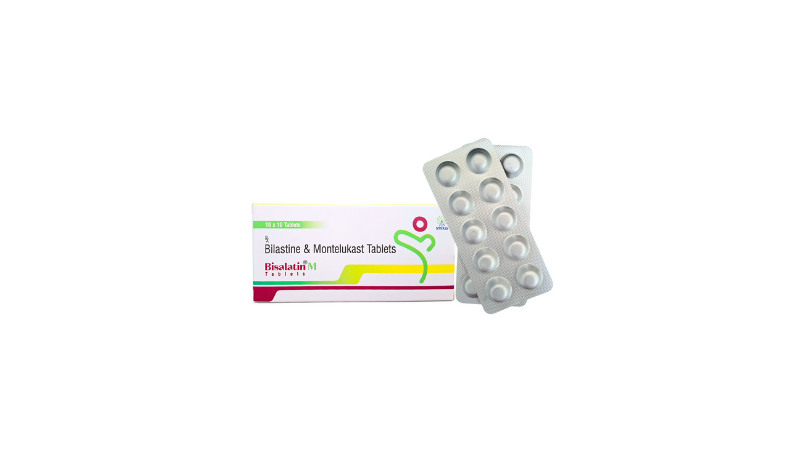



Bilastine 20mg & Montelukast 10mg Tablets: Uses, Dosage & Side Effects
Sep 03, 2025
Bilastine and Montelukast Tablet is a prescription medicine commonly used to manage allergic conditions such as allergic rhinitis and seasonal allergies. It combines two effective anti-allergic medicines that work together to relieve symptoms like sneezing, runny nose, nasal congestion, itchy eyes, watery eyes, and skin allergies. By targeting different allergy pathways, this combination provides comprehensive and long-lasting symptom relief while improving daily comfort and quality of life.
What is Bilastine and Montelukast Tablet?
Bilastine and Montelukast Tablet is a combination anti-allergic medicine prescribed for adults and adolescents suffering from allergic disorders. It contains two active ingredients:
- Bilastine – A second-generation antihistamine that blocks histamine receptors responsible for allergy symptoms.
- Montelukast – A leukotriene receptor antagonist that reduces inflammation and allergic reactions caused by leukotrienes.
Together, these medicines help relieve allergy symptoms more effectively than single-drug therapy in many patients. The combination is especially useful for people experiencing persistent allergic rhinitis or allergy symptoms that interfere with daily activities and sleep.
How Does Bilastine and Montelukast Tablet Work?
Allergic reactions occur when the immune system overreacts to allergens such as pollen, dust mites, pet dander, mold, or environmental pollutants.
Bilastine blocks the action of histamine, a chemical released during allergic reactions that causes sneezing, itching, watery eyes, and a runny nose. Because it is a newer-generation antihistamine, it is less likely to cause drowsiness compared to many older allergy medicines.
Montelukast works differently by blocking leukotrienes, inflammatory chemicals that contribute to nasal congestion, airway inflammation, and persistent allergy symptoms. By combining these two mechanisms, Bilastine and Montelukast Tablet provides broader allergy control and longer-lasting symptom relief.
Uses of Bilastine and Montelukast Tablet
Doctors commonly prescribe this medicine for:
- Seasonal allergic rhinitis (hay fever)
- Perennial allergic rhinitis
- Sneezing and runny nose
- Nasal congestion
- Itchy or watery eyes
- Dust allergy
- Pollen allergy
- Skin allergies associated with allergic reactions
- Long-term allergy symptom management
Benefits of Bilastine and Montelukast Tablet
Patients may experience several benefits, including:
- Provides effective allergy relief
- Reduces sneezing and nasal irritation
- Relieves itchy and watery eyes
- Helps reduce nasal congestion
- Controls allergy-related inflammation
- Provides long-lasting symptom relief
- Improves sleep affected by allergies
- Supports better daily comfort and productivity
Who Should Take Bilastine and Montelukast Tablet?
Bilastine and Montelukast Tablet is generally recommended for individuals diagnosed with allergic rhinitis or other allergic conditions that require combination therapy. It is particularly beneficial for patients whose symptoms are not adequately controlled with antihistamines alone.
Doctors may prescribe this medicine for adults and adolescents based on individual medical history, allergy severity, and treatment response. It should always be used according to a healthcare professional's advice.
How to Take Bilastine and Montelukast Tablet
Take the tablet exactly as directed by your doctor. Bilastine is often recommended on an empty stomach because food and fruit juices may reduce its absorption, while Montelukast is usually taken once daily. Follow your physician's instructions regarding the best timing for your prescribed combination product.
Swallow the tablet whole with water and avoid crushing or chewing it unless advised otherwise. Taking the medicine consistently at the same time each day helps maintain steady allergy control.
Do not increase the dose or discontinue treatment without consulting your healthcare provider, even if symptoms improve.
Possible Side Effects of Bilastine and Montelukast Tablet
Like all medicines, this combination may cause side effects in some people.
Common side effects include:
- Headache
- Dizziness
- Drowsiness (less common)
- Dry mouth
- Stomach discomfort
- Nausea
- Fatigue
- Upper respiratory tract infection
- Mild skin rash
Seek immediate medical attention if you experience severe allergic reactions, swelling of the face or throat, breathing difficulty, or unusual mood or behavioral changes while taking Montelukast.
Precautions Before Using Bilastine and Montelukast Tablet
Inform your doctor if you have liver disease, kidney disease, asthma, or a history of mental health conditions before starting treatment.
Montelukast has been associated with rare neuropsychiatric reactions, including mood changes and sleep disturbances. Contact your doctor if you notice unusual behavior, anxiety, depression, or suicidal thoughts.
Avoid alcohol if it increases drowsiness. Inform your healthcare provider about all prescription medicines, herbal supplements, and over-the-counter drugs you are taking to reduce the risk of interactions.
Pregnant or breastfeeding women should use this medicine only after medical consultation.
Who Should Avoid This Medicine?
This medicine may not be suitable for individuals with:
- Allergy to Bilastine or Montelukast
- Severe liver impairment (if advised by a doctor)
- History of serious hypersensitivity reactions to either ingredient
Always consult your healthcare provider before beginning treatment.
Storage Instructions
Store Bilastine and Montelukast Tablets in a cool, dry place away from direct sunlight, moisture, and heat. Keep the medicine in its original packaging and out of reach of children. Do not use expired tablets.
Why Choose Bilastine and Montelukast Tablet?
Bilastine and Montelukast Tablet offers dual-action allergy management by targeting both histamine and leukotriene pathways. This combination helps provide more complete symptom relief than many single-ingredient allergy medicines, making it a preferred option for patients with moderate to severe allergic rhinitis.
When combined with allergen avoidance strategies and your doctor's recommendations, this medicine can significantly improve daily comfort, reduce allergy flare-ups, and support a better quality of life.
Conclusion
Bilastine and Montelukast Tablet is an effective combination medicine for managing allergic rhinitis and other allergy-related conditions. By combining the antihistamine action of Bilastine with the anti-inflammatory effects of Montelukast, it provides comprehensive relief from sneezing, nasal congestion, runny nose, itchy eyes, and other allergy symptoms. When taken as prescribed and combined with allergen avoidance measures, it helps improve daily comfort and quality of life. Always use this prescription medicine under the guidance of a qualified healthcare professional and follow the recommended dosage for safe and effective treatment.
Frequently Asked Questions
What is Bilastine and Montelukast Tablet used for?
It is used to treat allergic rhinitis and relieve symptoms such as sneezing, runny nose, nasal congestion, itchy eyes, and allergy-related discomfort.
How does Bilastine and Montelukast Tablet work?
Bilastine blocks histamine to reduce allergy symptoms, while Montelukast blocks leukotrienes to decrease inflammation and nasal congestion.
Can I take Bilastine and Montelukast Tablet every day?
Yes. It should be taken exactly as prescribed by your doctor for the recommended duration.
Is Bilastine and Montelukast Tablet better than an antihistamine alone?
For many patients with persistent or moderate-to-severe allergies, the combination may provide better symptom control than an antihistamine alone.
When should I take Bilastine and Montelukast Tablet?
Follow your doctor's instructions. Bilastine is generally taken on an empty stomach because food and fruit juices can affect its absorption.
Does Bilastine and Montelukast Tablet cause drowsiness?
Bilastine is generally considered a non-sedating antihistamine, but some individuals may experience mild drowsiness or dizziness.
Can Bilastine and Montelukast Tablet treat asthma?
Montelukast is used in asthma management, but this combination should only be used for asthma if specifically prescribed by your doctor.
Can I drink alcohol while taking Bilastine and Montelukast Tablet?
It is best to avoid alcohol if it increases drowsiness or affects your ability to concentrate.
Is Bilastine and Montelukast Tablet safe for long-term use?
It may be prescribed for longer periods when clinically appropriate. Regular follow-up with your healthcare provider is recommended.
Do I need a prescription to buy Bilastine and Montelukast Tablet?
Yes. Bilastine and Montelukast Tablet is a prescription medicine and should be used under medical supervision.
Can Bilastine and Montelukast Tablet help with skin allergies?
Yes. It may help relieve itching and other allergic skin symptoms in some patients, depending on the underlying condition.
Can I stop taking Bilastine and Montelukast Tablet when I feel better?
Do not stop taking the medicine without consulting your doctor, as symptoms may return if treatment is discontinued too early.
Bilastine and montelukast tablets when to take?
Take once daily on an empty stomach, preferably evening, or exactly as prescribed by your doctor.
For Further More Information:
Mail Us: contact@sterispharma.com or info@sterispharma.com
Call Now: +918824175417, +919982524671
Recent Post
How Do Linagliptin and Metformin Work Together to Manage Type 2 Diabetes?
Oxymetazoline Nasal Solution: A Complete Guide to Uses and Safety

What Are Methylcobalamin Sublingual Tablets 1500 mcg Used For?

L Lysine Hydrochloride Syrup: Uses, Benefits, Dosage and Side Effects

What Is Amino Acids Injection Used For?

How Do Empagliflozin, Sitagliptin, and Metformin Work Together?

Empagliflozin, Sitagliptin, and Metformin: Uses, Benefits, and Side Effects

D-Panthenol and Sodium Hyaluronate Eye Drops: Uses and Precautions
How Do Ketorolac Tromethamine Eye Drops Work?

Ofloxacin and Dexamethasone Eye Drops: Uses, Benefits, and Side Effects

